The Uncomfortable Truth
Here's something most wood identification resources won't tell you upfront: reliably identifying wood species is genuinely difficult, and often impossible from appearance alone.
This isn't meant to discourage you. It's meant to set realistic expectations so you don't feel frustrated when that mystery board doesn't match any reference photo perfectly.
Why It's So Hard
Natural Variation
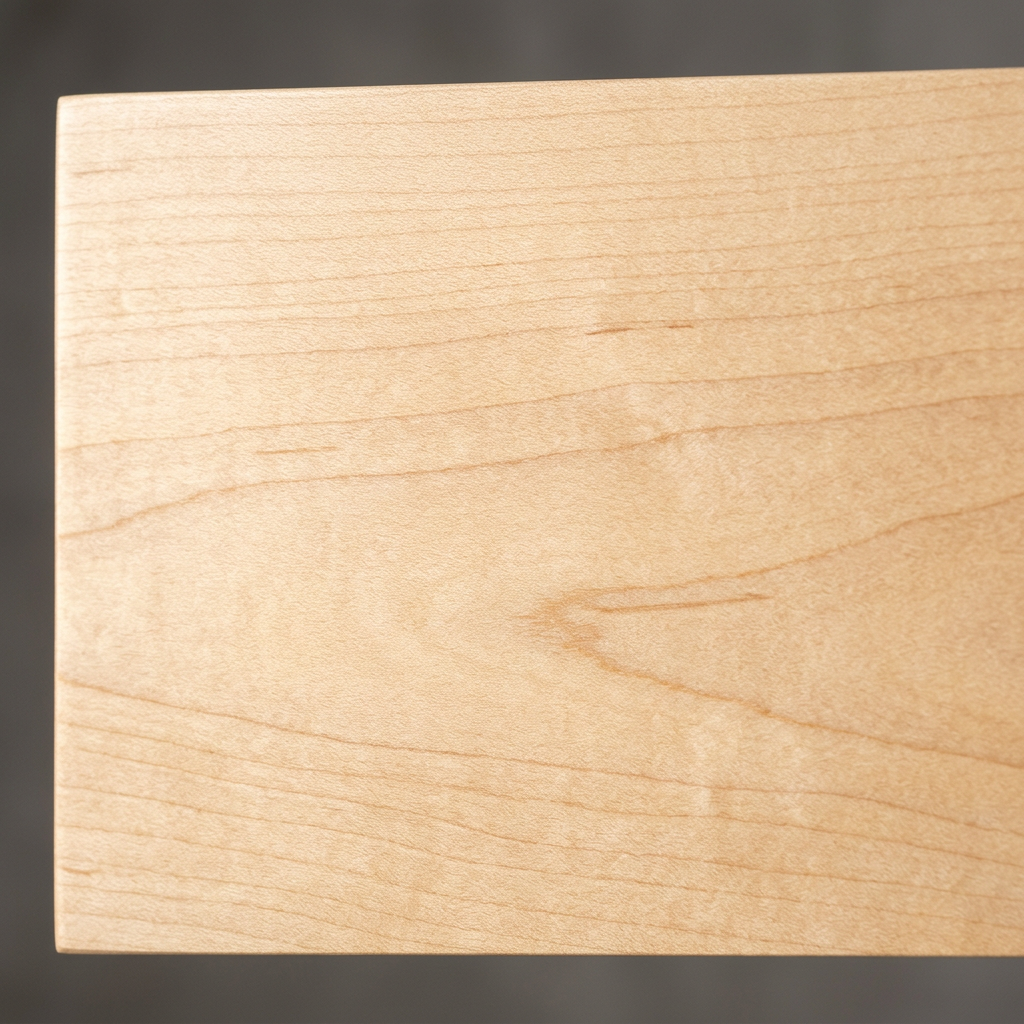
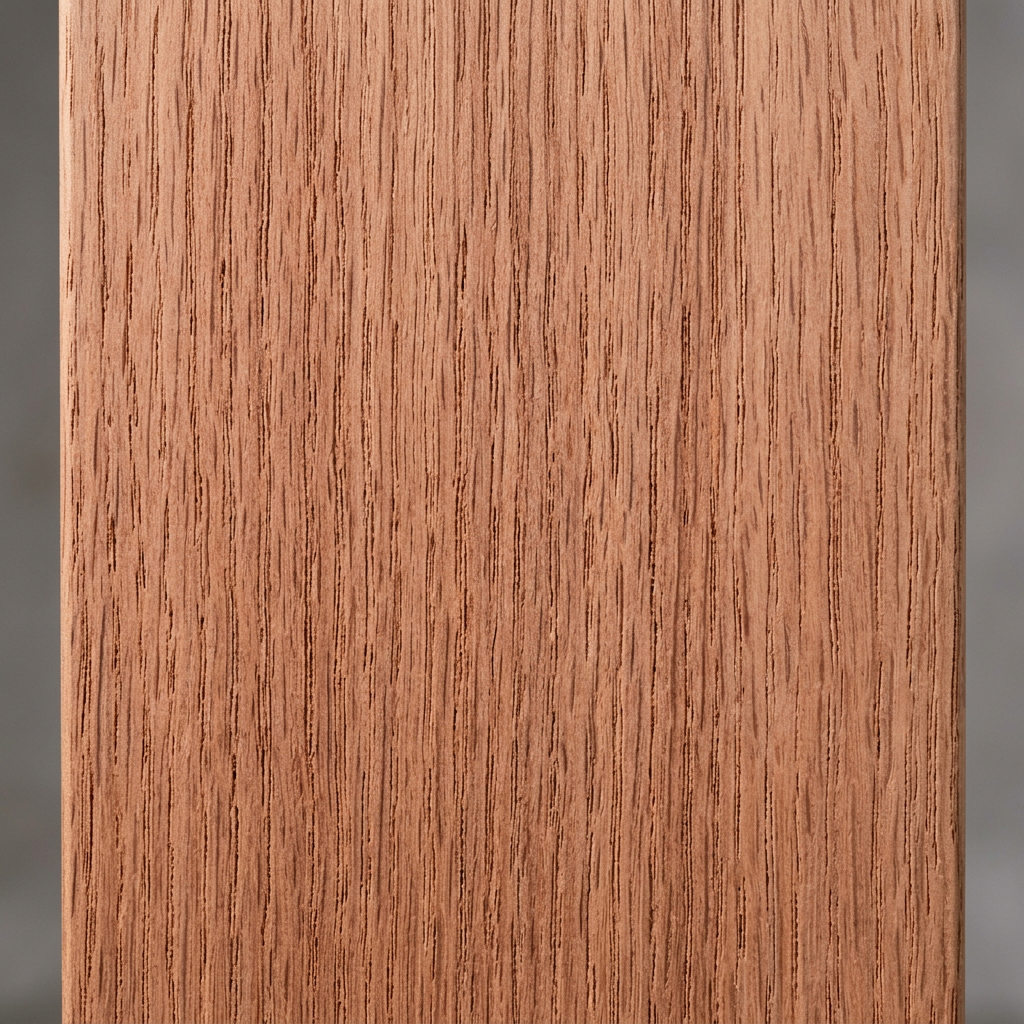
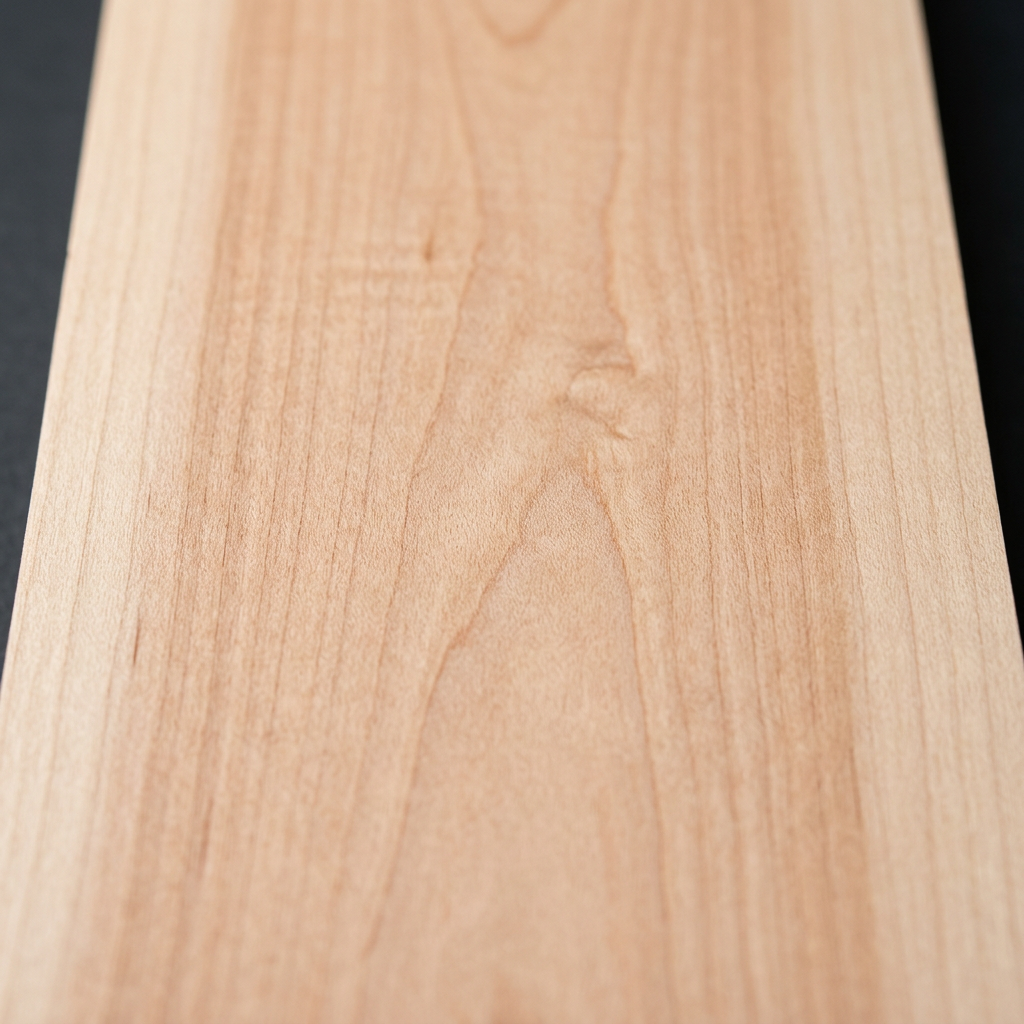
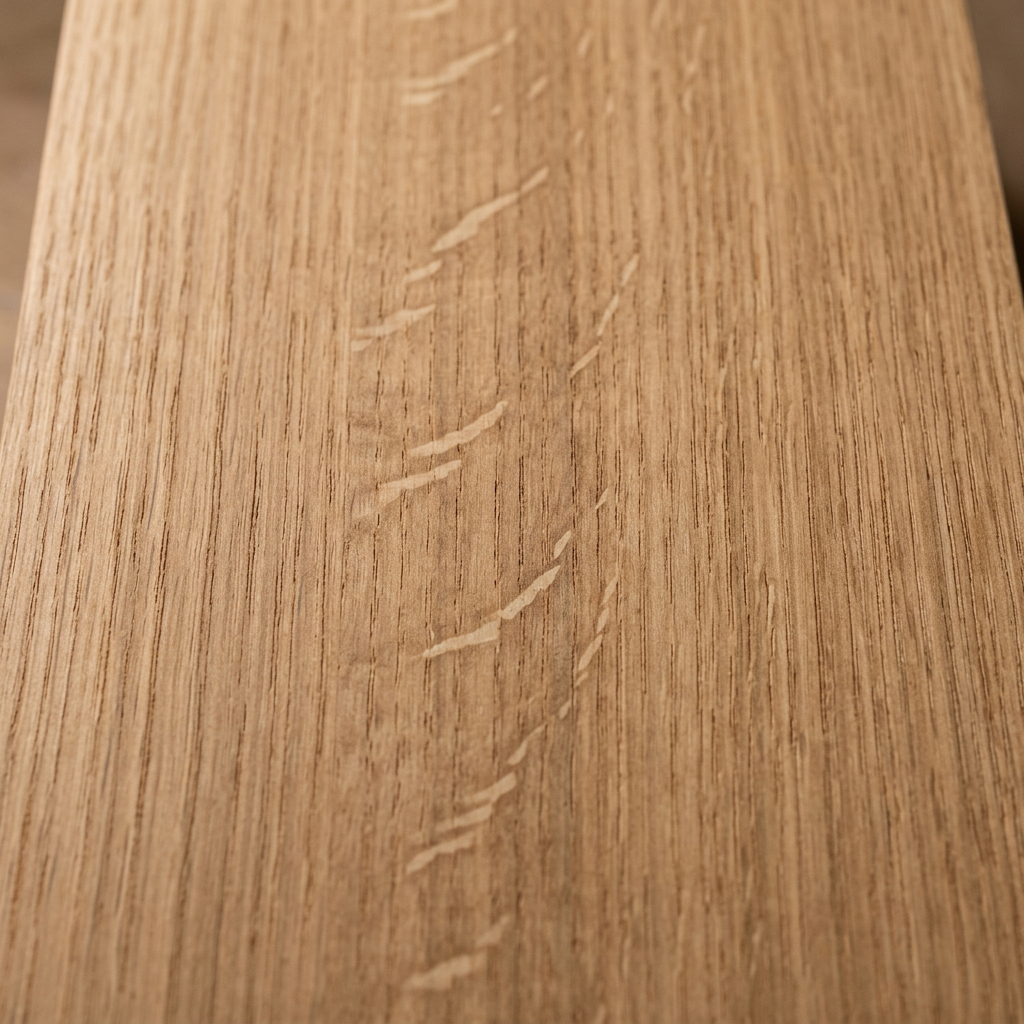
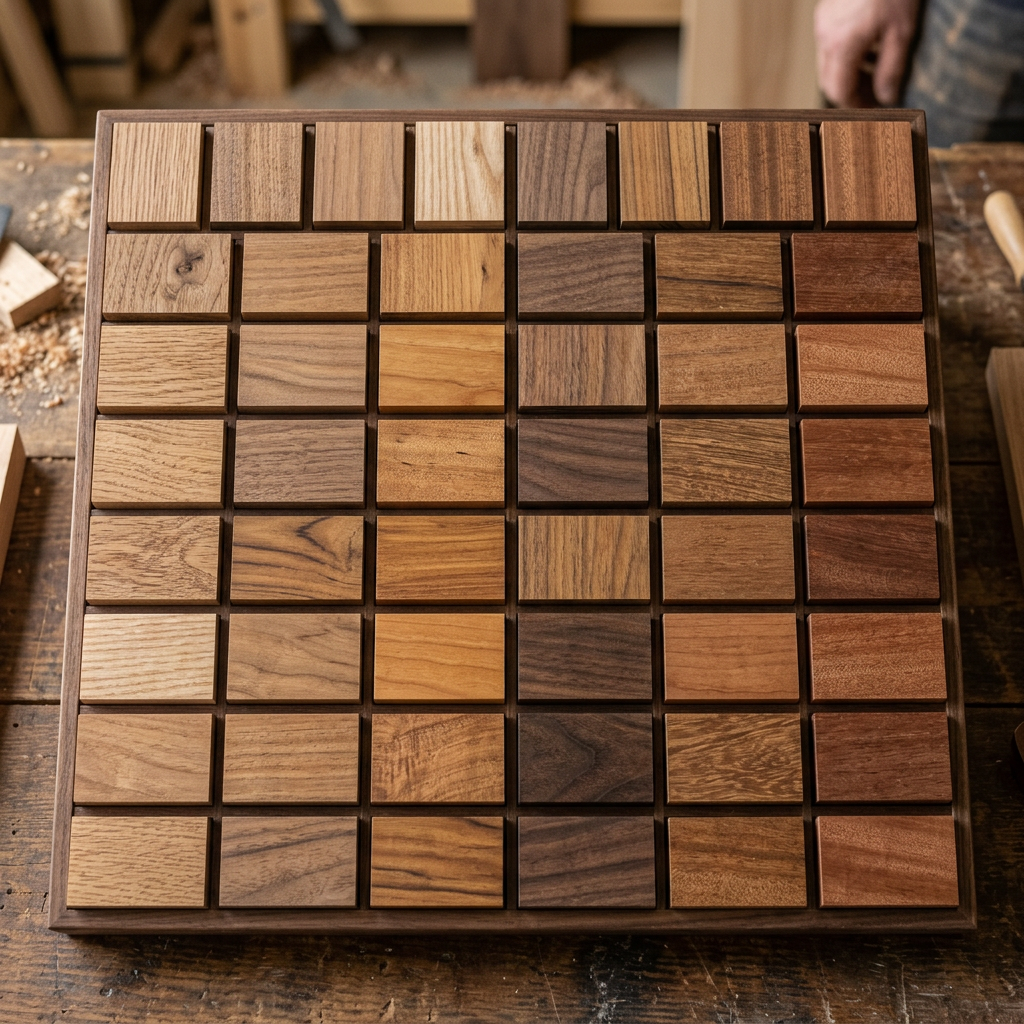
No two trees of the same species look identical. A Black Cherry from Pennsylvania may look dramatically different from one grown in West Virginia. Soil, climate, growth rate, and genetics all affect color, grain, and density.
Age and Processing Changes
- •Heartwood color shifts over decades
- •UV light darkens or lightens many species
- •Finishes alter appearance
- •Stains and dyes mask natural color
- •Sanding and machining affect texture perception
Similar-Looking Species
Many unrelated species look nearly identical:
- •Red Maple vs. Silver Maple vs. Bigleaf Maple
- •Ash vs. Hickory (even experts struggle)
- •Various "mahogany" species from different continents
- •Hard Pine species (nearly impossible to distinguish visually)
The "40,000 Species" Problem
There are approximately 40,000-60,000 tree species on Earth. Even limiting to commercially available timber, you're looking at hundreds of species. No human can memorize them all.
What You CAN Do
1. Narrow the Possibilities
Rather than trying to identify an exact species, first narrow it to a group:
- •Is it a hardwood or softwood?
- •Is it ring-porous or diffuse-porous?
- •Is it domestic or tropical?
- •What's the approximate density range?
2. Use Multiple Characteristics
Never rely on a single feature. Cross-reference:
- •End-grain anatomy
- •Color (fresh surface)
- •Weight/density
- •Smell
- •Grain pattern
- •Known context (where was it found? what was it used for?)
3. Accept Uncertainty
It's perfectly acceptable to say "this is probably White Oak, but could be Bur Oak or Chestnut Oak." Getting to the genus level is often the best you can do.
4. Know What Matters
For most woodworking purposes, you don't need exact species identification. You need to know:
- •Approximate hardness (can I use it for this project?)
- •Finishing characteristics (how will it take stain?)
- •Stability (will it move a lot?)
- •Toxicity (is it safe to work?)
The Expert's Secret
Professional wood identifiers will tell you: context is often more valuable than anatomy. Knowing that a piece came from a 1920s American house, or was purchased at a specific lumber yard, or grows in a certain region eliminates 95% of possibilities before you even look at the grain.
Tools That Help
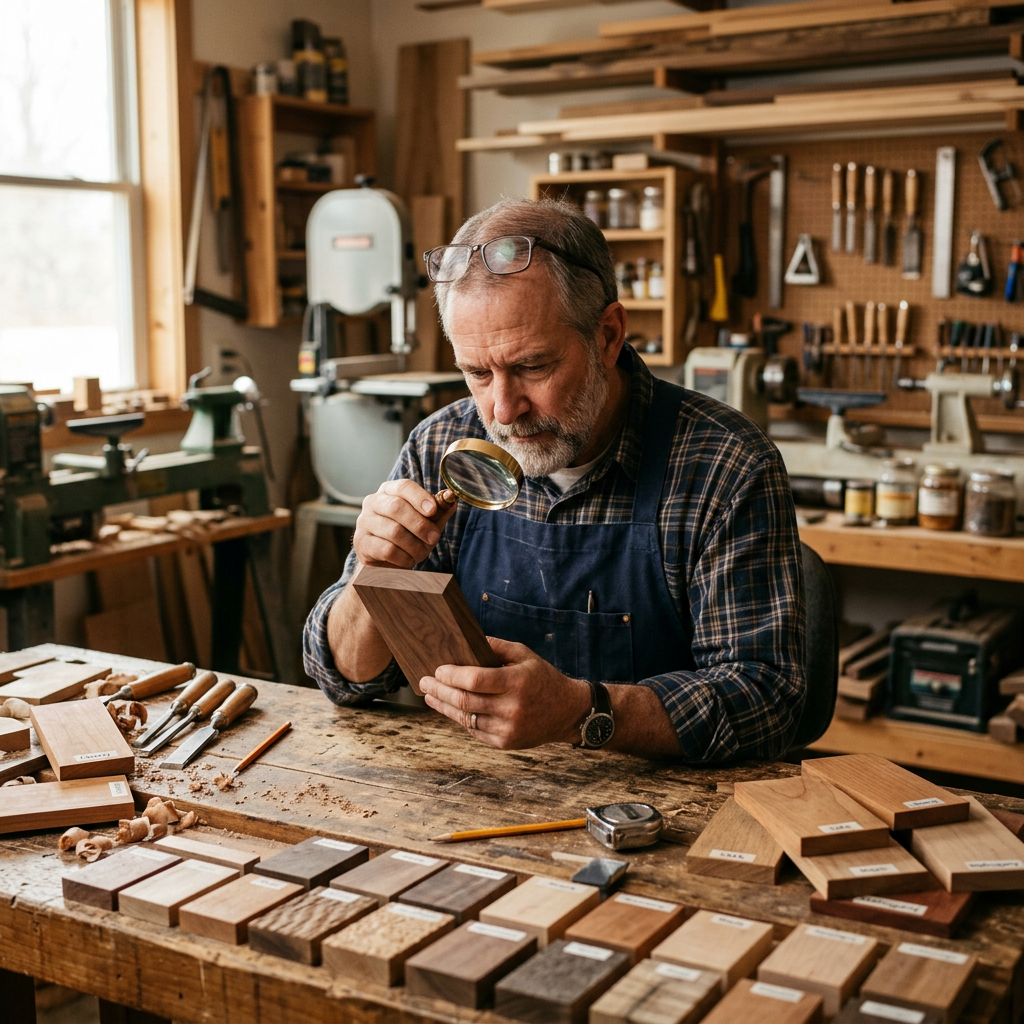
- •10x hand lens — Essential for end-grain examination
- •Sharp knife — For preparing clean end-grain surfaces
- •UV blacklight — Fluorescence can distinguish otherwise identical species
- •Reference samples — Nothing beats comparing to known specimens
- •Our species database — Filter and compare properties to narrow candidates
The Bottom Line
Wood identification is a skill that improves with experience but never becomes certain. Embrace the ambiguity, use multiple lines of evidence, and don't be afraid to say "I'm not sure." That's honest — and it's often what the experts would say too.