Library Guides
A–Z Article Index
Every wood guide, species comparison, and woodworking reference in one place — 48 articles across 12 categories.
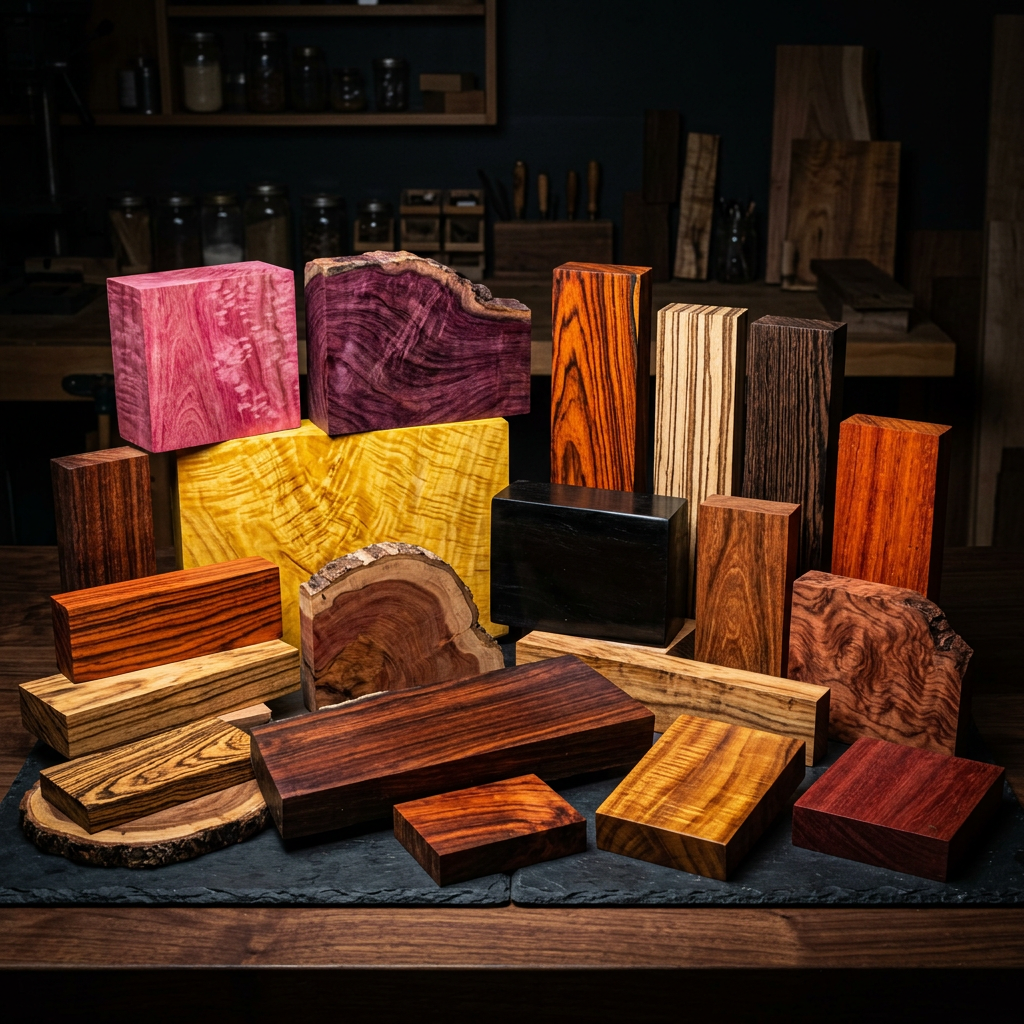
10 Amazing Wood Species You've Probably Never Heard Of
Discover remarkable wood species from around the world that deserve more attention
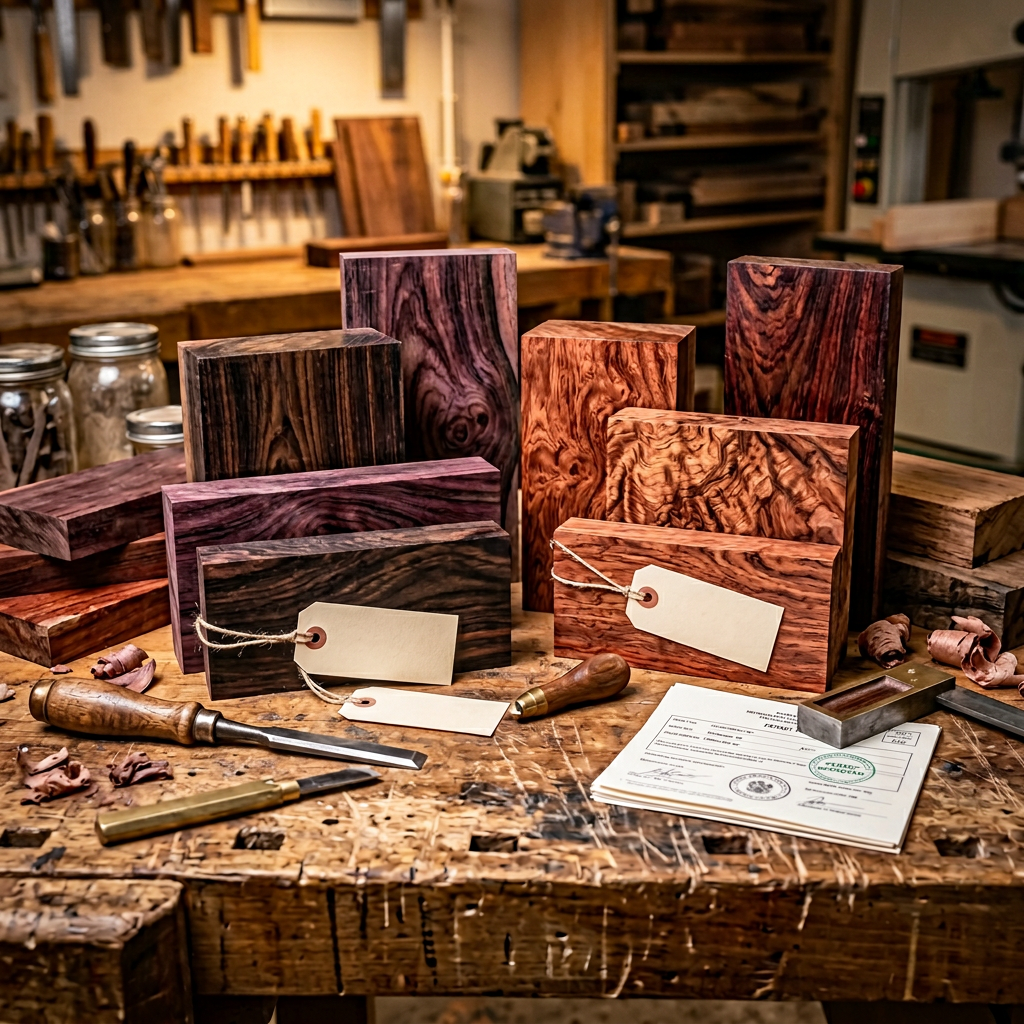
Are Rosewoods and Bubinga Banned? Understanding CITES Wood Regulations
A comprehensive guide to CITES Appendix I, II, and III listings and what they mean for woodworkers
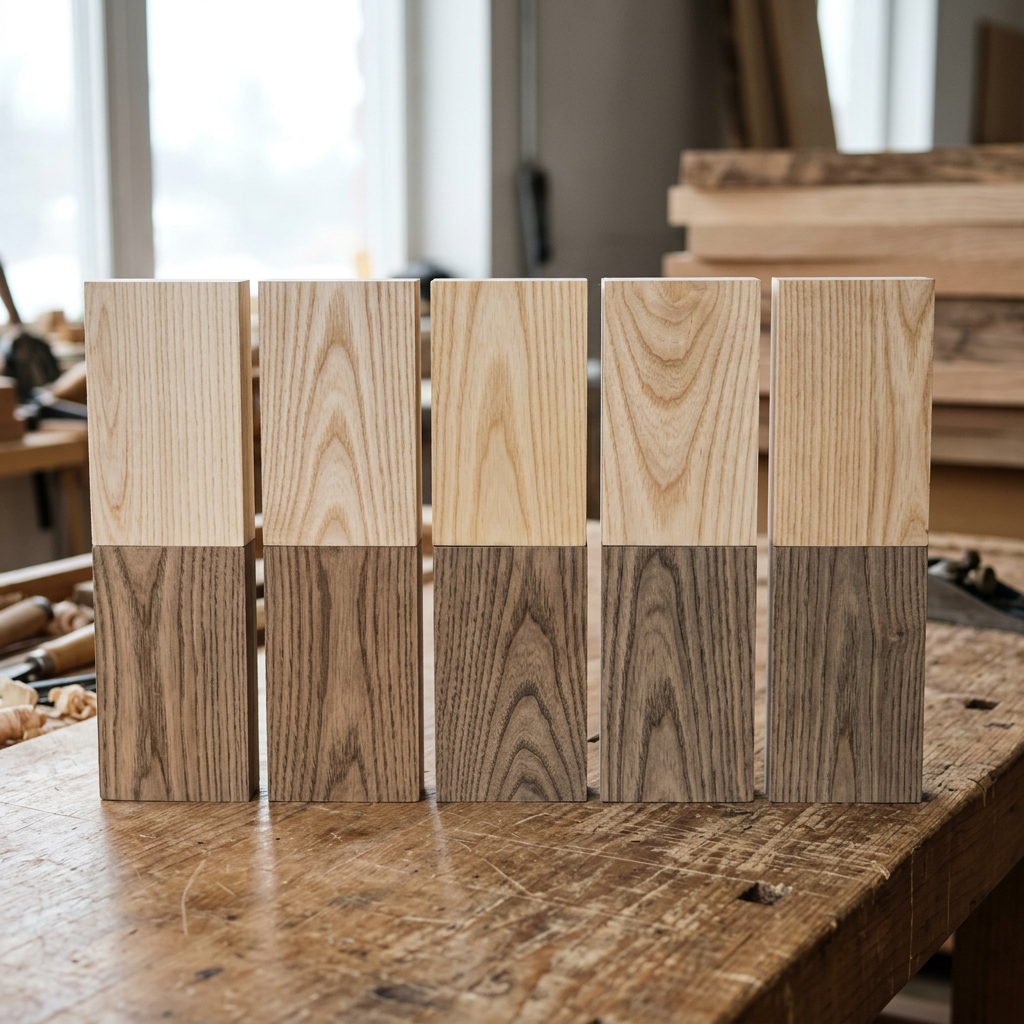
Ash Wood Guide: Differences Between Black Ash, White Ash, and More
Understanding the different Ash species, their properties, and the impact of Emerald Ash Borer
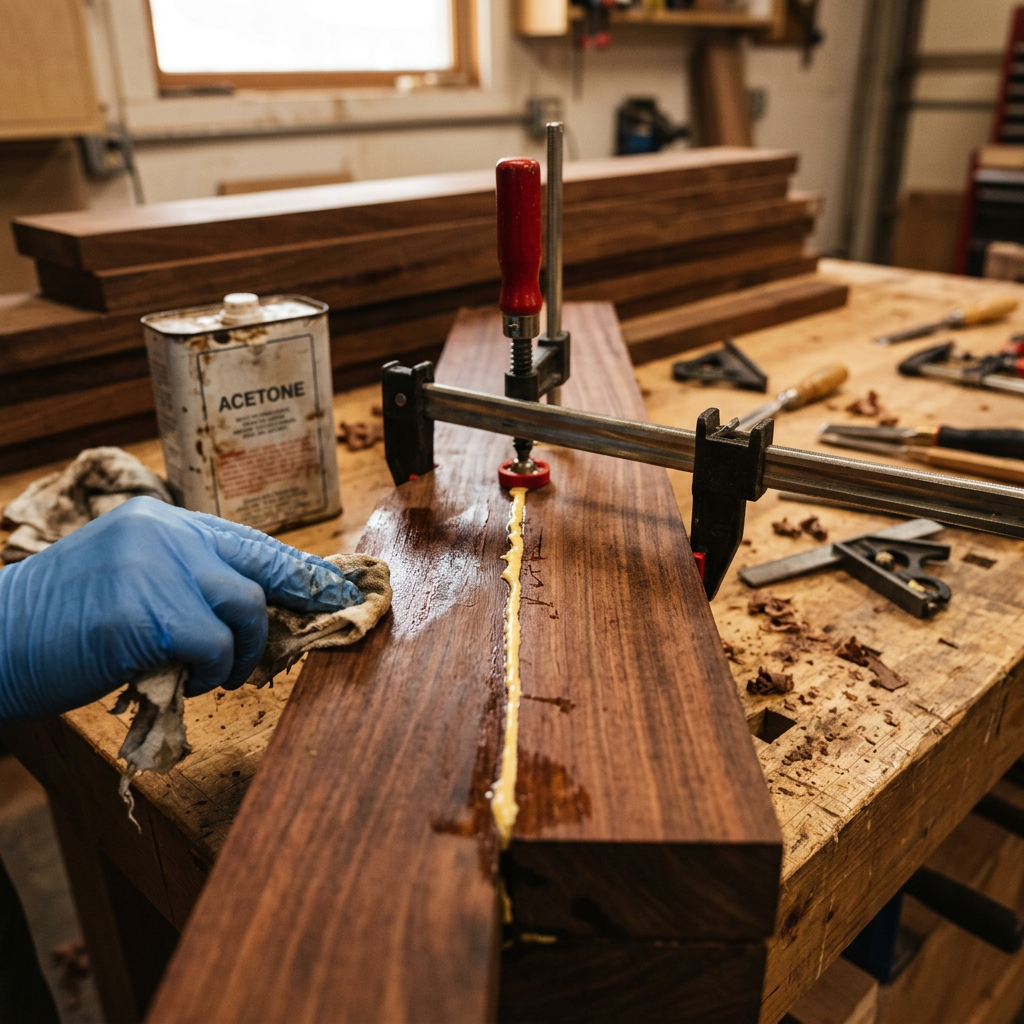
Best Gluing Techniques for Oily Tropical Hardwoods
How to achieve reliable glue joints on woods that resist adhesive bonding
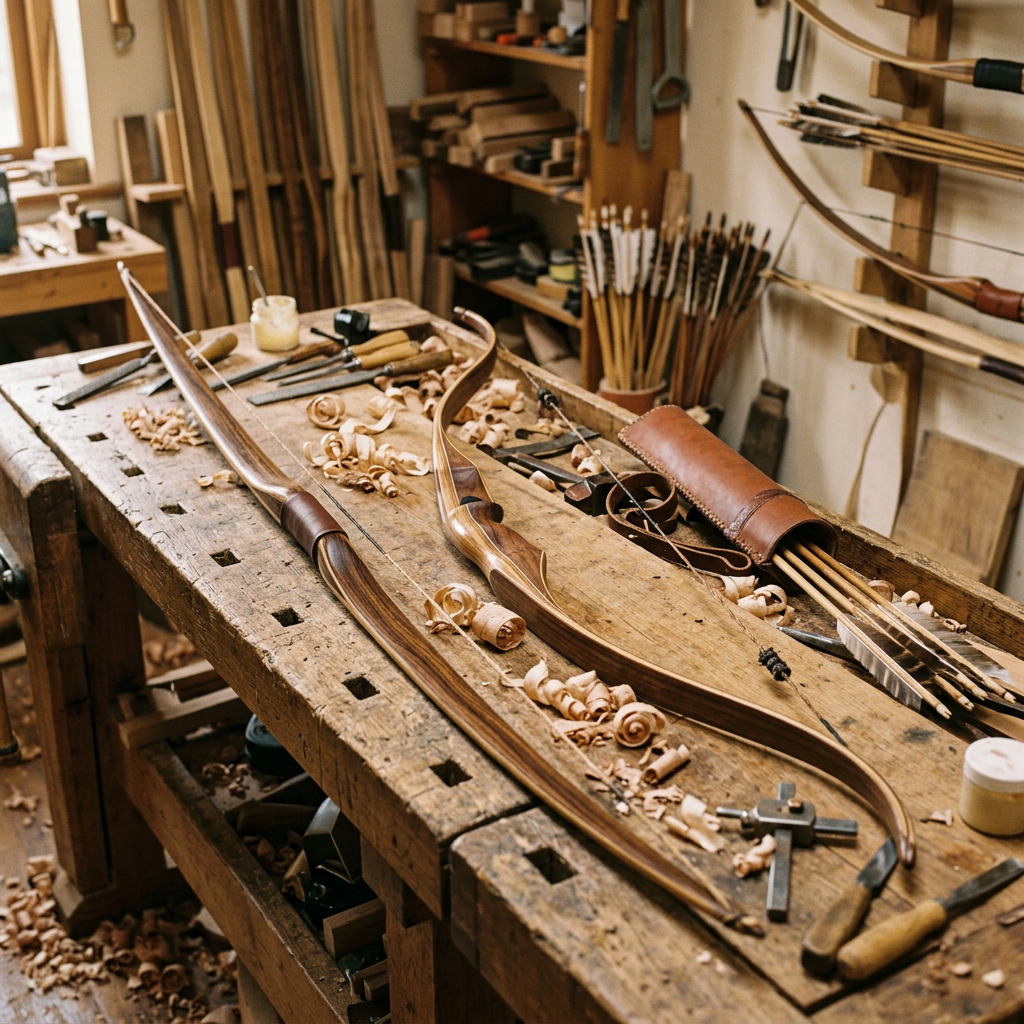
Best Wood for Bows: Choose a Suitable Stave
Compare bow-wood candidates, understand what stiffness and strength cannot prove, and know what to ask before buying a stave.
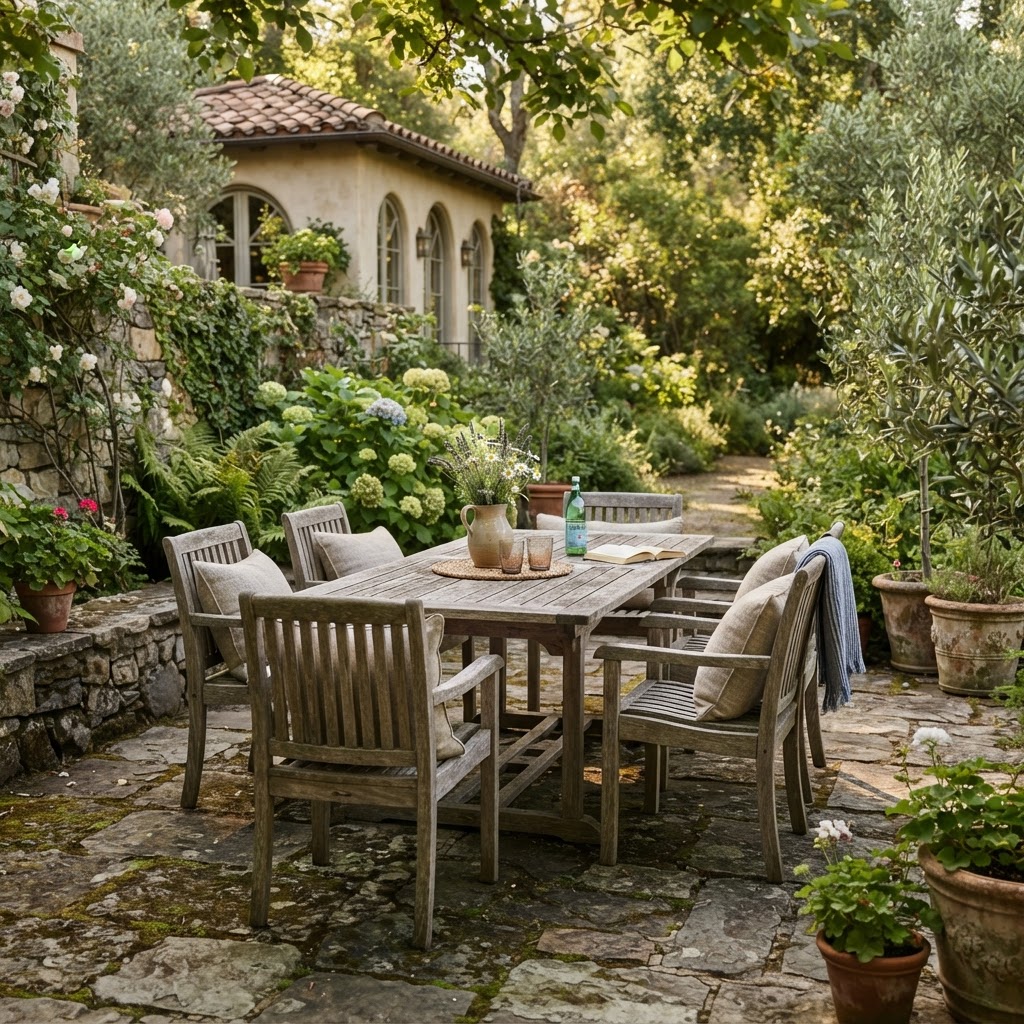
Best Wood for Outdoor Furniture: Compare Before You Buy
Match the lumber to exposure, heartwood content, weight, and maintenance, not a promised lifespan.
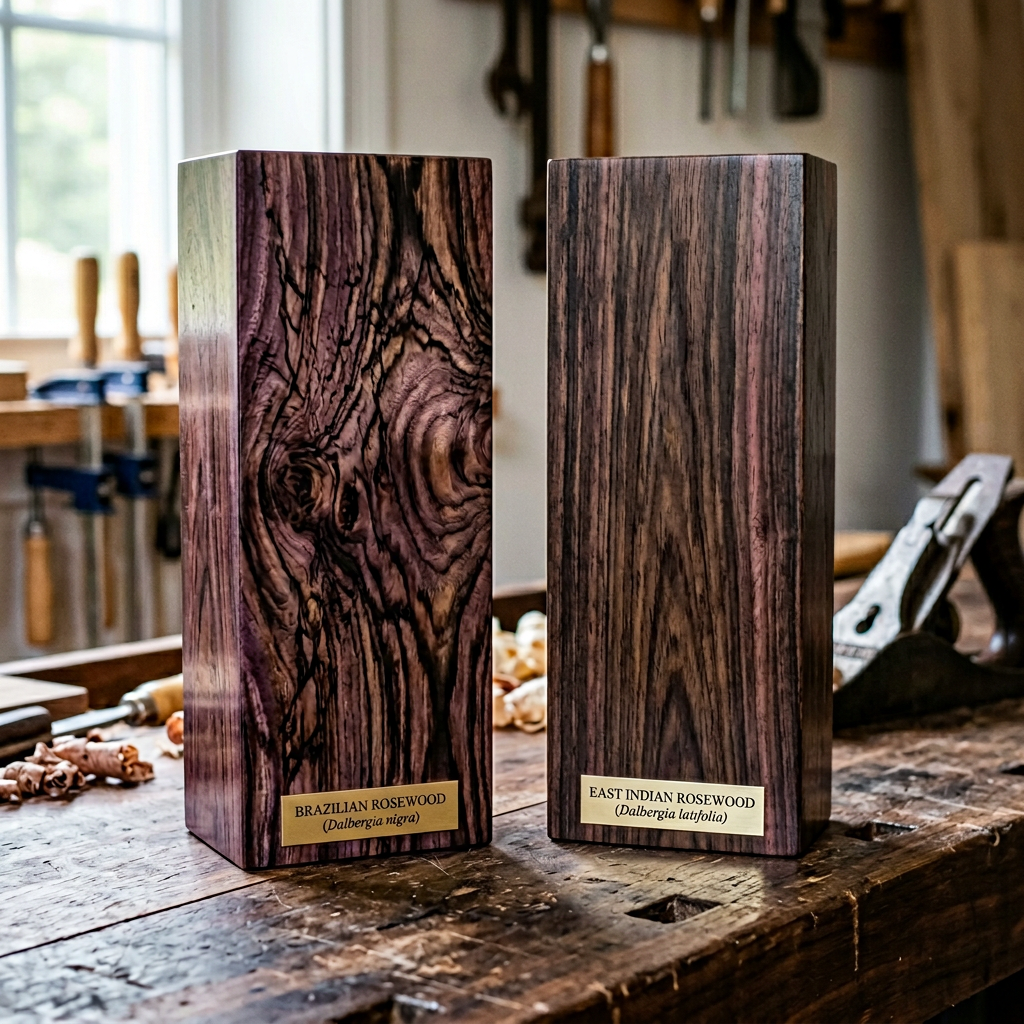
Brazilian Rosewood vs East Indian Rosewood: Identification Guide
How to distinguish between the world's most famous rosewood species
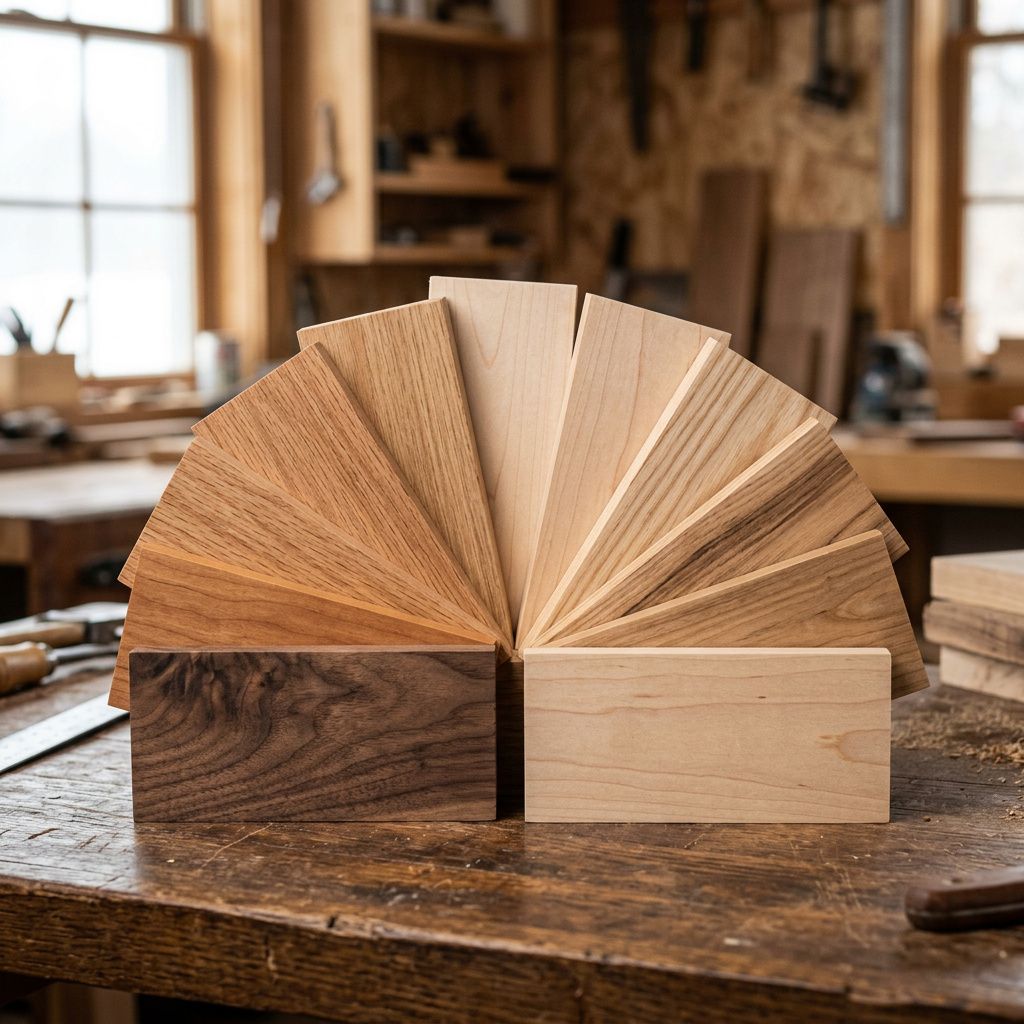
Common U.S. Hardwoods: Popular Hardwood Species in North America
A guide to the most widely available and popular hardwood species found across North America
Ebony Wood: Why the Future Looks Uncertain for This Dark Hardwood
Exploring the conservation challenges, trade restrictions, and sustainable alternatives for ebony species
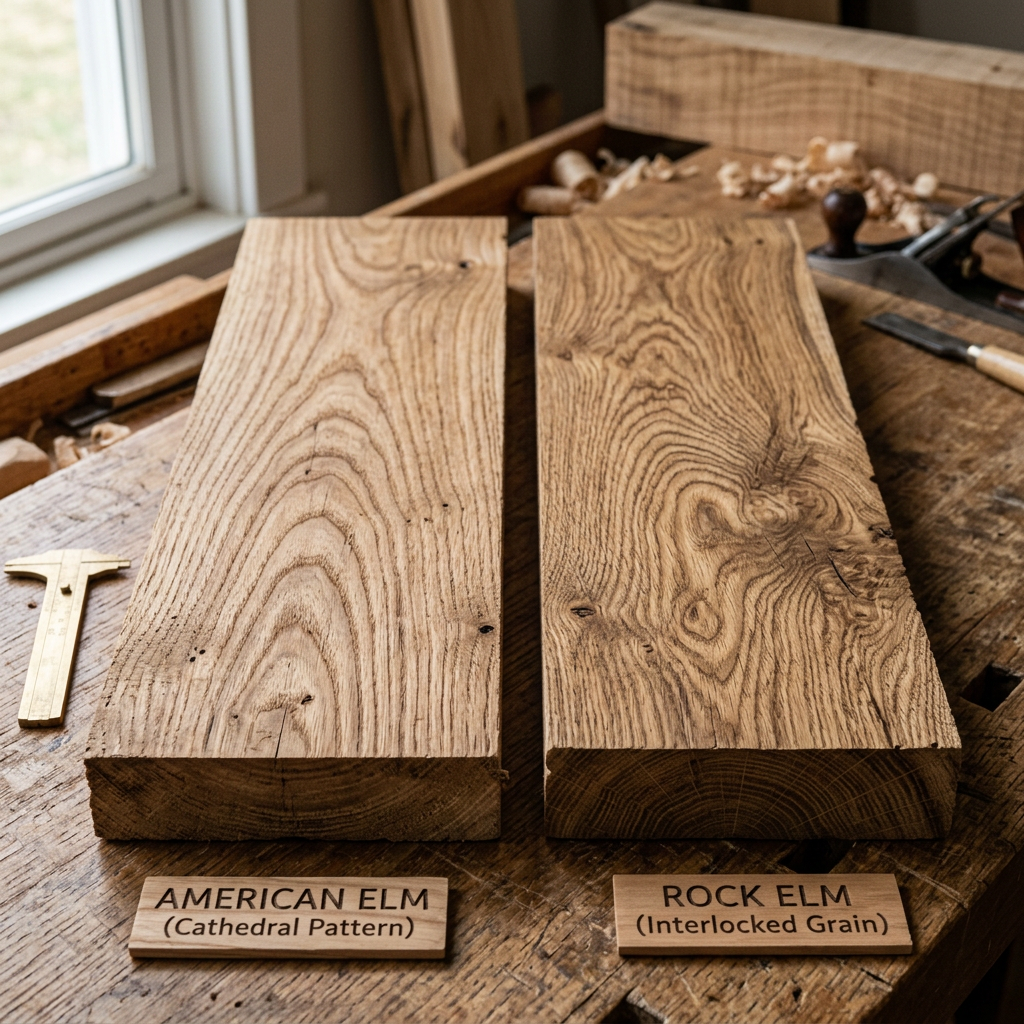
Elm Wood Guide: Differences Between Hard Elm and Soft Elm
Understanding the properties and identification of American, Slippery, and Rock Elm
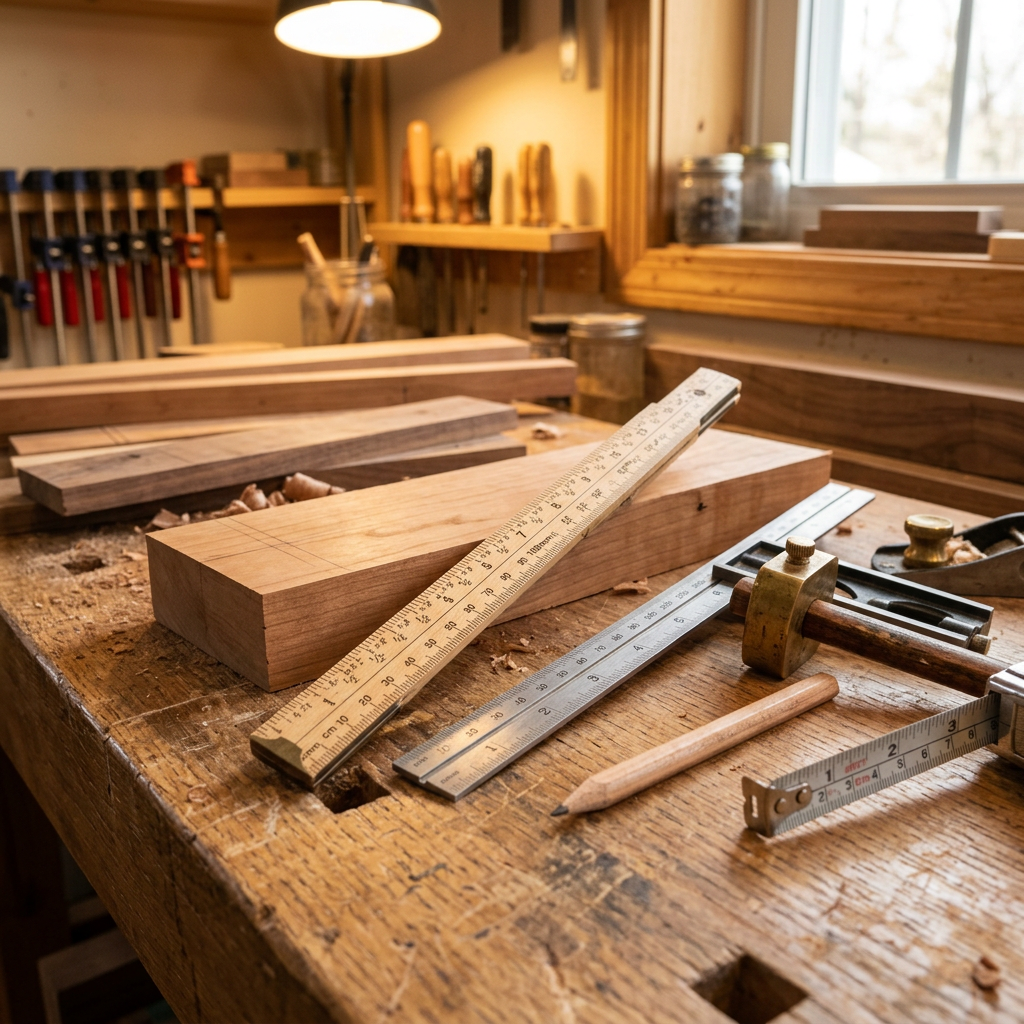
Fraction to Metric Conversion Chart for Woodworking
Quick reference for converting between fractional inches, decimal inches, and millimeters
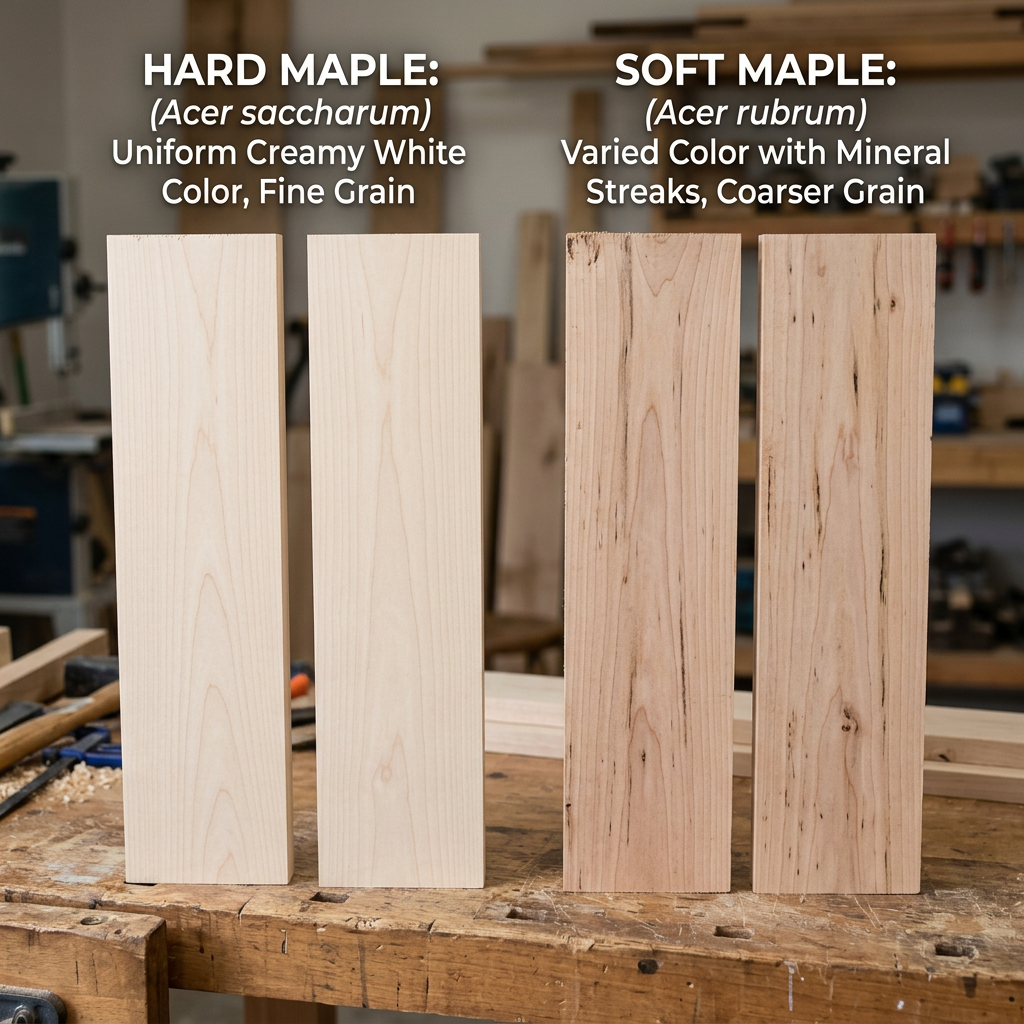
Hard Maple vs Soft Maple: Key Differences Explained
Understanding the significant differences between Sugar Maple and its softer relatives
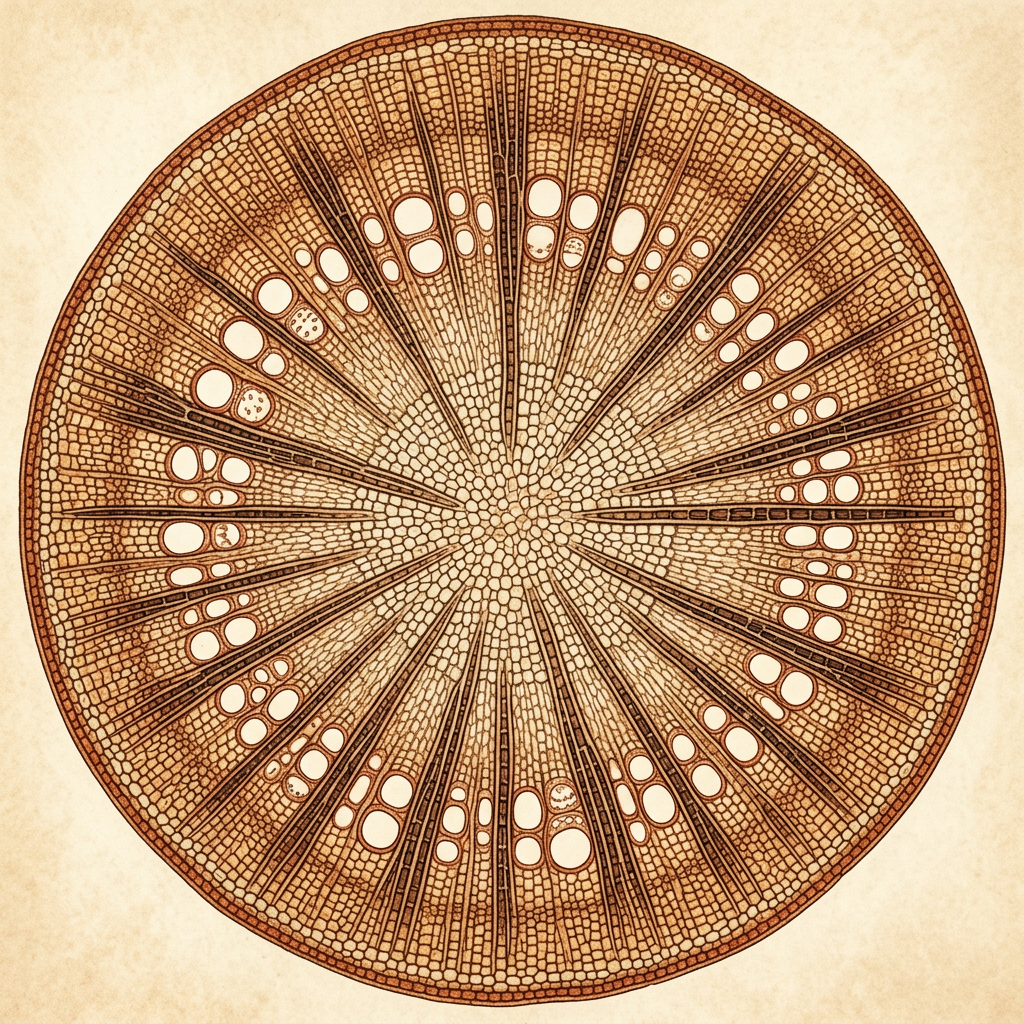
Hardwood Anatomy Explained: Structure of Hardwood Trees
Understanding vessels, rays, fibers, and the cellular structure that defines hardwood
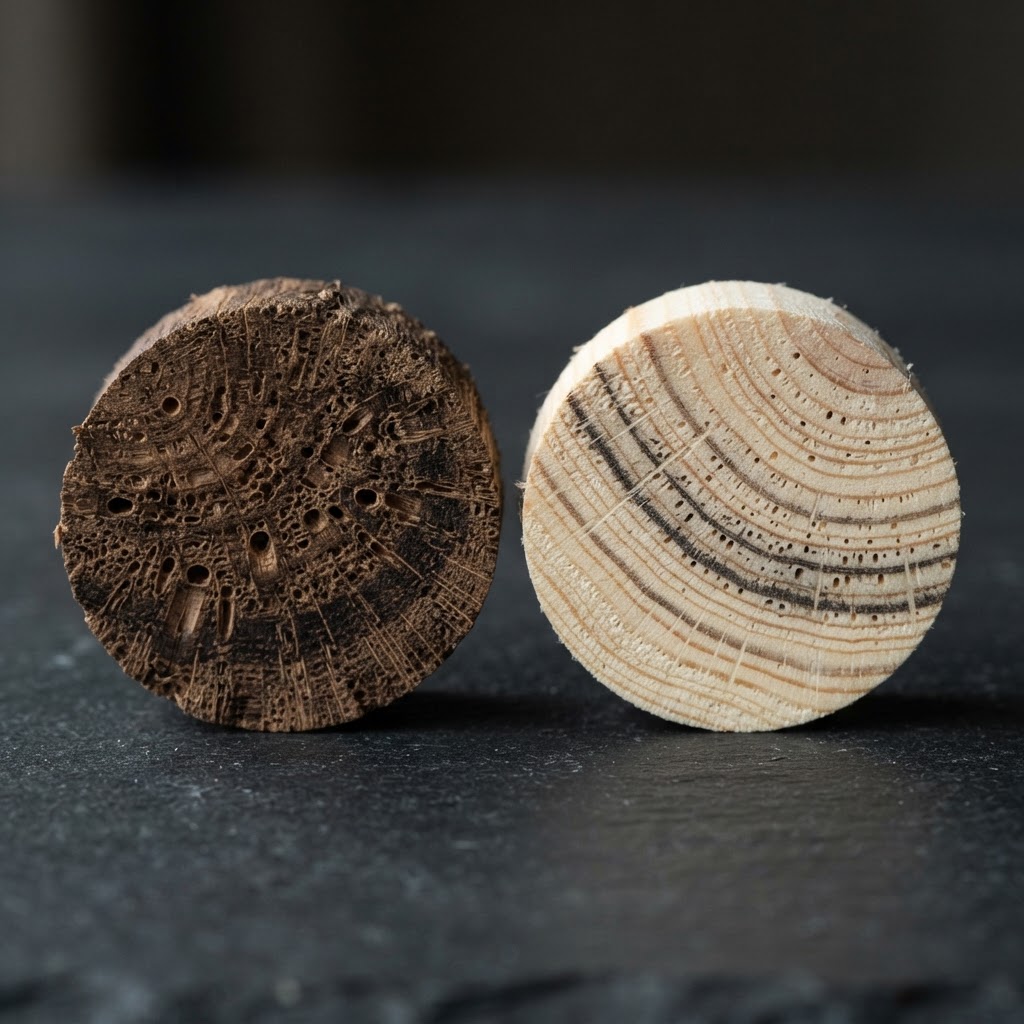
Hardwood vs. Softwood: What the Terms Actually Mean
Why Balsa is a hardwood, why Yew is a softwood, and what these classifications really tell you
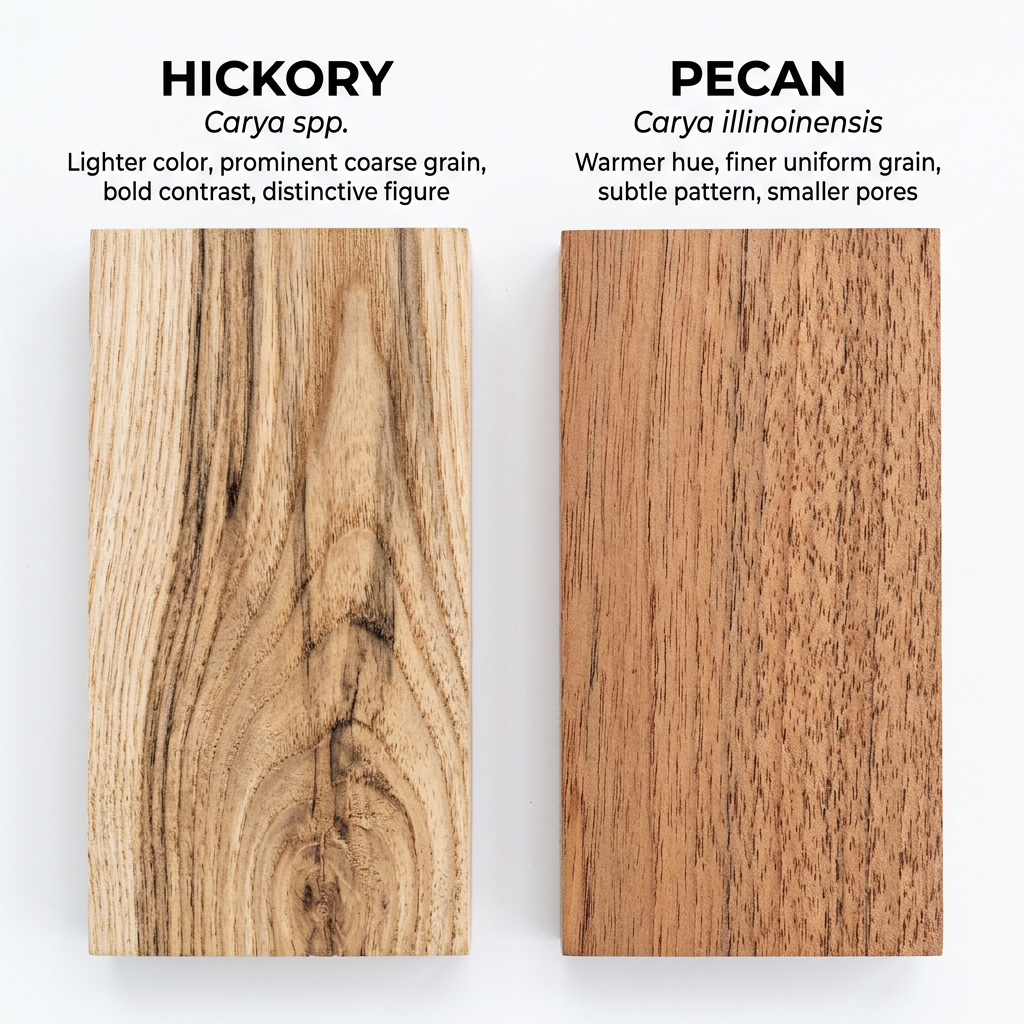
Hickory vs Pecan: Identifying True Hickory Species
Understanding the differences between true hickories and pecan hickories
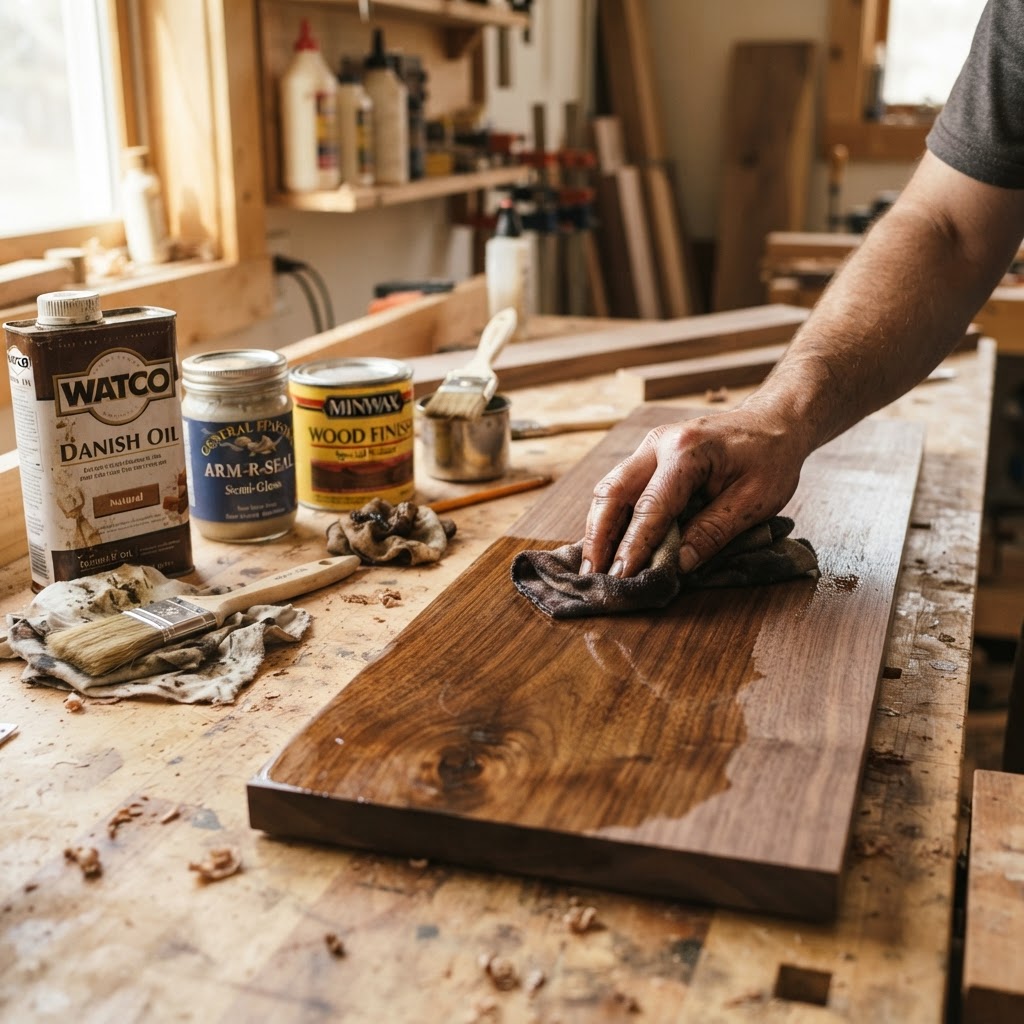
How to Choose the Right Wood Finish for Your Project
Oil vs. polyurethane vs. lacquer vs. shellac — a decision guide for every project type
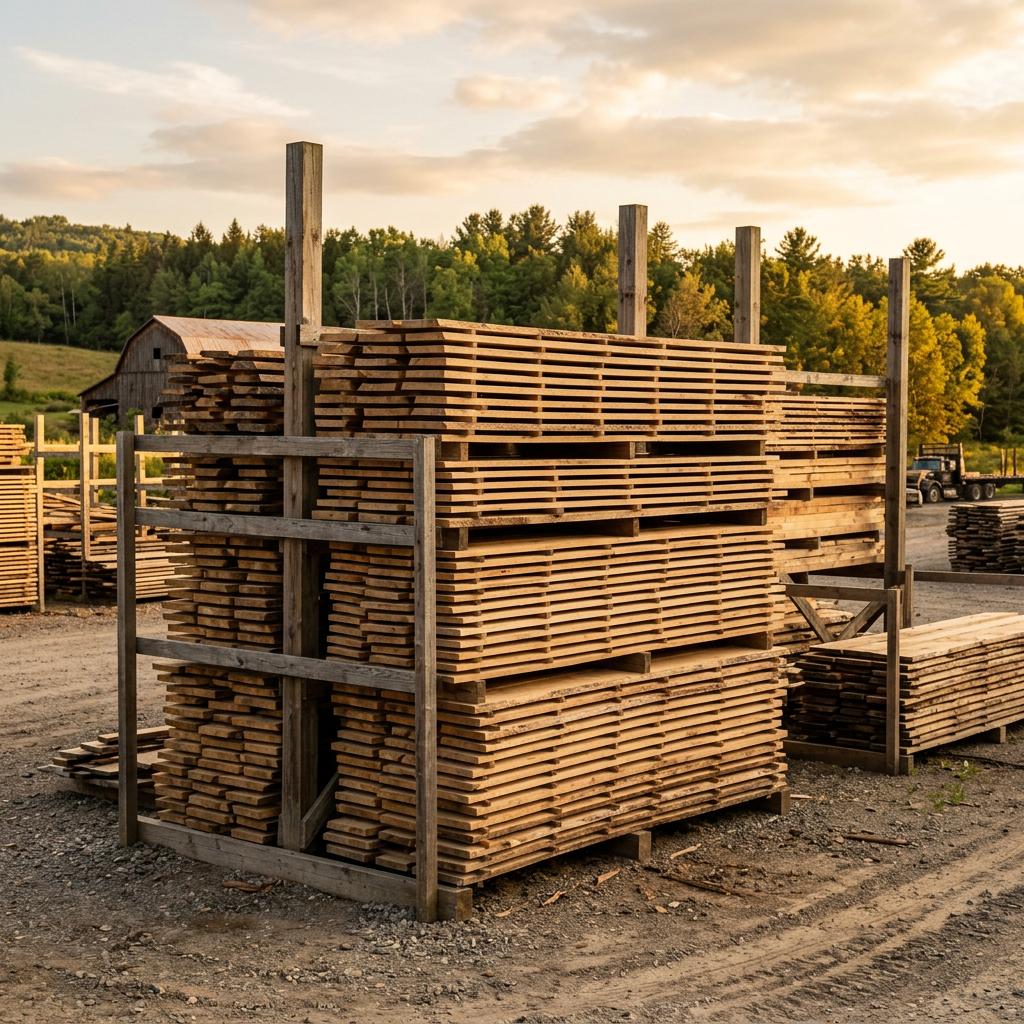
How to Dry Wood at Home: DIY Wood Drying Guide
Practical methods for air-drying and kiln-drying lumber at home
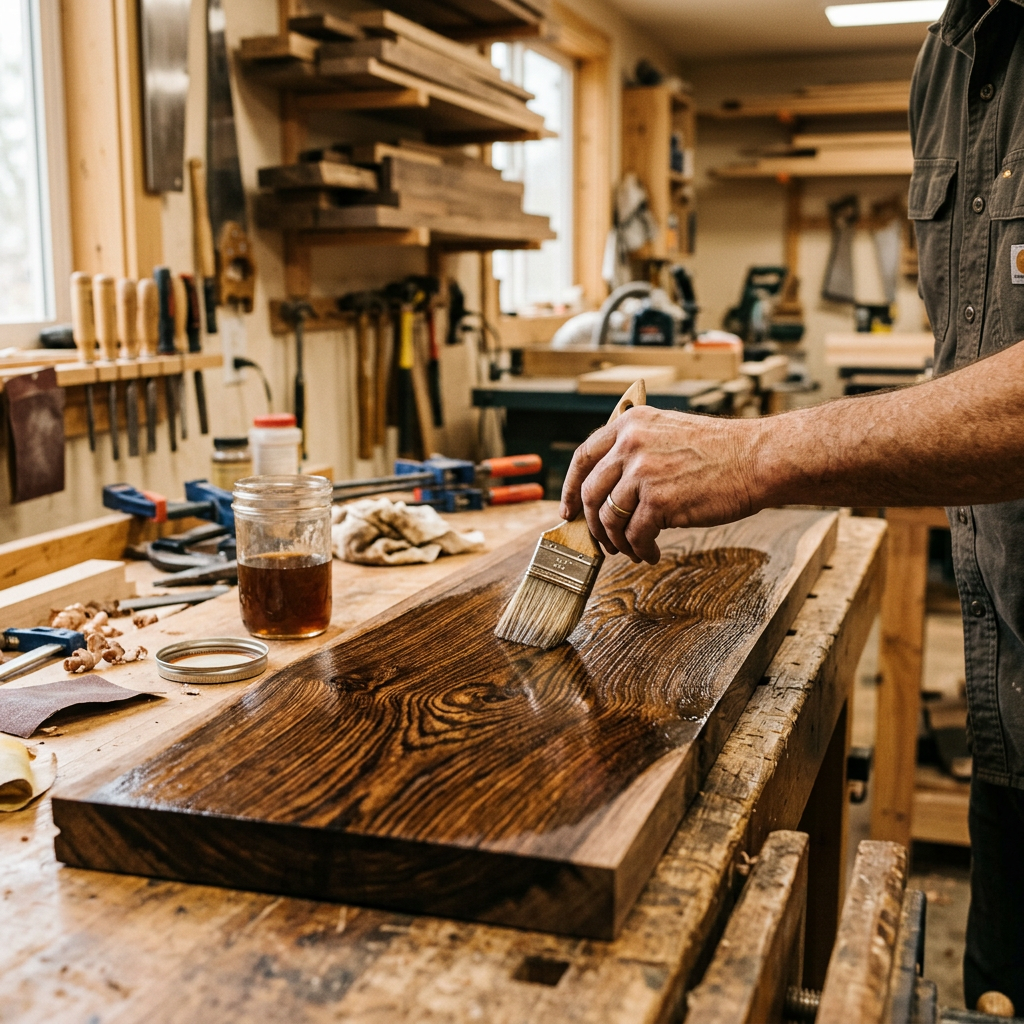
How to Finish Exotic and Tropical Hardwoods
Special techniques for finishing dense, oily, and difficult-to-finish tropical species
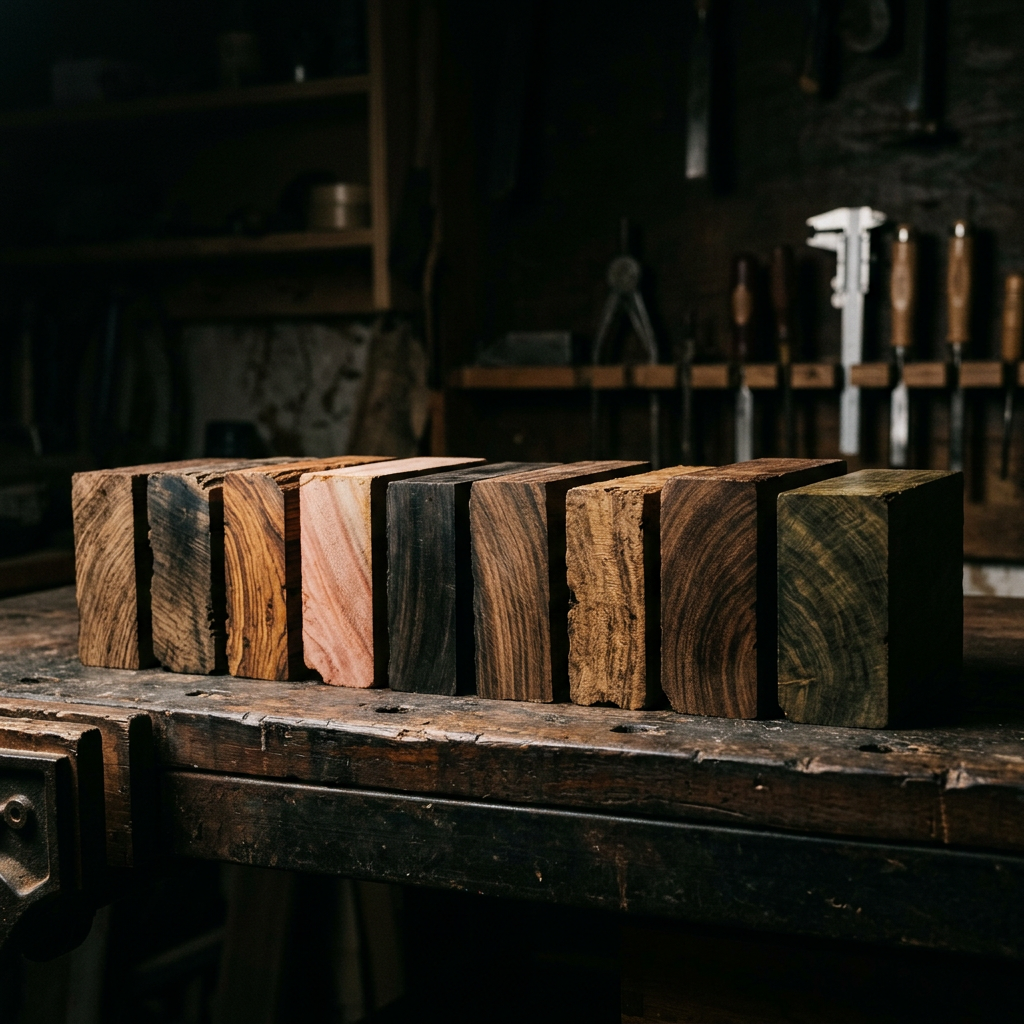
How to Identify Genuine Lignum Vitae vs Argentine Lignum Vitae
Distinguishing true Lignum Vitae from its South American lookalike
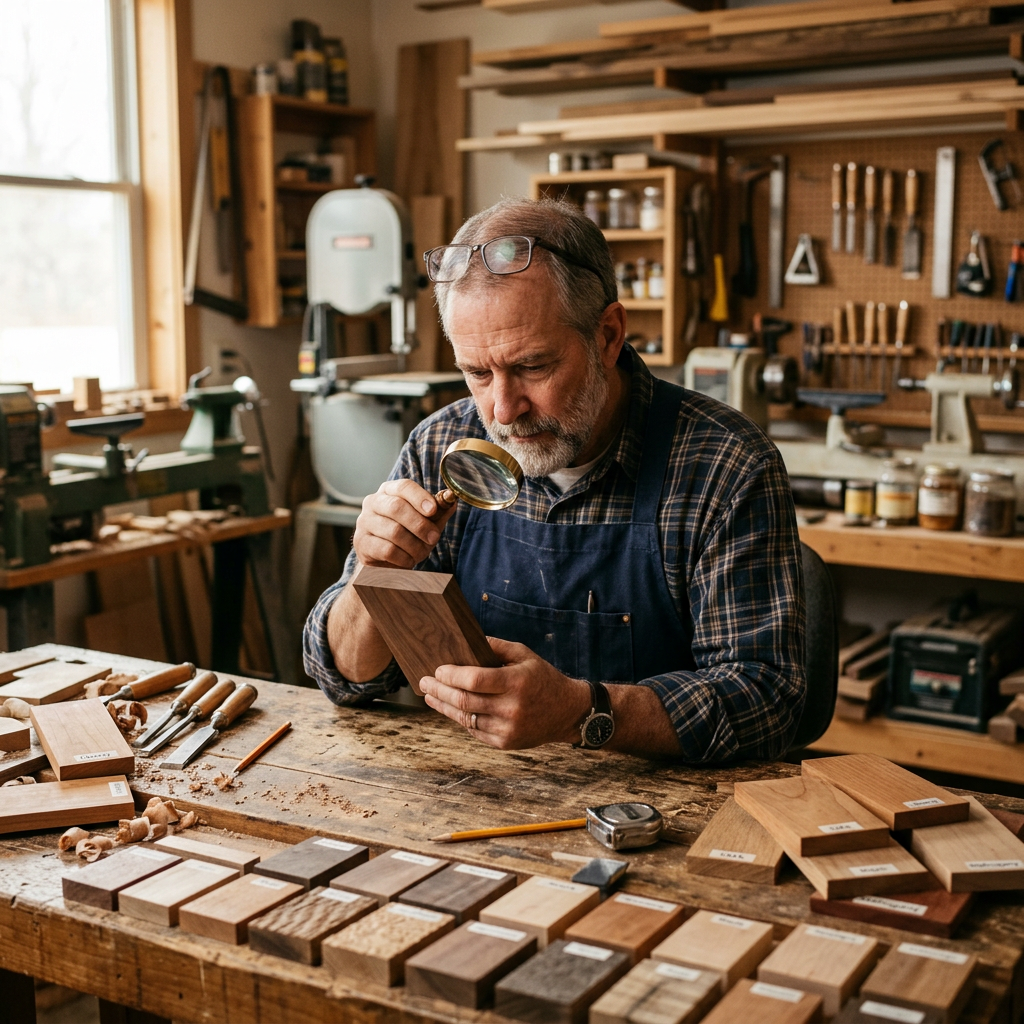
How to Identify Wood Species: A Complete Wood Identification Guide
Step-by-step methods for identifying unknown wood species using grain, color, weight, and more
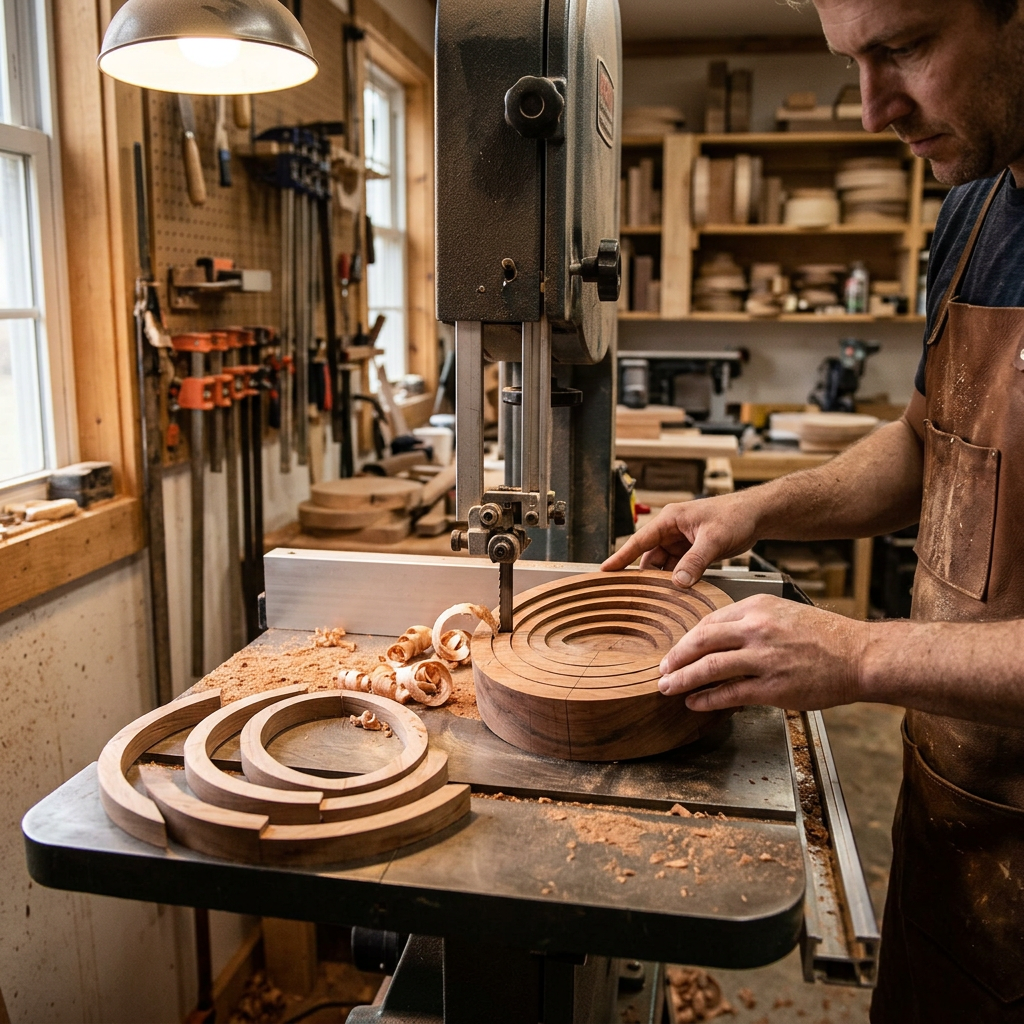
How to Make a Bandsaw Bowl from a Single Board
Step-by-step guide to creating beautiful bowls using a bandsaw and flat lumber
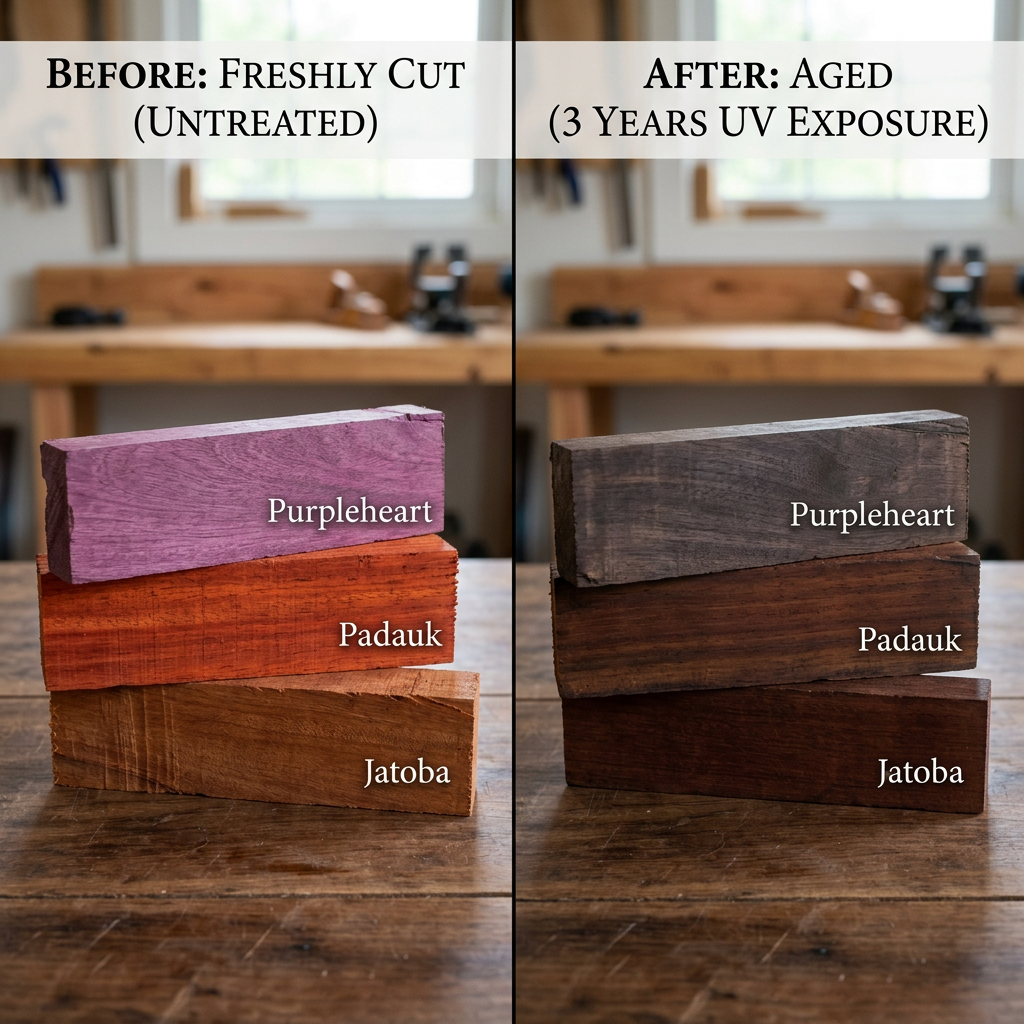
How to Prevent Color Changes in Exotic Wood
Strategies for preserving the original color of woods that darken, lighten, or fade with age
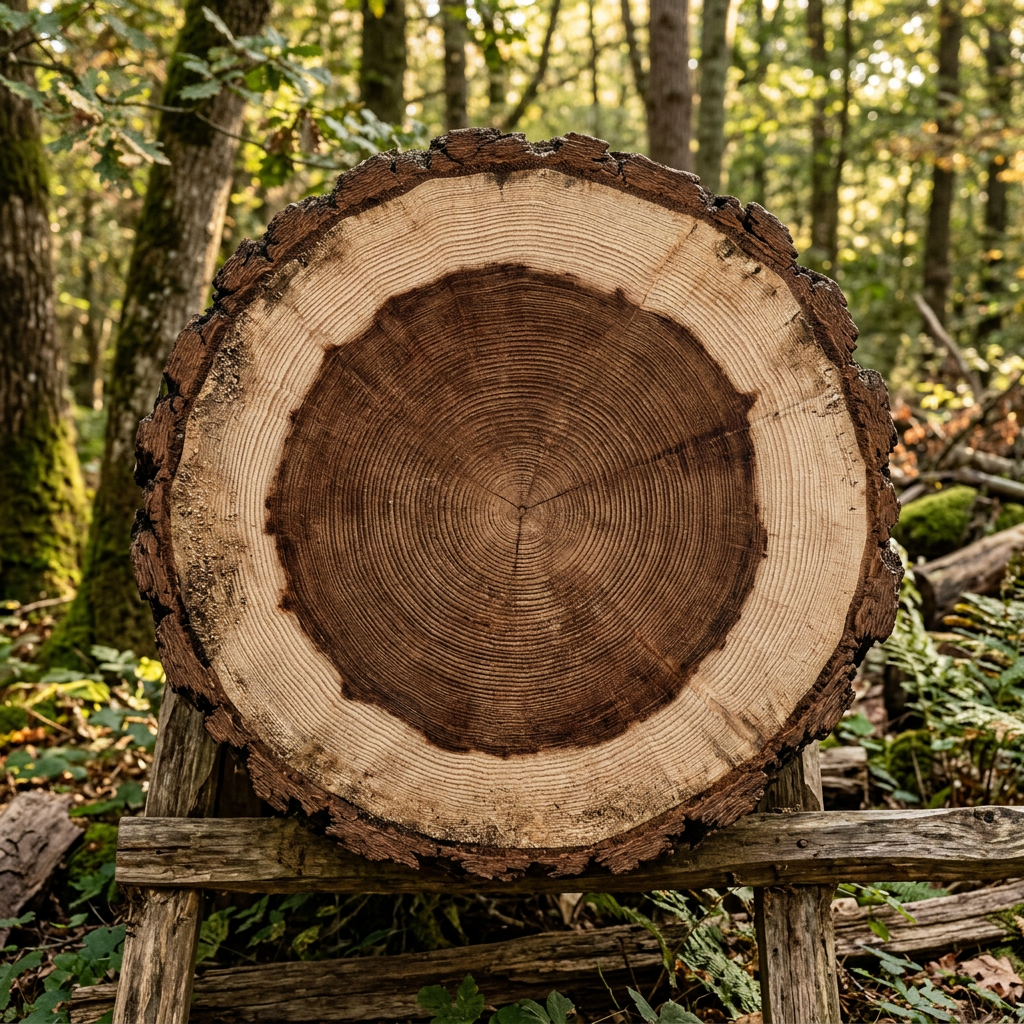
How Wood Forms in Trees: Understanding Tree Growth and Wood Structure
From cambium to heartwood — how trees create the material we love to work with
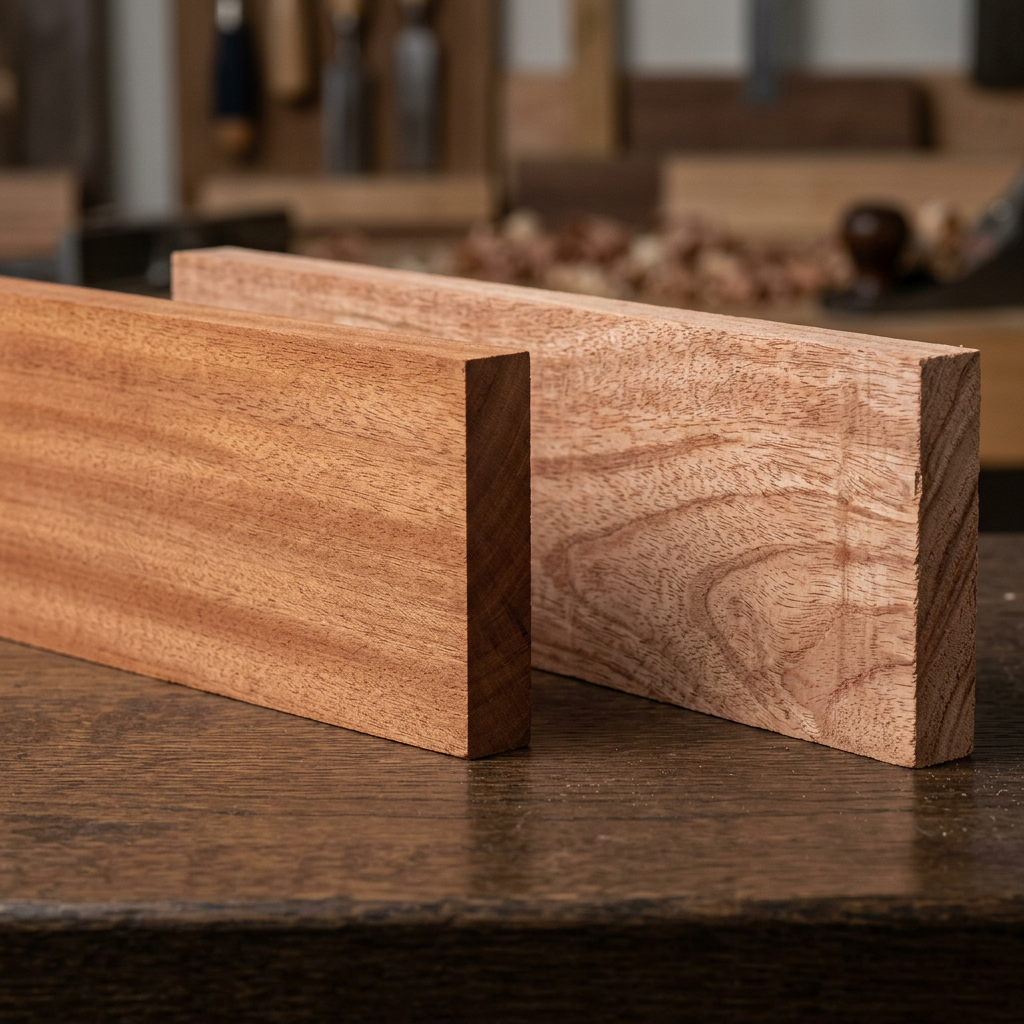
Mahogany Confusion: Identifying Genuine vs Substitute Mahogany
Sorting out the many woods sold as 'mahogany' and how to identify the real thing
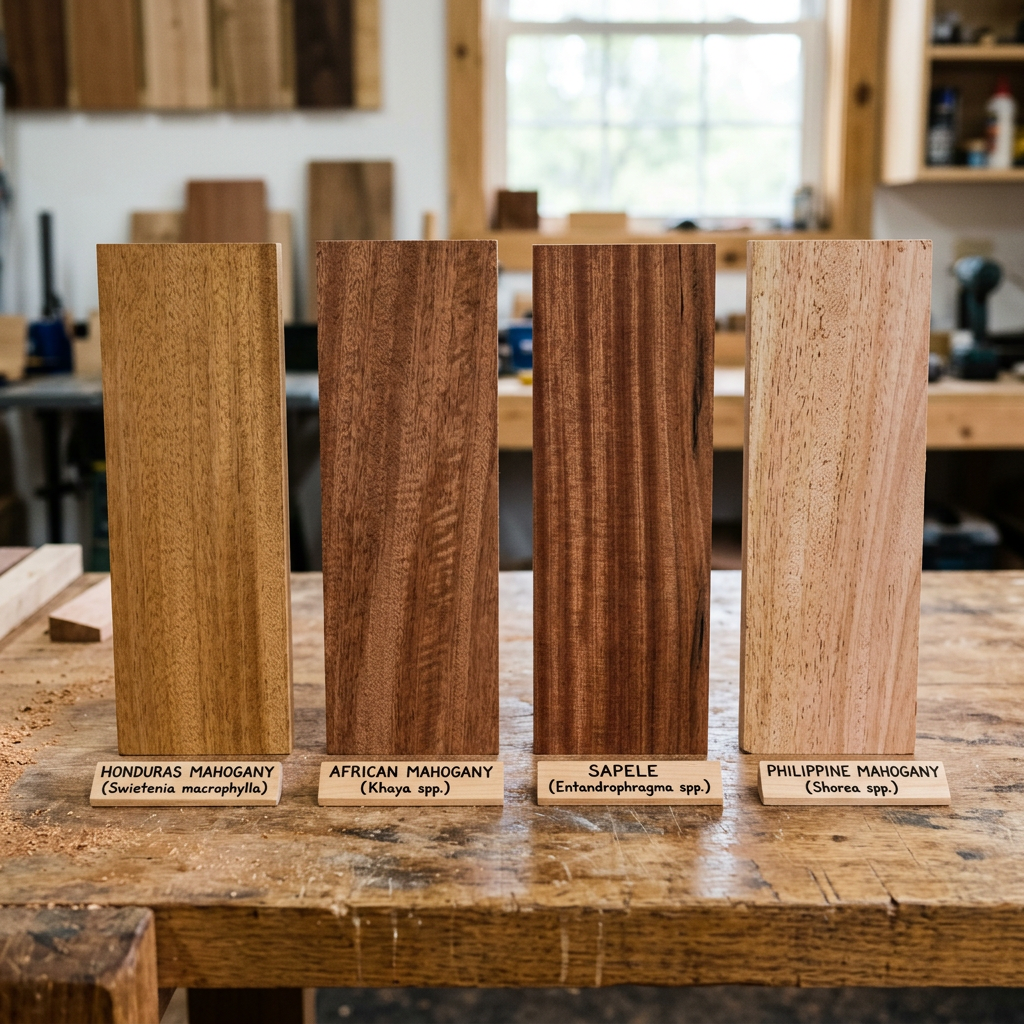
Mahogany Confusion: Identifying Genuine vs Substitute Mahogany
Sorting through the dozens of species sold as 'mahogany' worldwide
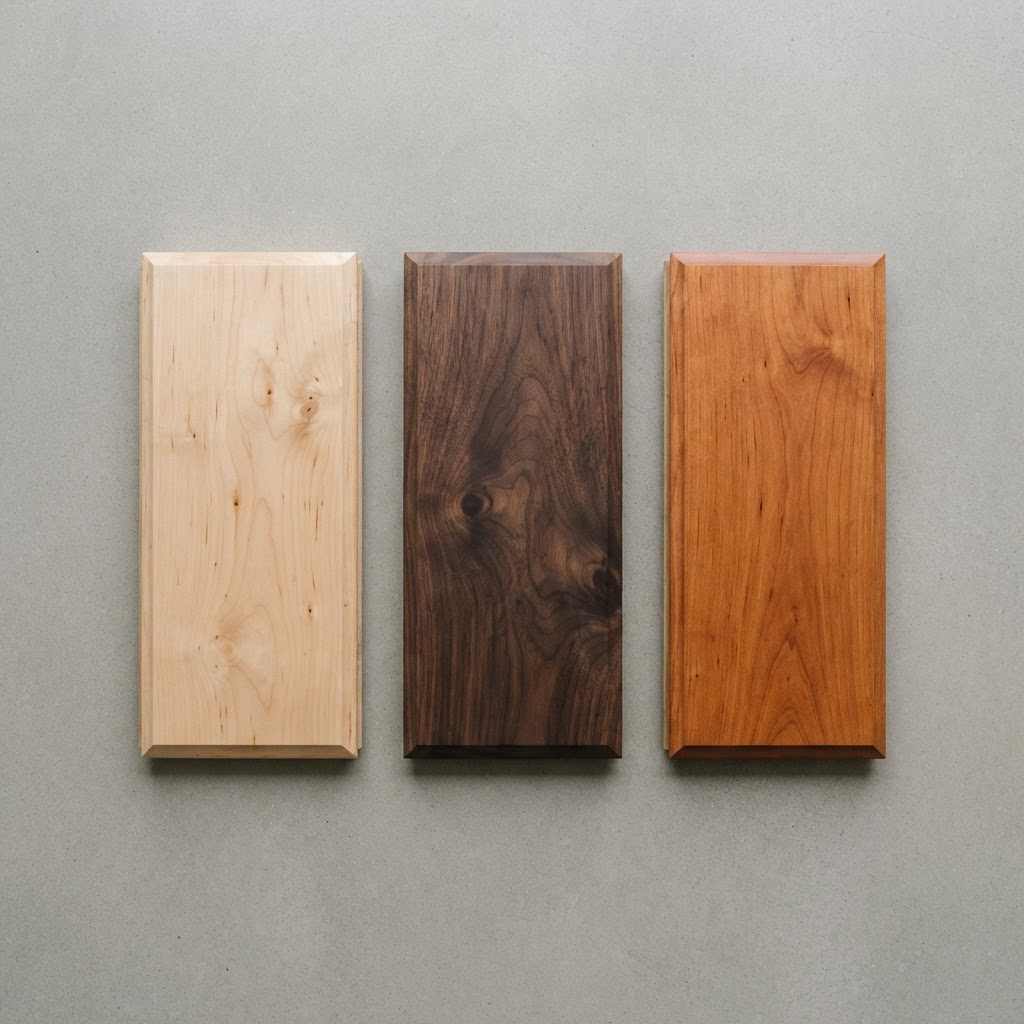
Maple vs. Walnut vs. Cherry: Which Hardwood Is Right for Your Furniture?
A side-by-side comparison of America's three most popular furniture hardwoods
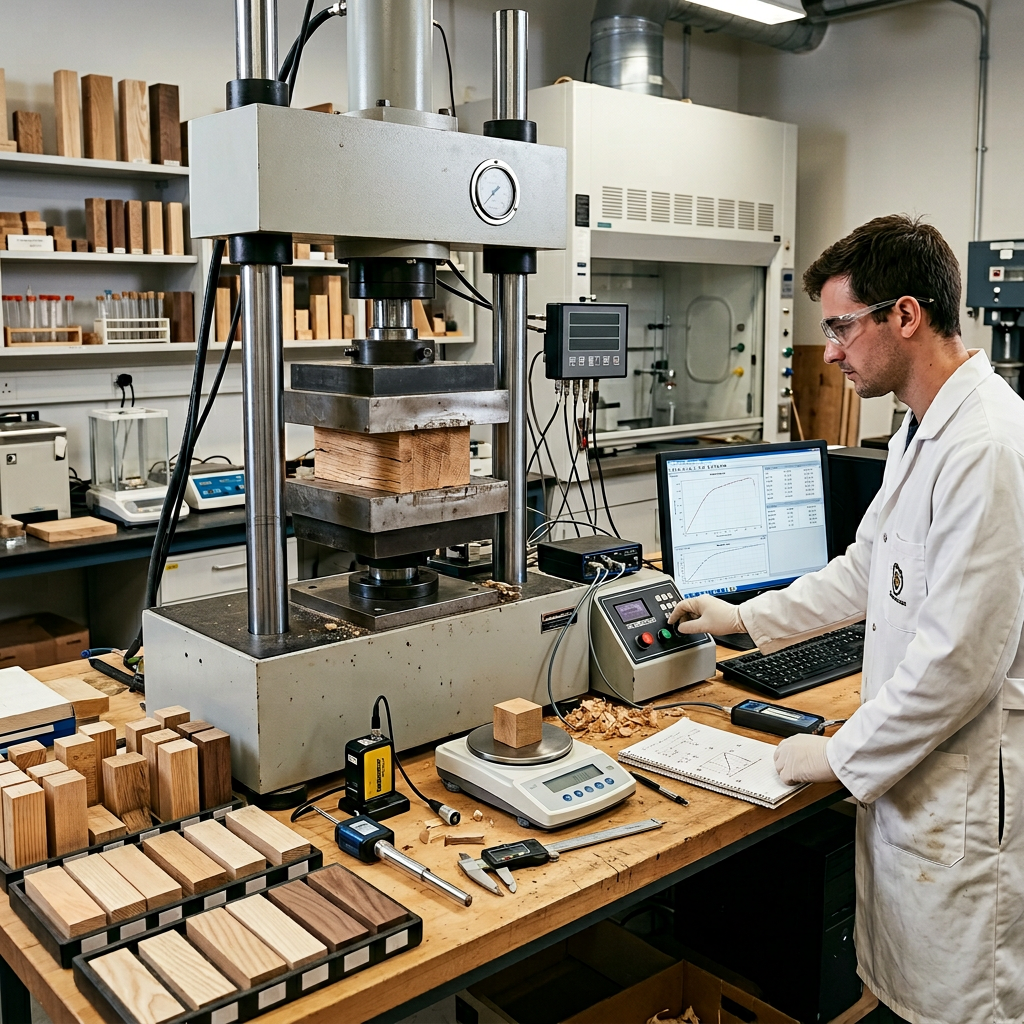
Mechanical Properties of Wood: Strength, Density, and Durability
Understanding Janka hardness, modulus of rupture, density, and what they mean for your projects
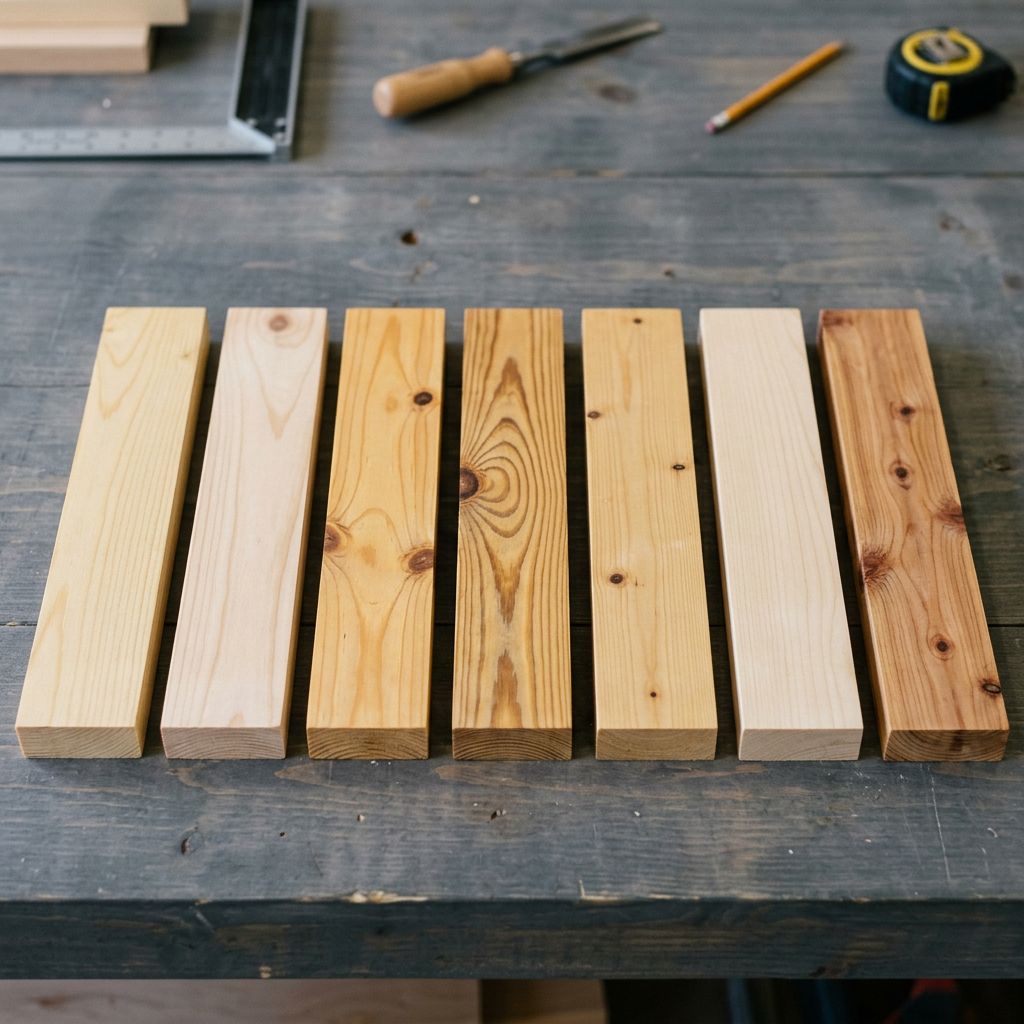
Pine Wood Guide: Types, Identification, and Uses
A comprehensive guide to the major pine species used in construction and woodworking
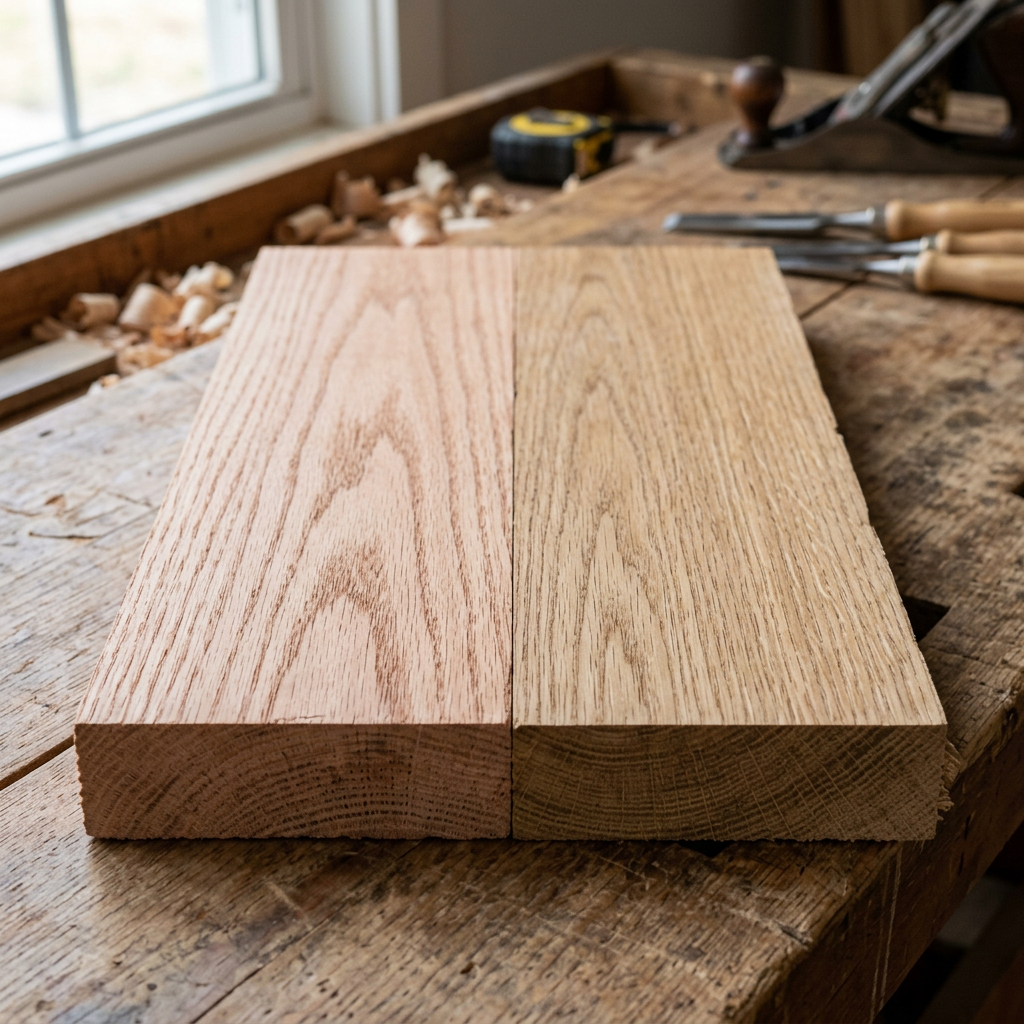
Poplar vs Cottonwood vs Aspen: How to Tell Them Apart
Sorting out three commonly confused North American species
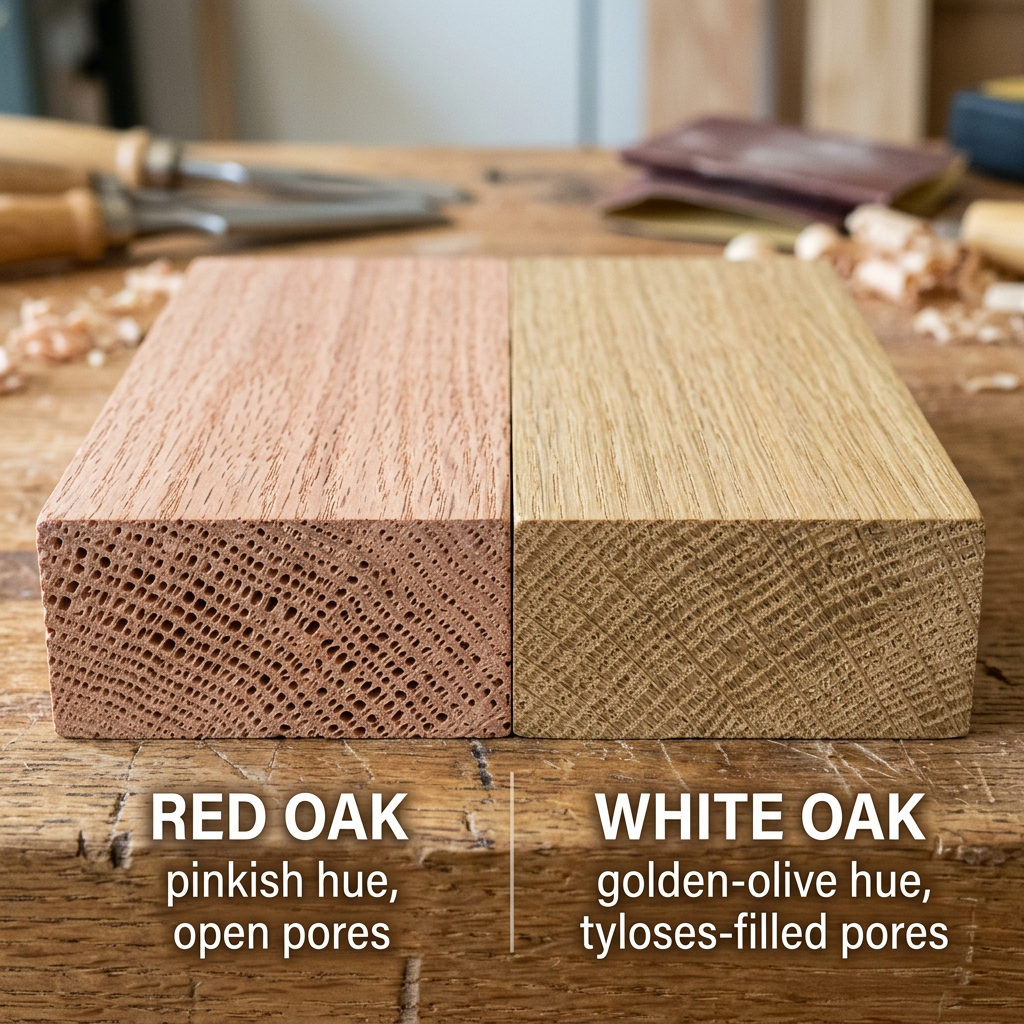
Red Oak vs White Oak: Uses, Grain & Buying Advice
Choose oak for the actual exposure and finish, then compare equivalent lumber quotes.
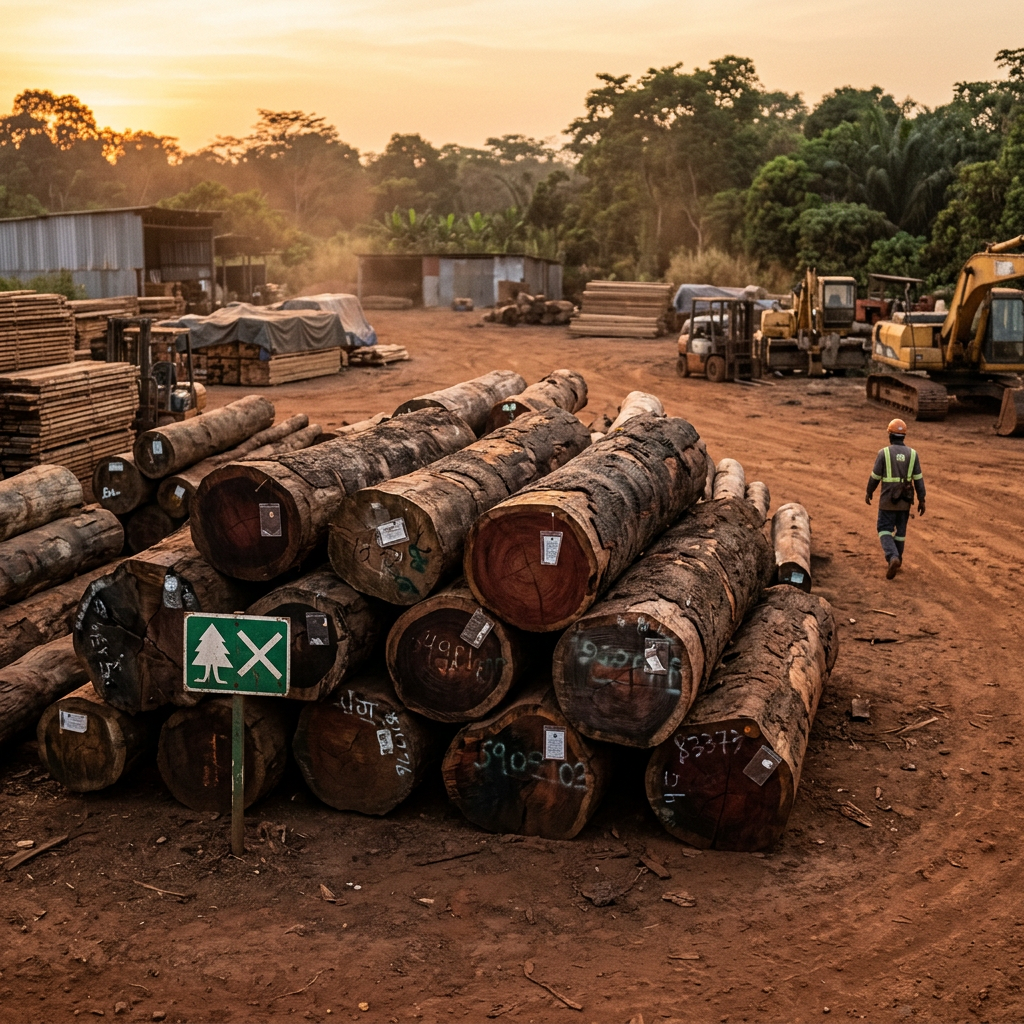
Restricted and Endangered Wood Species: Conservation and Trade Rules
A comprehensive overview of wood species facing trade restrictions and conservation challenges
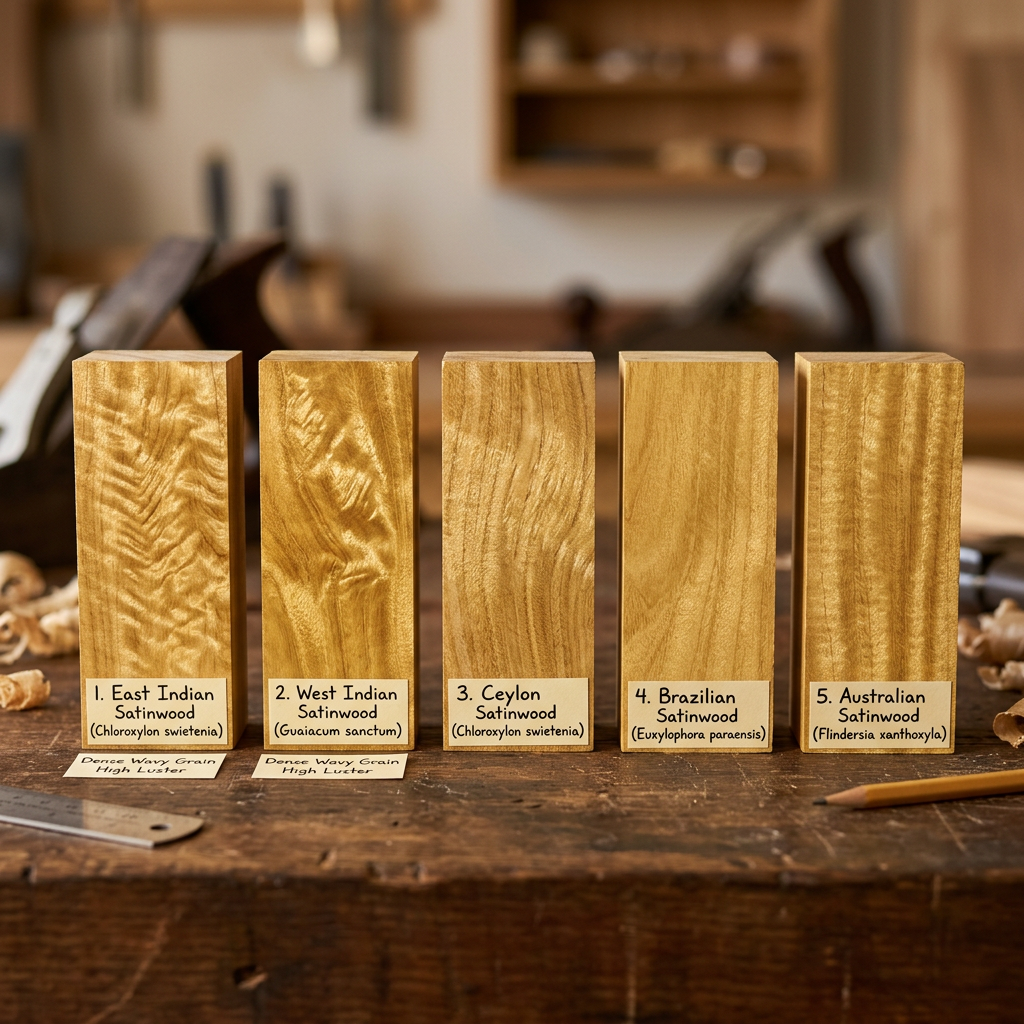
Satinwood Identification: Sorting Out True and False Satinwoods
Distinguishing between the various species marketed as satinwood
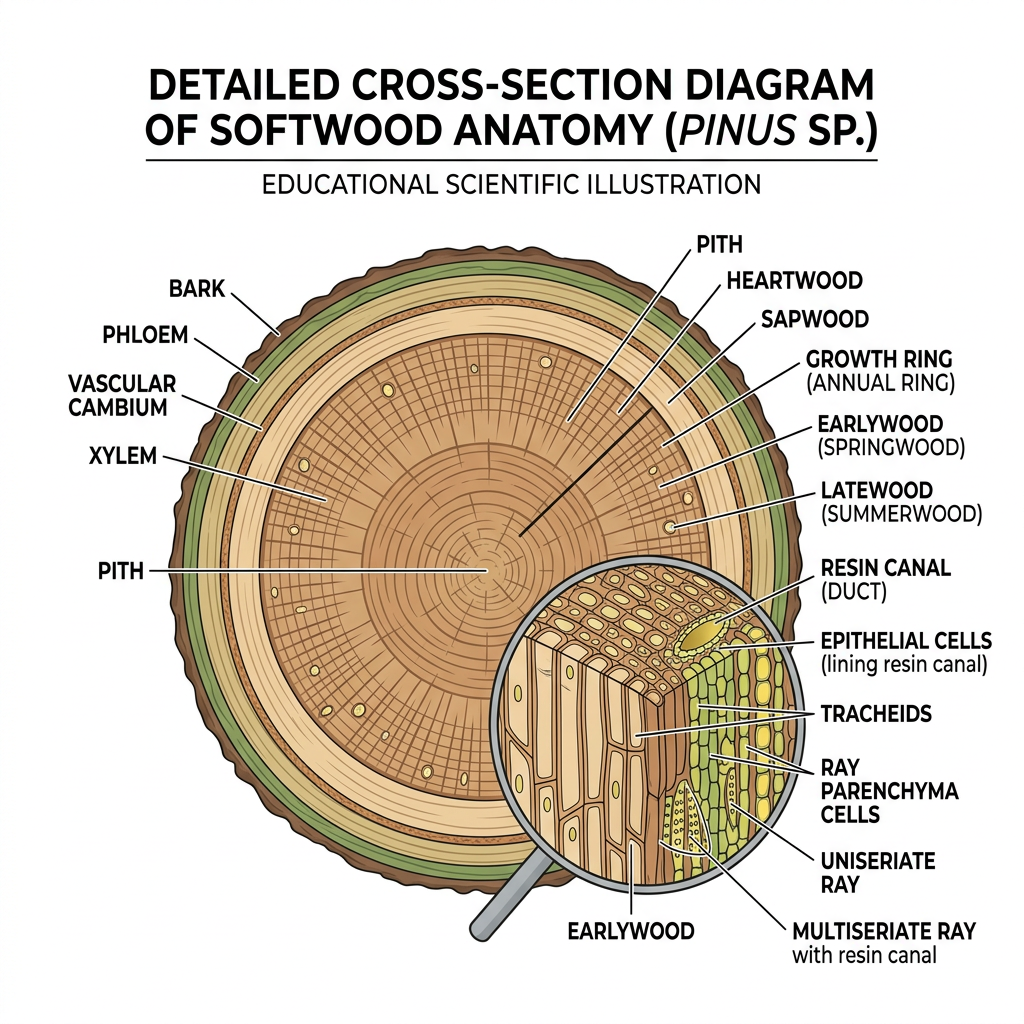
Softwood Anatomy Explained: Understanding Conifer Wood Structure
Tracheids, resin canals, and the simpler cellular architecture of coniferous trees
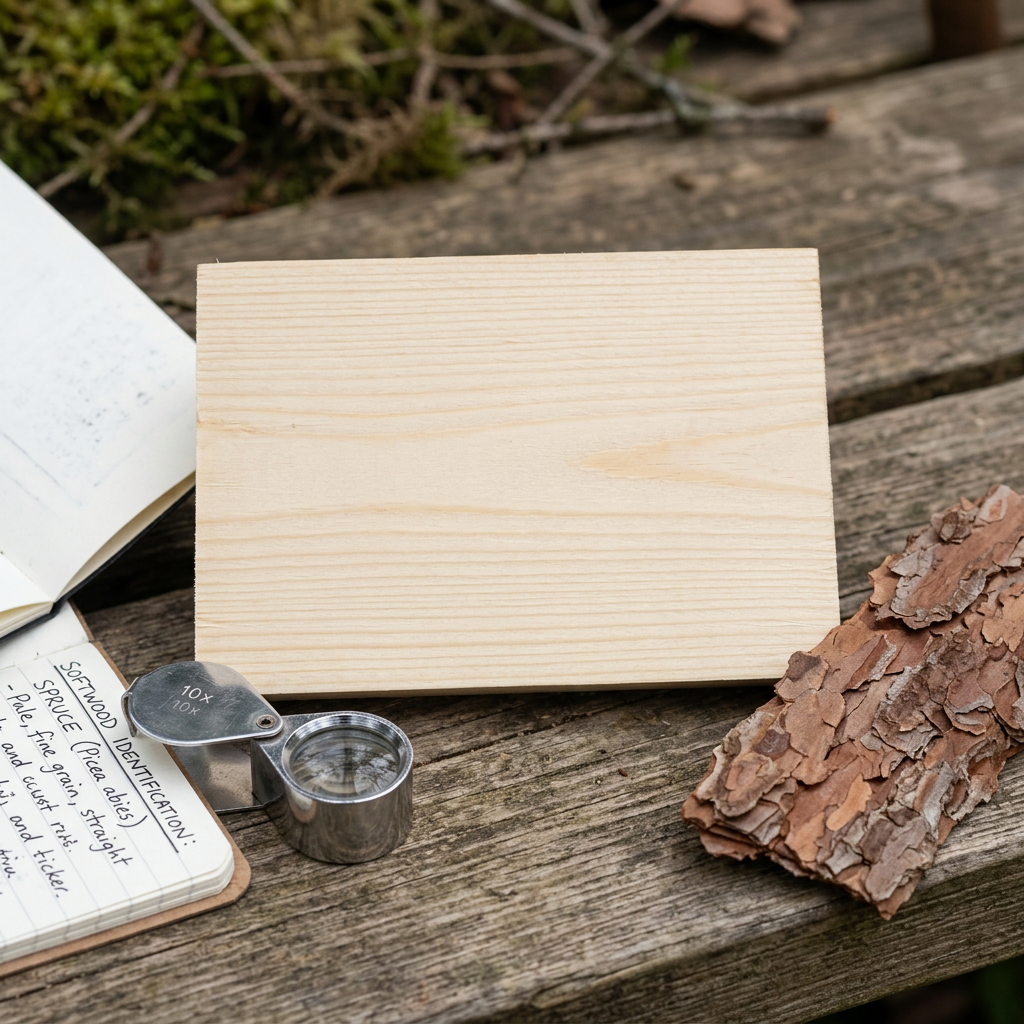
Spruce vs Similar Woods: Identification Tips
Distinguishing spruce from pine, fir, and other look-alike softwoods
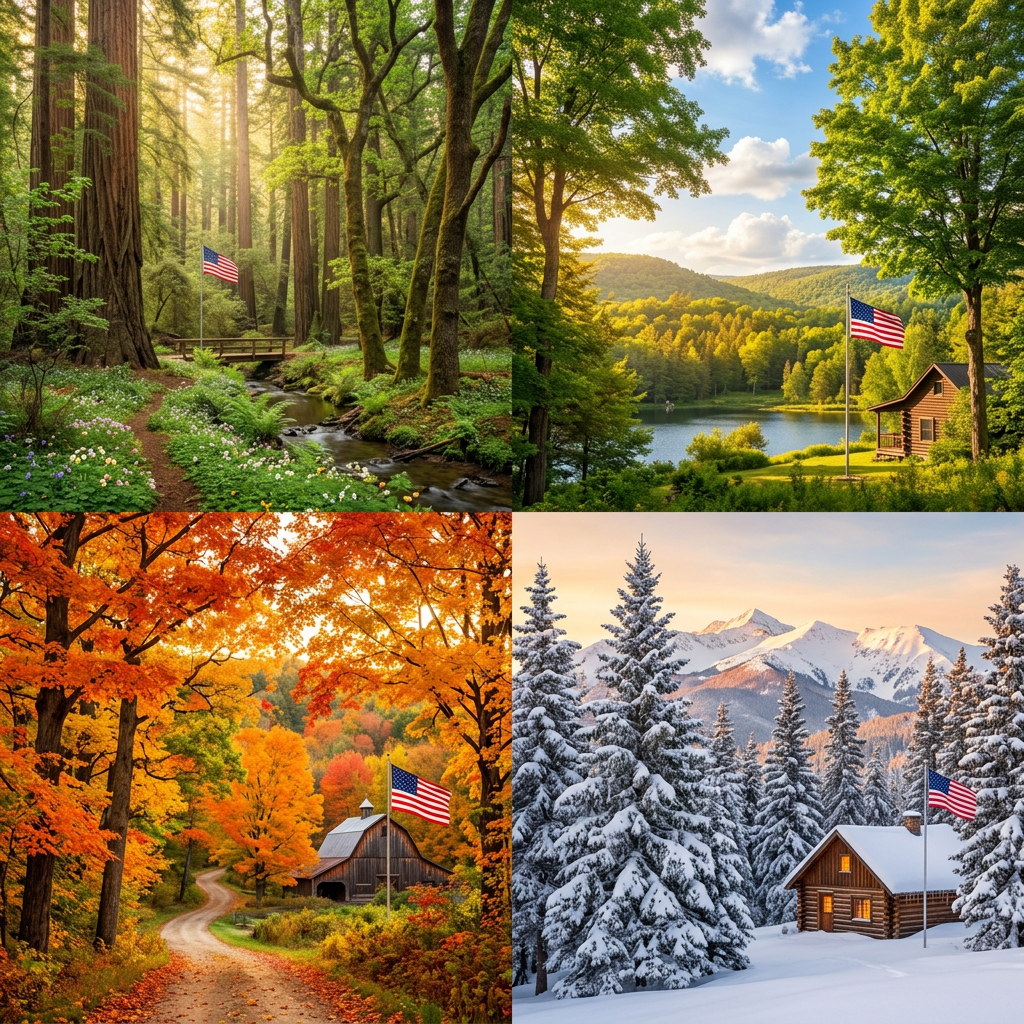
State Trees of the United States: Official Trees by State
Discover which tree species each U.S. state has chosen as its official symbol
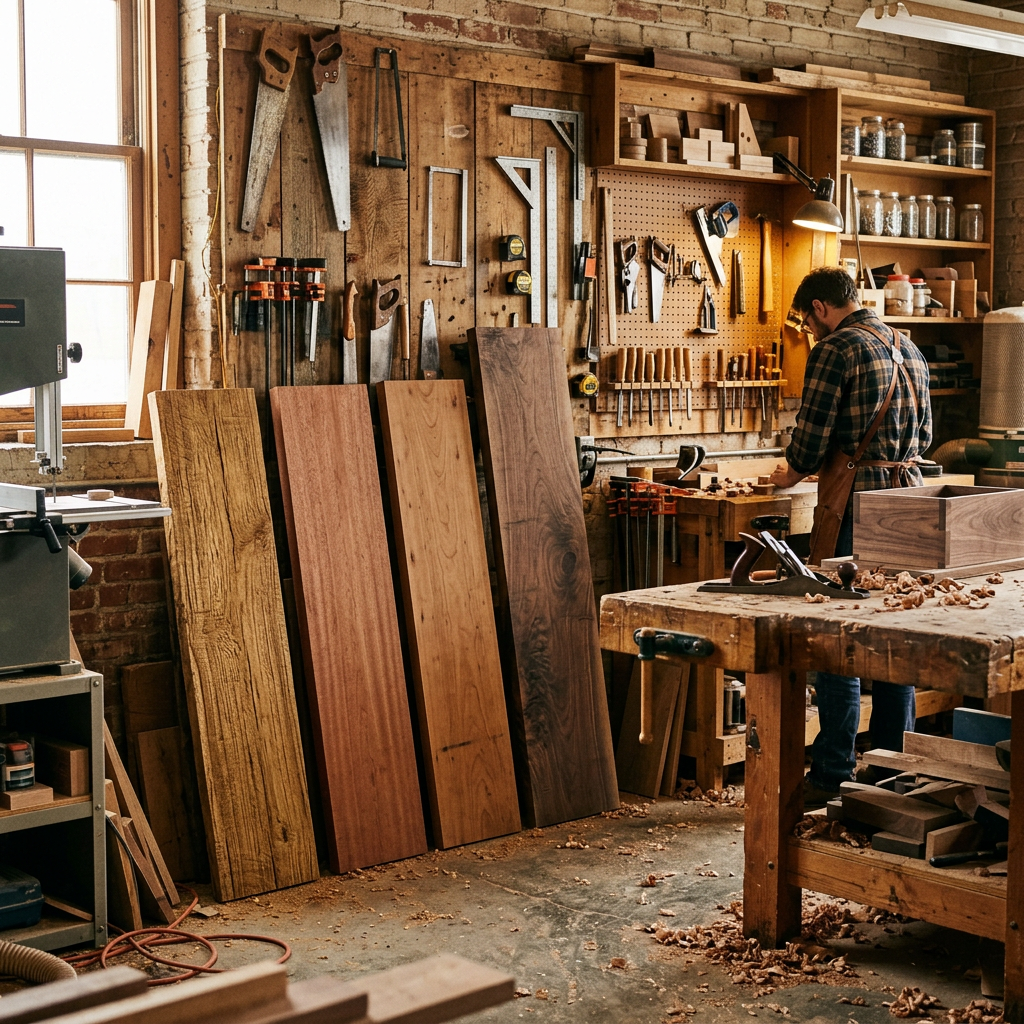
The 10 Most Overrated Wood Species in Woodworking
A candid look at popular wood species that may not deserve all the hype
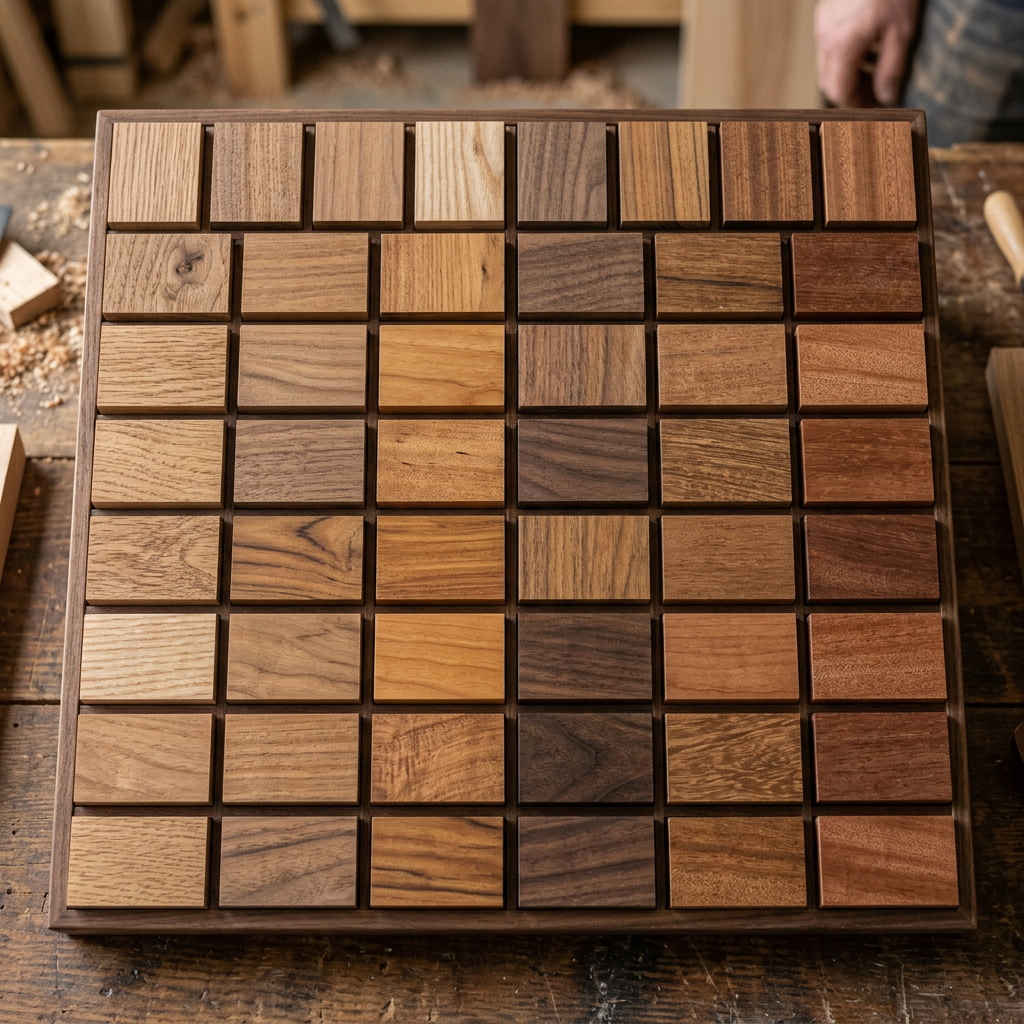
The Truth About Wood Identification: Why It's Harder Than You Think
Why even experts struggle with wood ID, and what that means for woodworkers
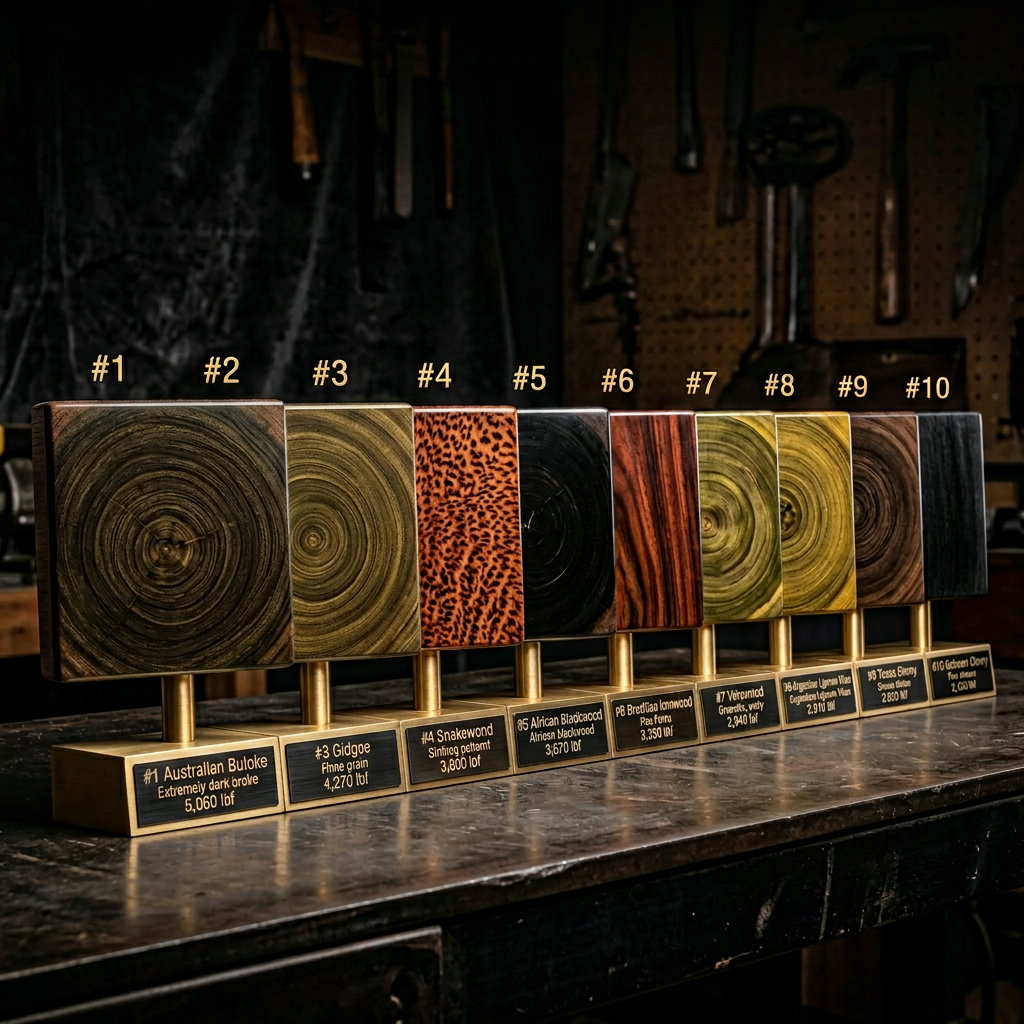
Top 10 Hardest Woods in the World
The world's hardest wood species ranked by Janka hardness, from ironwoods to exotic extremes
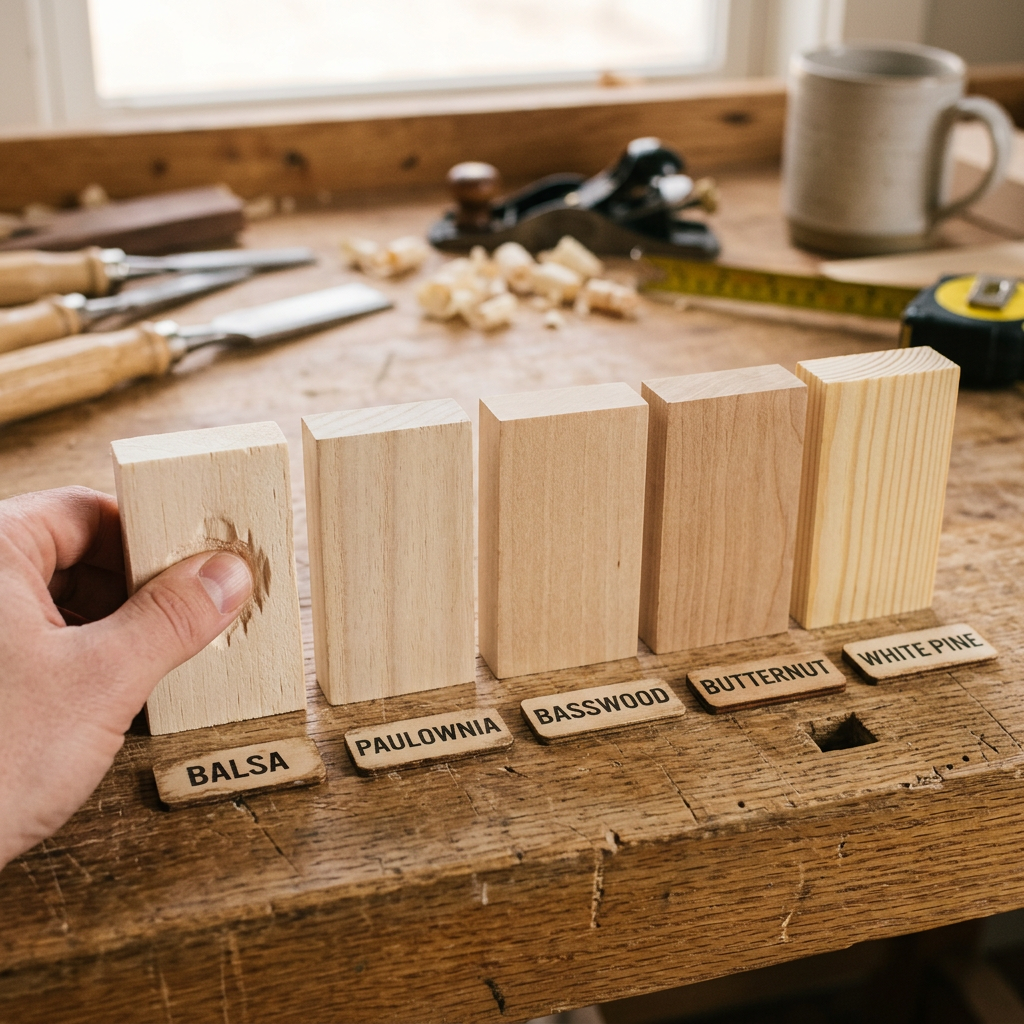
Top 10 Softest Woods for Woodworking
The lightest, most carvable wood species — perfect for specific applications
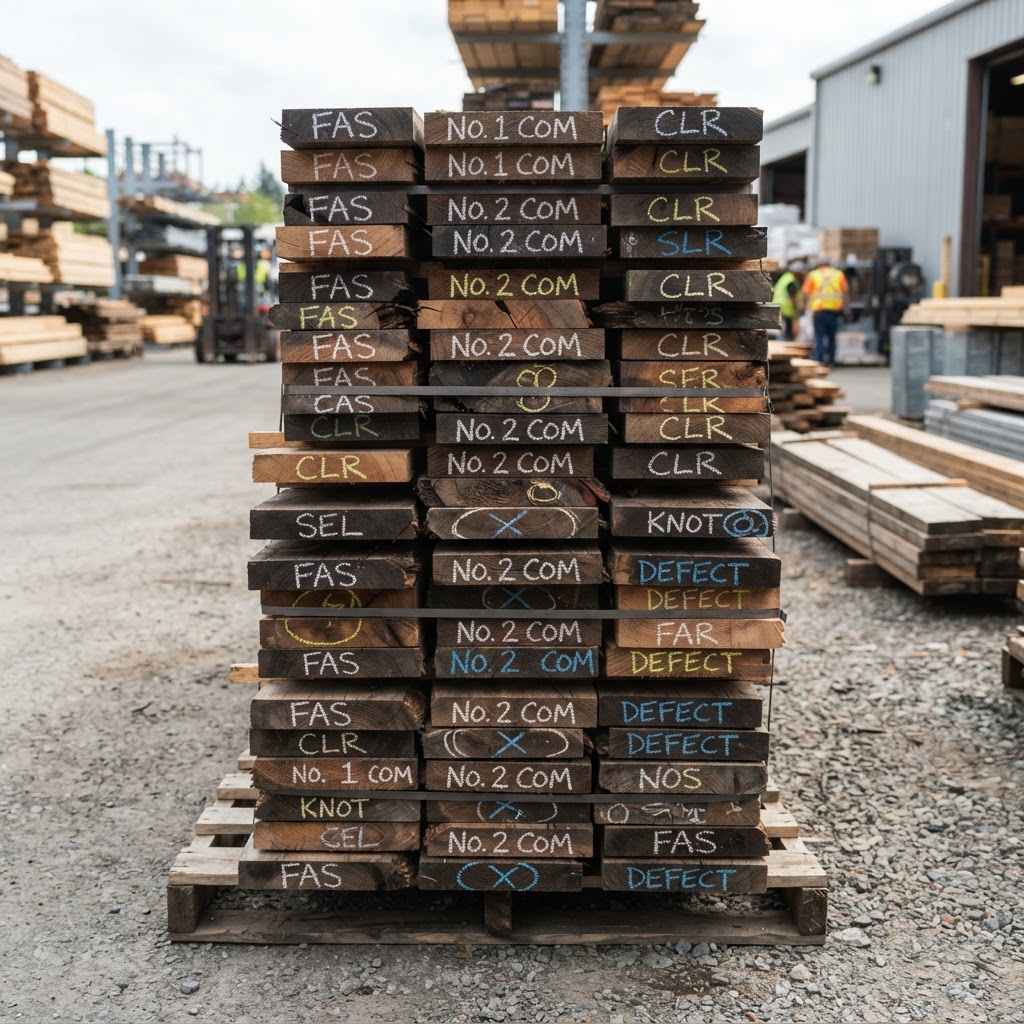
Understanding Lumber Grades: FAS, Select, and Common Explained
A practical guide to NHLA hardwood grading rules and how they affect your project budget
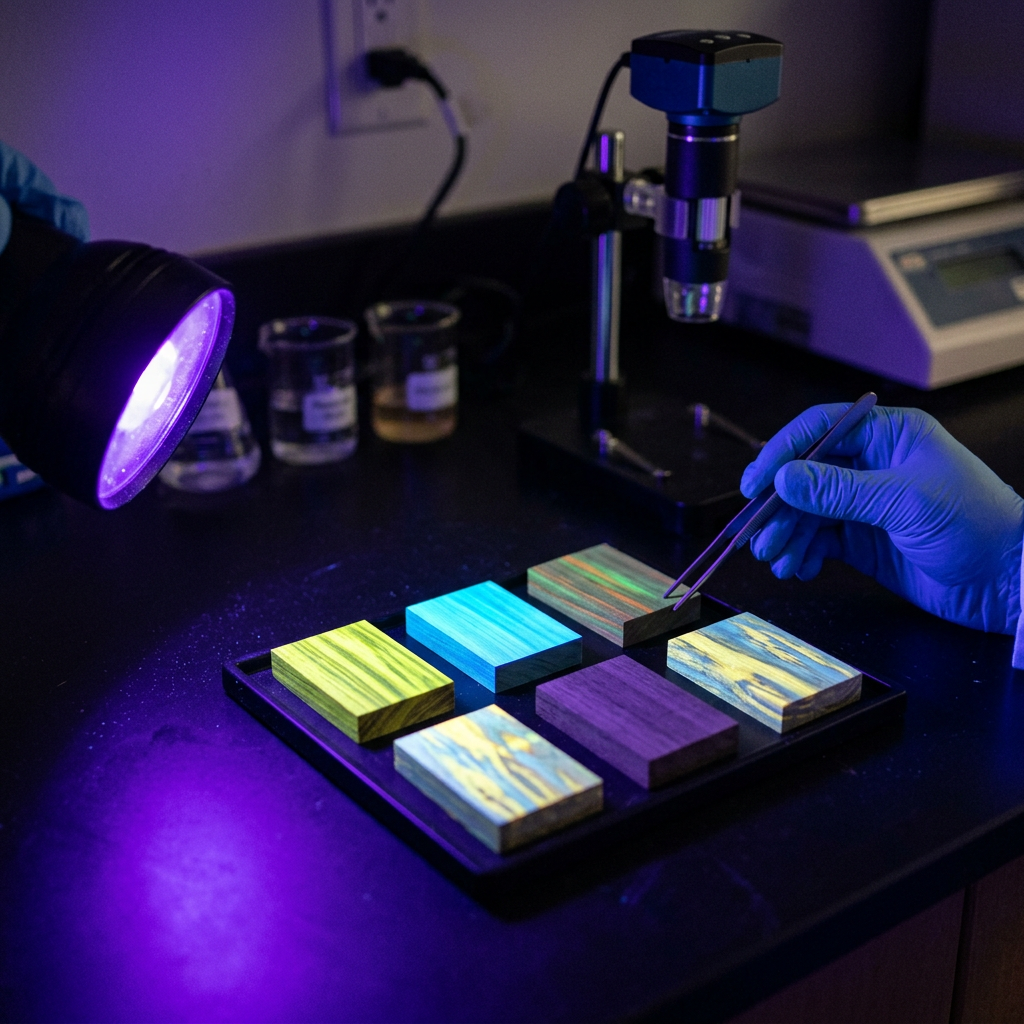
Using Fluorescence for Wood Identification: A Hidden Technique
How UV light reveals hidden signatures that help distinguish otherwise identical wood species
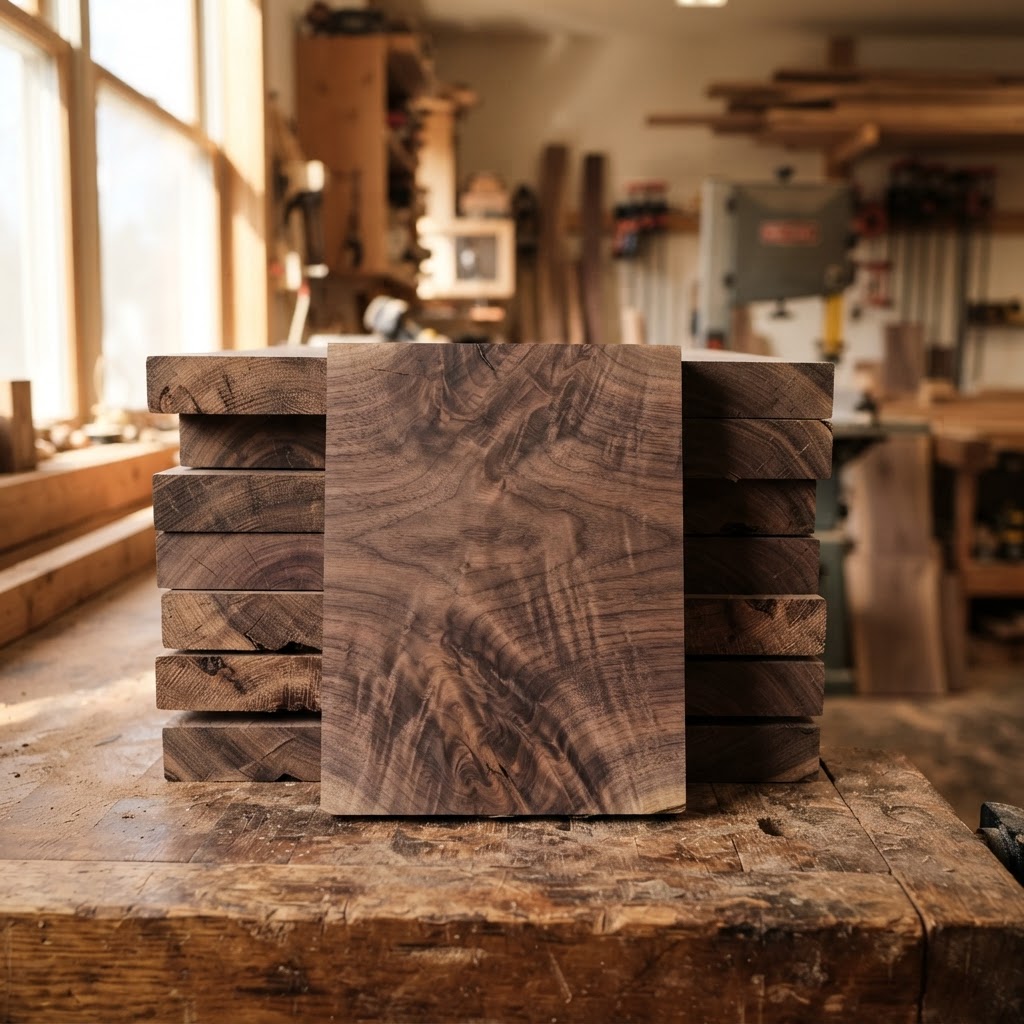
Walnut Deep Dive: Why It's America's Premier Cabinet Wood
Everything you need to know about Black Walnut — grain, workability, finishing, pricing, and why woodworkers love it
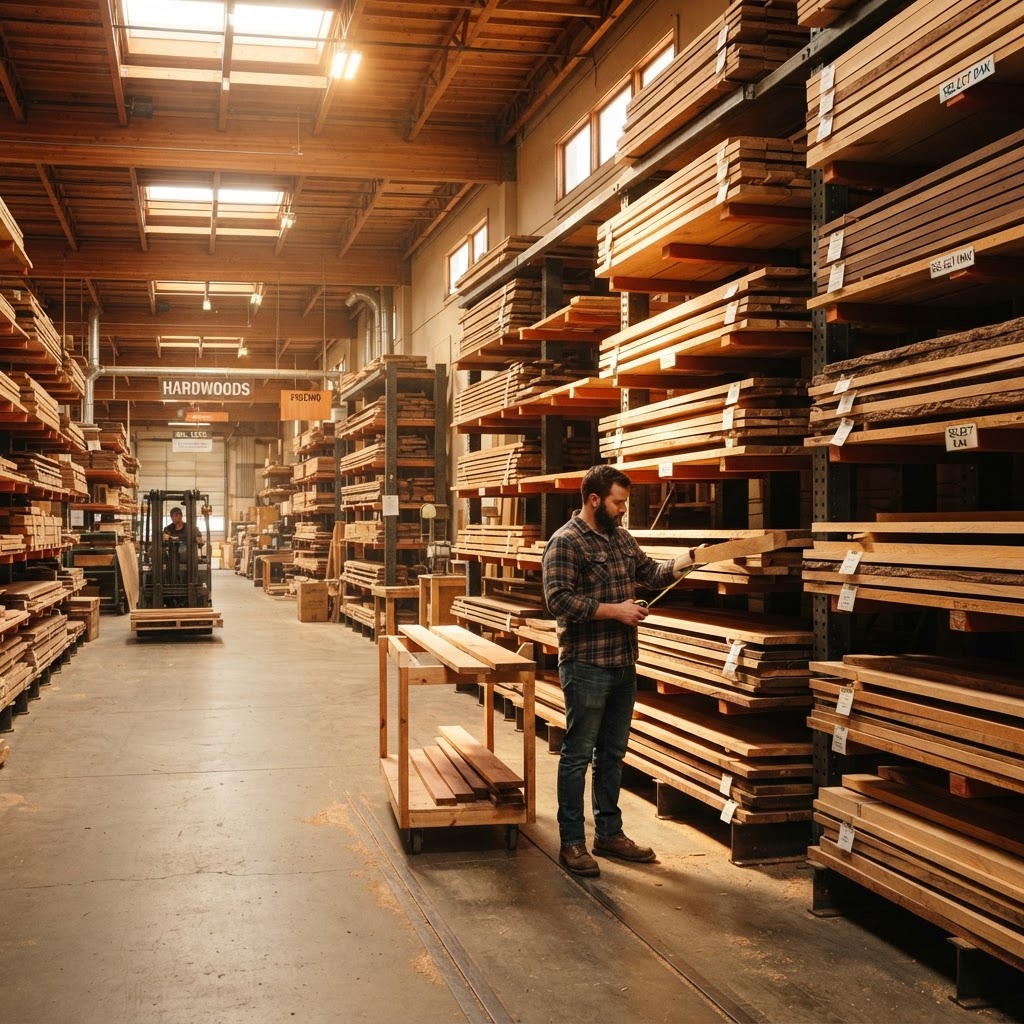
Where to Buy Quality Lumber: A Regional Sourcing Guide
How to find quality hardwood and exotic lumber from local yards, specialty dealers, and online suppliers
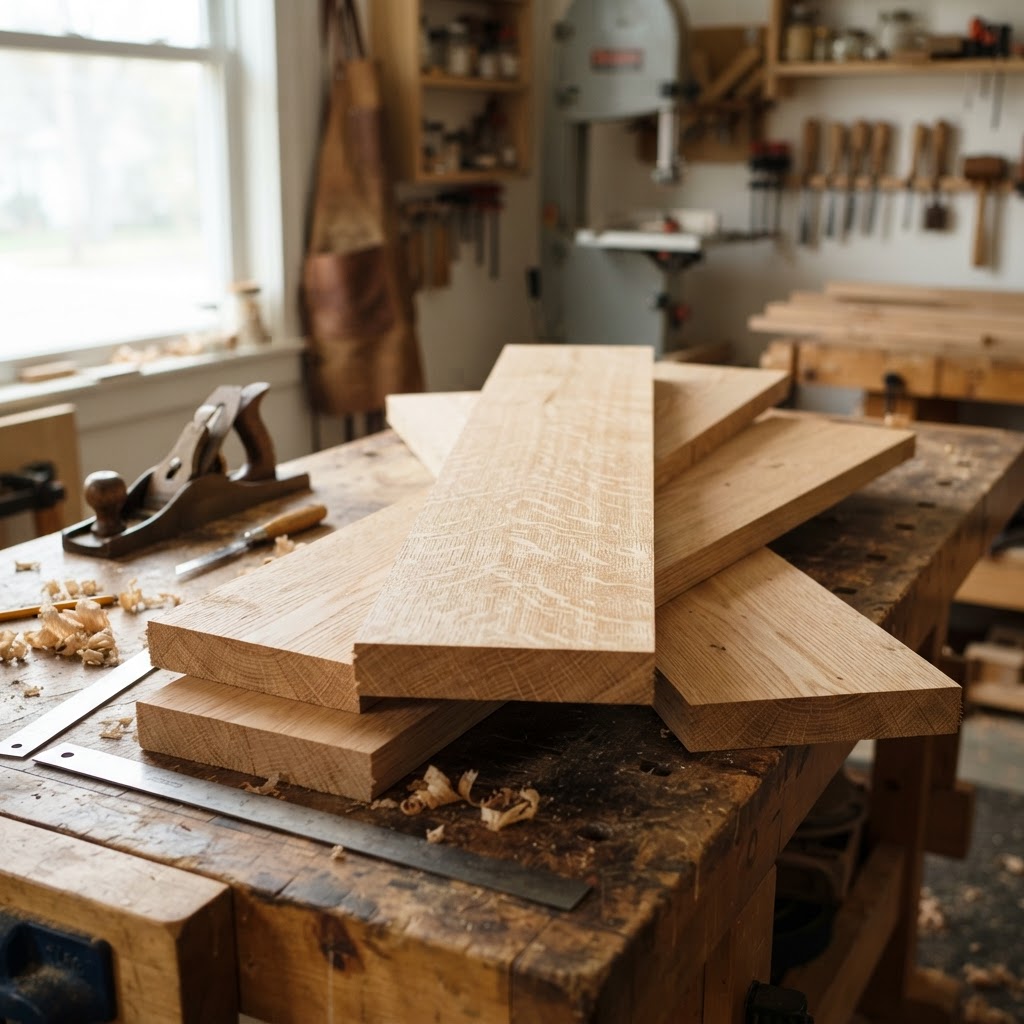
White Oak Deep Dive: The Ultimate All-Purpose Hardwood
A complete profile of White Oak — why it dominates in furniture, flooring, boatbuilding, and barrel-making
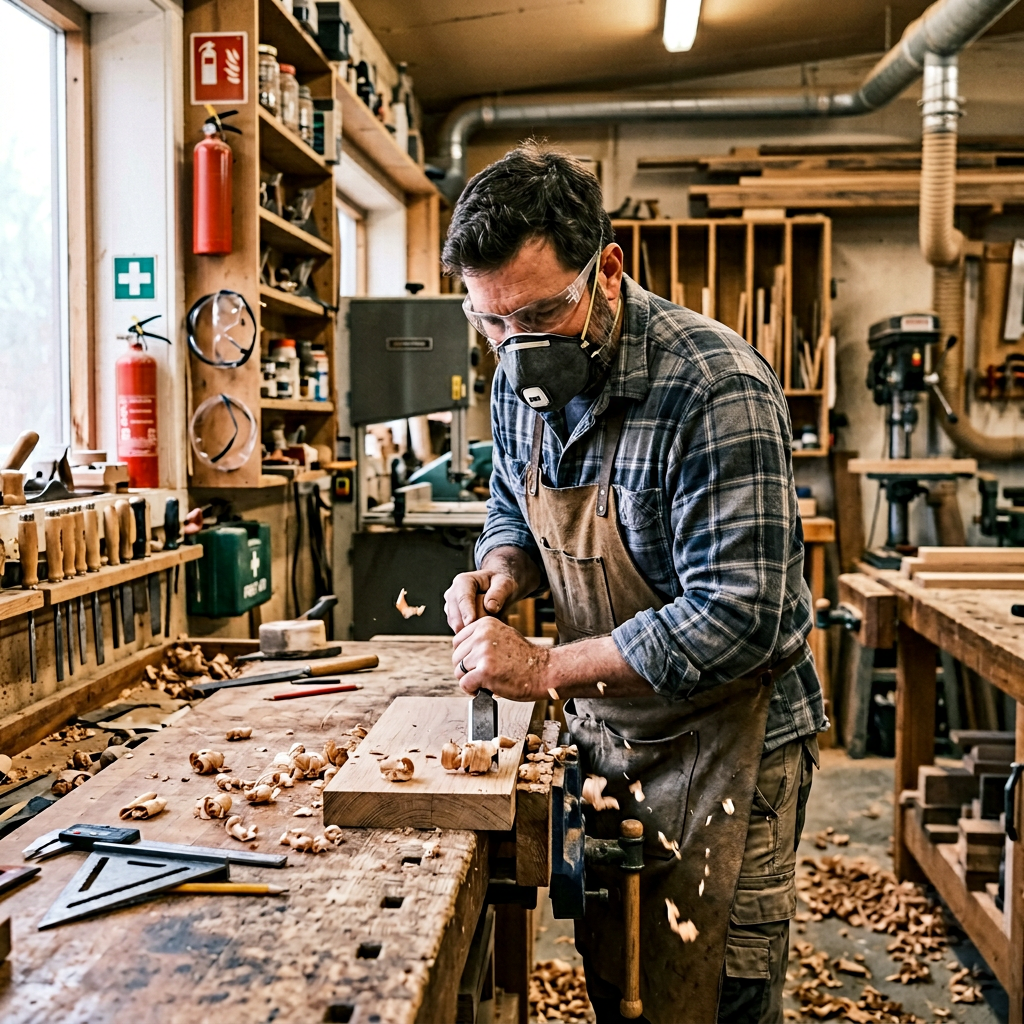
Wood Allergies and Toxic Wood Species
Understanding allergic reactions, sensitization, and which wood species pose health risks
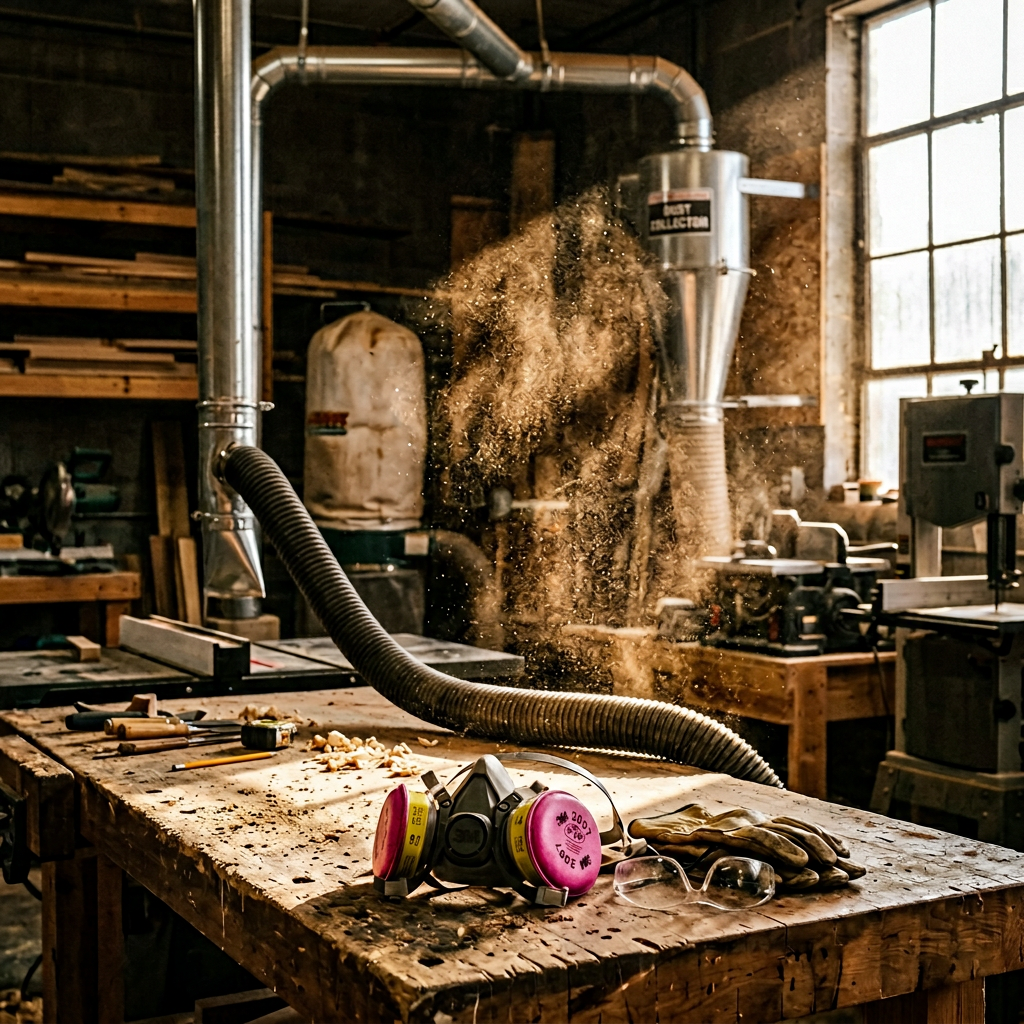
Wood Dust Safety: Health Risks and Protection for Woodworkers
Everything woodworkers need to know about dust hazards and proper protection
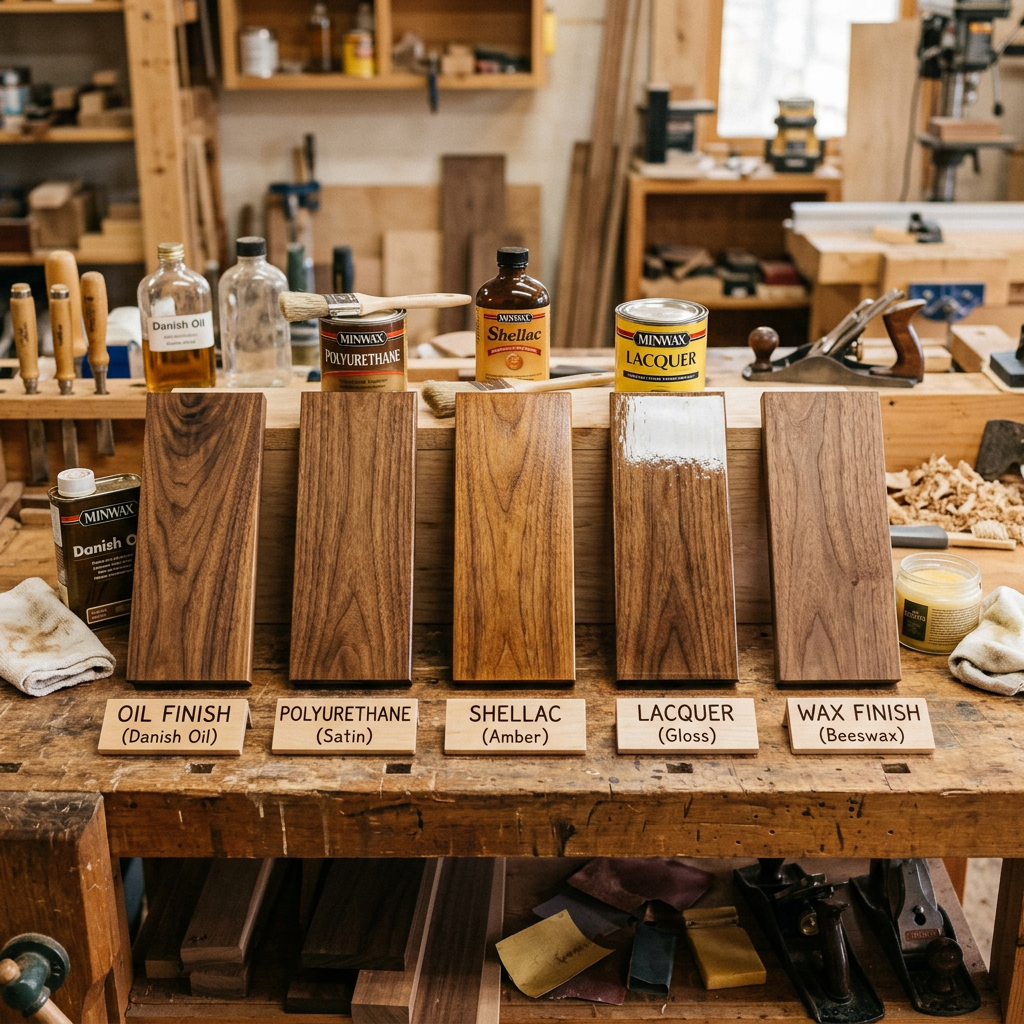
Wood Finishes Explained: Choosing the Right Finish for Every Project
A comprehensive guide to oil, varnish, lacquer, shellac, polyurethane, and more
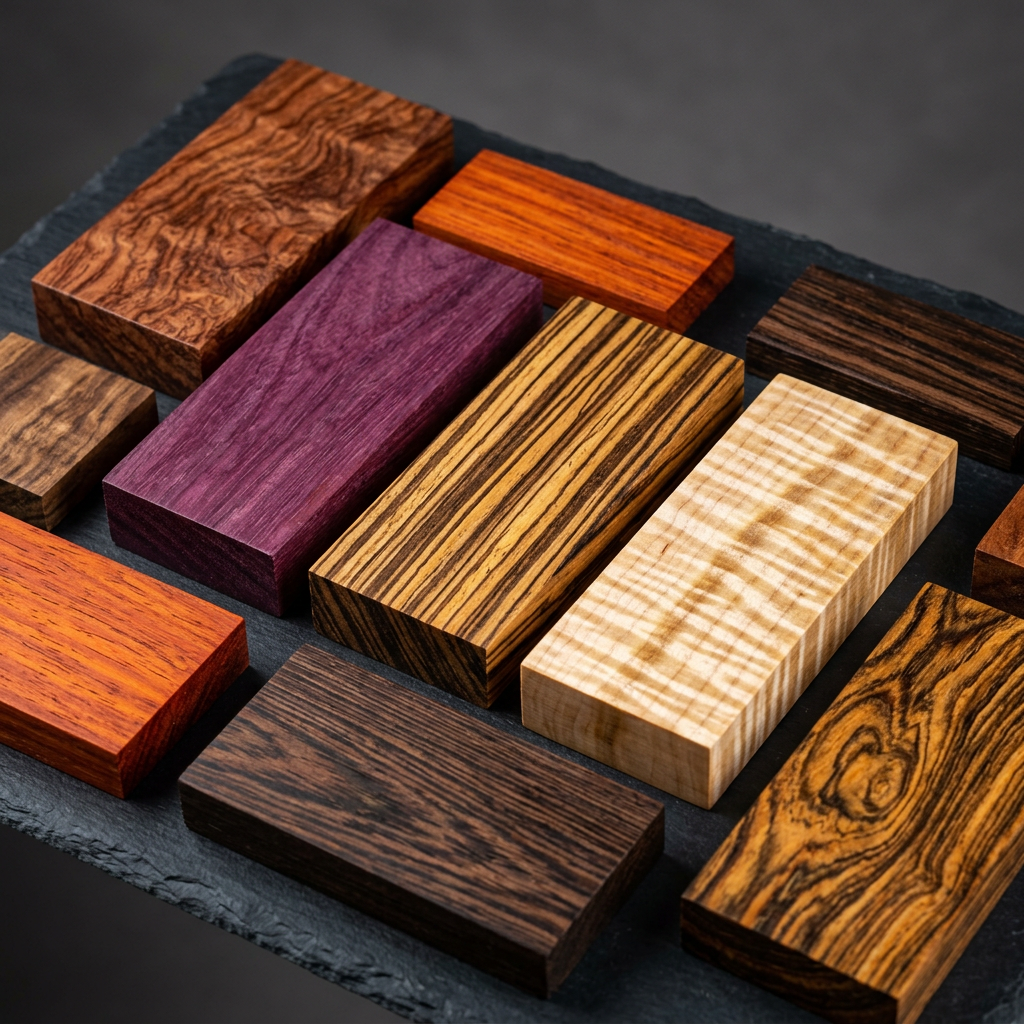
Wood Species Images and Desktop Backgrounds
Beautiful high-resolution wood grain images for reference, education, and desktop wallpapers
Looking for more?
Explore our featured guides and interactive tools.
- Board Foot (BF)
- A unit of lumber volume equal to 144 cubic inches (1" × 12" × 12"). The standard measurement for pricing hardwood lumber.
- Modulus of Rupture (MOR)
- The maximum bending stress a wood sample can withstand before failure, measured in psi. Higher MOR indicates stronger wood.
- Janka Hardness
- The force in pounds (lbf) required to embed a 0.444-inch steel ball to half its diameter into wood. The industry standard for comparing hardness.
- Moisture Content (MC)
- The percentage of water weight relative to oven-dry wood weight. Kiln-dried lumber typically reaches 6–8% MC.
- Quarter-sawn
- Lumber cut with annual rings at 60–90° to the face, producing straight grain, better stability, and distinctive fleck in species like oak.
- Rift-sawn
- Lumber cut with annual rings at 30–60° to the face, yielding tight, straight grain and minimal figure. Often used for consistent furniture panels.
- FAS Grade
- Firsts and Seconds — the highest standard grade in NHLA hardwood grading. Boards must yield at least 83.3% clear face cuttings.
- Specific Gravity
- The ratio of wood density to water density. A key predictor of mechanical strength; values above 1.0 mean the wood sinks in water.
- Equilibrium Moisture Content (EMC)
- The moisture content at which wood neither gains nor loses moisture to surrounding air. Varies by region and climate.
- Tangential Shrinkage
- Shrinkage parallel to the growth rings (across face-sawn boards). Typically 1.5–2× radial shrinkage; causes cupping.
- Radial Shrinkage
- Shrinkage perpendicular to growth rings. Generally less than tangential shrinkage and contributes to dimensional stability.
- T/R Ratio
- Tangential-to-radial shrinkage ratio. Values closer to 1.0 indicate more uniform movement and reduced tendency to warp or cup.
- Heartwood
- The inner, non-living wood of a tree. Typically darker, more decay-resistant, and more dimensionally stable than sapwood.
- Sapwood
- The lighter-colored outer wood that actively transports water. Generally less durable than heartwood but accepts stain more readily.
- Interlocked Grain
- Grain direction that reverses periodically between successive growth layers. Causes ribbon-stripe figure but makes planing difficult.
- Blunting Effect
- The rate at which a wood species dulls cutting tools. Silica content, density, and interlocked grain increase blunting.
- Span Rating
- The maximum distance a structural member (joist, rafter, decking) can bridge unsupported while meeting load and deflection limits.
- Live Load
- Dynamic forces on a structure from occupants, furniture, snow, or traffic. Residential decks typically require 40 psf minimum.
- Dead Load
- The permanent, static weight of the structure itself — framing, decking, railings, and fixed equipment.
- Dimensional Lumber
- Softwood lumber cut to standardized sizes (2×4, 2×6, etc.) and graded for structural use. Nominal size exceeds actual size.
- CITES
- Convention on International Trade in Endangered Species. Regulates cross-border trade of protected wood species via Appendices I, II, and III.
- Kiln-Dried (KD)
- Lumber dried in a controlled kiln to reduce moisture content below fiber saturation point, improving stability and reducing biological risk.
- Air-Dried (AD)
- Lumber dried naturally by stacking with stickers outdoors. Slower than kiln drying; final MC depends on ambient humidity.
- Fiber Saturation Point (FSP)
- The moisture content (~28–30%) at which cell walls are saturated but cell cavities are empty. Shrinkage begins below FSP.
- Spalting
- Coloration caused by fungal colonization in wood. Creates decorative zone lines and color patterns. Often found in maple and birch.