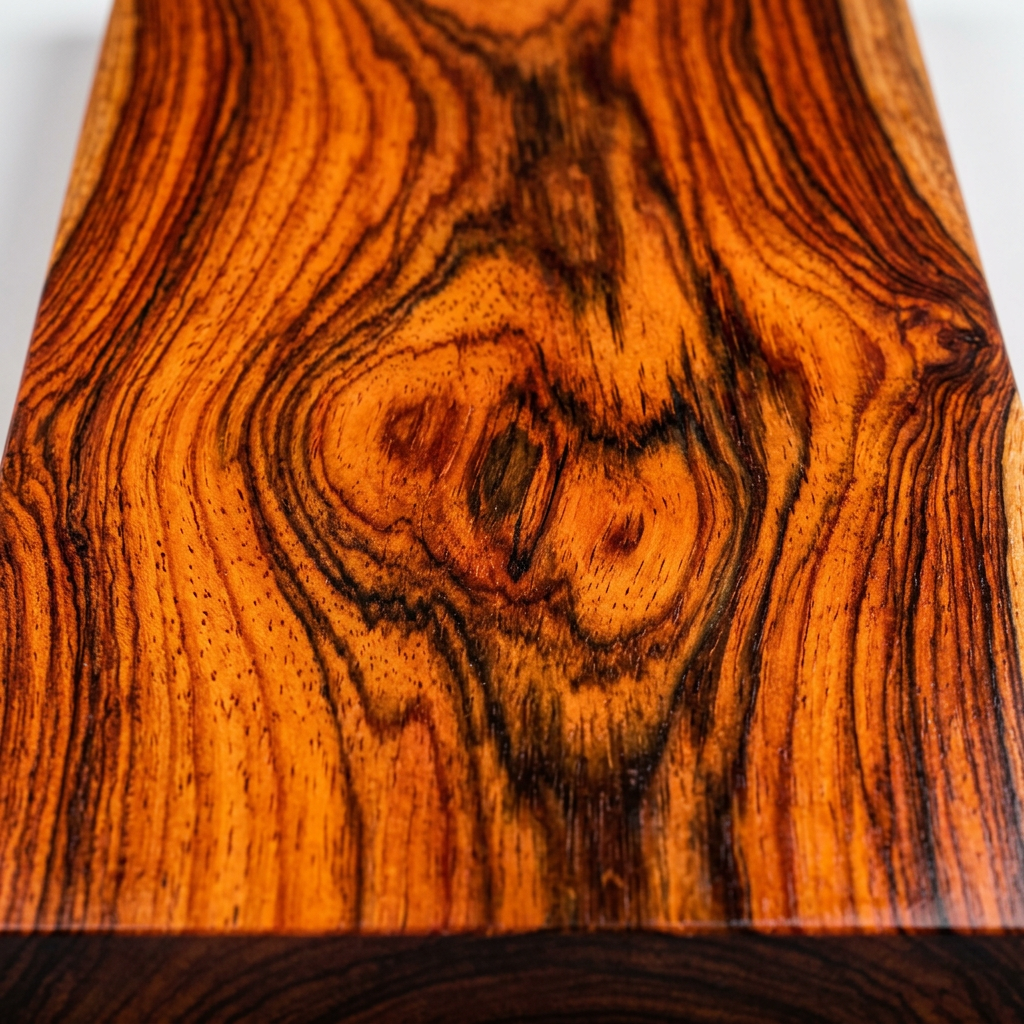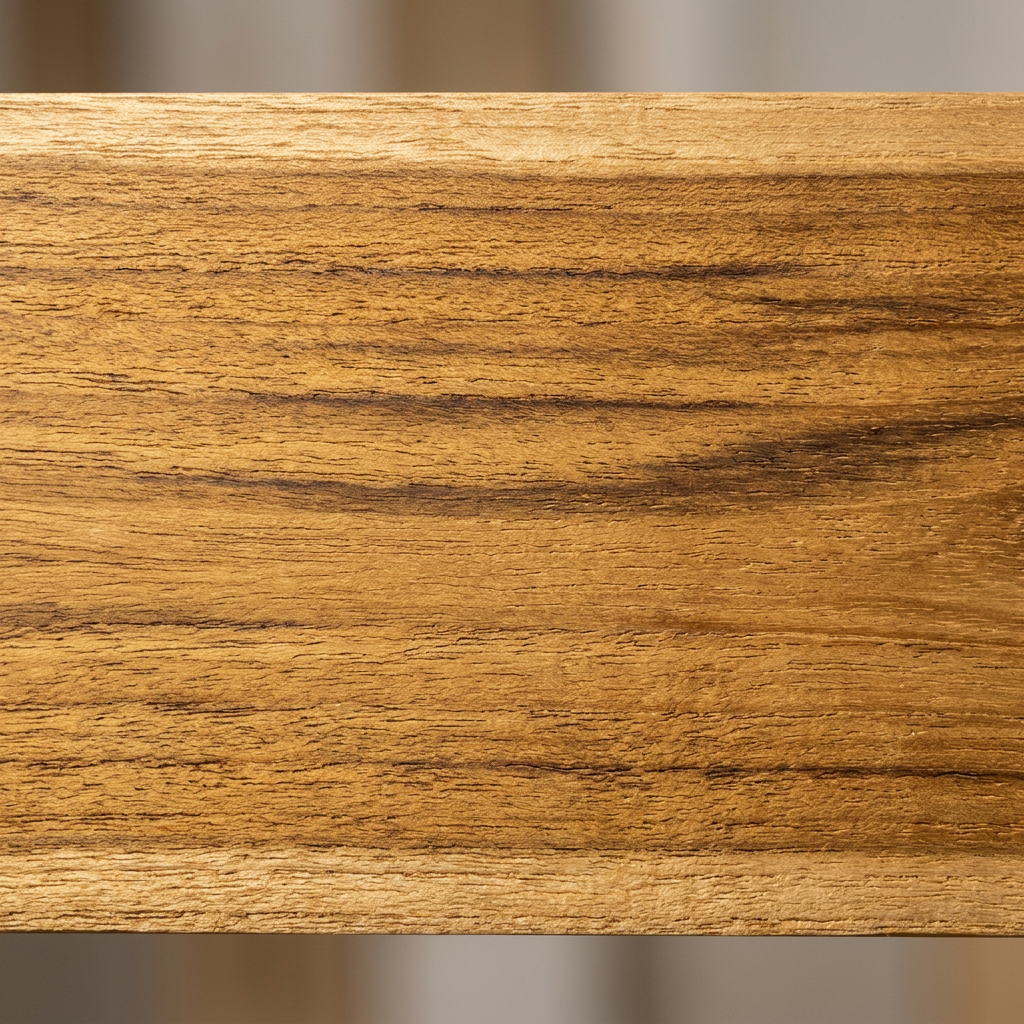
The Challenge of Exotic Hardwoods
Exotic and tropical hardwoods are gorgeous, but they often defy standard finishing techniques. Their extreme density, natural oils, and chemical extractives can cause finish adhesion failures, extended drying times, and unexpected color changes.
Problem 1: Oily Woods
Species like Teak, Cocobolo, Rosewood, and Ipe contain natural oils that prevent finish adhesion.
Solution: Wipe with Solvent First
- •Sand to final grit
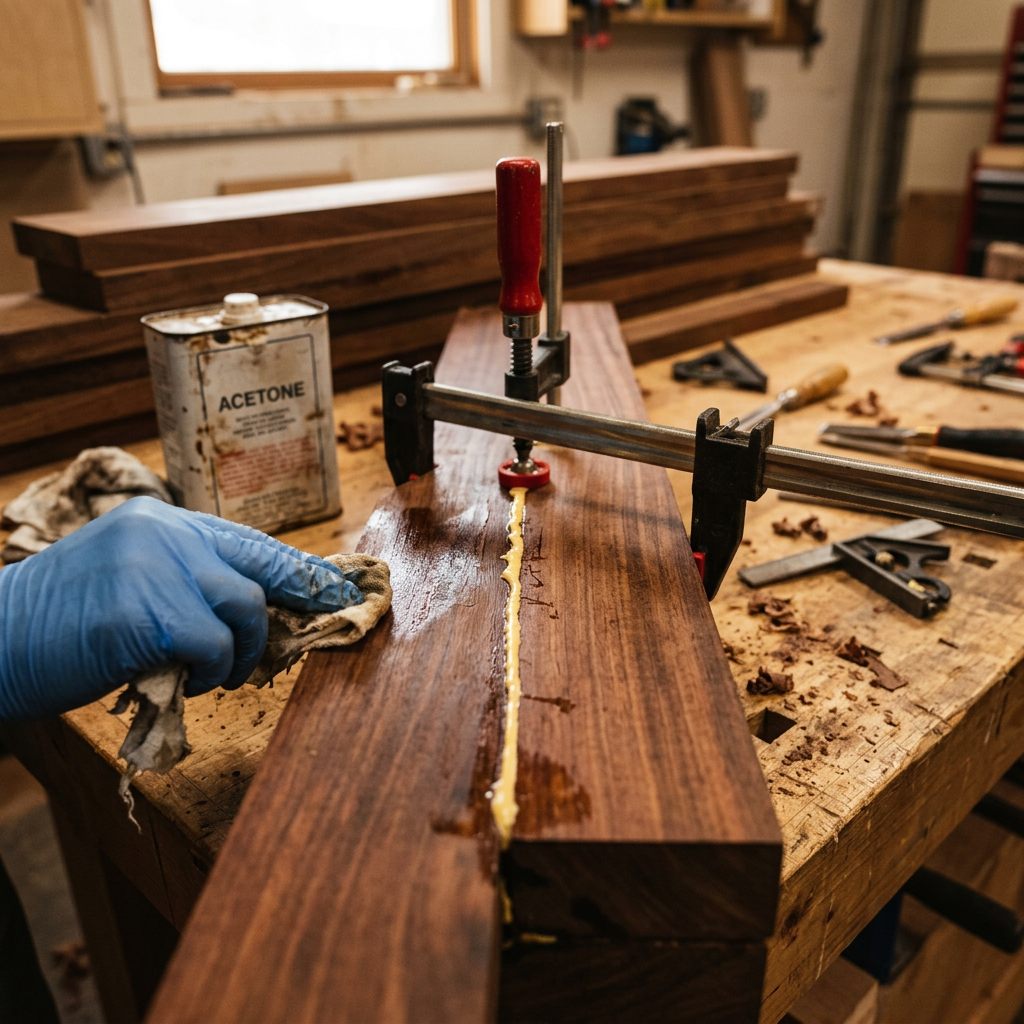
- •Wipe the surface with acetone or naphtha to dissolve surface oils
- •Apply finish within 30 minutes before oils migrate back to the surface
- •Use thin coats — thick applications won't cure properly on oily woods
Best Finishes for Oily Woods
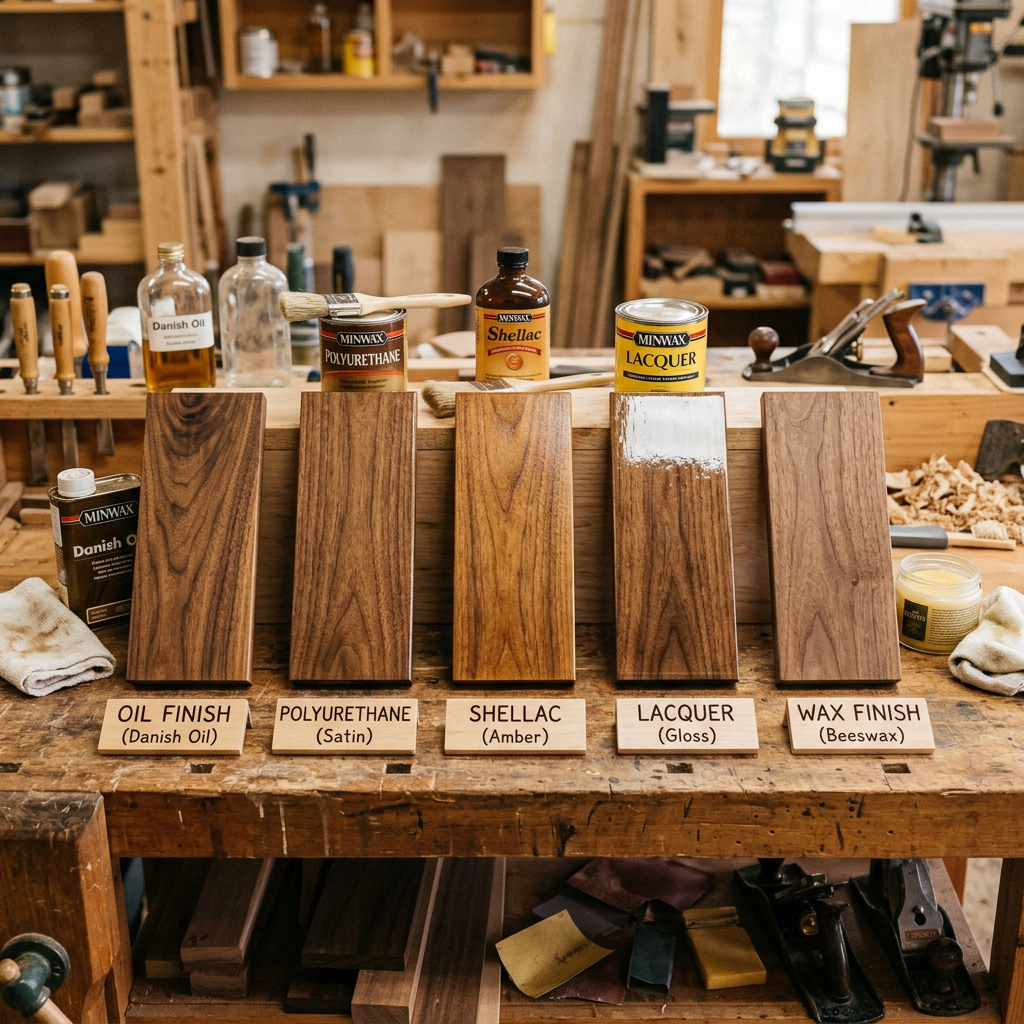
- •Shellac — Excellent adhesion to oily woods; acts as a barrier coat
- •Lacquer — Solvent-based lacquers adhere well after solvent wiping
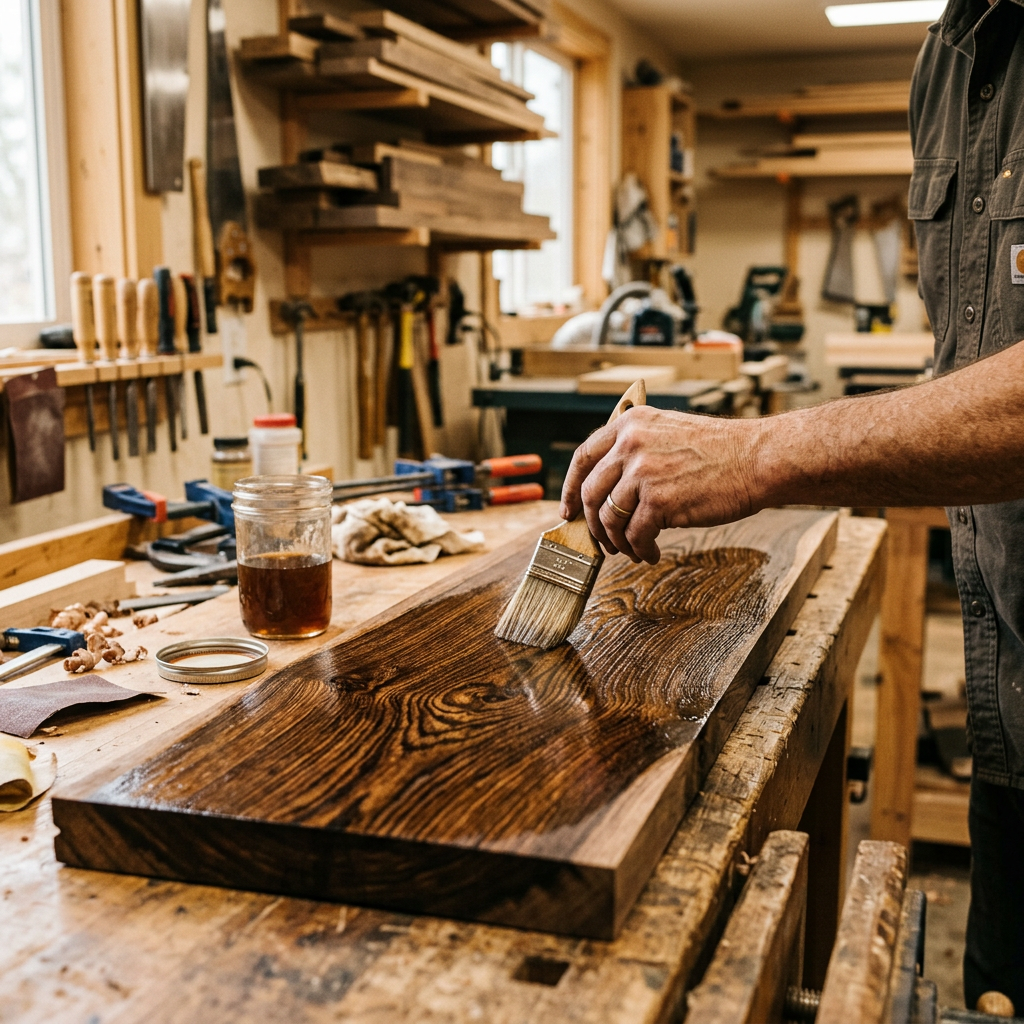
- •Oil finishes (tung oil, Danish oil) — Work with the wood's natural oils rather than fighting them
- •Avoid water-based polyurethane — poor adhesion on most oily species
Problem 2: Extreme Density
Very dense woods (Ipe, Ebony, Lignum Vitae) resist finish penetration.
Solution
- •Use thin, wiped-on finishes rather than brushed coats
- •Sand between coats to create mechanical grip
- •Consider pure oil finishes that don't need to penetrate deeply
- •Accept that film finishes will sit entirely on the surface
Problem 3: Color Changes
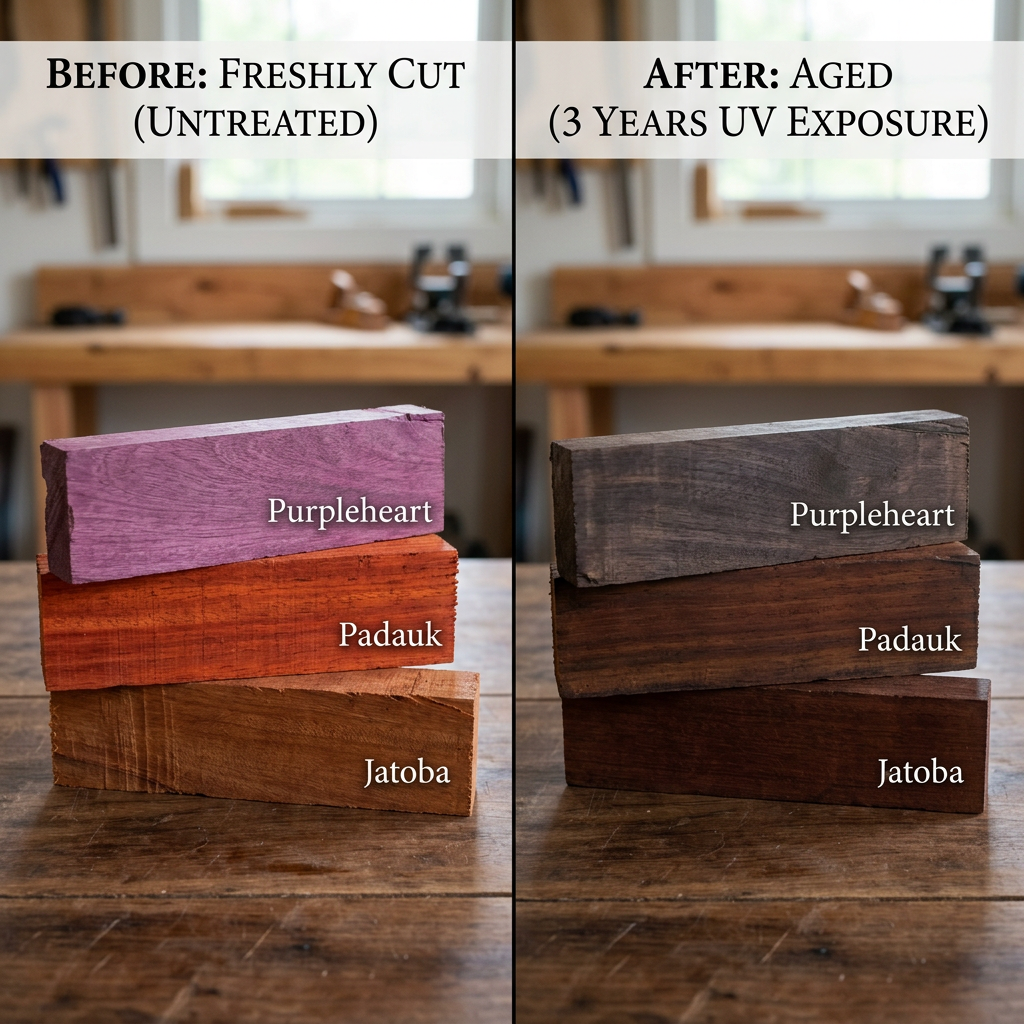
Many exotics change color dramatically with light exposure:
- •Purpleheart: Bright purple → dark brown
- •Padauk: Bright orange → dark reddish-brown
- •Cherry: Pink → deep reddish-brown (desirable)
- •Walnut: Dark → lighter (unusual among woods)
UV-Blocking Finishes
For species where you want to slow color change:
- •Use finishes with UV absorbers/inhibitors
- •Marine-grade spar varnish contains UV blockers
- •Some water-based polyurethanes include UV protection
Note: No finish completely prevents color change. UV blockers slow it but don't stop it.
Problem 4: Blotchy Absorption
Some exotics (and many domestics) absorb finish unevenly.
Solution
- •Sand to high grit (400+) to close pores evenly
- •Use gel stains instead of liquid stains
- •Apply pre-stain conditioner before staining
- •Shellac washcoat before staining controls absorption
General Protocol for Exotic Hardwoods
- •Sand progressively to 320-400 grit
- •Remove dust with tack cloth
- •Wipe with solvent (acetone or naphtha)
- •Apply shellac seal coat within 30 minutes
- •Scuff-sand when dry (400 grit)
- •Apply topcoat finish of choice
- •Apply thin coats, allowing full cure between applications
Species-Specific Tips
- •Ipe: Almost impossible to finish effectively outdoors; most professionals let it weather to gray or use penetrating oil annually
- •Cocobolo: Solvent wipe is essential; some woodworkers use CA (superglue) finish for small items
- •Teak: Pure tung oil or dedicated teak oil is traditional; teak repels most film finishes
- •Ebony: Takes buffing beautifully; some artisans use no finish at all, just buff to a polish