Why Soft Wood Matters
In a woodworking culture that often equates hardness with quality, soft woods get unfairly dismissed. But for carving, model-making, insulation, acoustic applications, and many other uses, softness is exactly what you want.
The Top 10 Softest Commercial Woods
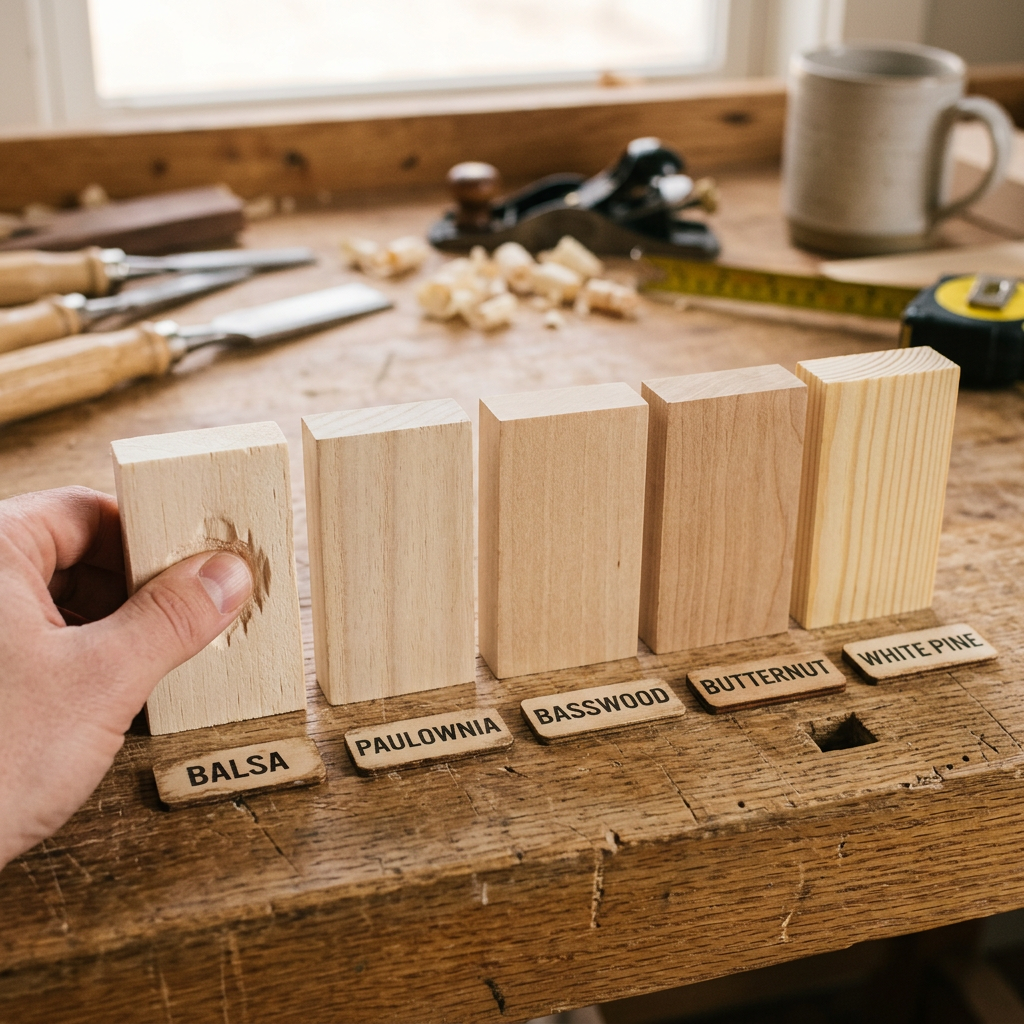
1. Balsa (Ochroma pyramidale)
Janka Hardness: 67 lbf | Density: ~9 lb/ft³
The softest commercial wood — and one of the most misunderstood. Balsa isn't just for model airplanes. It has an exceptional strength-to-weight ratio and is used in:
- •Wind turbine blades
- •Aircraft sandwich panels
- •Marine core material
- •Surfboards
- •Theater and movie set construction
2. Cuipo (Cavanillesia platanifolia)
Janka Hardness: ~75 lbf | Density: ~10 lb/ft³
One of the lightest woods on Earth, rivaling Balsa. This Central American tree can grow over 100 feet tall with a massive barrel-shaped trunk.
3. Paulownia (Paulownia tomentosa)
Janka Hardness: ~300 lbf | Density: ~17 lb/ft³
The fastest-growing hardwood on Earth and remarkably light. Used in Japanese furniture (tansu chests) for centuries, Paulownia has excellent dimensional stability despite its low density.
4. Basswood (Tilia americana)
Janka Hardness: 410 lbf | Density: ~26 lb/ft³
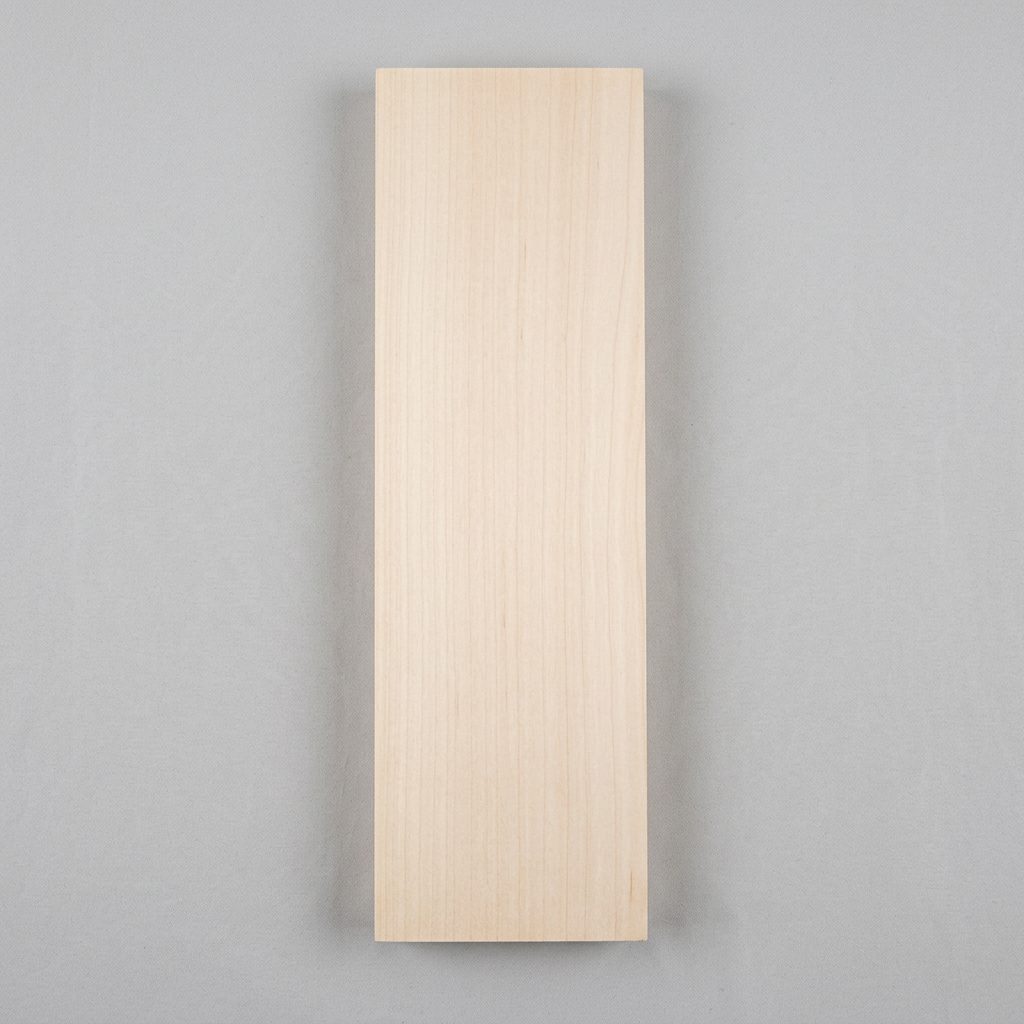
The premier carving wood in North America. Basswood's fine, uniform texture and soft consistency make it ideal for hand carving. It's the standard wood for decoy carving, figure carving, and whittling.
5. Western Red Cedar (Thuja plicata)
Janka Hardness: 350 lbf | Density: ~23 lb/ft³
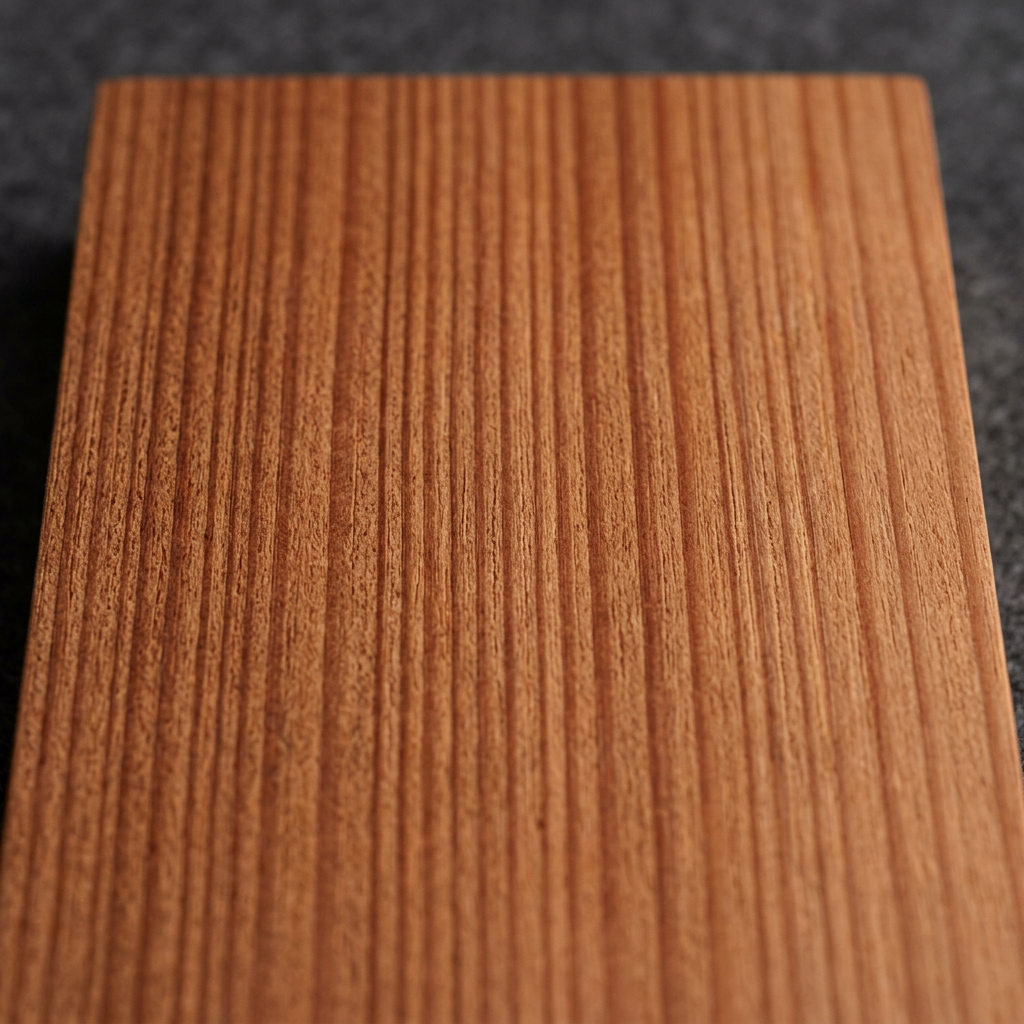
One of the softest commercial softwoods, but prized for its exceptional decay resistance. Cedar's combination of softness and durability makes it ideal for shingles, siding, and outdoor furniture.
6. Eastern White Pine (Pinus strobus)
Janka Hardness: 380 lbf | Density: ~25 lb/ft³
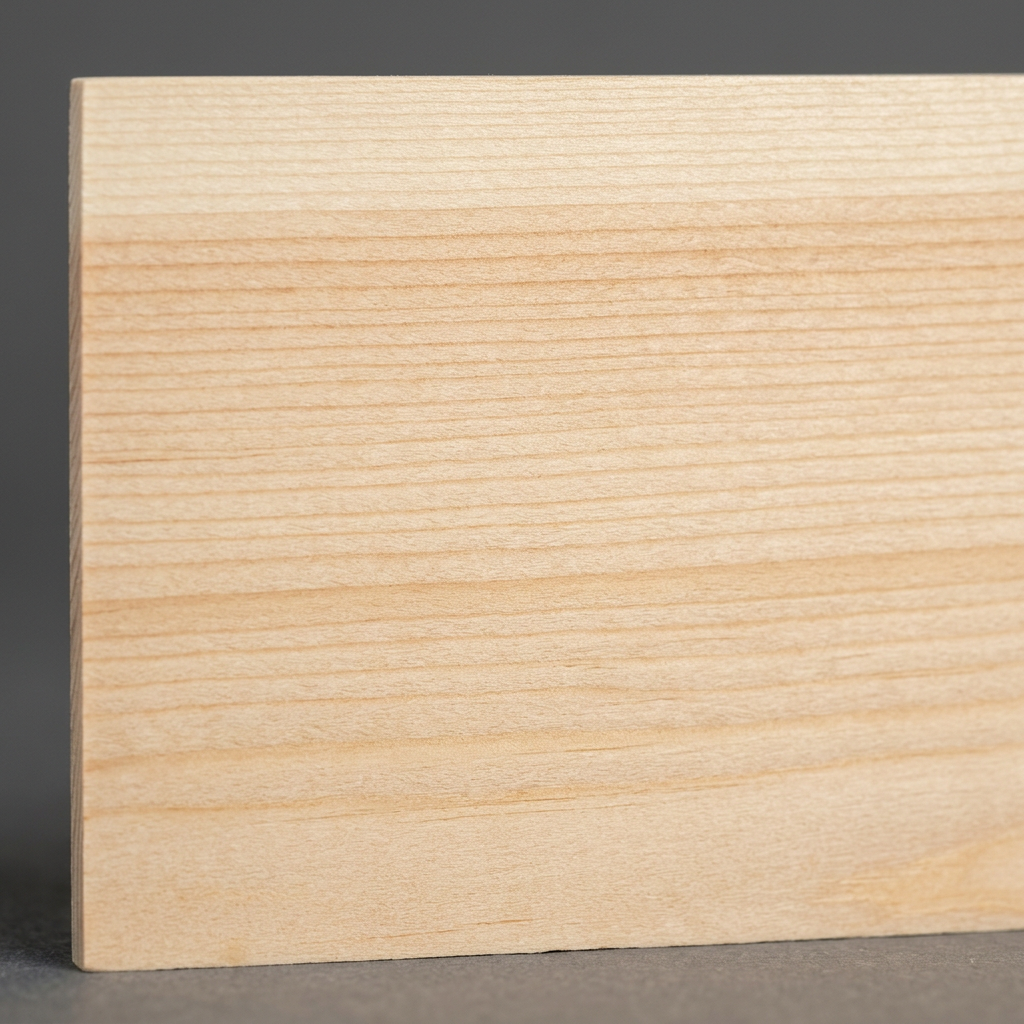
Historically one of the most important lumber species in North America. White Pine's softness makes it easy to work with hand tools, which is why colonial-era furniture and trim were often made from it.
7. Buckeye (Aesculus spp.)
Janka Hardness: ~350 lbf | Density: ~25 lb/ft³
A surprisingly soft hardwood that's excellent for carving and turning. Often features dramatic spalting and unique figure.
8. Poplar/Tulipwood (Liriodendron tulipifera)
Janka Hardness: 540 lbf | Density: ~29 lb/ft³
The workhorse utility hardwood of North America. Poplar is soft enough to machine easily but hard enough for painted furniture, cabinetry interiors, and millwork. It's also one of the most affordable hardwoods.
9. Butternut (Juglans cinerea)
Janka Hardness: 490 lbf | Density: ~27 lb/ft³
Walnut's softer, lighter cousin. Butternut is prized by carvers for its easy workability and warm honey-brown color. Unfortunately, butternut canker disease has made it increasingly scarce.
10. Cottonwood (Populus deltoides)
Janka Hardness: ~430 lbf | Density: ~28 lb/ft³
Often dismissed as "junk wood," Cottonwood is actually excellent for certain applications: carving, pallets, paper pulp, and hidden structural components.
When Softness Is an Advantage
- •Carving: Soft woods allow intricate detail with hand tools
- •Insulation: Low density = good thermal insulation
- •Acoustics: Some soft species (cedar, spruce) have excellent resonance
- •Ease of work: Hand tools glide through soft wood
- •Low weight: Important for boats, aircraft, packaging
- •Shock absorption: Soft woods absorb impact energy
When to Avoid Soft Woods
- •Heavy-wear surfaces (flooring, tabletops)
- •Outdoor ground contact (unless naturally durable like cedar)
- •Structural applications requiring high strength
- •Any application where dents and scratches are unacceptable
The key is matching the wood's properties to the project's demands. Sometimes, soft is exactly right.