America's Big Three Furniture Woods
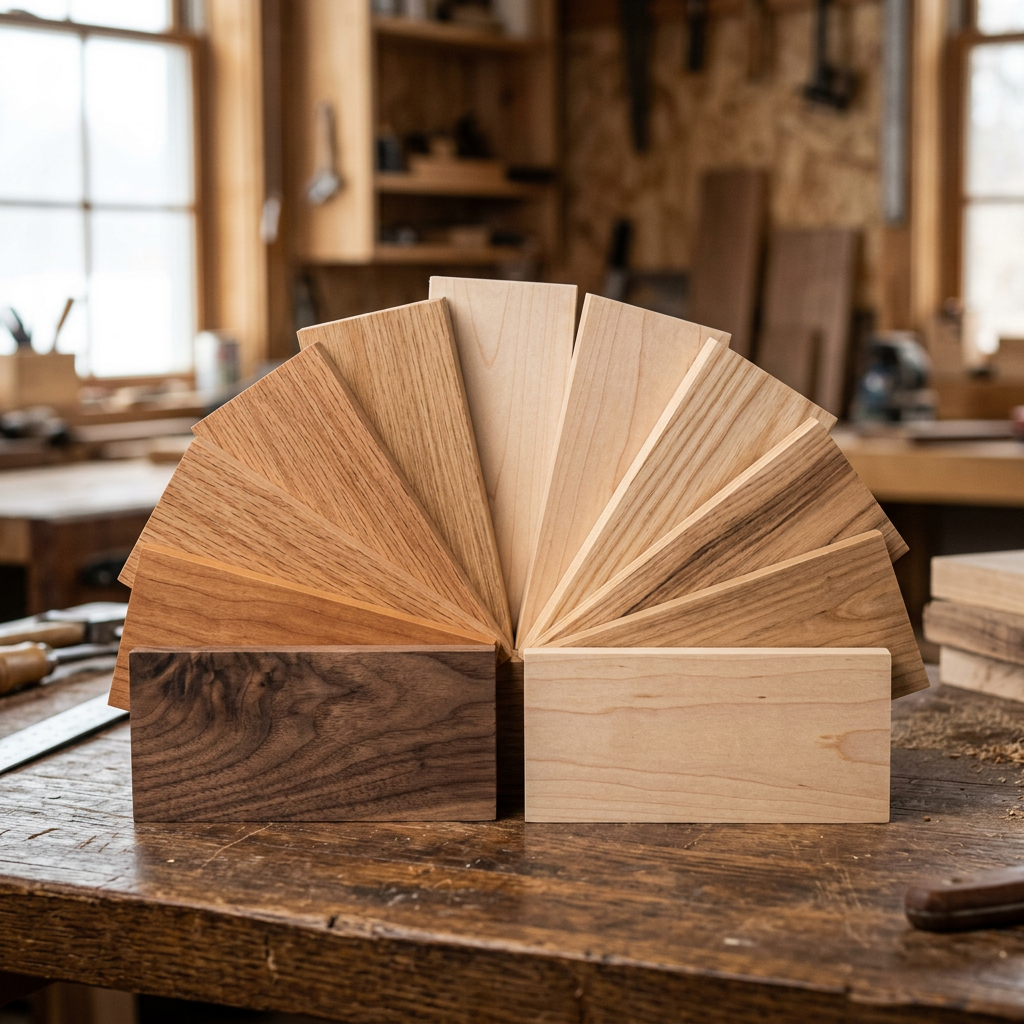
Hard Maple, Black Walnut, and Black Cherry are the three most popular domestic hardwoods for furniture making. Each brings a distinct look and set of properties to the workshop.
Quick Comparison
| Property | Hard Maple | Black Walnut | Black Cherry |
|---|---|---|---|
| Janka Hardness | 1,450 lbf | 1,010 lbf | 950 lbf |
| Weight | 44 lb/ft³ | 38 lb/ft³ | 35 lb/ft³ |
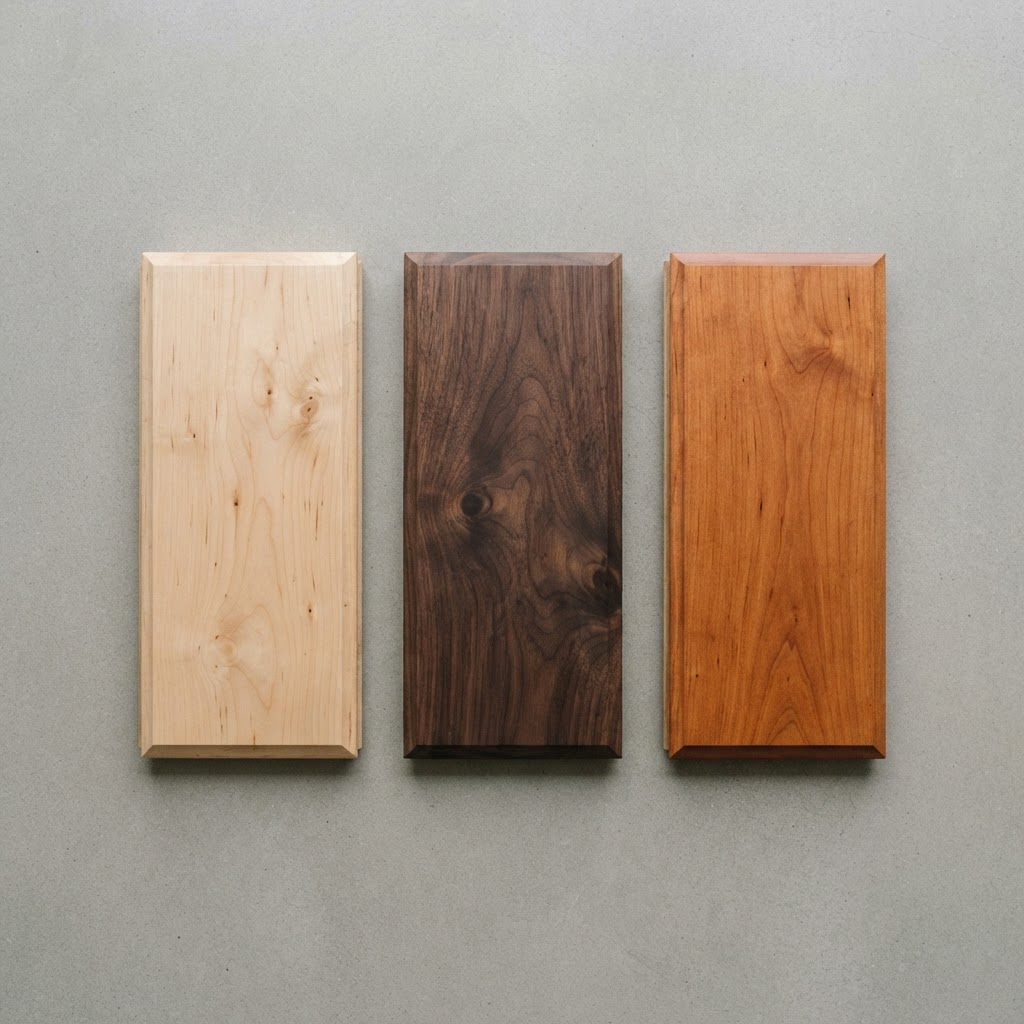
| Color | Cream/white | Chocolate brown | Pinkish → rich red-brown |
| Grain | Fine, closed | Medium, open | Fine to medium |
| Price (4/4 FAS) | $5-8/bf | $8-14/bf | $6-10/bf |
| Workability | Moderate | Easy | Easy |
| Stability | Good | Good | Good |
Color and Appearance
Hard Maple
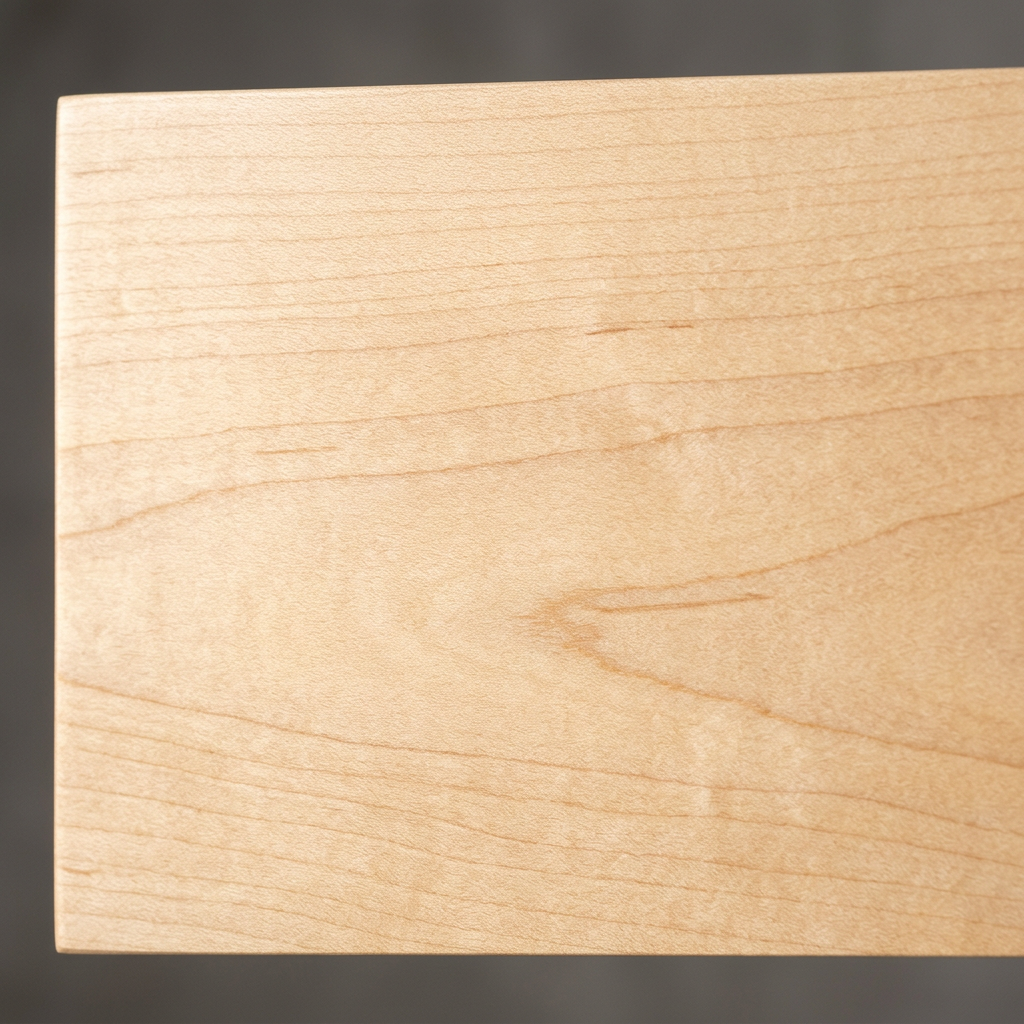
- •Fresh: Cream to near-white with subtle golden undertones
- •Aged: Yellows slightly over time
- •Character: Clean, contemporary, minimal grain contrast
- •Figured options: Curly, birdseye, quilted, spalted
Black Walnut
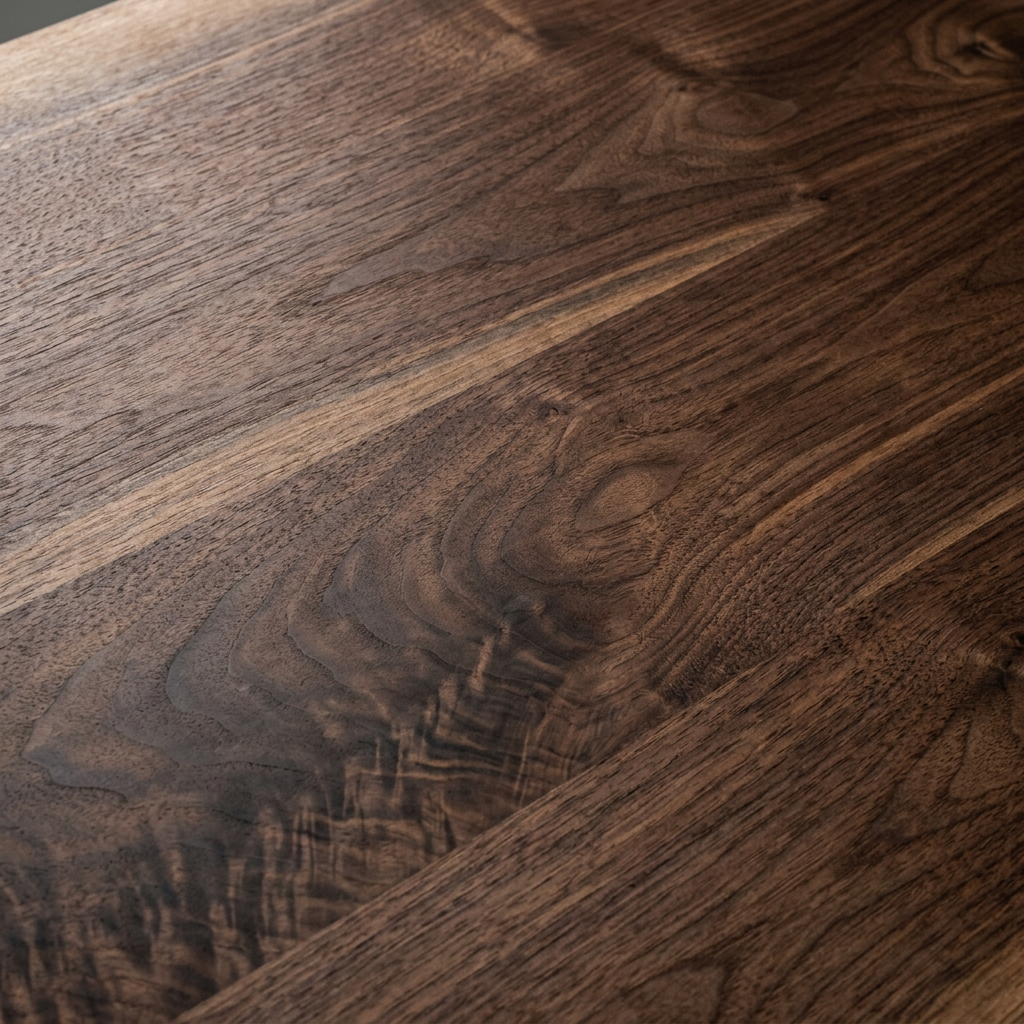
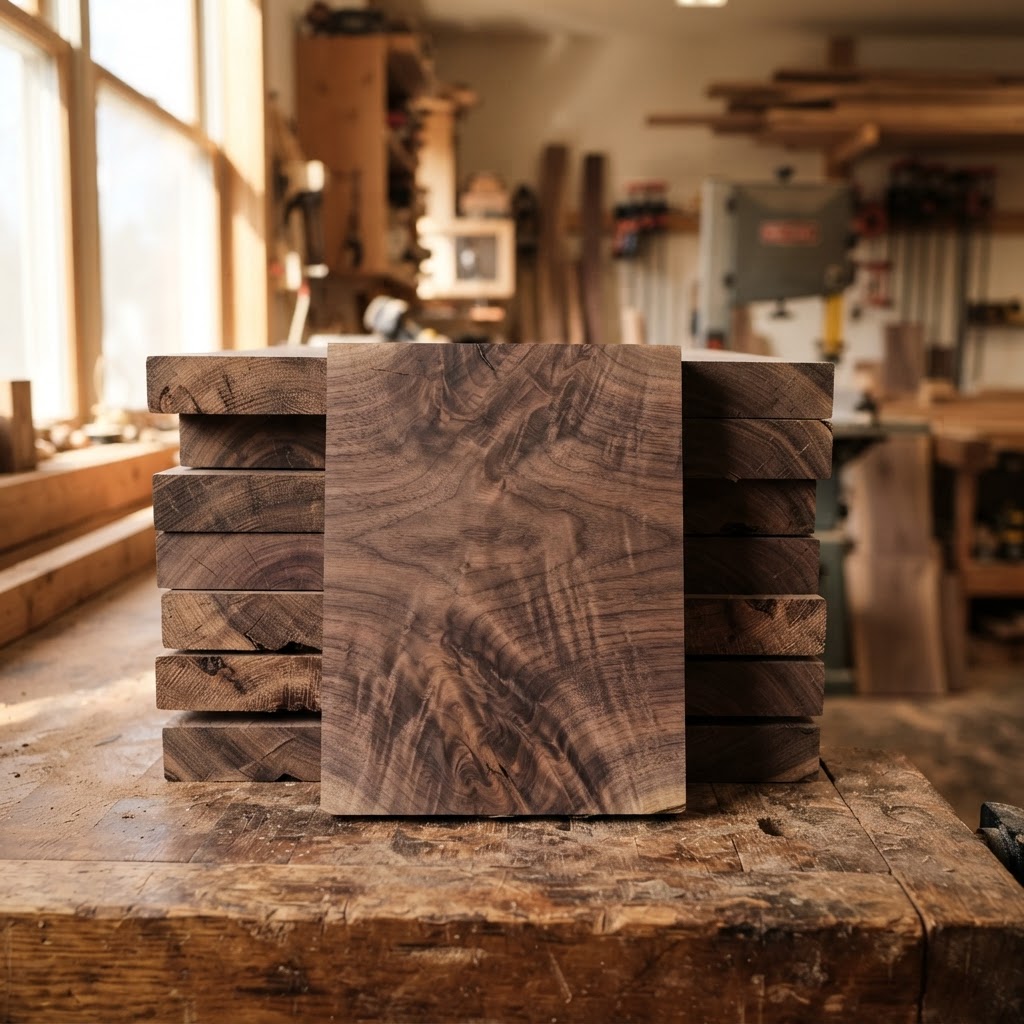
- •Fresh: Rich chocolate to purplish-brown
- •Aged: Lightens to warm medium brown
- •Character: Warm, dramatic, sophisticated
- •Figured options: Curly, crotch, burl
Black Cherry
- •Fresh: Light pinkish-brown (almost blonde)
- •Aged: Deepens dramatically to rich reddish-brown within months
- •Character: Warm, traditional, evolving
- •Figured options: Curly, crotch
Workability Comparison
Maple
- •Hard on cutting edges; carbide tooling recommended
- •Difficult to stain evenly — tends to blotch
- •Excellent for turning on a lathe
- •Burns easily with dull router bits or slow feed rate
- •Closed pores yield a naturally smooth surface
Walnut
- •The easiest of the three to work in every way
- •Machines cleanly, sands smoothly, accepts all finishes
- •Moderate dust irritation — wear a respirator
- •Glues well without special preparation
- •Takes a beautiful oil finish naturally
Cherry
- •Easy to work with hand and power tools
- •Notorious for blotching with stain — use conditioner
- •Burns very easily during routing and drilling
- •Develops a spectacular natural patina over time
- •Sap pockets (gum) can be challenging to finish over
Best Uses for Each
Choose Maple When:
- •You want a light, modern, Scandinavian aesthetic
- •The piece needs maximum hardness (flooring, butcher blocks)
- •You plan to paint the piece (takes paint beautifully)
- •You want a clean canvas for dye or colored stain
- •Kitchen cabinets or high-wear surfaces
Choose Walnut When:
- •You want a rich, dark, sophisticated look without stain
- •The piece is a showpiece — dining table, entertainment center
- •Budget isn't the primary concern
- •You want dramatic grain with natural character
- •Contemporary or mid-century modern design
Choose Cherry When:
- •You want a warm, traditional aesthetic
- •You appreciate a piece that "develops" character over years
- •Federal, Shaker, or Colonial reproduction furniture
- •You want the beauty of a fine hardwood at moderate cost
- •Bedroom furniture, desks, bookcases
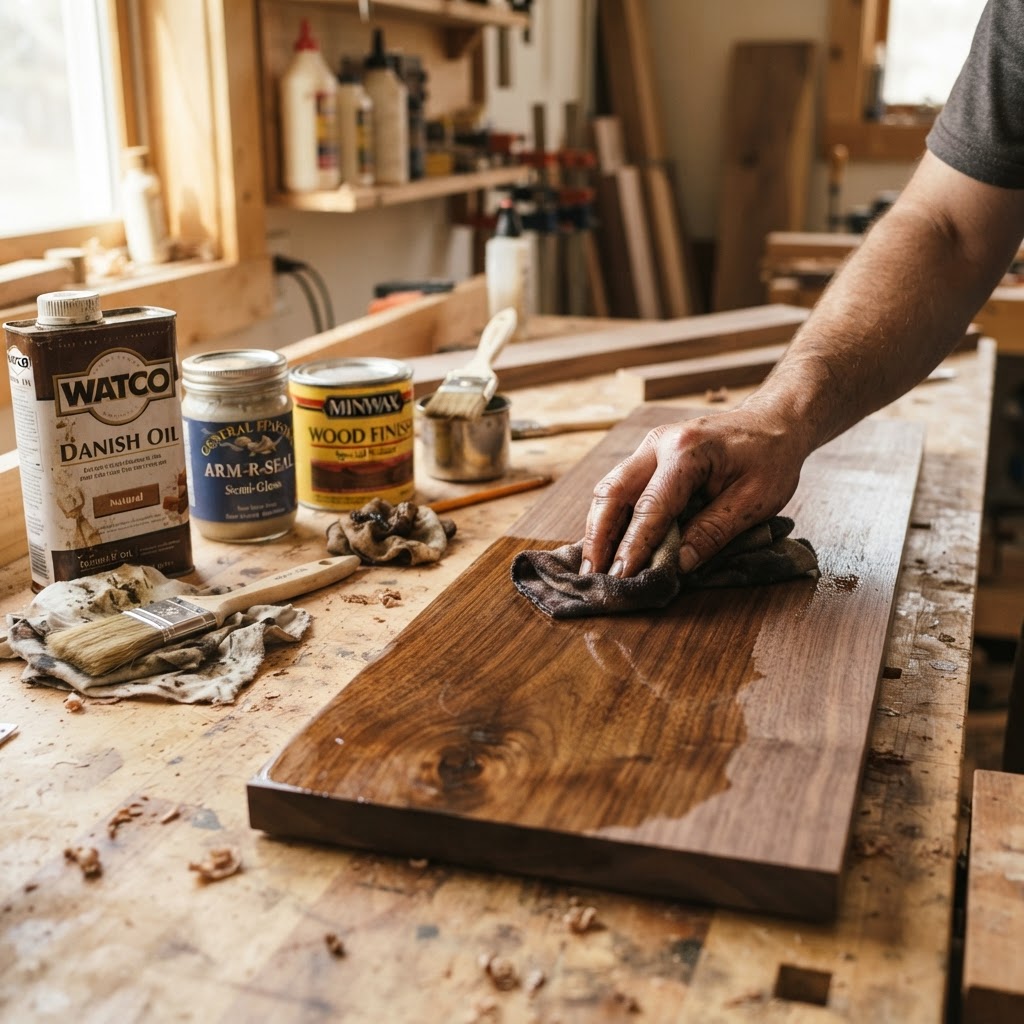
Finishing Considerations
- •Maple looks best with water-based finishes that preserve its light color, or with dye stains for modern colored effects
- •Walnut rarely needs stain — Danish oil or wiping varnish lets the natural color sing
- •Cherry should generally be finished natural and allowed to darken — staining cherry is fighting nature
Price and Availability
All three species are domestic, sustainably harvested, and widely available:
- •Maple is the most affordable and most available
- •Cherry offers excellent value for its beauty
- •Walnut commands a premium and pricing has risen steadily
The Bottom Line
There's no wrong choice among these three — each is a world-class furniture wood. Your decision comes down to:
- •Color preference — light (Maple), dark (Walnut), or warm medium (Cherry)
- •Budget — Maple is cheapest, Walnut most expensive
- •Design style — Contemporary (Maple), Modern/Sophisticated (Walnut), Traditional (Cherry)
- •Maintenance — All three are low-maintenance with proper finishing