Why Walnut Commands a Premium
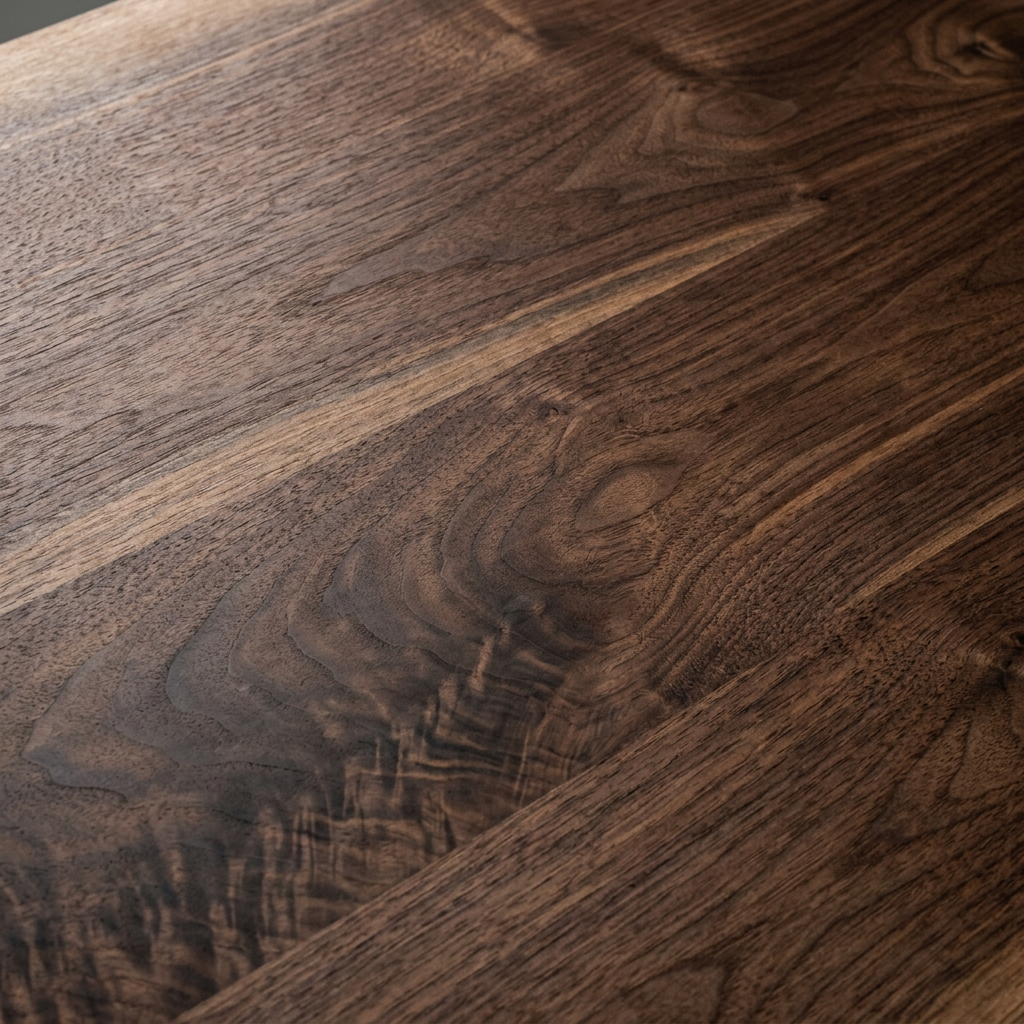
Black Walnut (Juglans nigra) has held a unique place in American woodworking for centuries. Its combination of rich chocolate-brown heartwood, straight-to-slightly-wavy grain, and excellent workability makes it the go-to species for high-end furniture, cabinetry, and gunstocks.
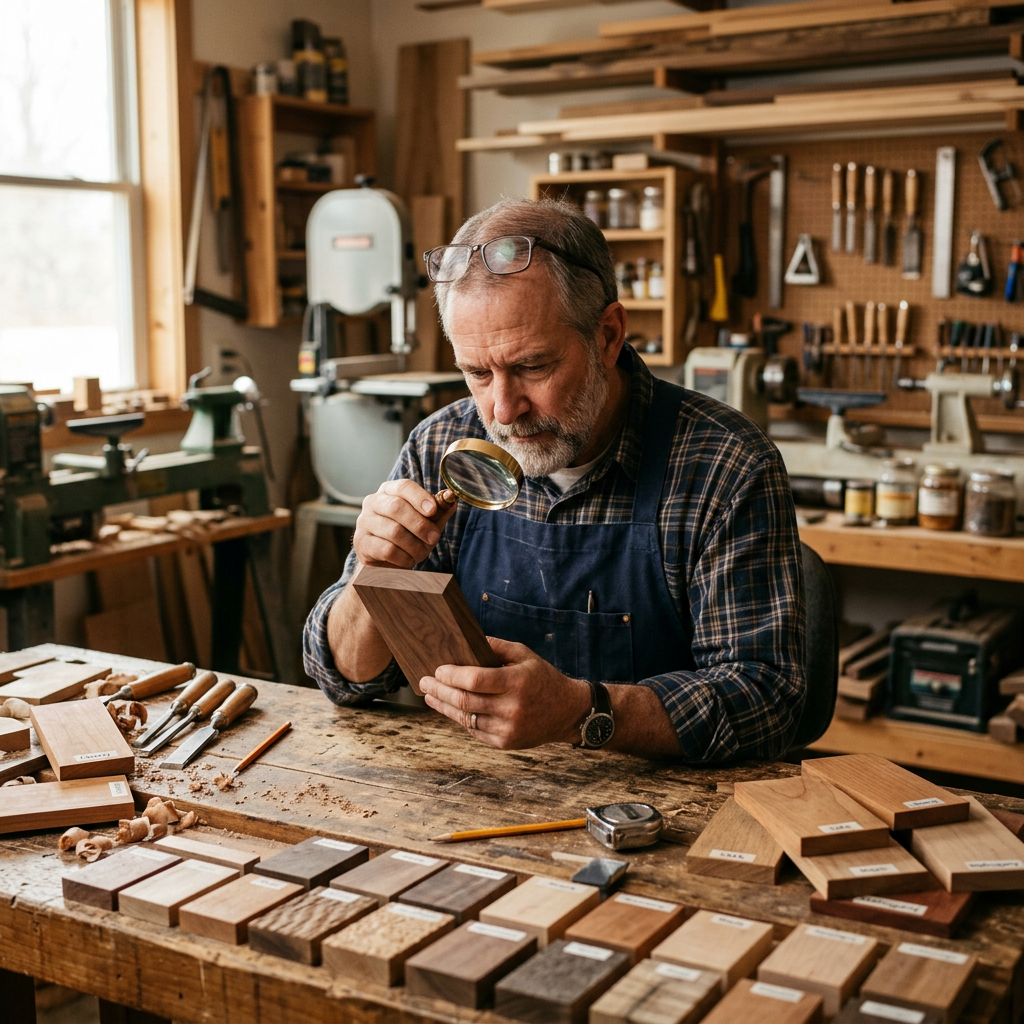
Identifying Quality Walnut
Heartwood vs. Sapwood
Walnut has one of the most dramatic heartwood-sapwood contrasts:
- •Heartwood: Rich chocolate brown to purplish-brown
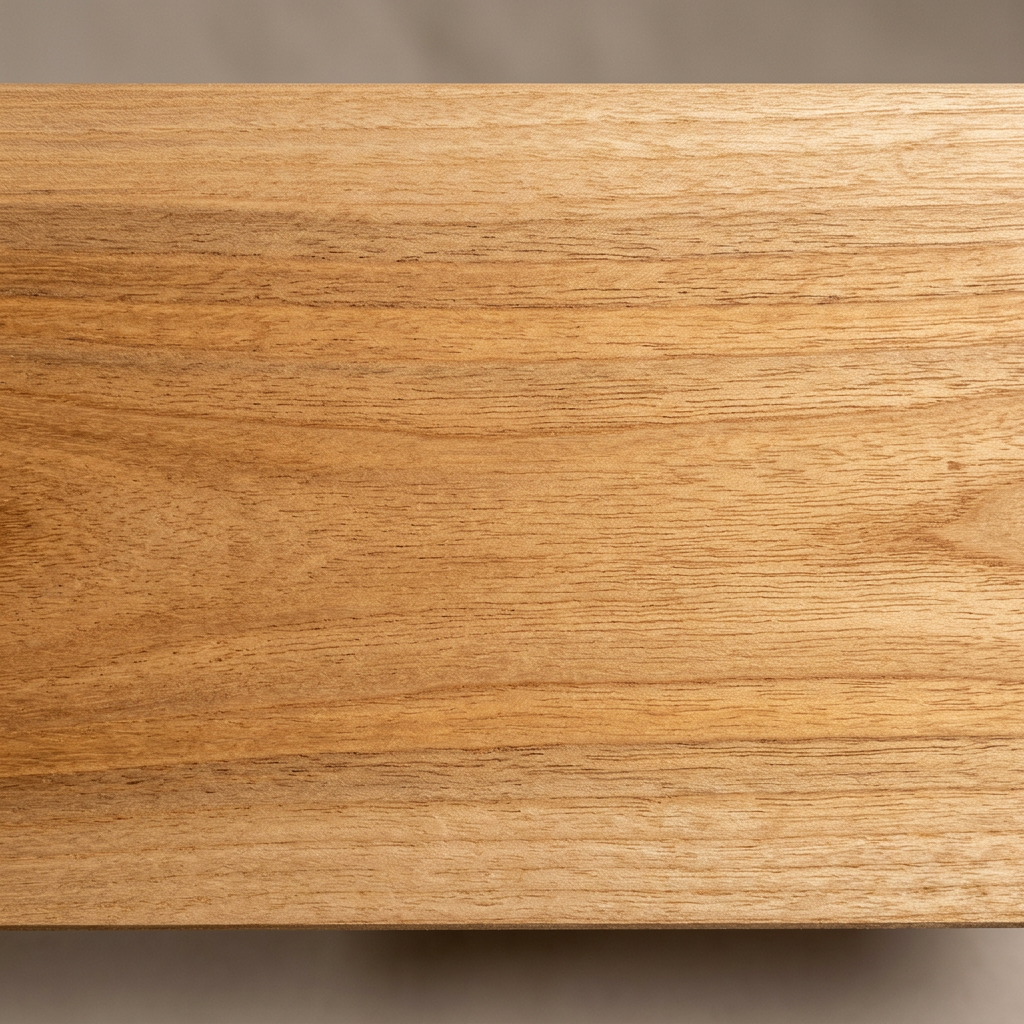
- •Sapwood: Pale cream to yellowish-white
- •The sapwood can be 1-3 inches wide and is significantly less valued
Grain Character
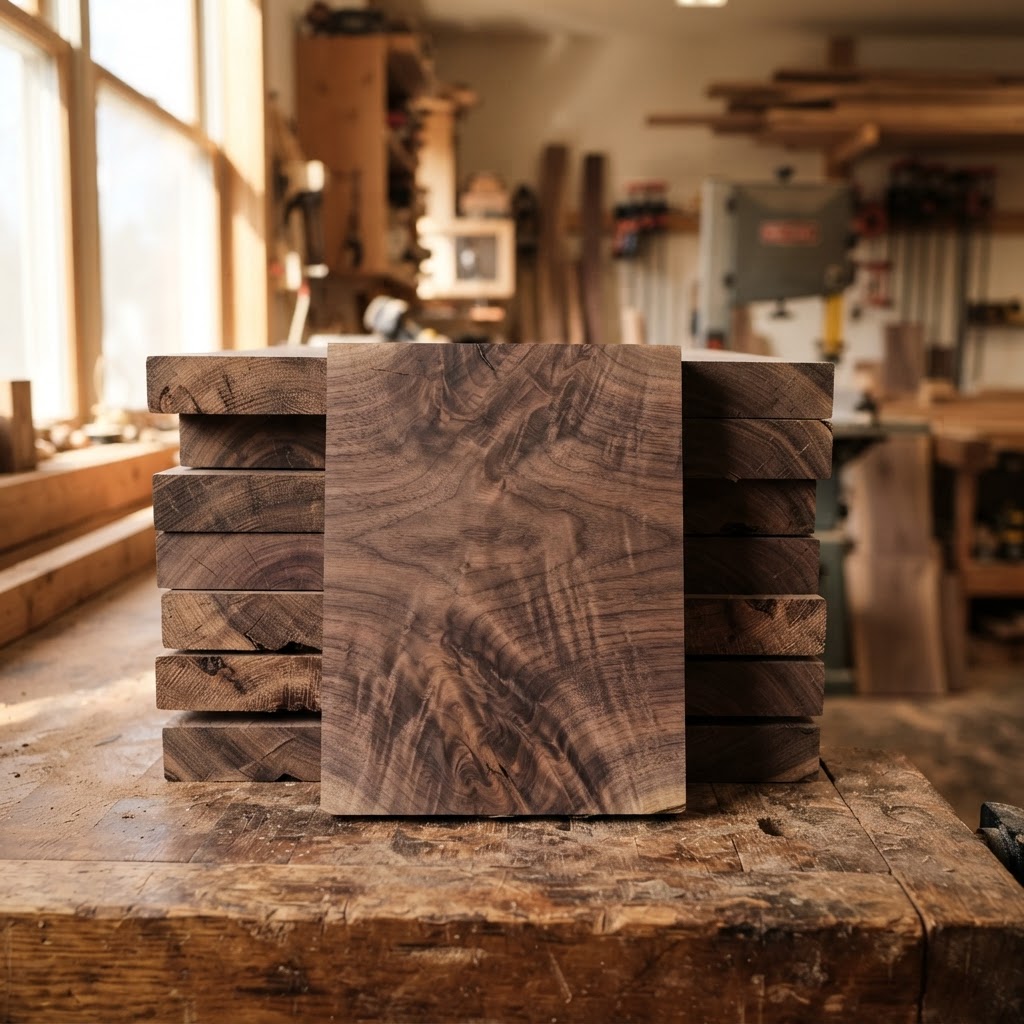
- •Typically straight-grained with occasional waves
- •Medium texture with a natural luster
- •Figured walnut (curly, crotch, burl) commands significant premiums
- •Cathedral grain pattern on flat-sawn boards is distinctive
Mechanical Properties
| Property | Value |
|---|---|
| Janka Hardness | 1,010 lbf |
| Avg. Dried Weight | 38 lb/ft³ |
| Modulus of Rupture | 14,600 psi |
| Elastic Modulus | 1.68 Mpsi |
| Crushing Strength | 7,580 psi |
Walnut sits in a sweet spot — hard enough for furniture and cabinetry, soft enough to work easily with hand tools. It's significantly softer than oak or maple but harder than cherry or poplar.
Workability
Walnut is consistently rated as one of the best woods to work:
- •Machines beautifully with sharp tools
- •Sands to a glass-smooth surface without much effort
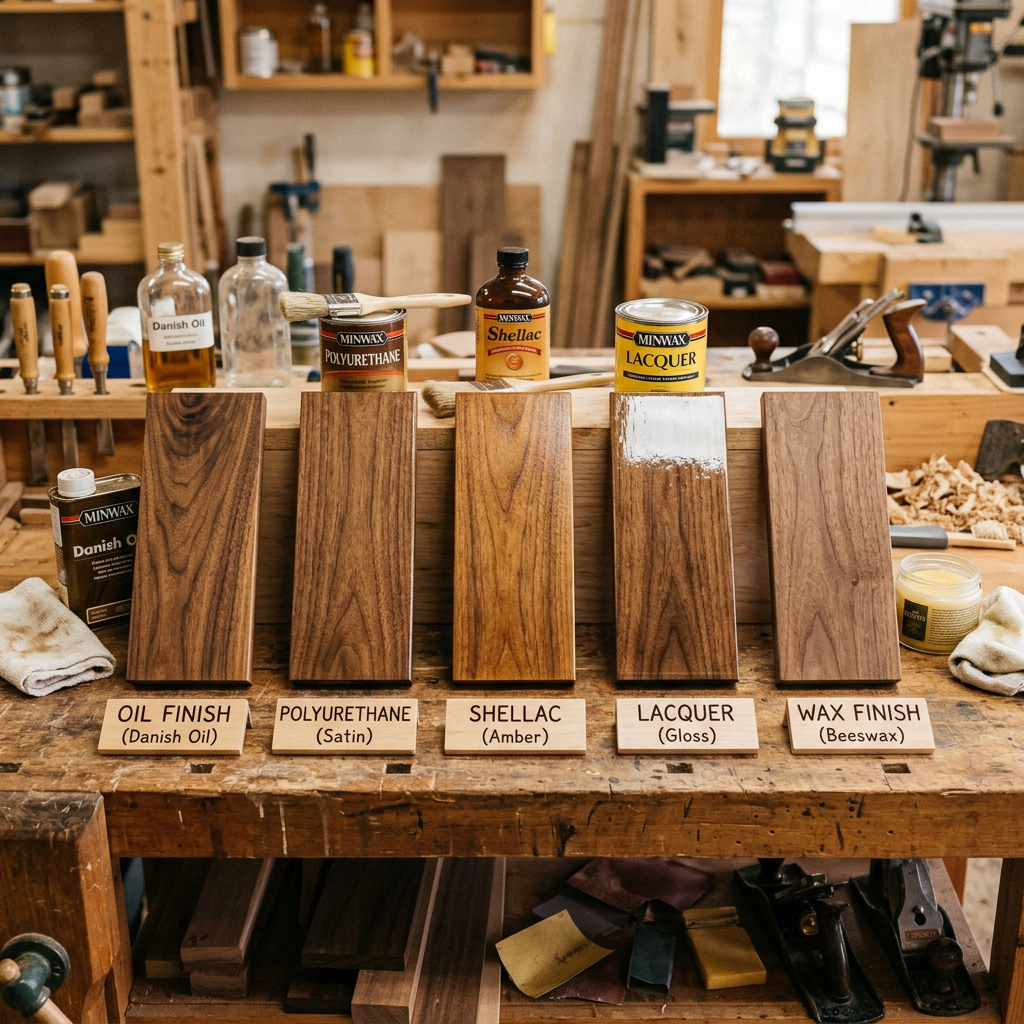
- •Accepts all finishes — oil, lacquer, polyurethane, shellac
- •Glues well without special surface preparation
- •Turns excellently on a lathe
- •Carves cleanly with minimal tear-out
Watch-Outs
- •Dust is a moderate irritant — wear a respirator
- •Can stain light-colored woods if stored in contact
- •Steamed walnut (to equalize sapwood color) is softer than air-dried
Color Changes Over Time
Fresh walnut is often darker than aged walnut. Over years, the rich chocolate heartwood lightens to a warm medium brown. This is the opposite of species like cherry that darken over time.
UV-blocking finishes slow this process but don't prevent it entirely.
Finishing Walnut
Best Approaches
- •Danish oil — Enhances grain without building a film; popular for contemporary furniture
- •Wiping varnish — Good protection with a natural look
- •Lacquer — Professional-grade clarity and durability
- •Shellac — Traditional choice, warm amber tone
Tips
- •Walnut rarely needs stain — its natural color is the point
- •A light coat of boiled linseed oil before topcoat pops the grain beautifully
- •Avoid water-based poly if you want to preserve the warm tone (it can look cold)
- •Walnut dust mixed with finish makes an excellent pore filler
Pricing and Availability
Walnut pricing has been volatile:
- •FAS grade 4/4: $8-14/bf retail (2024 prices)
- •Figured walnut: $15-40+/bf depending on character
- •Walnut burl: $50-100+/bf
- •Supply has tightened as old-growth stands diminish
Common Uses
- •Fine furniture and cabinetry
- •Gunstocks (traditional choice for over 200 years)
- •Musical instruments (guitar bodies, piano cases)
- •Turned bowls and decorative objects
- •High-end cutting boards
- •Architectural millwork
- •Veneer (sliced and rotary)
Sustainability
Black Walnut is not endangered and is widely planted. However:
- •Wild walnut populations have declined from overharvesting and disease
- •Thousand Cankers Disease threatens western populations
- •Plantation-grown walnut is increasingly common
- •The species is IUCN Least Concern and not CITES-listed
Walnut vs. Similar Species
| Comparison | Walnut Advantage | Alternative Advantage |
|---|---|---|
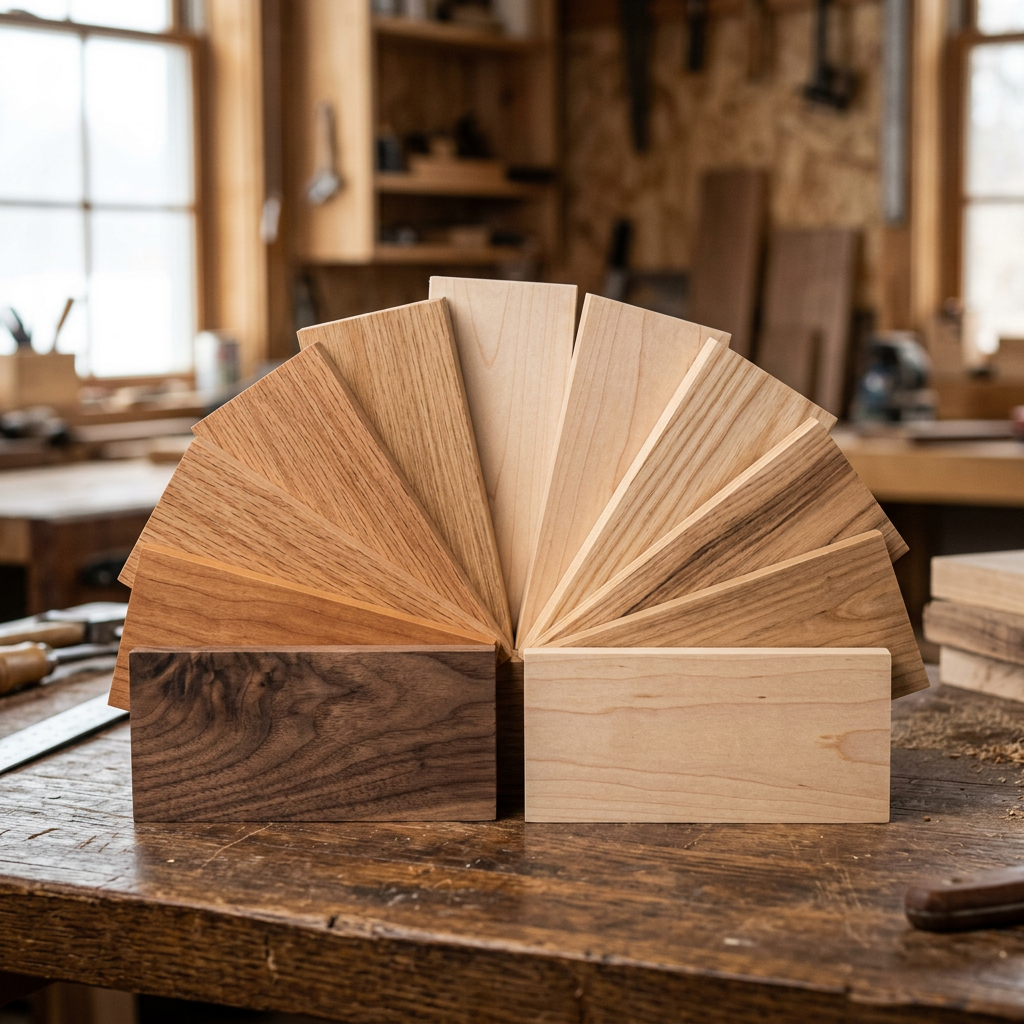
| vs. Cherry | Darker, richer color | Cherry darkens to rival walnut; cheaper |
| vs. Mahogany | Domestic, harder, more figured | Mahogany more stable, easier to carve |
| vs. Butternut | Much harder, more durable | Butternut lighter, softer, easier to carve |
| vs. Sapele | More figured, domestic | Sapele cheaper, similar color potential |