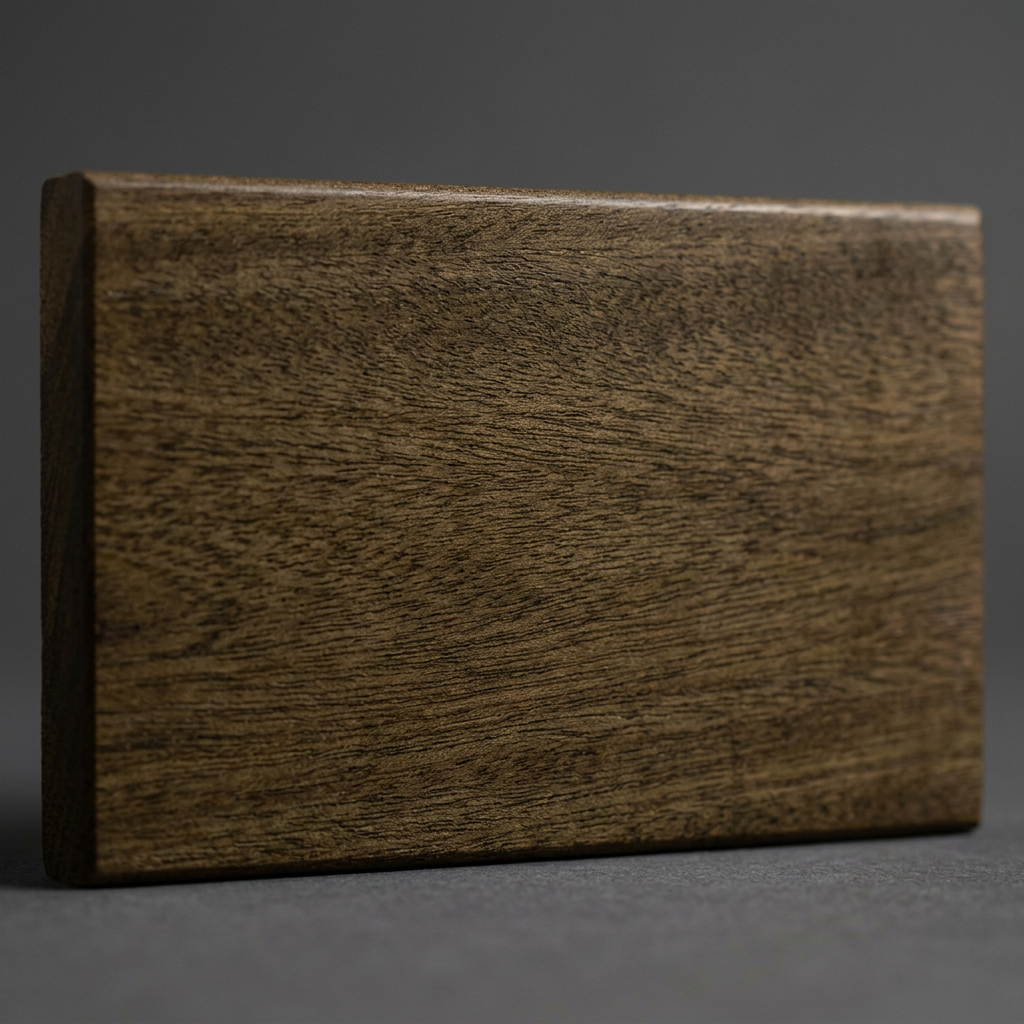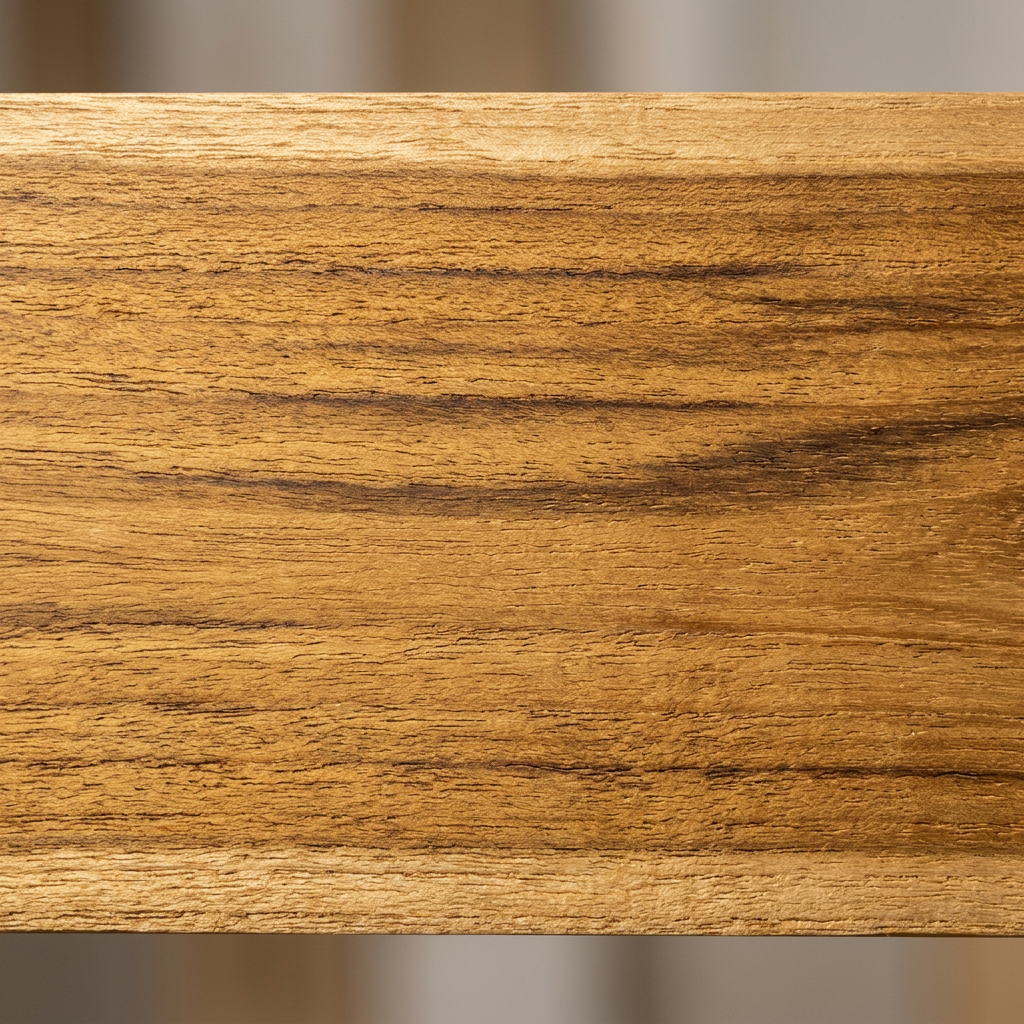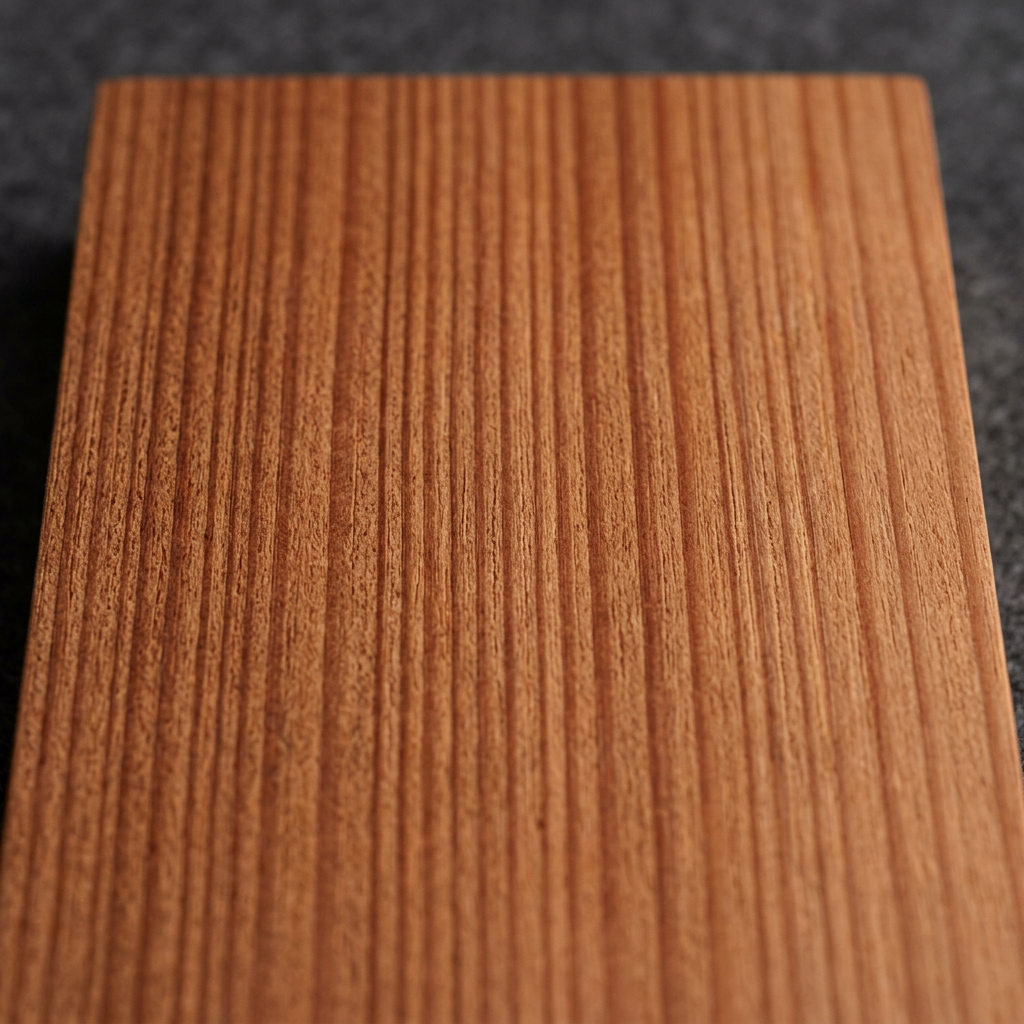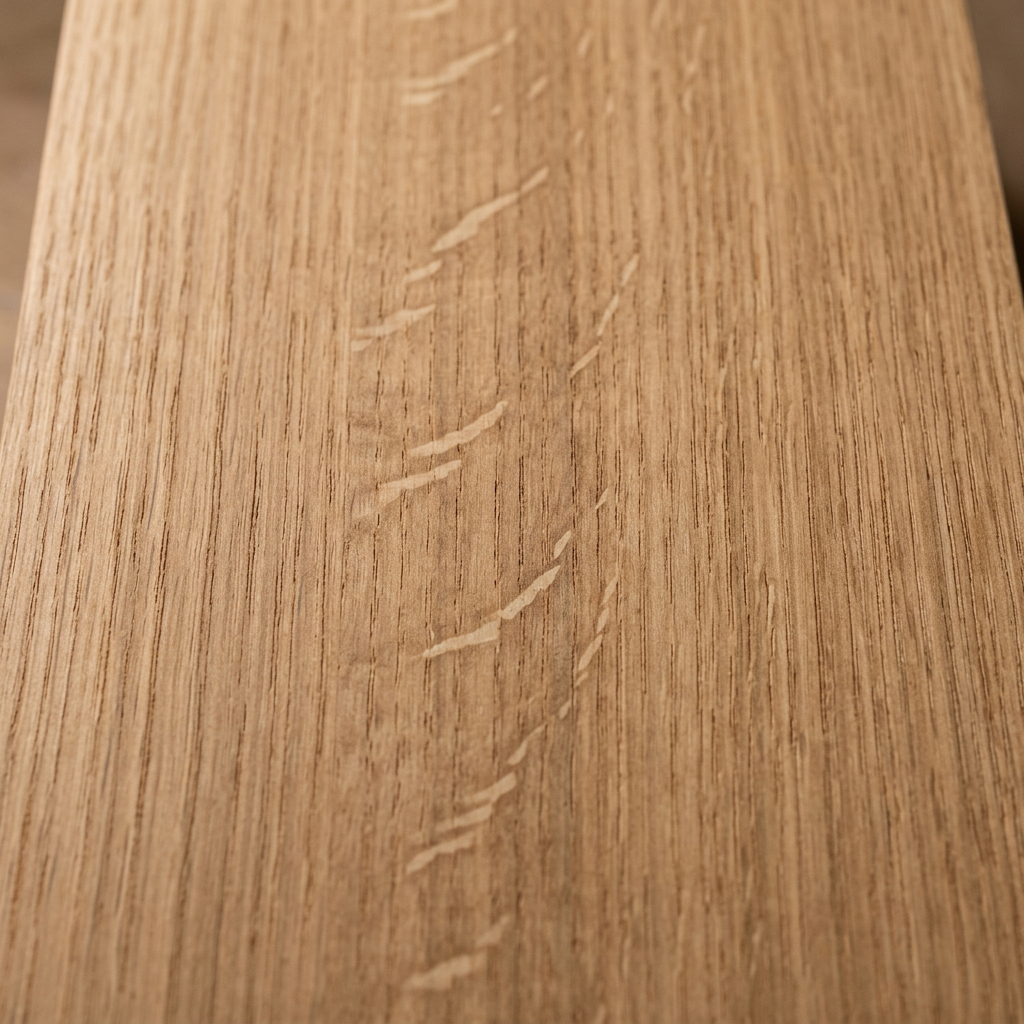
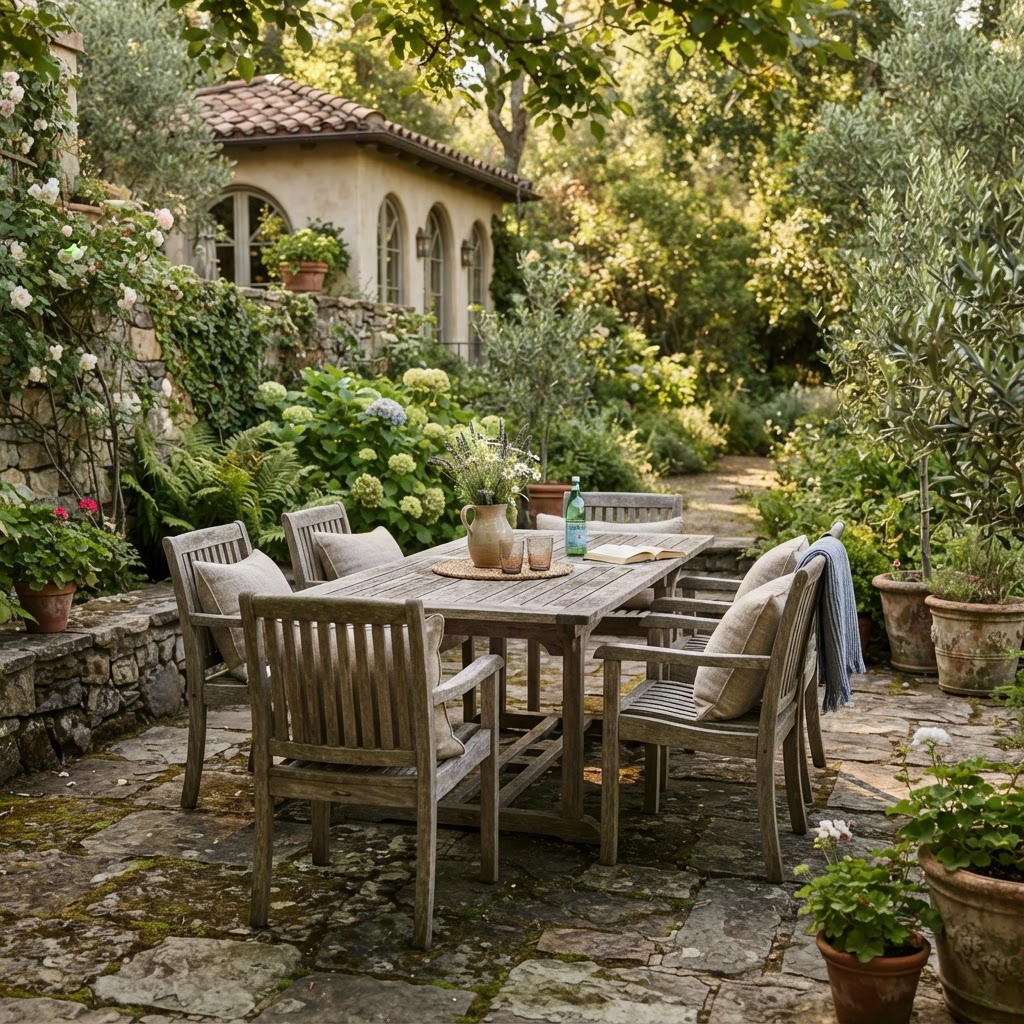
Choose for exposure, not a promised lifespan
For exposed outdoor furniture, start by comparing naturally durable heartwood, then narrow the choice by finished weight, joinery, maintenance, and the lumber you can actually obtain. Teak, western red cedar, white oak, and ipe are candidates, not interchangeable products. A covered porch chair and a bench left on wet soil do not have the same requirements.
This is a material-selection guide, not a service-life warranty or a structural specification. No species name alone establishes how long your furniture will last. Reference measurements describe samples, not the quality of a particular shipment.
Compare the practical trade-offs
| Wood | Reason to consider it | Trade-off before ordering | Ask the supplier |
|---|---|---|---|
| Teak | Durable heartwood and a long history in exterior work | Cost, sourcing, and adhesive or coating compatibility | Is it Tectona grandis, how much sapwood is allowed, and what origin documentation is supplied? |
| Western red cedar | Lightweight stock for furniture you need to move | Softer surfaces and fastening details require care | Is it Thuja plicata, what heartwood content is specified, and are suitable clear lengths available? |
| White oak | Heartwood suited to some exterior uses, with distinctive grain | Moisture movement, joint drainage, and staining around unsuitable hardware | Which oak group or species is supplied, and is heartwood specified? |
| Ipe | Dense wood with durable heartwood | Finished weight, machining, and drilling can add to the job | What species or trade grouping, finished dimensions, and sourcing documents accompany this lot? |
| Cypress or redwood | Other candidates where suitable heartwood is available | Performance cannot be inferred from the trade name or color alone | What heartwood content and grade does this quote actually include? |
Open the teak, western red cedar, white oak, and ipe profiles to review recorded properties and source notes. Use Compare Species to inspect the trade-offs side by side. Missing measurements are unknown, not zero.
Heartwood, sapwood, and the board you actually receive
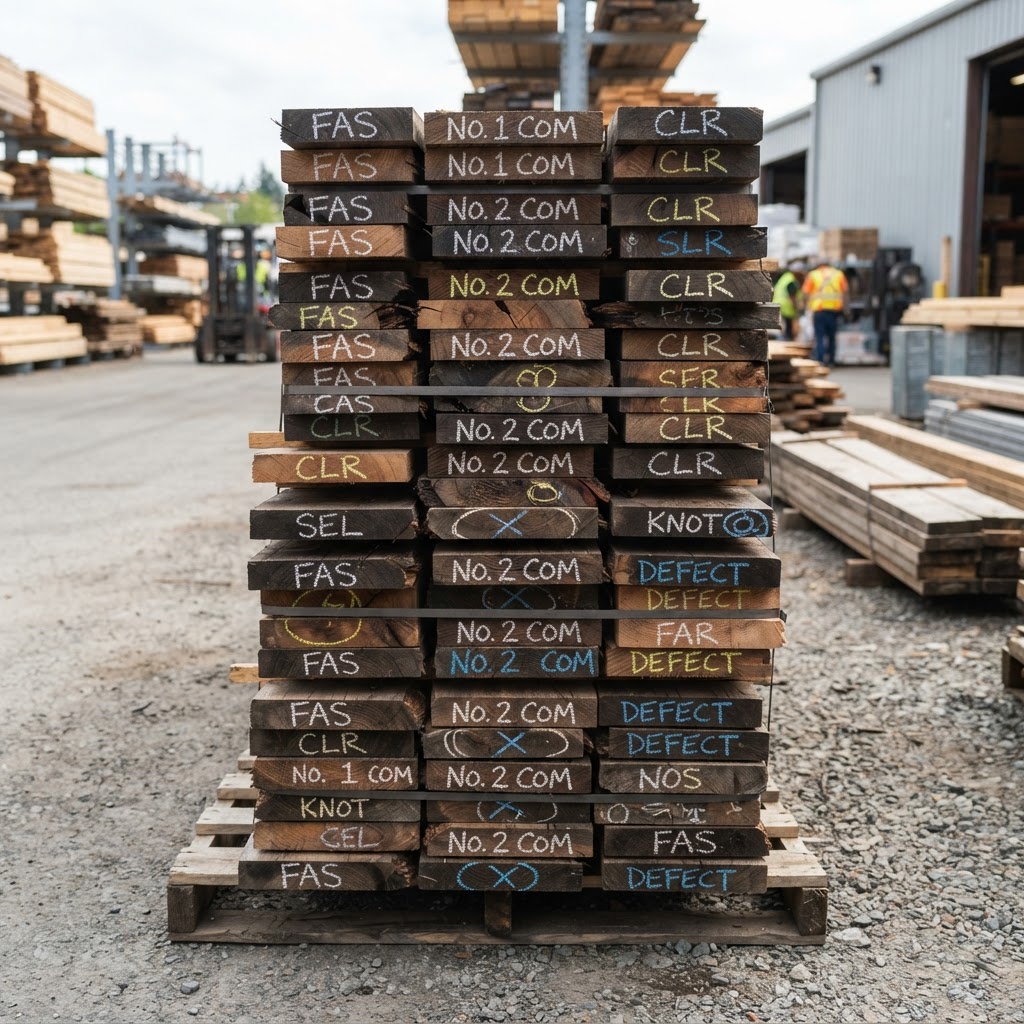
Natural decay resistance generally refers to heartwood. Sapwood should not be assumed to share it. A clear-looking board is not automatically all heartwood, and a grade describing clear cutting yield is not an exterior durability certification.
Specify the heartwood requirement when requesting a quote. Ask whether the supplier can meet it throughout the sections you will use, including feet and joints. A photograph is not sufficient proof of botanical identity, moisture content, or durability.
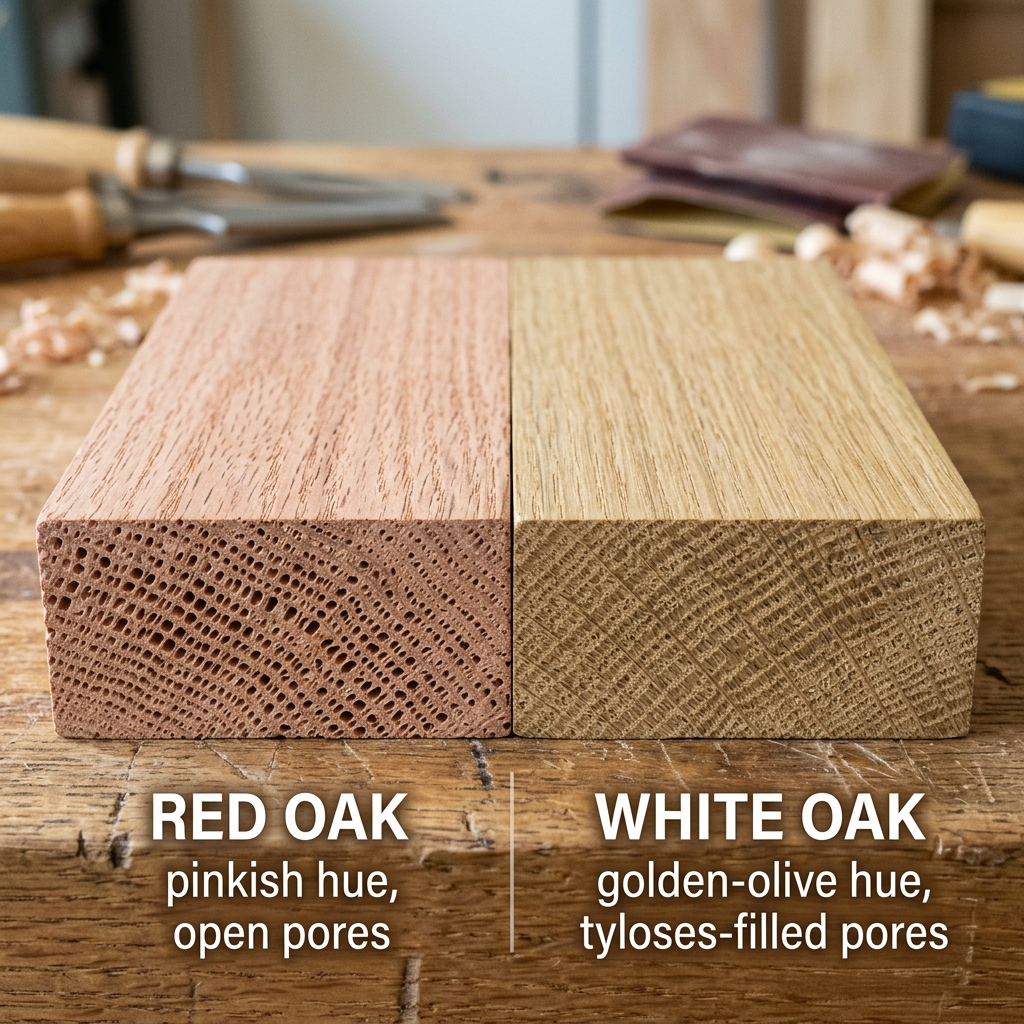
White oak is not waterproof. Tyloses can obstruct vessels and reduce liquid passage, but wood can still take up moisture and move. Do not substitute red oak for exposed white-oak furniture on the assumption that an exterior finish makes the woods equivalent. Read the red oak vs white oak comparison.
Covered porch, exposed patio, or ground contact?
Covered porch: Shelter reduces wetting, but condensation, wind-driven rain, and seasonal humidity still matter. Choose a coating and joinery suited to the actual exposure.
Exposed patio: Prioritize water-shedding details and drying. Avoid horizontal pockets that hold water, protect vulnerable end grain as the finish system requires, and allow for movement rather than locking wide boards rigidly in place.
Ground contact: Do not treat an above-ground recommendation as approval for buried parts or feet kept in wet soil. Keep ordinary furniture on draining supports. For treated lumber, verify the labeled use category and the supplier's instructions for the intended application.
Grey weathering and decay are different processes. Grey color alone does not prove failure, and a sound-looking face does not prove that a concealed joint is sound.
Before accepting a lumber quote
- •Confirm identity: Record the botanical name where available, not just "cedar," "oak," or "teak alternative."
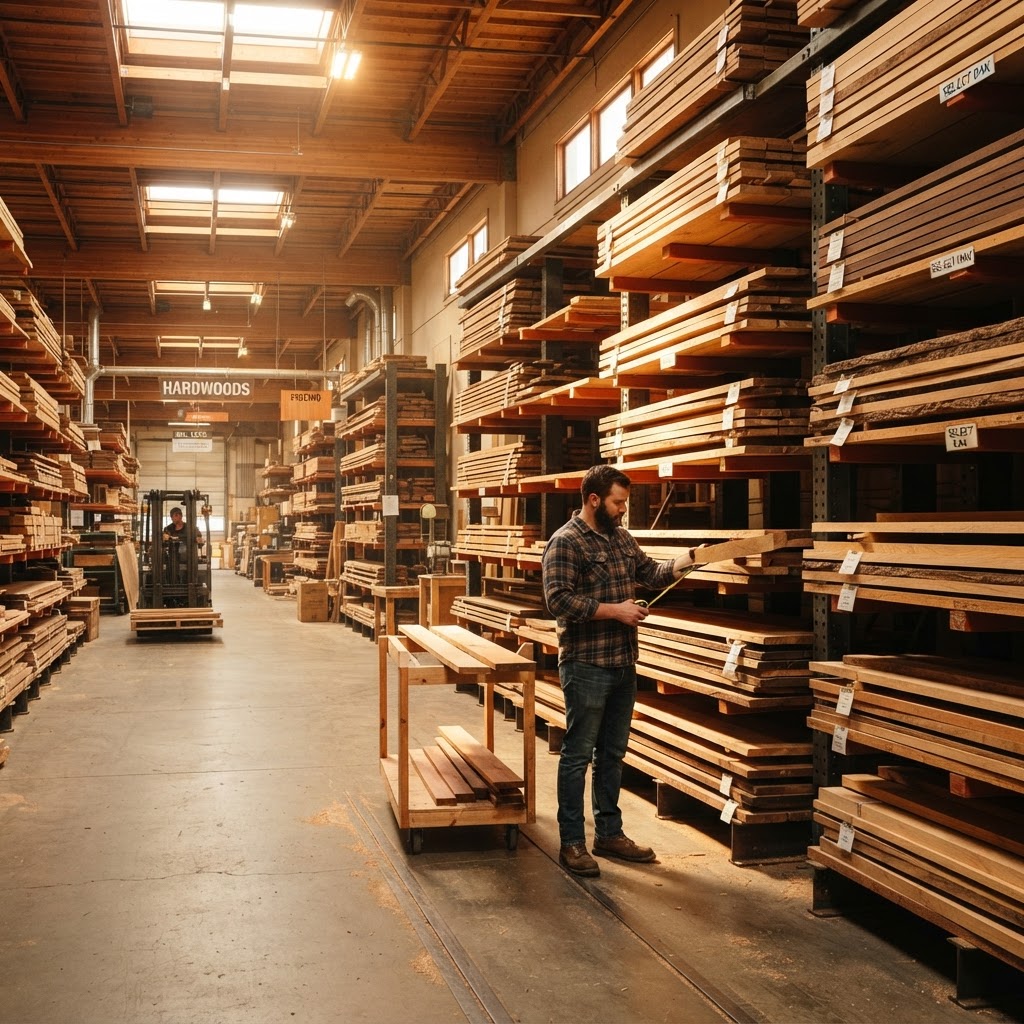
- •Specify usable dimensions: Ask for thickness after surfacing and the clear lengths needed for your cut list. Rough stock thickness is not a promise of final thickness.
- •Ask about moisture: Request the supplied moisture condition and measure it before joinery. A kiln-dried label is not a current meter reading or a guarantee that the wood is ready for your climate.
- •Compare delivered cost: Include milling, yield loss, delivery, tax, suitable hardware, adhesives, and finishes. Do not compare one supplier's price per board foot with another's price per linear foot without converting the dimensions.
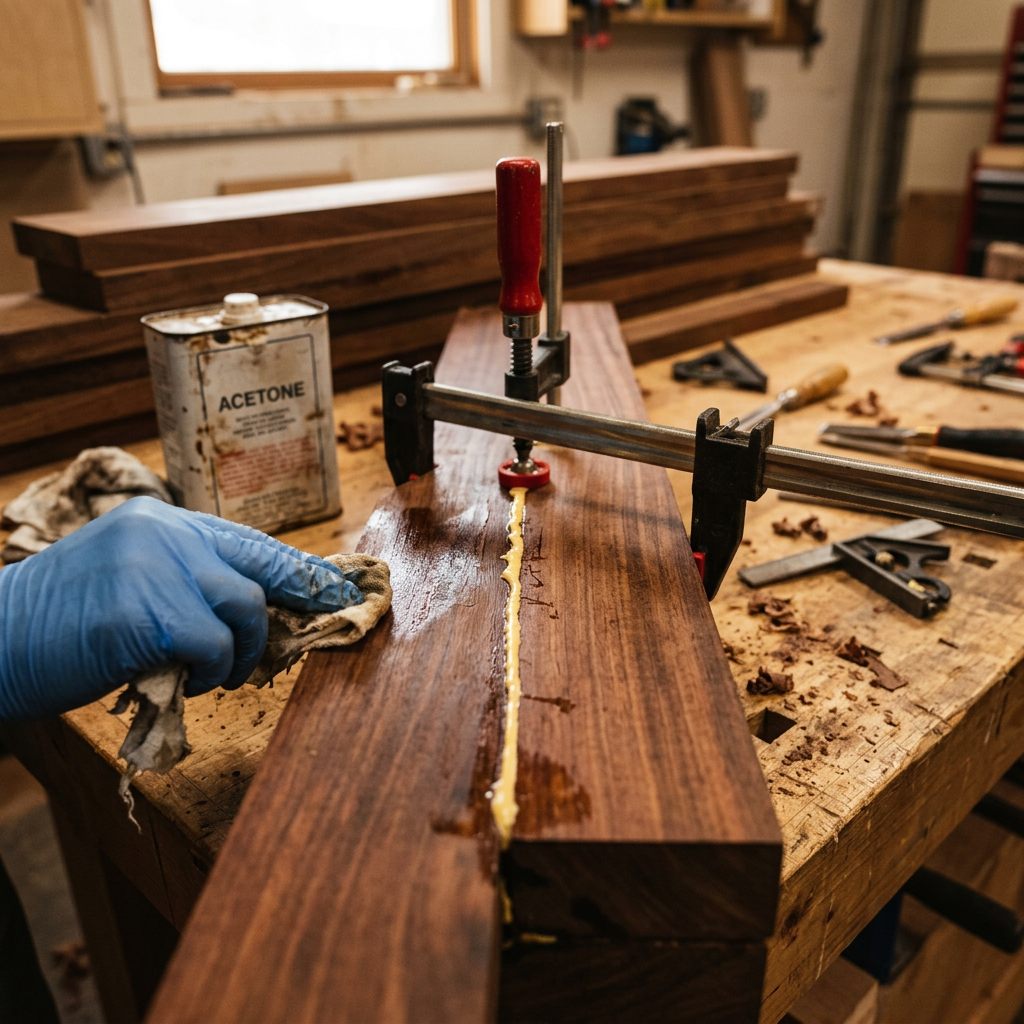
- •Check installation and maintenance requirements: Follow the selected adhesive, fastener, and finish manufacturers' instructions. Test adhesion on the actual stock when compatibility is uncertain.
- •Check documentation: Plantation origin or a conservation listing alone does not prove that a particular shipment was legally sourced.
Use the board foot calculator to estimate volume and a quote-based material cost. Choose a waste allowance from your cut list and board quality; a default percentage is not a guarantee of usable yield. The lumber grades guide explains why the cheapest grade per board foot may not be cheapest per usable part.
Finish and maintenance: color is not the whole job
Decide whether you want to retain the original color or accept weathering. Suitable exterior coatings can reduce wetting and surface deterioration, but do not stop all moisture movement or turn non-durable wood into durable heartwood. Clear and pigmented systems have different maintenance needs; follow the product's exposure limits and inspect before its coating fails.
An unfinished option is not a maintenance-free option. Inspect joints, feet, splinters, and fasteners, and clean as appropriate. Avoid assuming that a product labeled "teak oil" is a universal specification for teak or every exterior wood.
Buyer questions
If white oak works outdoors, can I use red oak instead?
Do not assume so. The woods differ in vessel structure and natural heartwood durability. For exposed untreated furniture, white oak heartwood is the more appropriate candidate to investigate; neither wood is waterproof. A finish alone does not remove the underlying material difference.
Can you leave wooden furniture outside in winter?
There is no universal yes. The material, construction, climate, and manufacturer's instructions determine suitability. Keep it away from standing water and soil, allow drying, and avoid covers that trap moisture. Inspect joints and feet before putting the furniture back into use.
Do I need to seal outdoor furniture?
A suitable finish may help control surface weathering and preserve the appearance you want. It does not replace durable material, drainage, and maintenance. Some durable-heartwood designs can be left unfinished, but still require inspection and care.
Sources and limits
Primary reference: USDA Forest Products Laboratory, Wood Handbook: Wood as an Engineering Material (2021), FPL-GTR-282. See Chapter 14: Biodeterioration of wood for decay conditions and natural durability, Chapter 4: Moisture relations and physical properties for moisture and movement, Chapter 6: Commercial lumber for lumber terminology, and Chapter 16: Finishing wood for coating and weathering principles.
These references support the selection principles, not current supplier prices, a guaranteed lifespan, certification of any shipment, or a claim that every library measurement has been verified. Editorial revision: October 15, 2026. Illustrations are not diagnostic specimen photographs.