What Is CITES and Why Should Woodworkers Care?
CITES — the Convention on International Trade in Endangered Species of Wild Fauna and Flora — is an international agreement between governments that regulates the cross-border trade of certain plants and animals. For woodworkers and lumber dealers, CITES is the single most important regulation governing the import and export of tropical hardwoods.
If you've ever tried to buy rosewood, bubinga, or ebony, you've likely encountered CITES restrictions. But what do these regulations actually mean? Are these woods truly "banned"? The short answer: it's complicated.
CITES Appendix Listings Explained
CITES classifies species into three appendices, each with different levels of trade restriction:
Appendix I — Strictly Prohibited
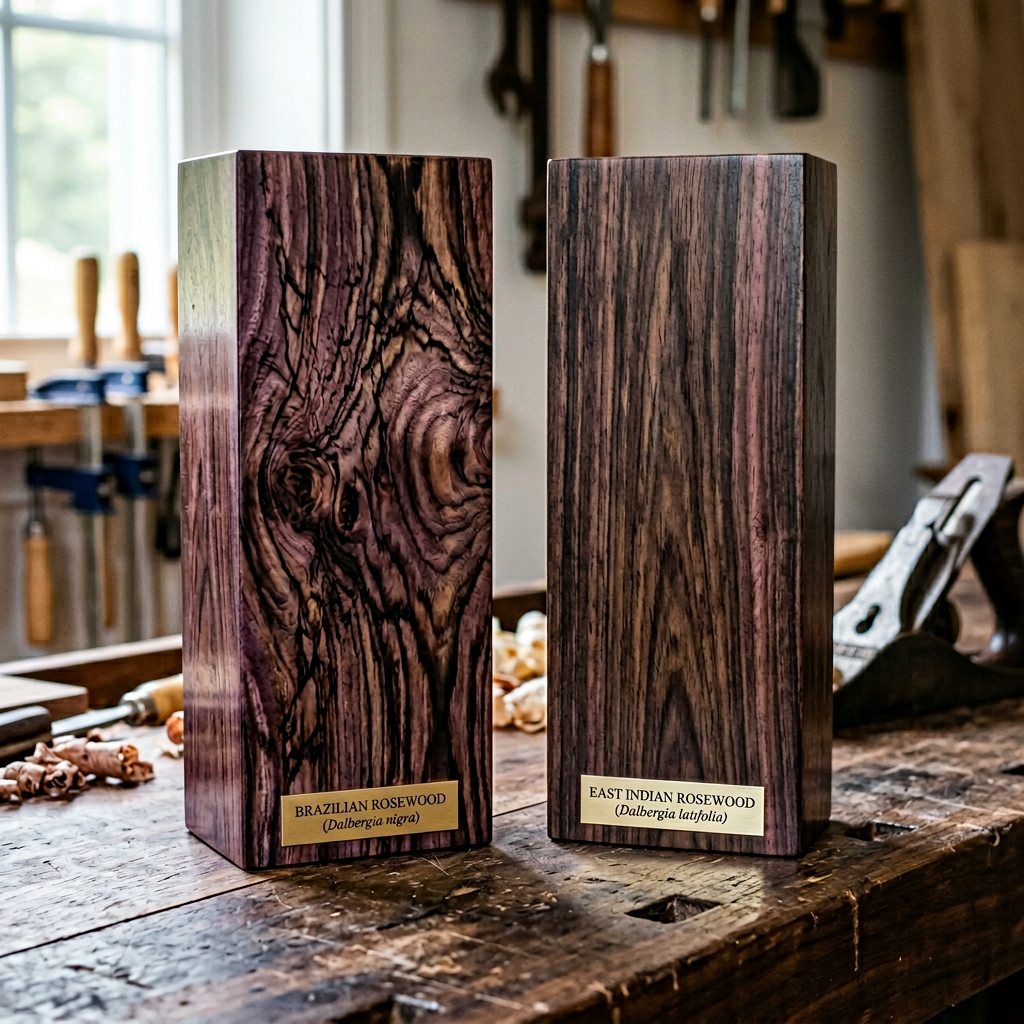
Species listed under Appendix I are threatened with extinction, and commercial international trade is essentially banned. The most famous example for woodworkers is Brazilian Rosewood (Dalbergia nigra), which has been on Appendix I since 1992.
If you own a guitar or furniture made from Brazilian Rosewood before the listing, you can generally keep it — but selling or transporting it across international borders requires extensive documentation.
Appendix II — Regulated Trade
Appendix II species aren't necessarily threatened with extinction, but trade must be controlled to prevent that outcome. This is where most of the confusion lies. Many rosewoods, including the entire Dalbergia genus, were added to Appendix II in 2017.
Appendix II doesn't mean "banned." It means:
- •Export permits are required from the country of origin
- •The exporting country must verify the harvest was legal and sustainable
- •Documentation must accompany any international shipment
Species commonly affected include:
- •East Indian Rosewood (Dalbergia latifolia)
- •Bubinga (Guibourtia spp.) — added in 2017
- •African Rosewood / Kosso (Pterocarpus erinaceus)
- •Many other tropical hardwoods
Appendix III — Country-Specific
Appendix III species are regulated at the request of a specific country. This is the least restrictive level, requiring certificates of origin rather than full export permits.
So, Is Rosewood Banned?
Brazilian Rosewood — effectively yes, for international commercial trade. It has been on Appendix I since 1992.
Other Rosewoods (East Indian, Honduras, etc.) — no, but heavily regulated. They're on Appendix II, meaning international trade requires proper documentation. You can still buy these woods, but your dealer needs to have legitimate supply chain documentation.
Is Bubinga Banned?
No. Bubinga (Guibourtia demeusei, G. pellegriniana, and G. tessmannii) was added to CITES Appendix II in January 2017. This means it can still be traded internationally, but export permits are required. Prices have risen due to the additional regulatory burden, and availability has tightened — but it's not banned.
What This Means for Woodworkers
Buying Domestically
If you're buying CITES-listed wood from a domestic dealer who already has it in stock within your country, the transaction is generally straightforward. The CITES requirements primarily apply to international trade — crossing national borders.
Buying Internationally
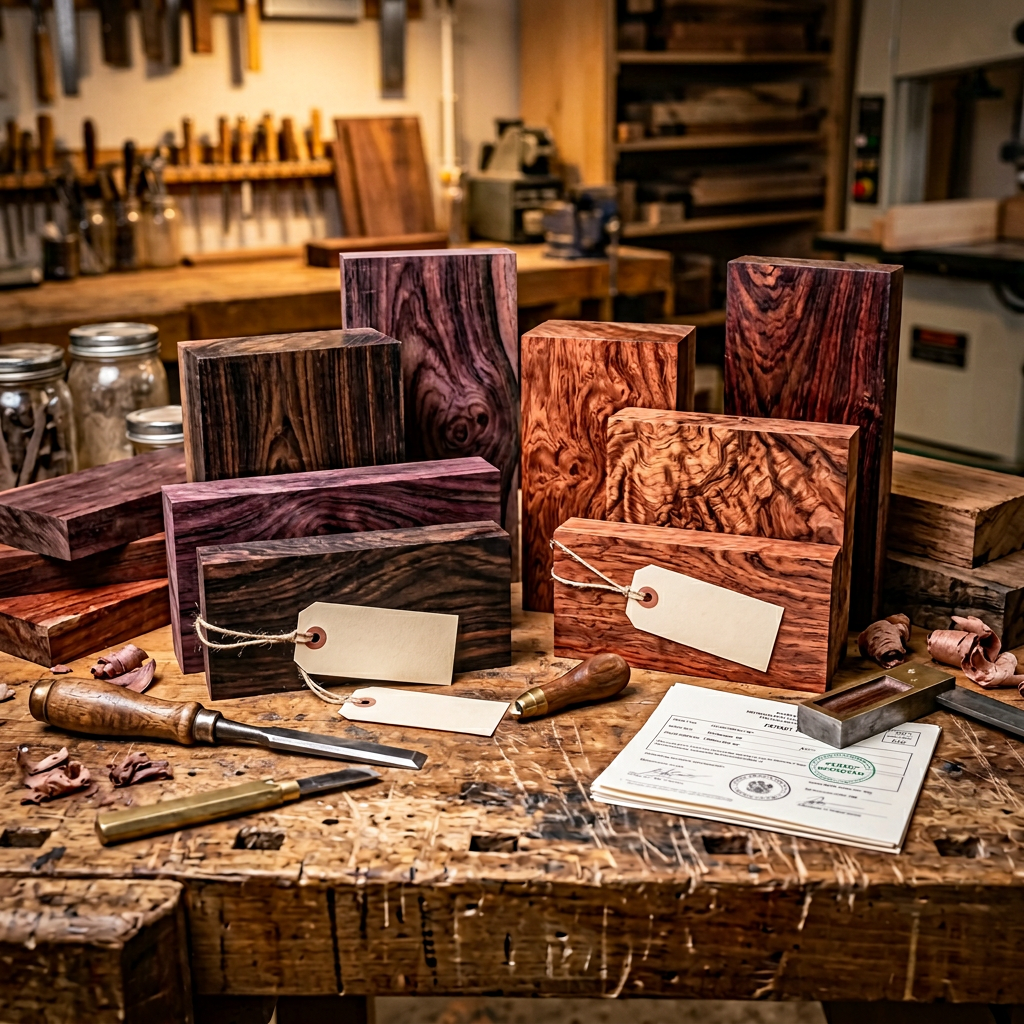
If you're importing wood or buying from an overseas vendor, you need to ensure proper CITES permits accompany the shipment. Without them, your wood can be seized at customs.
Selling Finished Pieces
If you build a guitar or piece of furniture using CITES-listed wood and want to sell it internationally, you may need documentation proving the wood was legally acquired. For domestic sales, regulations vary by country.
Best Practices
- •Buy from reputable dealers who can provide documentation of legal sourcing
- •Keep receipts and provenance records for any CITES-listed wood you purchase
- •Check current listings — CITES is updated every 2-3 years at the Conference of the Parties
- •Consider alternatives — many beautiful domestic hardwoods can substitute for restricted tropical species
- •Support sustainable forestry — FSC-certified tropical hardwoods help ensure long-term availability
The Bigger Picture
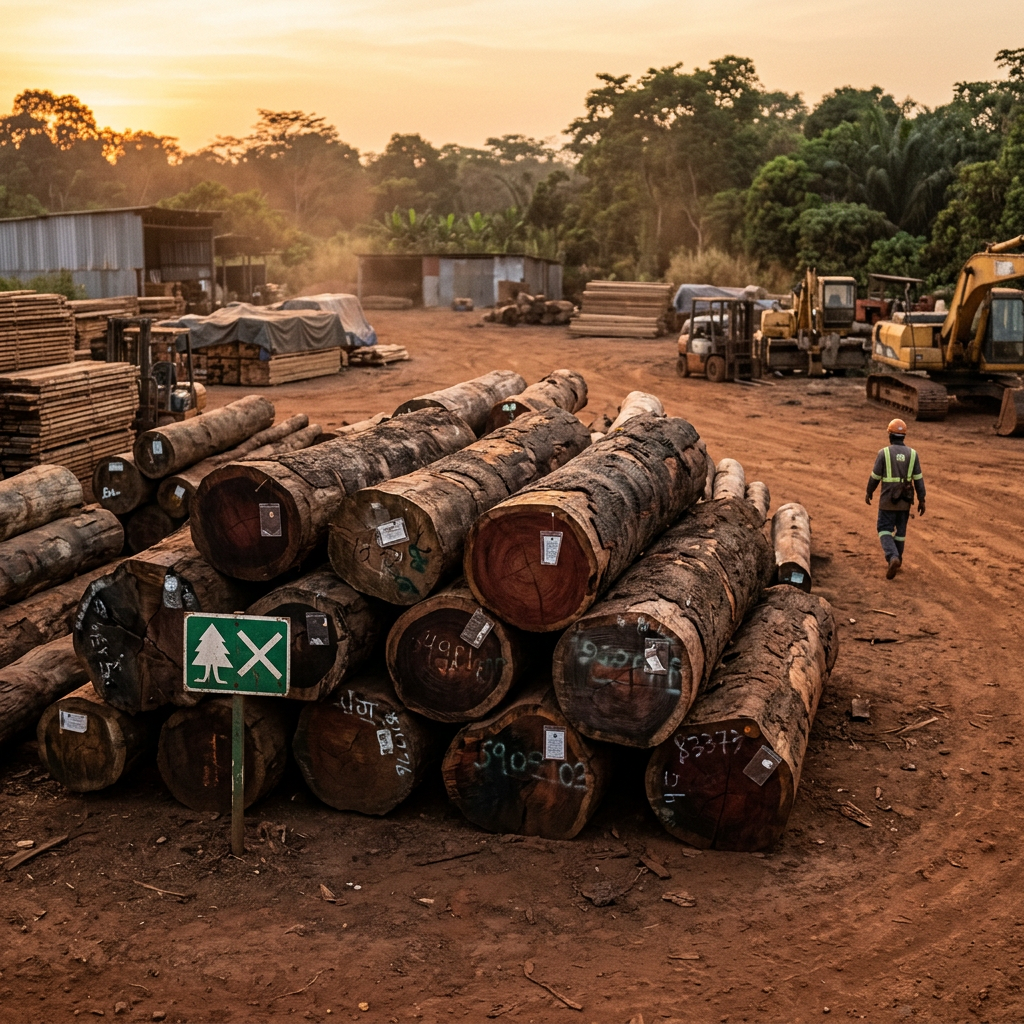
CITES restrictions exist because decades of unsustainable logging have pushed many tropical hardwood species toward the brink. While the regulations can feel burdensome for small-shop woodworkers, they're an essential tool for ensuring these magnificent trees survive for future generations.
The good news: responsible forestry and plantation programs are helping some species recover. And for every restricted exotic, there are dozens of beautiful, readily available domestic species waiting to be discovered.