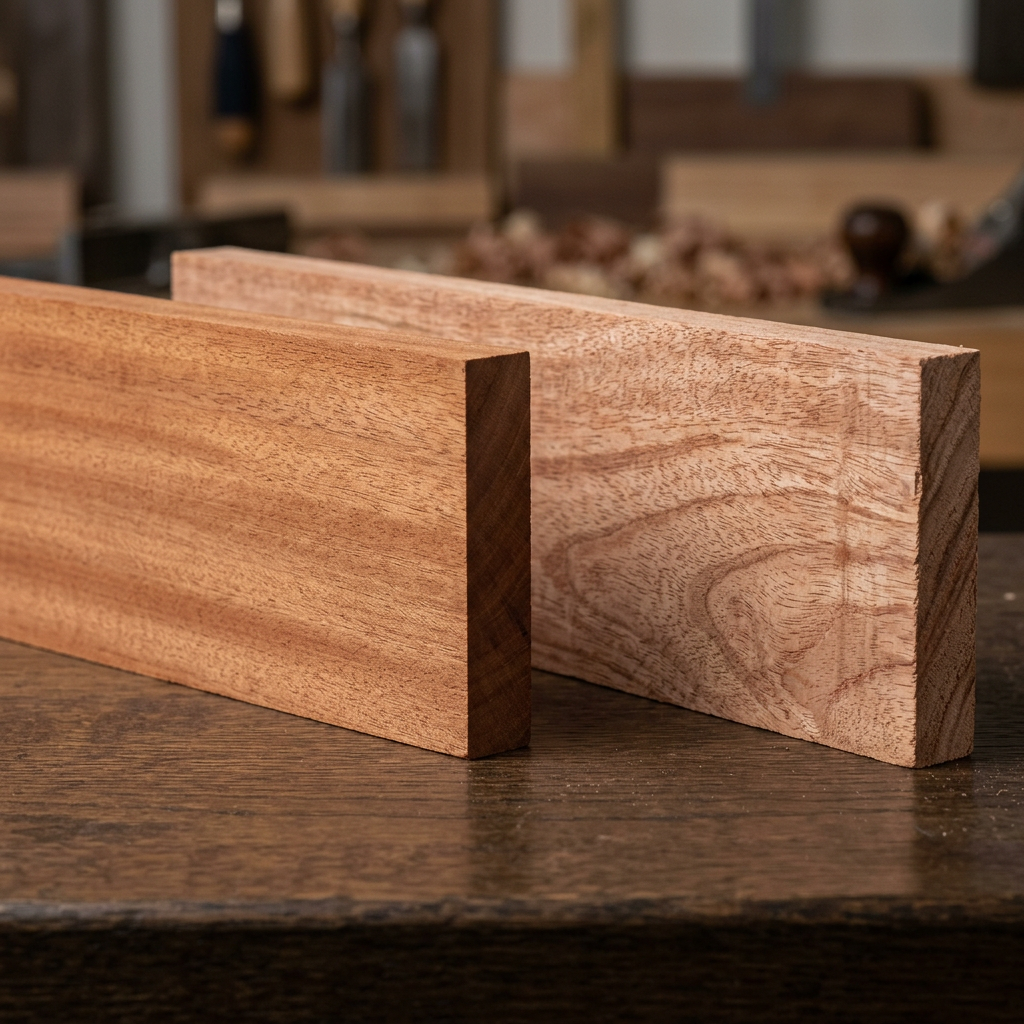
The Mahogany Problem
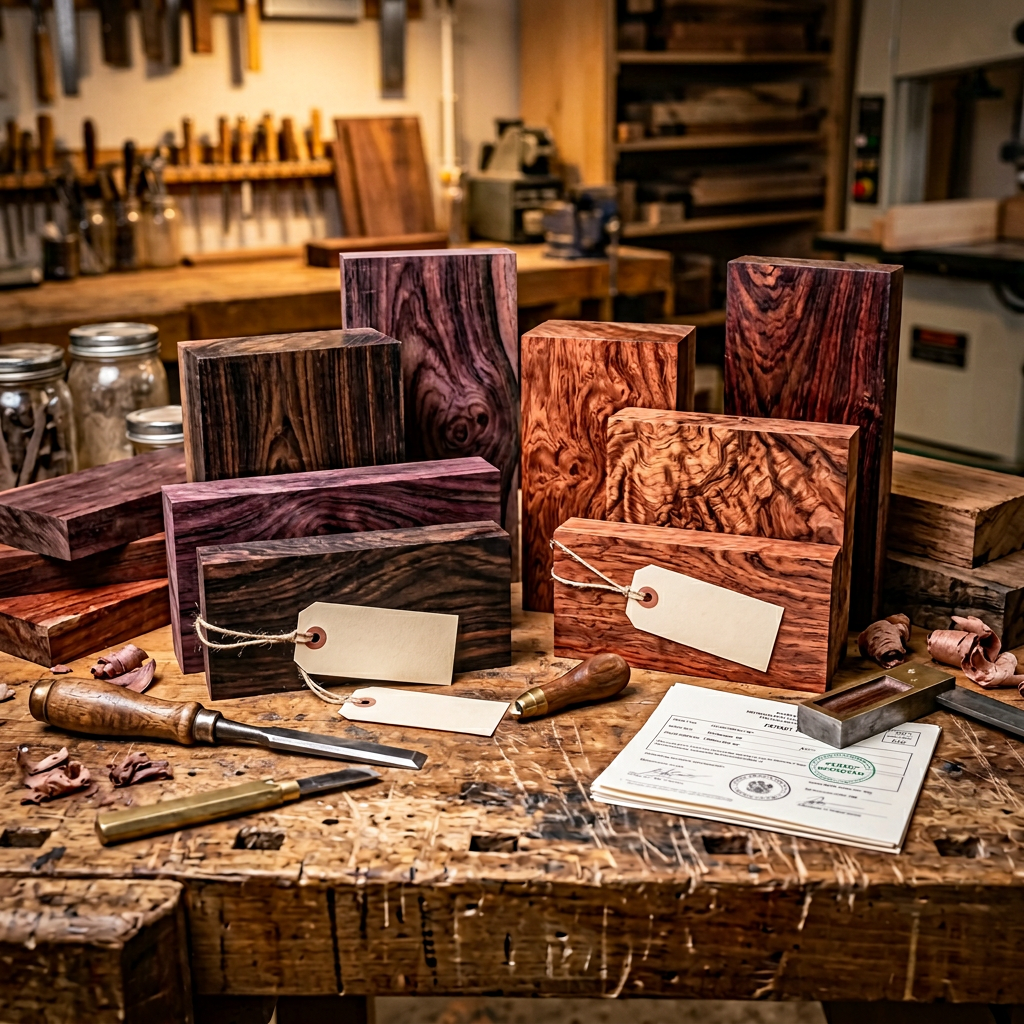
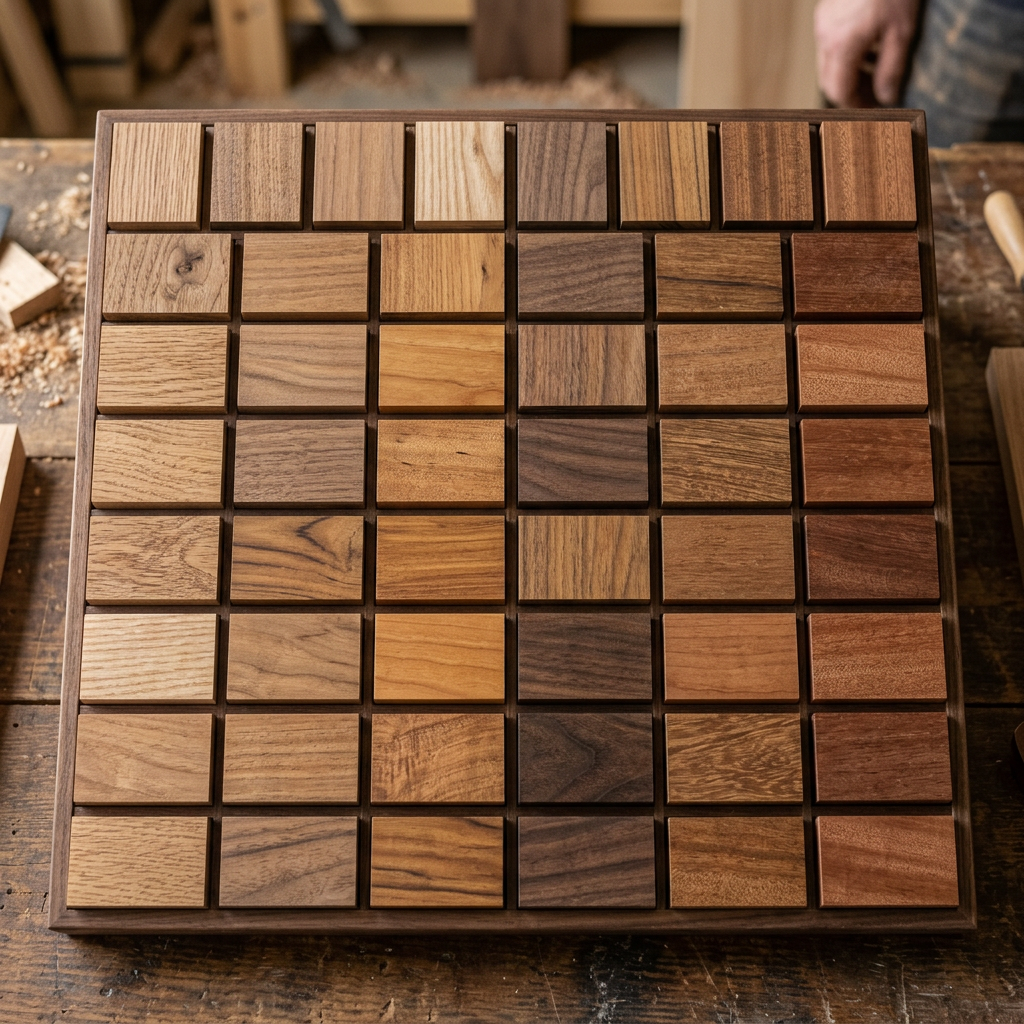
No wood name causes more confusion than "mahogany." The word is applied to dozens of completely different species from around the globe. When a lumber yard or furniture store says "mahogany," they could mean anything from a premium Central American hardwood to a cheap Southeast Asian utility wood.
What Is "Genuine" Mahogany?
True mahogany belongs to the genus Swietenia. There are three species:
- •Honduras Mahogany (Swietenia macrophylla) — The primary commercial species. Also called "Genuine Mahogany" or "Bigleaf Mahogany." CITES Appendix II listed.
- •Cuban Mahogany (Swietenia mahagoni) — The original mahogany, now extremely rare and commercially unavailable.
- •Mexican Mahogany (Swietenia humilis) — Small tree, not commercially significant.
When furniture historians reference "mahogany" from the Chippendale or Hepplewhite eras, they mean Cuban Mahogany — a wood that is essentially unobtainable today.
The Substitutes
African Mahogany — Khaya (Khaya spp.)
- •Relation to genuine: Same family (Meliaceae), different genus
- •Quality: Good. Similar working properties but lighter in color and less figured
- •Price: Moderate
- •Verdict: A legitimate substitute, widely accepted in the trade
Sapele (Entandrophragma cylindricum)
- •Relation to genuine: Same family, different genus
- •Quality: Excellent. Often considered superior to current-growth genuine mahogany
- •Distinguishing feature: Pronounced interlocked grain creates ribbon-stripe figure
- •Price: Moderate to high
- •Verdict: Many woodworkers prefer Sapele to genuine mahogany for its superior figure
Utile / Sipo (Entandrophragma utile)
- •Relation to genuine: Same genus as Sapele
- •Quality: Good. Very similar to genuine mahogany in appearance and properties
- •Price: Moderate
- •Verdict: Excellent and underappreciated substitute
Philippine Mahogany (Meranti/Lauan)
- •Relation to genuine: Completely unrelated (family Dipterocarpaceae)
- •Quality: Variable. Ranges from decent to poor depending on species
- •Distinguishing feature: Generally lighter, softer, and less durable
- •Price: Cheap
- •Verdict: Not a true mahogany substitute. The name is misleading.
Santos Mahogany / Cabreuva (Myroxylon balsamum)
- •Relation to genuine: Completely unrelated (family Fabaceae)
- •Quality: Very hard and dense — unlike genuine mahogany
- •Price: Moderate
- •Verdict: A nice wood in its own right but nothing like real mahogany
How to Identify Genuine Mahogany
Characteristics of Genuine Swietenia
- •Color: Medium to deep reddish-brown, darkening with age
- •Weight: Moderate (31-37 lb/ft³) — not too heavy, not too light
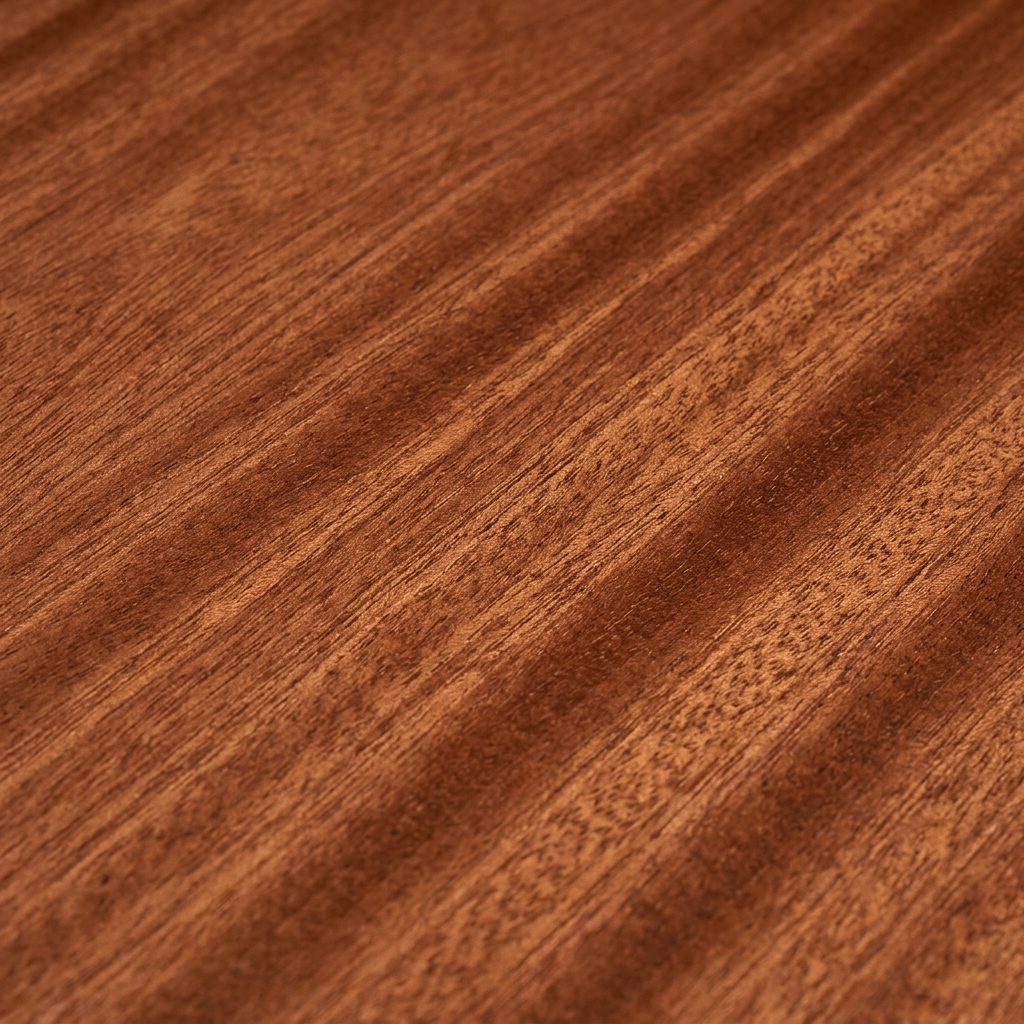
- •Grain: Interlocked, producing chatoyance and ribbon figure when quartersawn
- •Texture: Medium to coarse, with open pores
- •Fluorescence: Golden-orange under UV light
- •Dust: Produces a distinctive, slightly sweet smell when cut
Red Flags
- •If it's very dense and heavy, it's probably not genuine mahogany
- •If it has no figure or chatoyance at all, it may be Meranti/Lauan
- •If the price seems too good to be true, it probably isn't genuine
Buying Tips
- •Always ask for the species name — not just "mahogany"
- •Ask about origin — Central/South America suggests Swietenia; Africa suggests Khaya or Sapele; Asia suggests Meranti
- •Check the price — Genuine mahogany commands premium prices
- •Consider Sapele — It's often better than current-growth genuine mahogany and isn't burdened with CITES restrictions