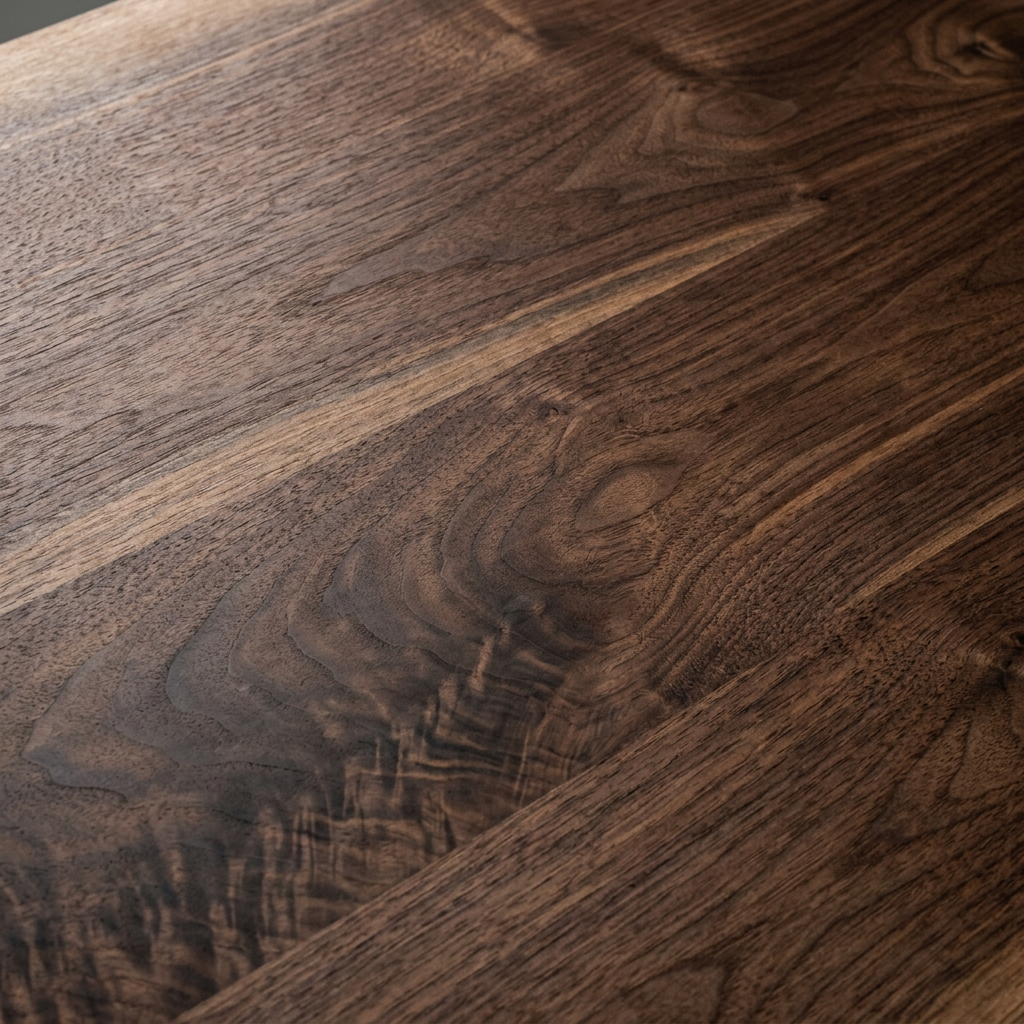
A Disclaimer
Let's be clear: there are no bad woods — only woods used in the wrong applications or chosen for the wrong reasons. Every species on this list has legitimate, excellent uses. The point here is to question assumptions and help you make better-informed choices.
These are personal opinions based on common woodworking discussions. Your mileage may vary.
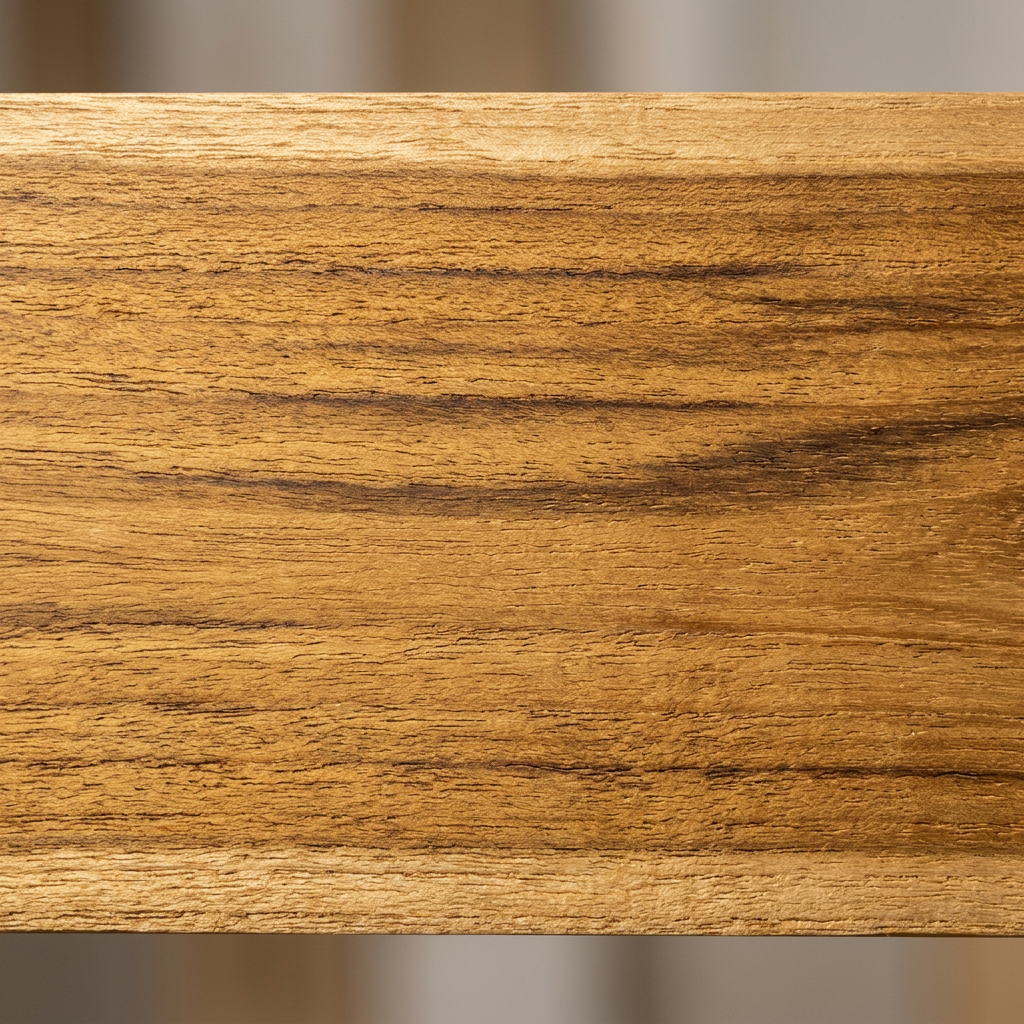
1. Teak — "The Outdoor King"
Why it's hyped: Legendary outdoor durability, the go-to recommendation for exterior projects.
Why it's overrated: Genuine teak (Tectona grandis) is now extremely expensive ($25-40+/bf) and most "teak" sold today is plantation-grown, which lacks the oiliness and density of old-growth. Meanwhile, species like White Oak, Ipe, and Black Locust offer comparable or superior outdoor performance at a fraction of the cost.
Better for the money: White Oak (outdoor furniture), Ipe (decking), Black Locust (fence posts)
2. Purpleheart — "The Purple Wood"
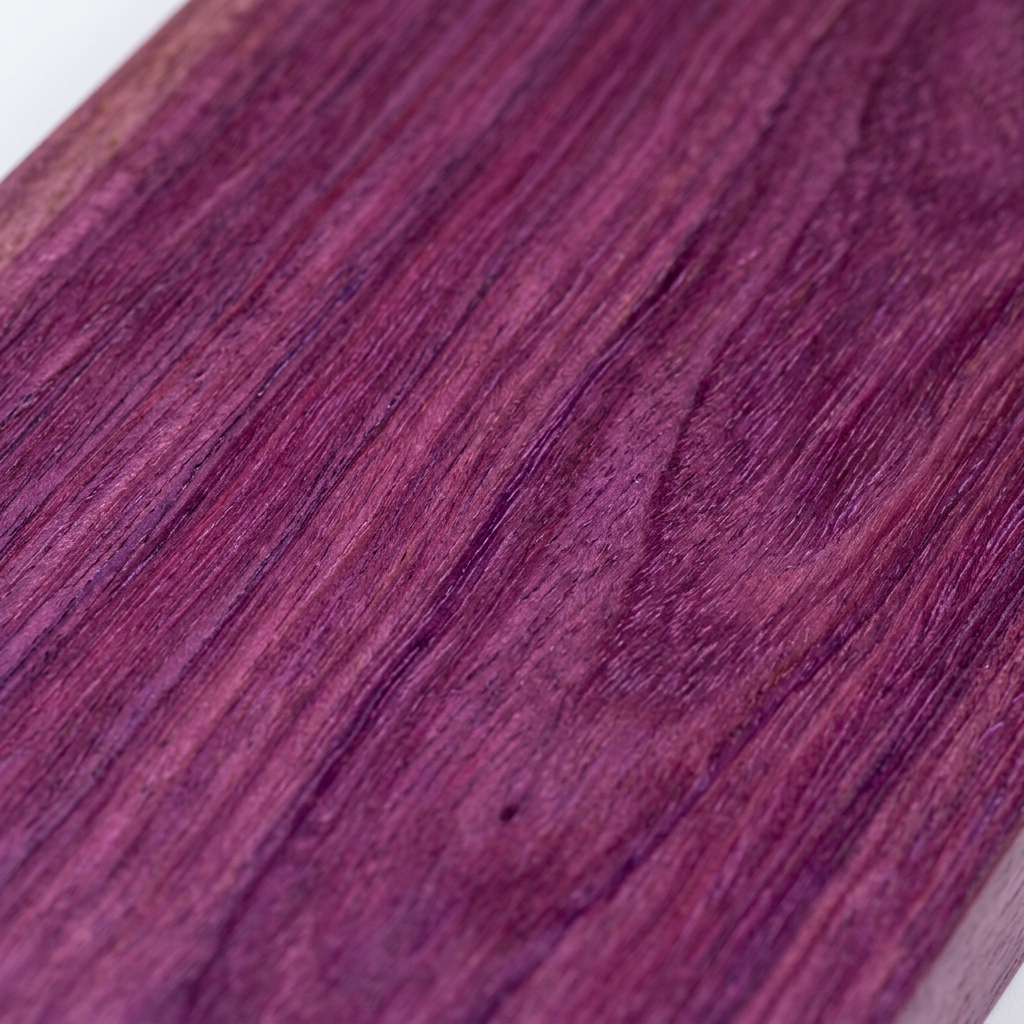
Why it's hyped: Vibrant purple color that's natural, not dyed.
Why it's overrated: The purple color turns dark brownish-purple within months of UV exposure. It's extremely hard to work — dulls blades, can cause burning, and emits irritating dust. Many woodworkers learn the hard way that their beautiful purple project will look muddy brown in a year.
Better for color: Use aniline dyes on lighter woods for lasting color, or accept Purpleheart's aged patina
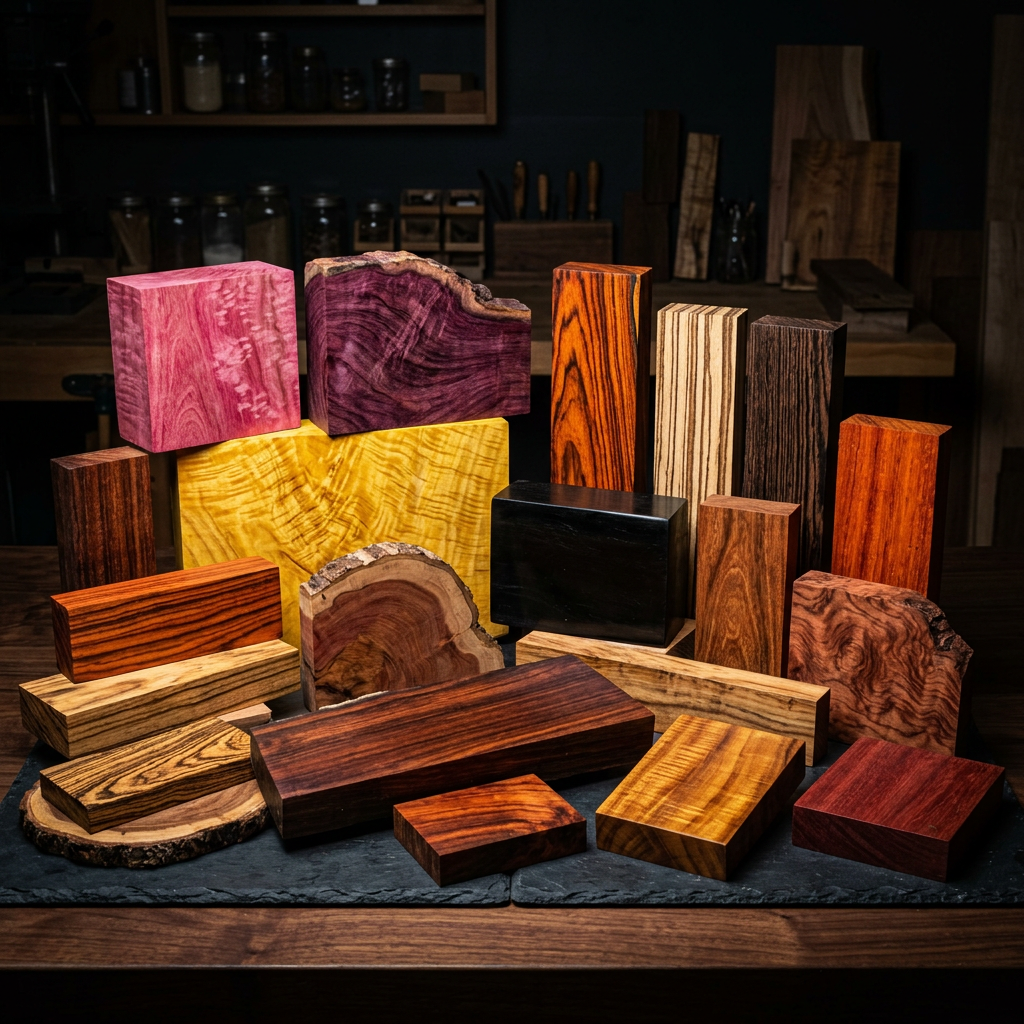
3. Exotic Rosewoods — For Everyday Projects
Why they're hyped: Gorgeous color and figure, prestige status.
Why they're overrated for general use: With CITES restrictions, skyrocketing prices, and environmental concerns, using rosewood for a cutting board or shelf is hard to justify. Many beautiful domestic woods can deliver similar warmth and richness.
Better alternatives: Walnut (warmth), Mesquite (character), Chechen (rosewood-like appearance)
4. Red Oak — For Fine Furniture
Why it's hyped: Cheap, abundant, "the default hardwood."
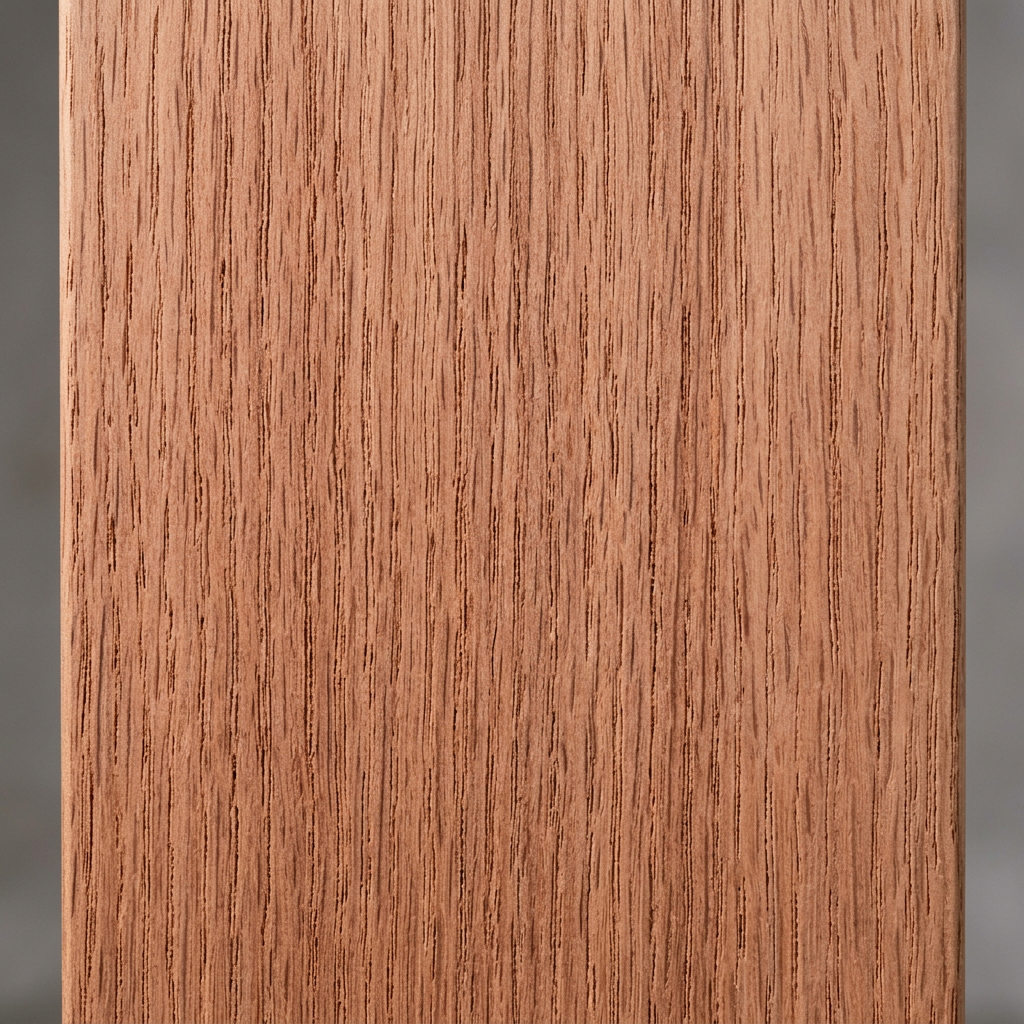
Why it's overrated for fine furniture: Red Oak's aggressive grain pattern and orange-pink cast dominated 1990s furniture — and many people are over it. The large, open pores require filling for a smooth finish, and it doesn't take stain evenly without conditioning.
That said: Red Oak is excellent for structural applications, flooring, and utilitarian projects where its hardness and low cost shine.
5. Pine — For Indoor Furniture
Why it's hyped: Cheap, easy to find, "rustic charm."
Why it's overrated for furniture: Pine dents if you look at it sideways. It takes stain terribly (blotchy, uneven), requires constant maintenance, and dented/dinged pine furniture often just looks damaged rather than "charmingly worn."
When pine works: Painted pieces, shelving, construction, projects where you want a rustic look from day one
6. Padauk — For Long-Term Color
Why it's hyped: Stunning bright orange-red color straight off the saw.
Why it's overrated: Like Purpleheart, the vibrant color fades — Padauk turns from brilliant orange to dark reddish-brown relatively quickly. If you're choosing it for the color, you'll be disappointed in a year.
Tip: A UV-blocking finish can slow (but not prevent) the color change
7. Mahogany — When You Don't Know Which One
Why it's hyped: The classic fine furniture wood, synonymous with quality.
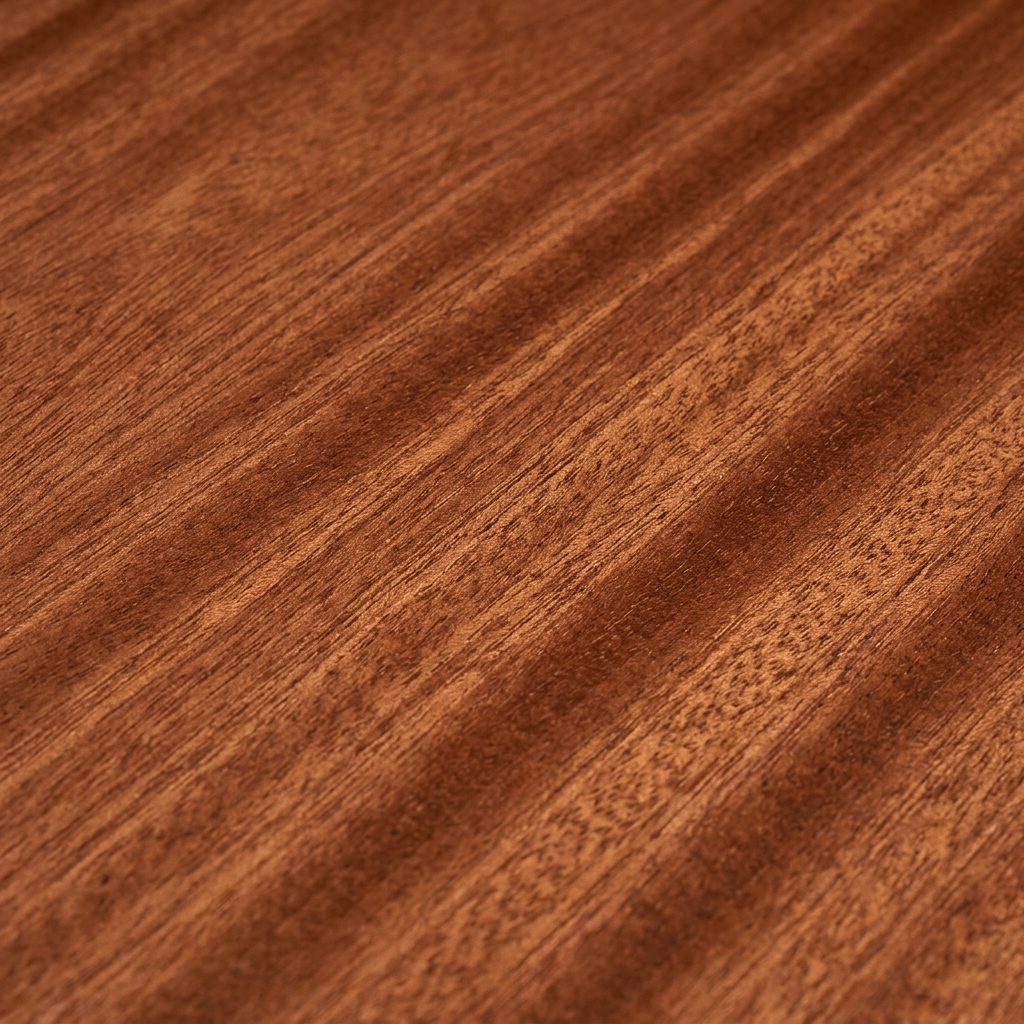
Why it's overrated: The name "mahogany" is applied to dozens of unrelated species, from genuine Honduran Mahogany (excellent but restricted) to African Khaya (decent), Philippine "Mahogany" (not mahogany at all), and even Meranti. If you're buying "mahogany" without knowing the exact species, you might get anything.
Best practice: Always ask for the species name, not just "mahogany"
8. Bamboo — "The Eco-Friendly Hardwood"
Why it's hyped: Fast-growing, sustainable, marketed as harder than oak.
Why it's overrated: Bamboo flooring and lumber are manufactured products (laminated strips), not solid wood. The hardness claims apply to strand-woven products that behave differently from solid wood. Delamination, moisture sensitivity, and formaldehyde concerns in adhesives are real issues.
When it works: Well-made bamboo flooring from reputable manufacturers can be excellent
9. Spalted Maple — For Structural Use
Why it's hyped: Gorgeous black line patterns, unique character.
Why it's overrated for structural use: Spalting is literally wood decay. The dramatic patterns come from fungi consuming the wood. While beautiful for turnings, inlays, and decorative pieces, spalted wood is structurally compromised and shouldn't be used where strength matters.
Best use: Turnings, wall art, inlays, resin projects
10. Balsa — The "Weakling"
Actually underrated. We're including Balsa as a reverse pick. It gets dismissed as a "craft wood" or "model airplane wood," but Balsa has an exceptional strength-to-weight ratio and is used in serious applications including wind turbine blades, aircraft, and marine sandwich-core construction.
The Takeaway
Every wood has ideal applications. The "overrated" label usually applies when a species is used outside its strengths or chosen based on reputation rather than fitness for the job. The best woodworkers match the wood to the project — not the other way around.