Bald Cypress
Taxodium distichum
Genus: Taxodium · Family: Cupressaceae
Quick Facts
Wood Type
Softwood
Native Range
North America
Avg. Dried Weight
32 lb/ft³
Janka Hardness
510 lbf
Decay Resistance
Durable
Typical Color
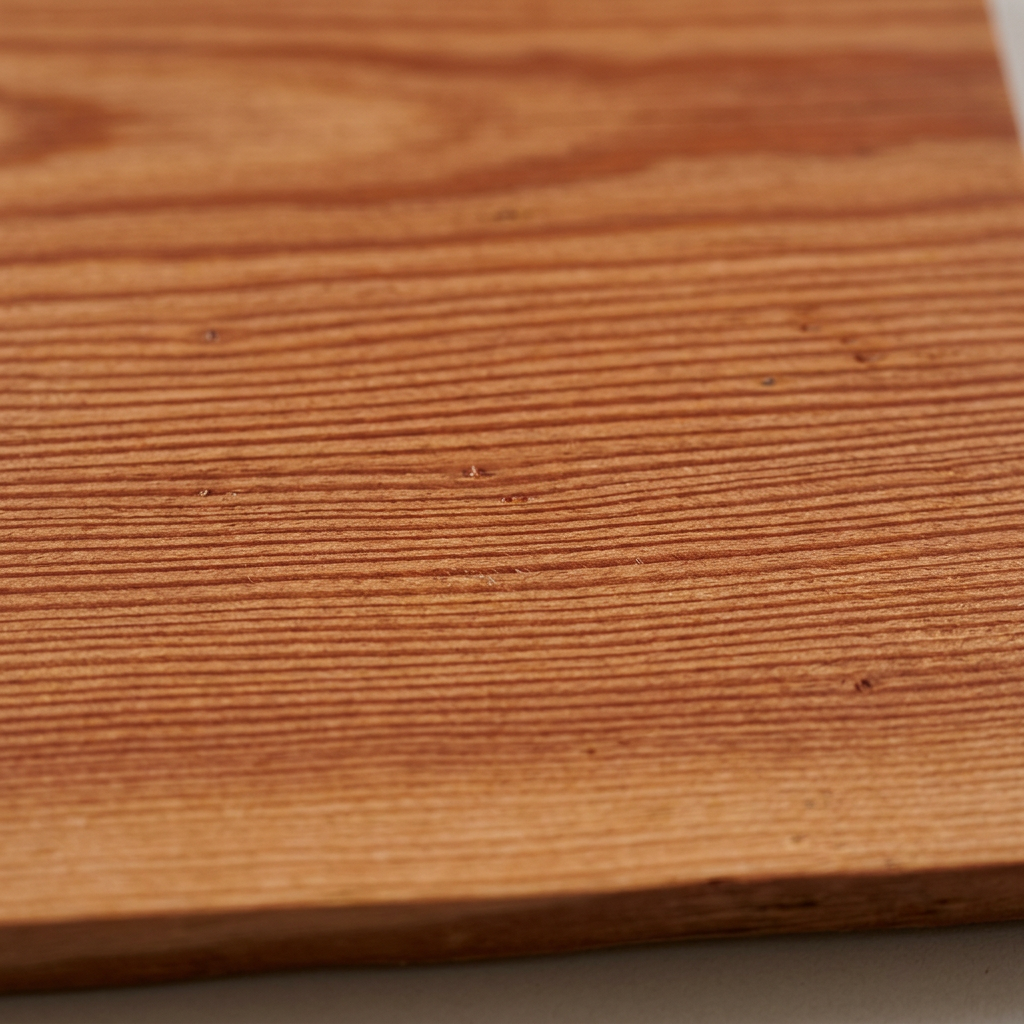
Light Brown
Stability
Very High
Outdoor Suitability
Excellent
Workability
Easy
Availability
Commercially Available
CITES
Unlisted
IUCN
Not Evaluated
Did You Know?
- •Bald Cypress is harder than 12% of the 137 species in our database.
Janka Hardness Scale
Soft
Overview
Professional Summary
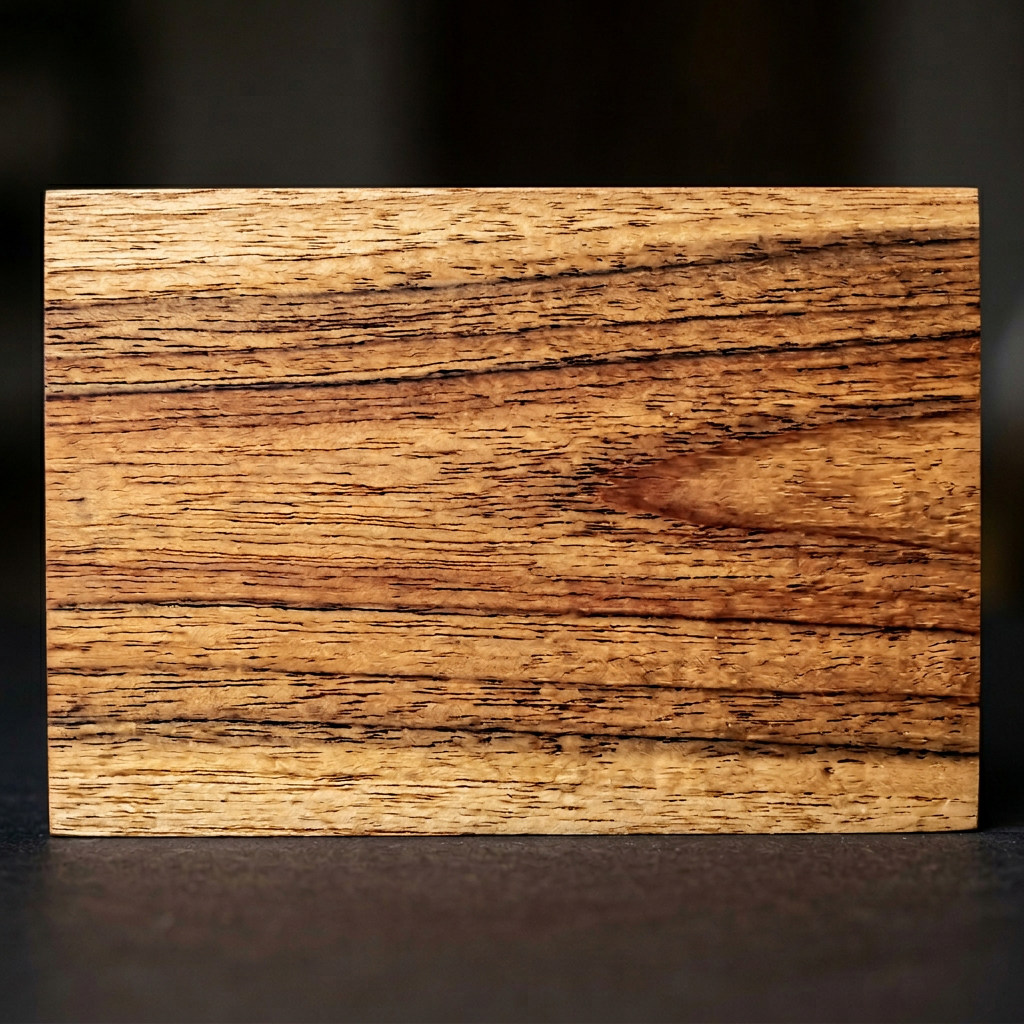
Bald Cypress (Taxodium distichum) is the iconic swamp tree of the American South, producing a lightweight softwood with exceptional natural durability and dimensional stability. Old-growth 'pecky' Cypress with its distinctive pockmarked texture is among the most sought-after architectural woods in America.
In Plain English
Bald Cypress is the legendary swamp wood of the Deep South — naturally rot-resistant, stable, and beautiful. Old Cypress siding on Louisiana homes has lasted over 200 years. 'Pecky' Cypress with its unique pockmarked holes is prized for rustic accent walls and ceilings.
Appearance
Technical Properties
Sources, Conditions & Safety
No documented references are attached to this profile yet. Its recorded values should not be treated as source-verified.
Wood dust & sensitivity
Species-specific safety information has not been documented here. Absence of a warning does not mean the wood is safe or non-allergenic.
Use dust extraction and appropriate protective equipment; consult occupational-safety guidance. This is not medical advice or food-contact approval.
Durability & Performance
Workability
Common Uses
Premier siding and exterior trim wood in the southern US. Also excellent for dock boards, boatbuilding, and interior paneling. Pecky Cypress is a high-value decorative product.
Sustainability & Trade
Listings are reference information, not proof of legal sourcing or certification. Verify current trade rules and supplier documentation before buying; absence of a note does not mean unrestricted trade.
Second-growth is significantly less durable than old-growth. Sapwood has no decay resistance. Availability of old-growth is extremely limited.
Native Distribution
Find Substitutes
AI-powered alternative species matching
You Might Also Consider
Species with similar characteristics and uses
Look-Alike Species
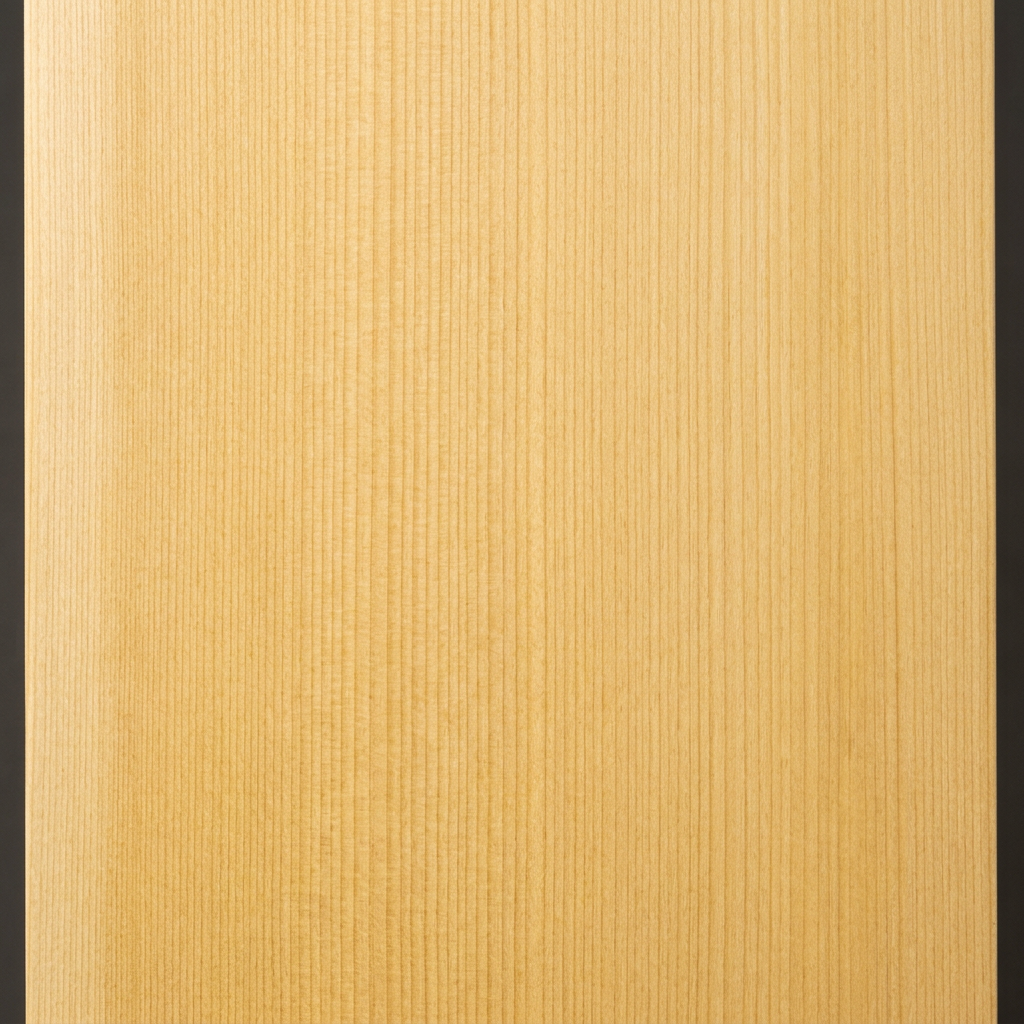
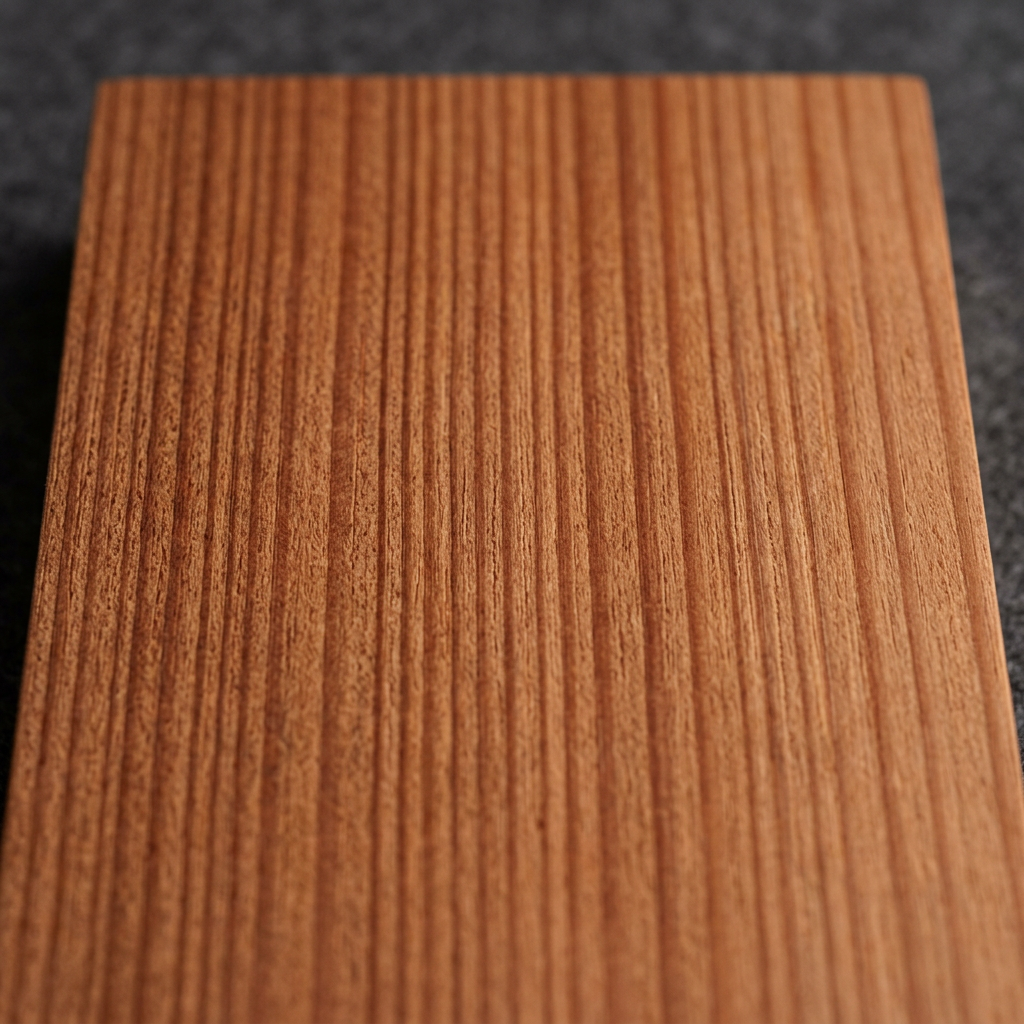
Woods with a similar light brown color that are easily confused with Bald Cypress. Recorded differences are shown where data exists; confirm identification with end-grain examination.