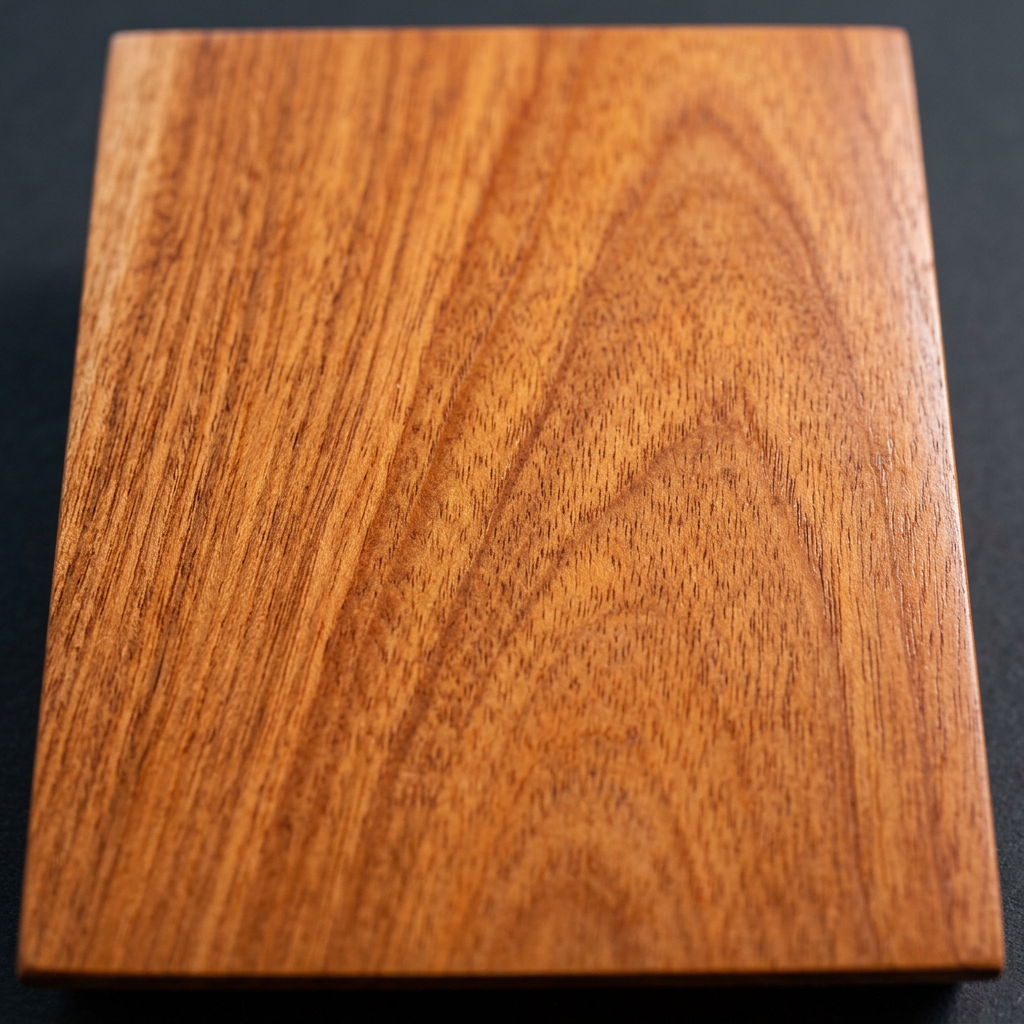
Cabreuva
Myrocarpus frondosus
Genus: Myrocarpus · Family: Fabaceae
Quick Facts
Wood Type
Hardwood
Native Range
South America
Avg. Dried Weight
57 lb/ft³
Janka Hardness
2,350 lbf
Decay Resistance
Durable
Typical Color
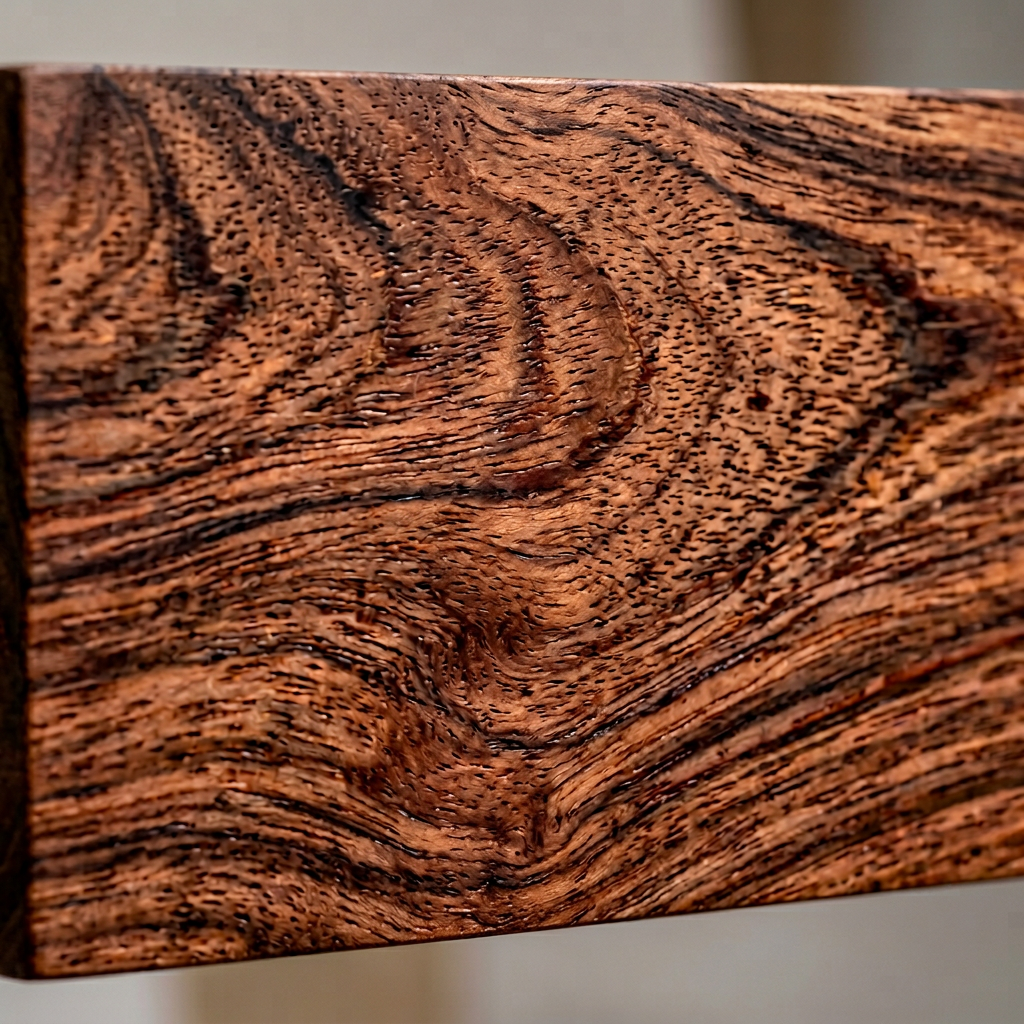
Reddish Brown
Stability
High
Outdoor Suitability
Good
Workability
Difficult
Availability
Limited
CITES
Unlisted
IUCN
Not Evaluated
Did You Know?
- •Cabreuva is harder than 81% of the 137 species in our database.
Janka Hardness Scale
Very Hard
Overview
Professional Summary
Cabreuva (Myrocarpus frondosus) is a dense South American hardwood with a fine texture, pleasant balsamic scent, and excellent natural durability. At 2,350 lbf Janka, it's very hard and well-suited for flooring and decking where wear resistance is critical.
In Plain English
Cabreuva is a hard, heavy Brazilian wood with a pleasant balsamic fragrance. It's primarily used for flooring where its hardness and rich reddish-brown color make it a durable, attractive choice. Think of it as a lesser-known alternative to Jatoba for exotic floors.
Appearance
Technical Properties
Sources, Conditions & Safety
No documented references are attached to this profile yet. Its recorded values should not be treated as source-verified.
Wood dust & sensitivity
Species-specific safety information has not been documented here. Absence of a warning does not mean the wood is safe or non-allergenic.
Use dust extraction and appropriate protective equipment; consult occupational-safety guidance. This is not medical advice or food-contact approval.
Durability & Performance
Workability
Common Uses
Exotic flooring, decking, heavy construction, furniture, and turned objects.
Sustainability & Trade
Listings are reference information, not proof of legal sourcing or certification. Verify current trade rules and supplier documentation before buying; absence of a note does not mean unrestricted trade.
Very hard on tools. Heavy and difficult to work. Limited availability in some markets.
Native Distribution
Find Substitutes
AI-powered alternative species matching
You Might Also Consider
Species with similar characteristics and uses
Look-Alike Species
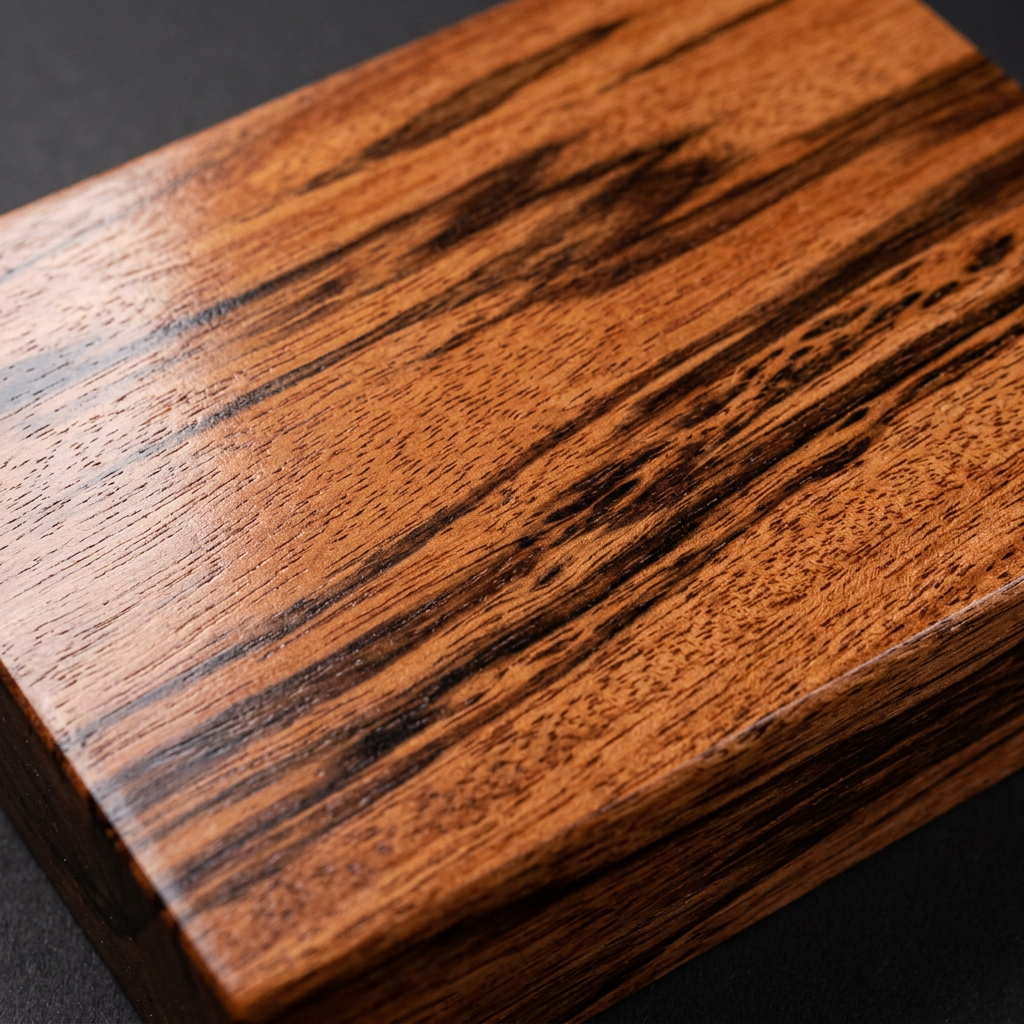
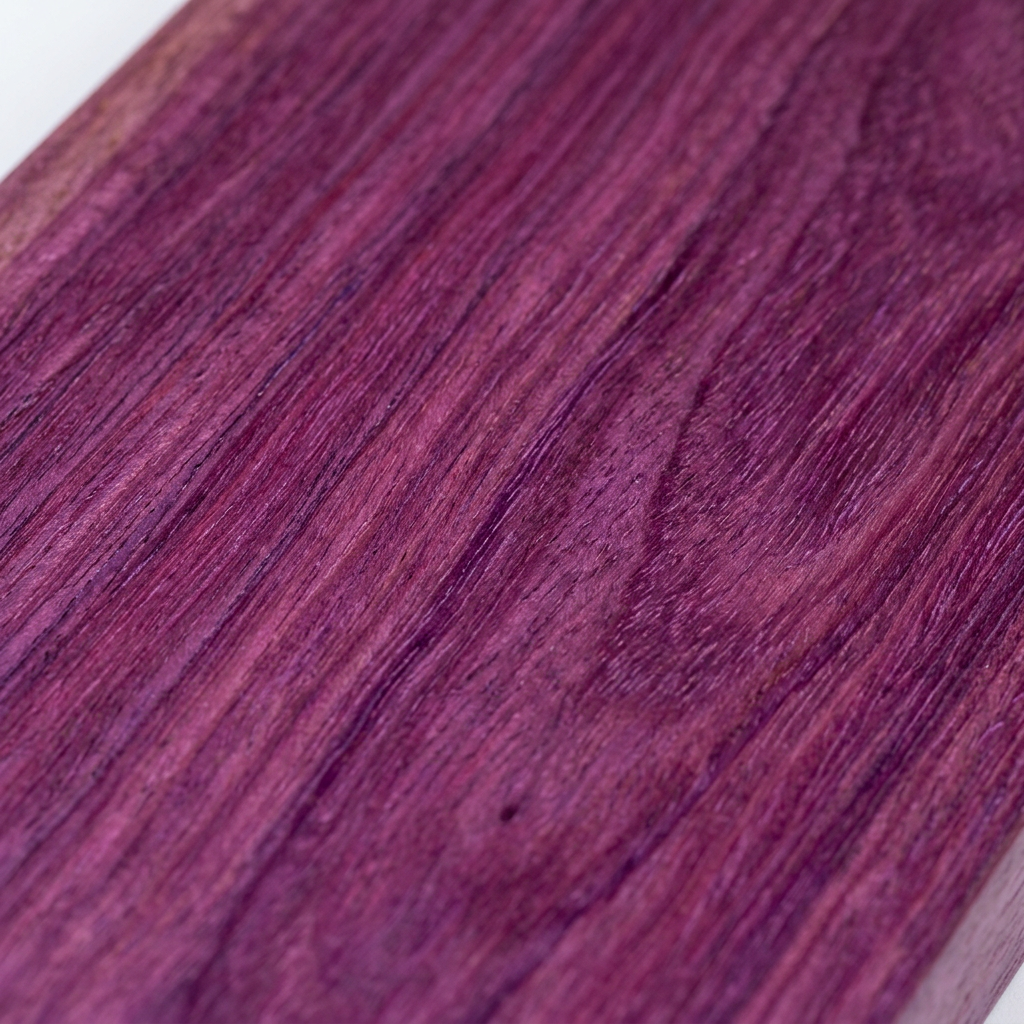
Woods with a similar reddish brown color that are easily confused with Cabreuva. Recorded differences are shown where data exists; confirm identification with end-grain examination.
- • Softer (Janka 1,750 lbf)
- • Lighter (47 lb/ft³)
- • Texture: Medium
- • Softer (Janka 1,070 lbf)
- • Lighter (37 lb/ft³)
- • Decay: Moderately Durable
- • Texture: Medium to coarse
- • Softer (Janka 1,220 lbf)
- • Lighter (40 lb/ft³)
- • Decay: Moderately Durable
- • Texture: Medium
- • Texture: Medium to coarse