Cherry
Prunus serotina
Family: Rosaceae
Quick Facts
Wood Type
Hardwood
Native Range
North America
Avg. Dried Weight
35 lb/ft³
Janka Hardness
950 lbf
Decay Resistance
Non-Durable
Typical Color
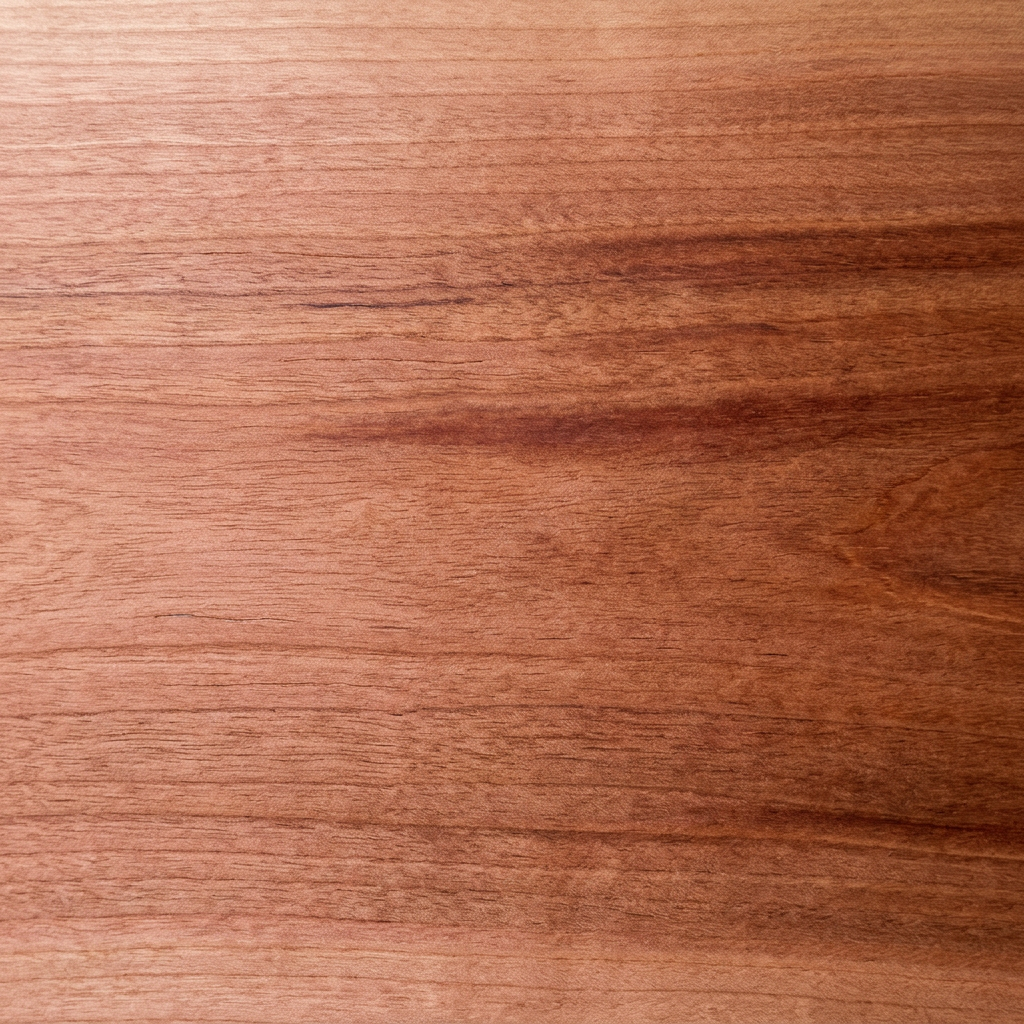
Reddish Brown
Stability
High
Outdoor Suitability
Poor
Workability
Easy
Availability
Commercially Available
CITES
Unlisted
IUCN
Least Concern
Did You Know?
- •Cherry is harder than 34% of the 137 species in our database.
Janka Hardness Scale
Medium
Overview
Professional Summary
American Cherry (Prunus serotina) is one of the finest native North American hardwoods. Its warm, reddish-brown heartwood darkens beautifully with light exposure, developing a rich patina over time. With a Janka hardness of 950 lbf and excellent workability, it's a premier choice for fine furniture, cabinetry, and architectural millwork.
In Plain English
Cherry is the wood that gets more beautiful with age — it starts as a light pinkish-brown and darkens into a gorgeous deep reddish-brown over time. It's silky smooth to work with and one of the most elegant domestic hardwoods for furniture and cabinets.
Appearance
Technical Properties
Sources, Conditions & Safety
No documented references are attached to this profile yet. Its recorded values should not be treated as source-verified.
Wood dust & sensitivity
Species-specific safety information has not been documented here. Absence of a warning does not mean the wood is safe or non-allergenic.
Use dust extraction and appropriate protective equipment; consult occupational-safety guidance. This is not medical advice or food-contact approval.
Durability & Performance
Workability
Common Uses
Premier choice for fine furniture, cabinetry, interior trim, and millwork. Its natural color evolution makes it uniquely beautiful for heirloom pieces.
Sustainability & Trade
Listings are reference information, not proof of legal sourcing or certification. Verify current trade rules and supplier documentation before buying; absence of a note does not mean unrestricted trade.
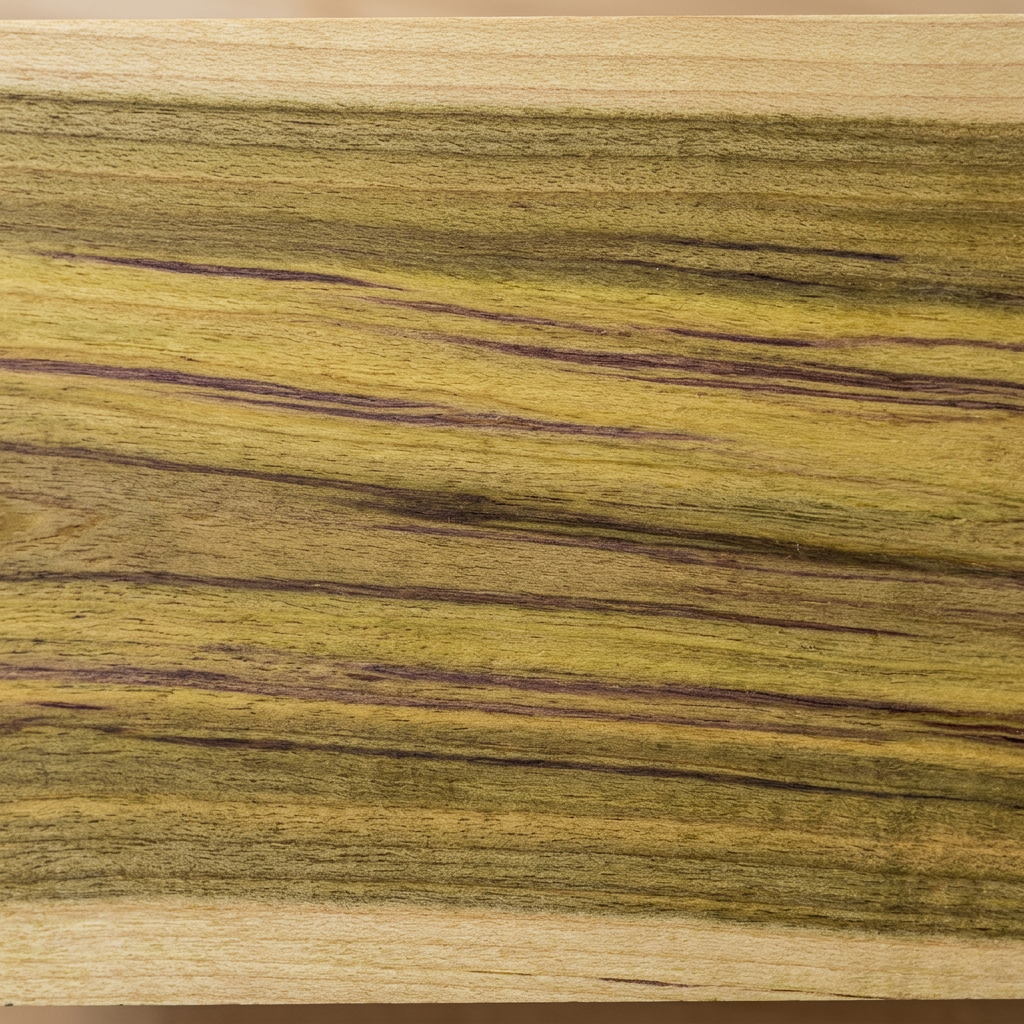
Color changes dramatically with UV exposure — avoid placing freshly milled boards next to aged pieces. Sapwood is very light and doesn't darken like heartwood. Mineral deposits can create dark streaks.
Native Distribution
Find Substitutes
AI-powered alternative species matching
You Might Also Consider
Species with similar characteristics and uses
Look-Alike Species
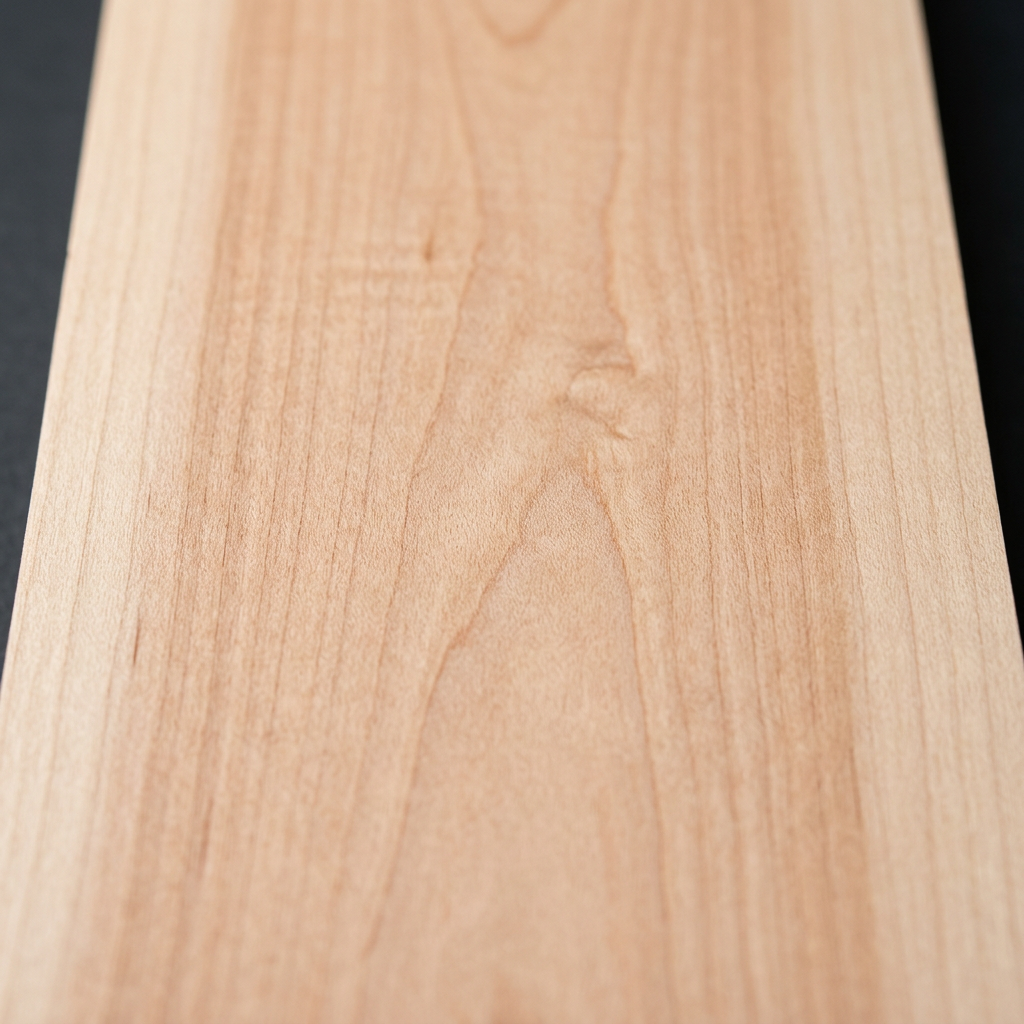
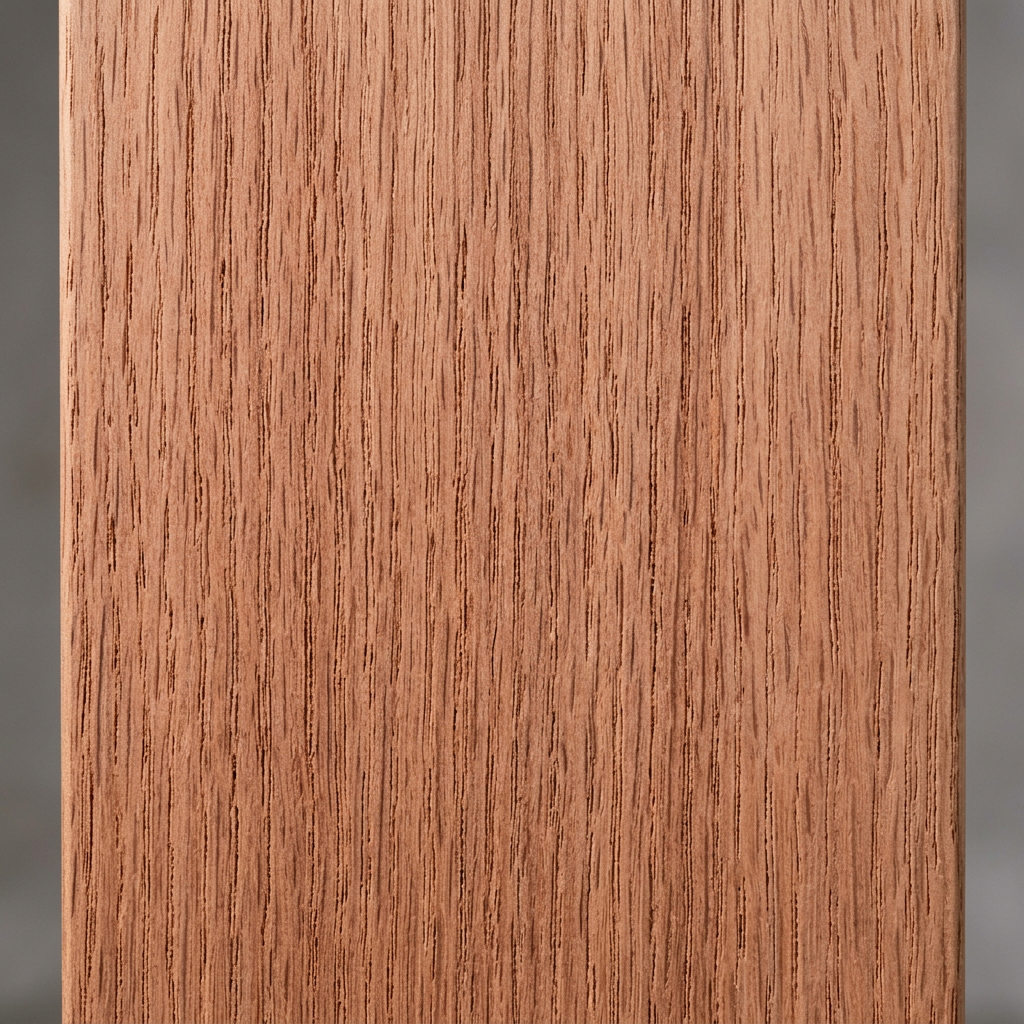
Woods with a similar reddish brown color that are easily confused with Cherry. Recorded differences are shown where data exists; confirm identification with end-grain examination.
- • Harder (Janka 1,750 lbf)
- • Heavier (47 lb/ft³)
- • Decay: Durable
- • Texture: Medium
- • Decay: Moderately Durable
- • Texture: Medium to coarse
- • Harder (Janka 1,220 lbf)
- • Heavier (40 lb/ft³)
- • Decay: Moderately Durable
- • Texture: Medium
- • Harder (Janka 2,430 lbf)
- • Heavier (55 lb/ft³)
- • Decay: Durable
- • Texture: Medium to coarse