Douglas Fir
Pseudotsuga menziesii
Family: Pinaceae
Quick Facts
Wood Type
Softwood
Native Range
North America
Avg. Dried Weight
32 lb/ft³
Janka Hardness
620 lbf
Decay Resistance
Moderately Durable
Typical Color
Reddish Brown
Stability
Medium
Outdoor Suitability
Fair
Workability
Easy
Availability
Commercially Available
CITES
Unlisted
IUCN
Least Concern
Did You Know?
- •Douglas Fir is harder than 22% of the 137 species in our database.
Janka Hardness Scale
Soft
Overview
Professional Summary
Douglas Fir (Pseudotsuga menziesii) is North America's most important structural softwood. With exceptional strength-to-weight ratio and a distinctive straight, pronounced grain pattern, it's the standard species for structural lumber, timber framing, plywood, and heavy construction. Janka hardness of 620 lbf is high for a softwood.
In Plain English
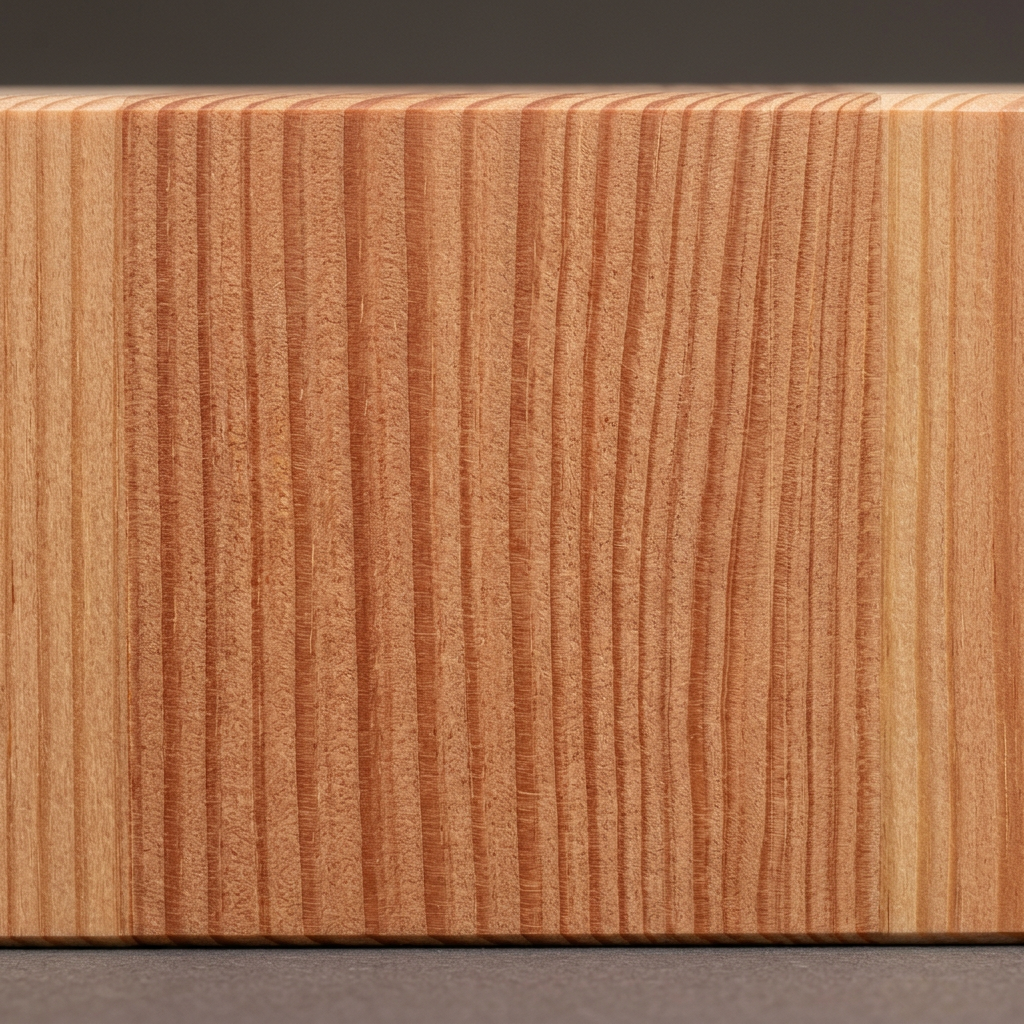
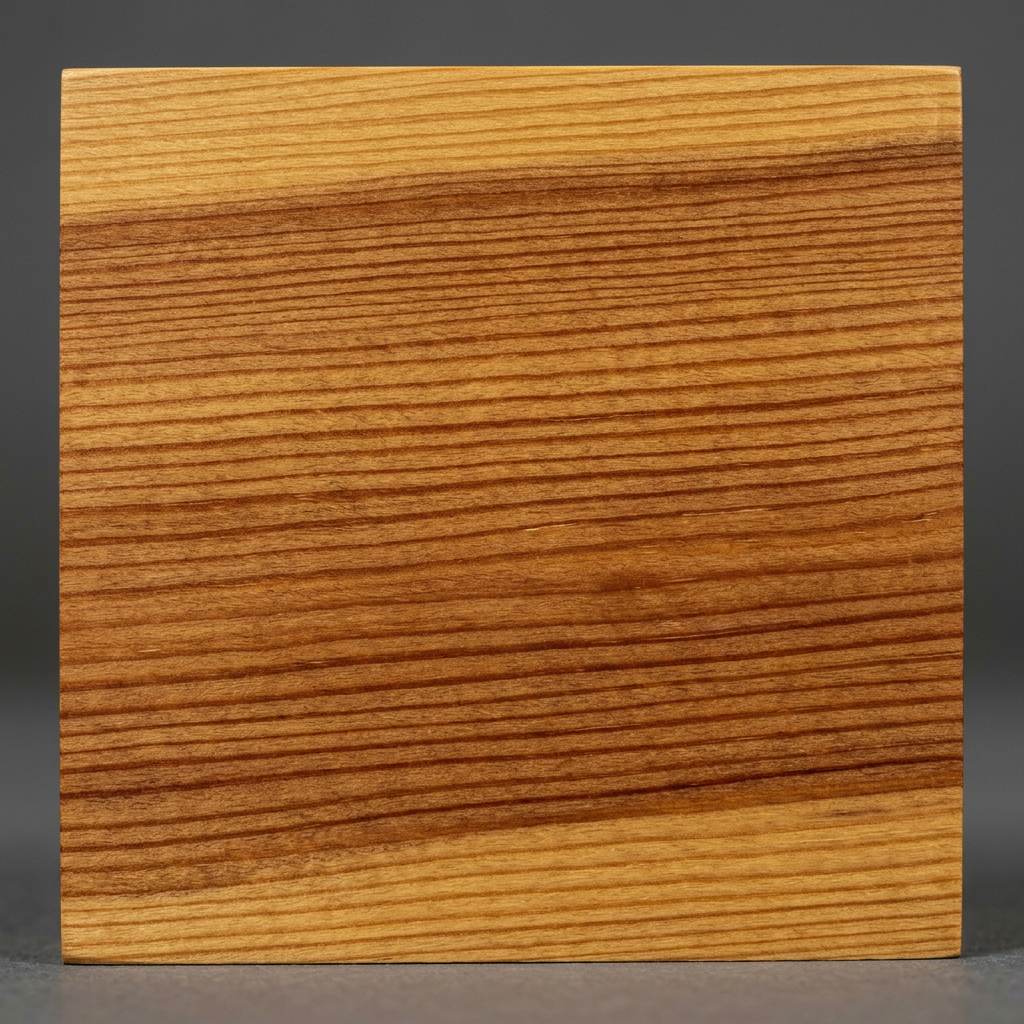
Douglas Fir is the backbone of American construction. Those large beams in timber-frame homes, the plywood in your walls, and much of the framing lumber in houses across the continent — that's Douglas Fir. It has a warm reddish-tan color and bold, straight grain.
Appearance
Technical Properties
Sources, Conditions & Safety
No documented references are attached to this profile yet. Its recorded values should not be treated as source-verified.
Wood dust & sensitivity
Species-specific safety information has not been documented here. Absence of a warning does not mean the wood is safe or non-allergenic.
Use dust extraction and appropriate protective equipment; consult occupational-safety guidance. This is not medical advice or food-contact approval.
Durability & Performance
Workability
Common Uses
The dominant species for structural lumber, timber framing, plywood, and heavy construction. Vertical-grain Douglas Fir is prized for flooring, doors, and millwork.
Sustainability & Trade
Listings are reference information, not proof of legal sourcing or certification. Verify current trade rules and supplier documentation before buying; absence of a note does not mean unrestricted trade.
Not naturally decay-resistant — requires treatment for ground contact. Density variation between growth rings causes uneven stain absorption.
Native Distribution
Find Substitutes
AI-powered alternative species matching
You Might Also Consider
Species with similar characteristics and uses
Look-Alike Species
Woods with a similar reddish brown color that are easily confused with Douglas Fir. Recorded differences are shown where data exists; confirm identification with end-grain examination.
- • Harder (Janka 900 lbf)
- • Decay: Very Durable
- • Texture: Fine, even
- • Heavier (36 lb/ft³)
- • Heavier (36 lb/ft³)
- • Decay: Non-Durable
- • Texture: Medium to coarse
- • Harder (Janka 870 lbf)
- • Heavier (41 lb/ft³)
- • Texture: Medium to coarse