Best Wood for Outdoor Furniture
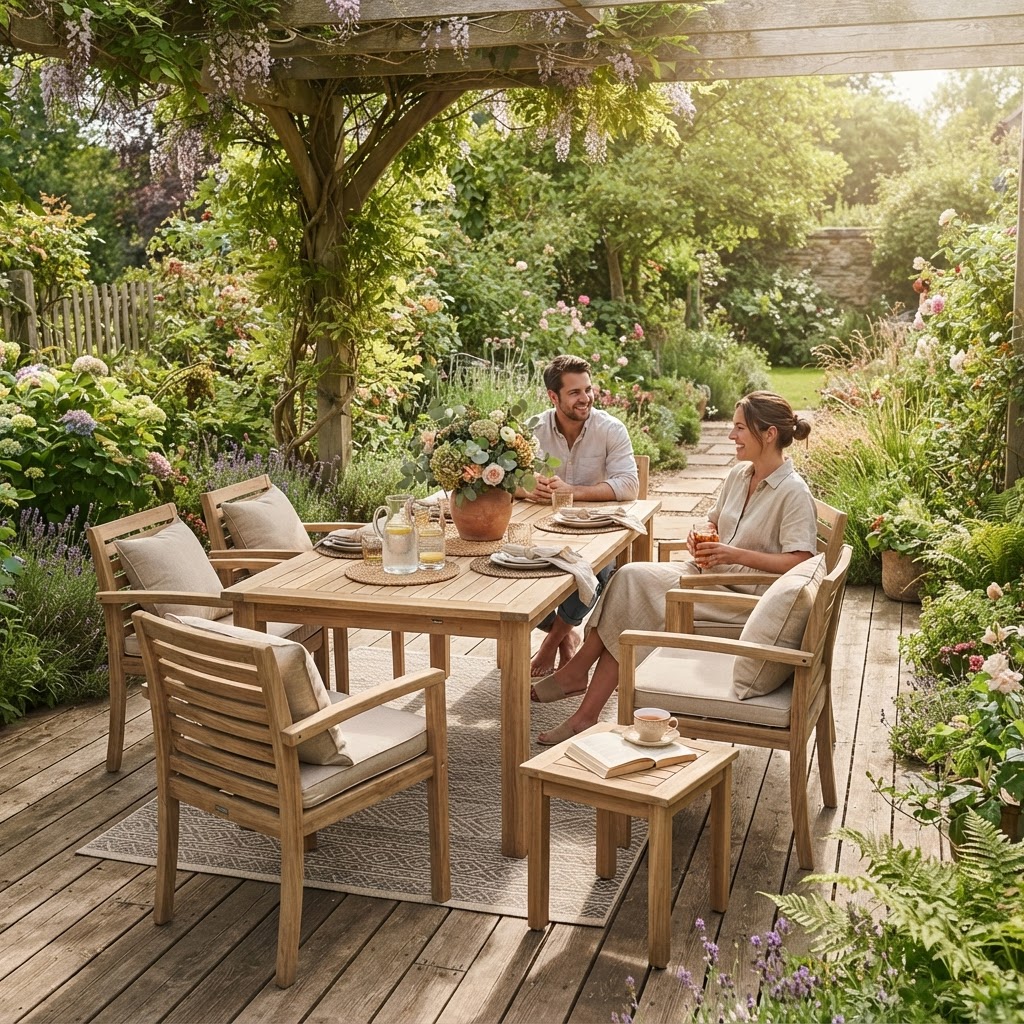
Outdoor furniture faces everything a deck does, plus joinery that has to hold while the wood swells and shrinks. The best species combine naturally durable heartwood with low movement, so joints stay tight through years of weather.
Our Top 6 Picks
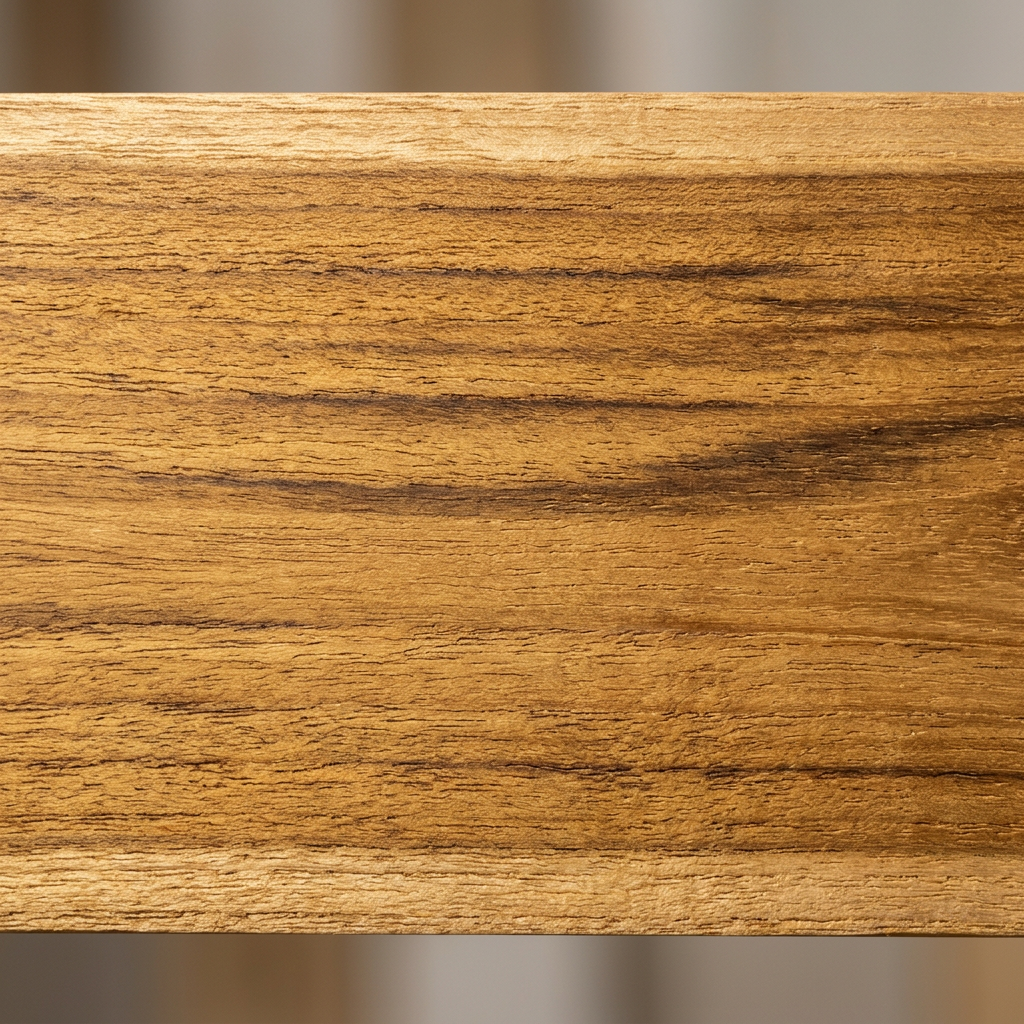 1
1Teak
Tectona grandis
The gold standard: naturally oily, extremely stable, and rot resistant with zero finish.
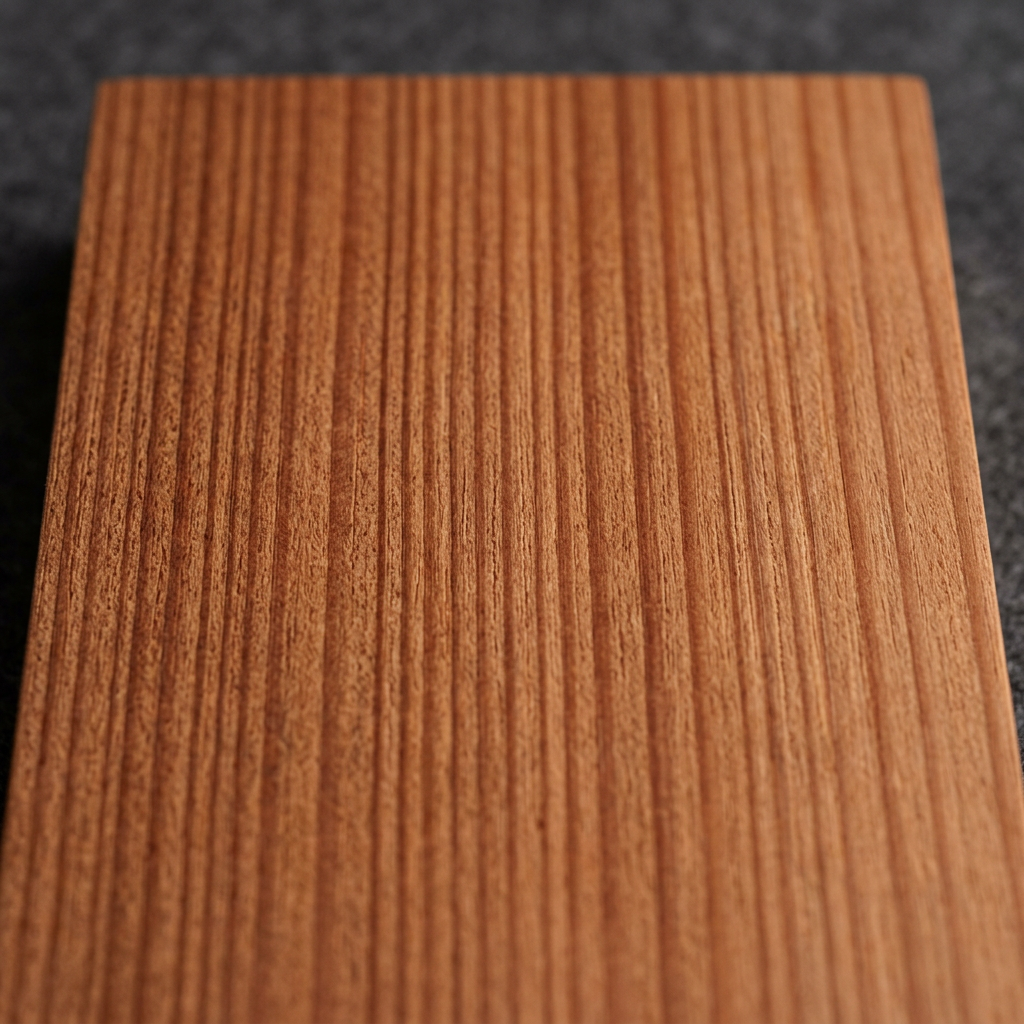 2
2Western Red Cedar
Thuja plicata
Light, stable, and naturally decay resistant — easy to build with and easy to move.
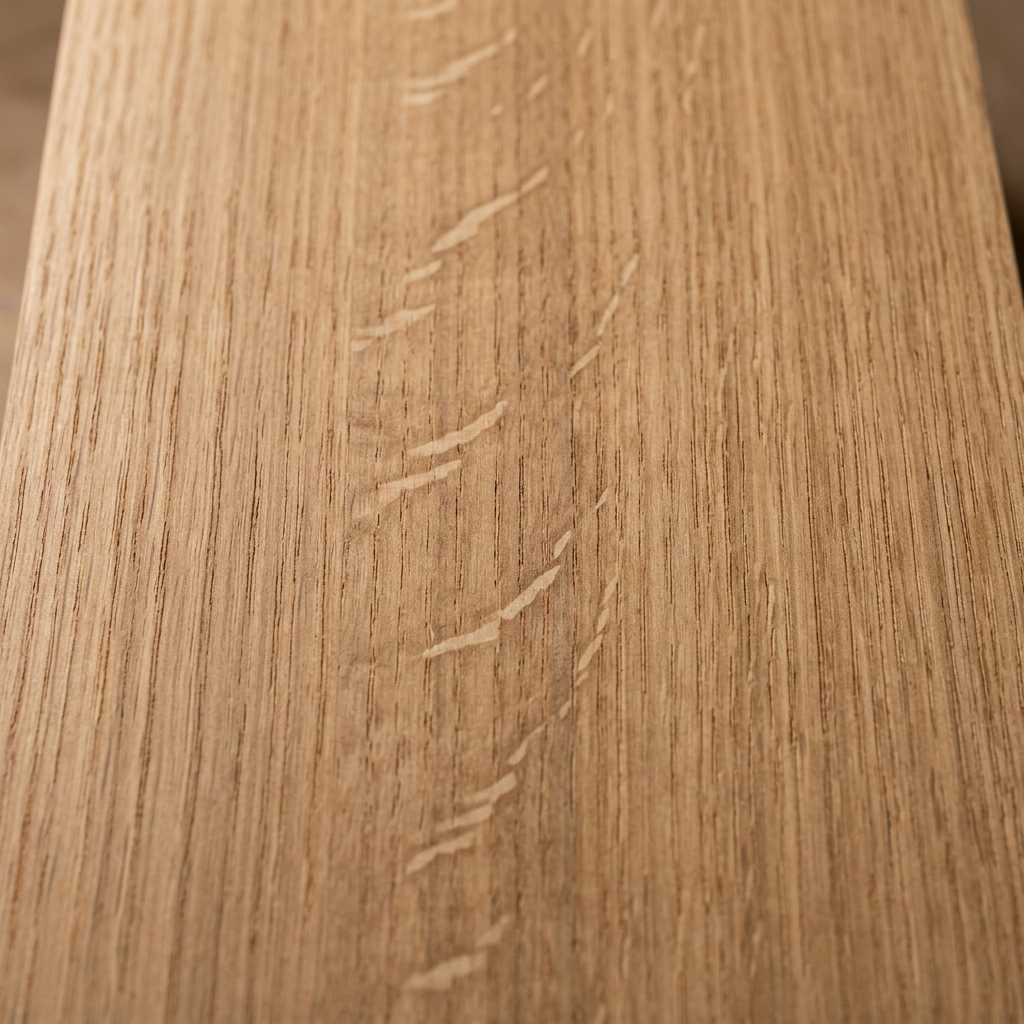 3
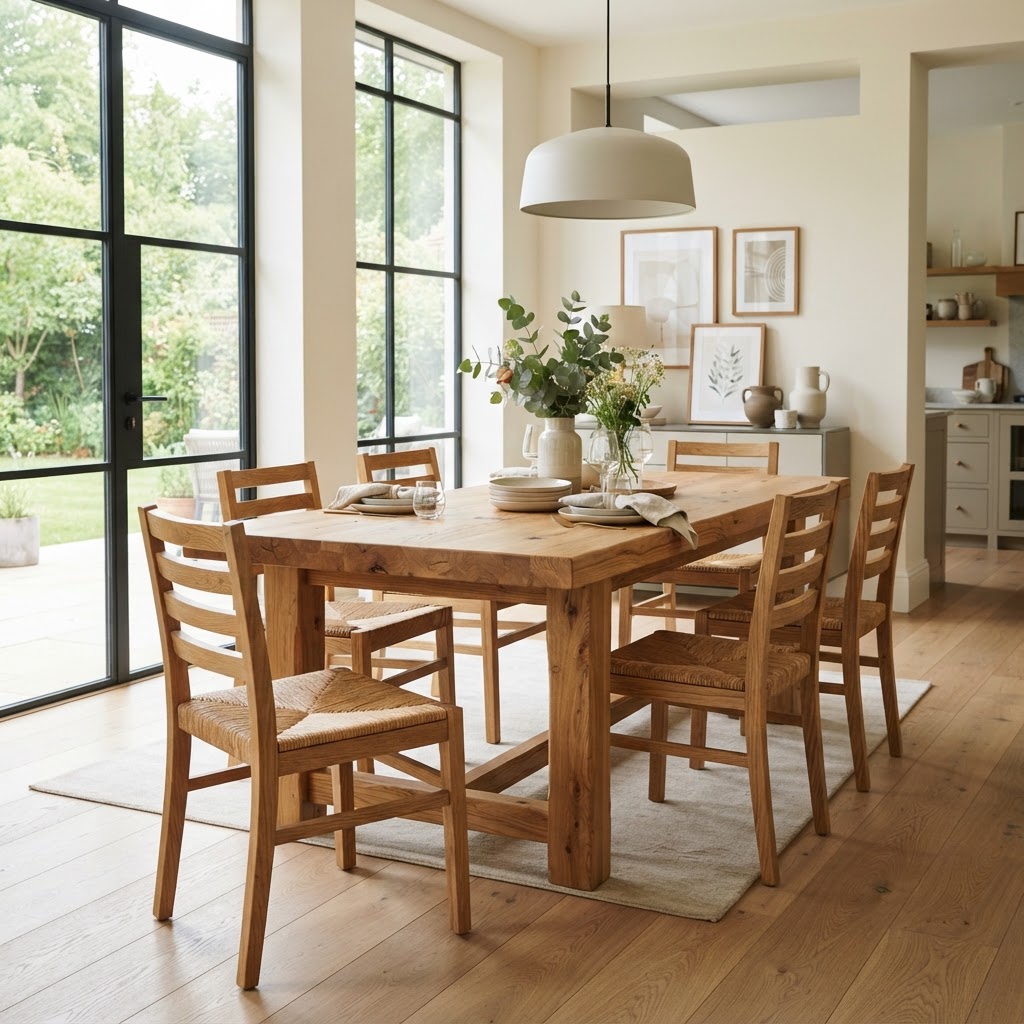
3White Oak
Quercus alba
Closed cell structure resists water penetration, unlike red oak. Traditional for garden benches.
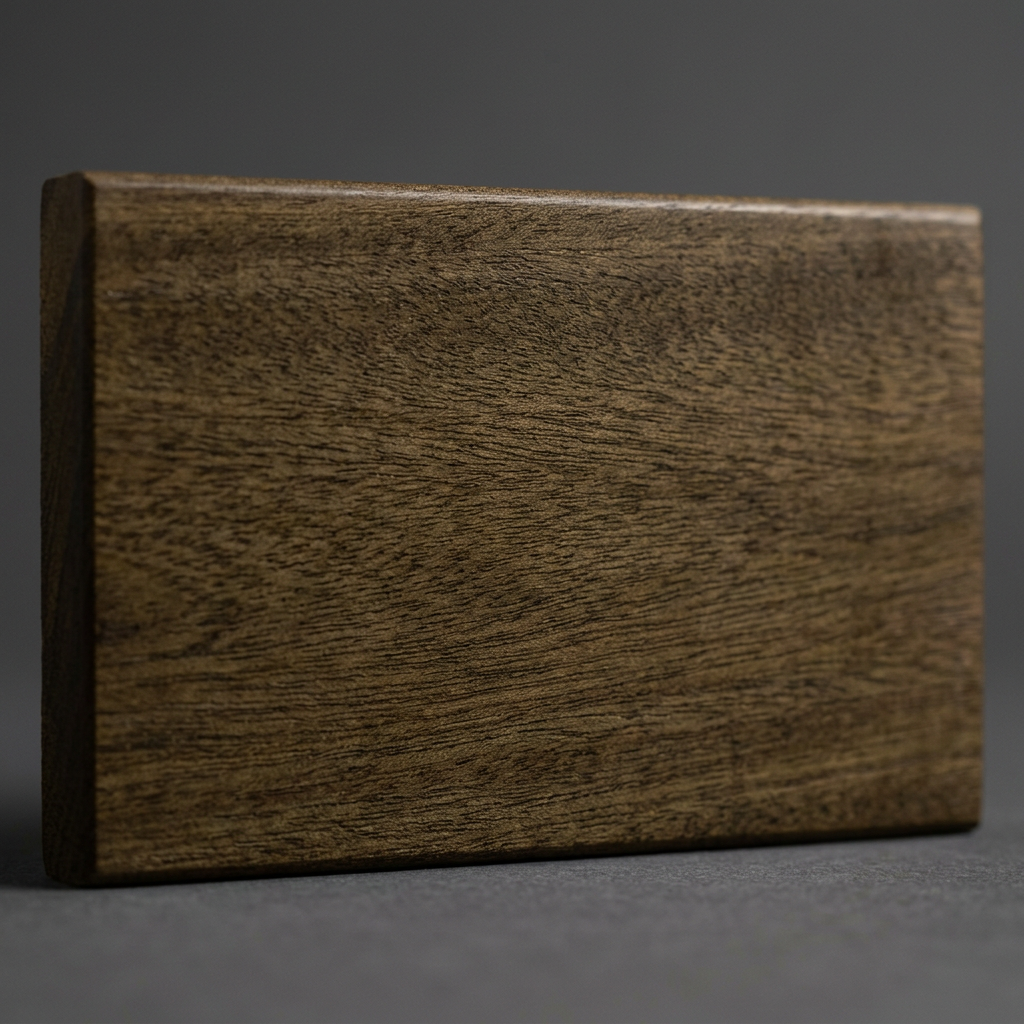 4
4Ipê
Handroanthus spp.
Nearly indestructible outdoors; heavy, but ideal for built-in seating and tabletops.
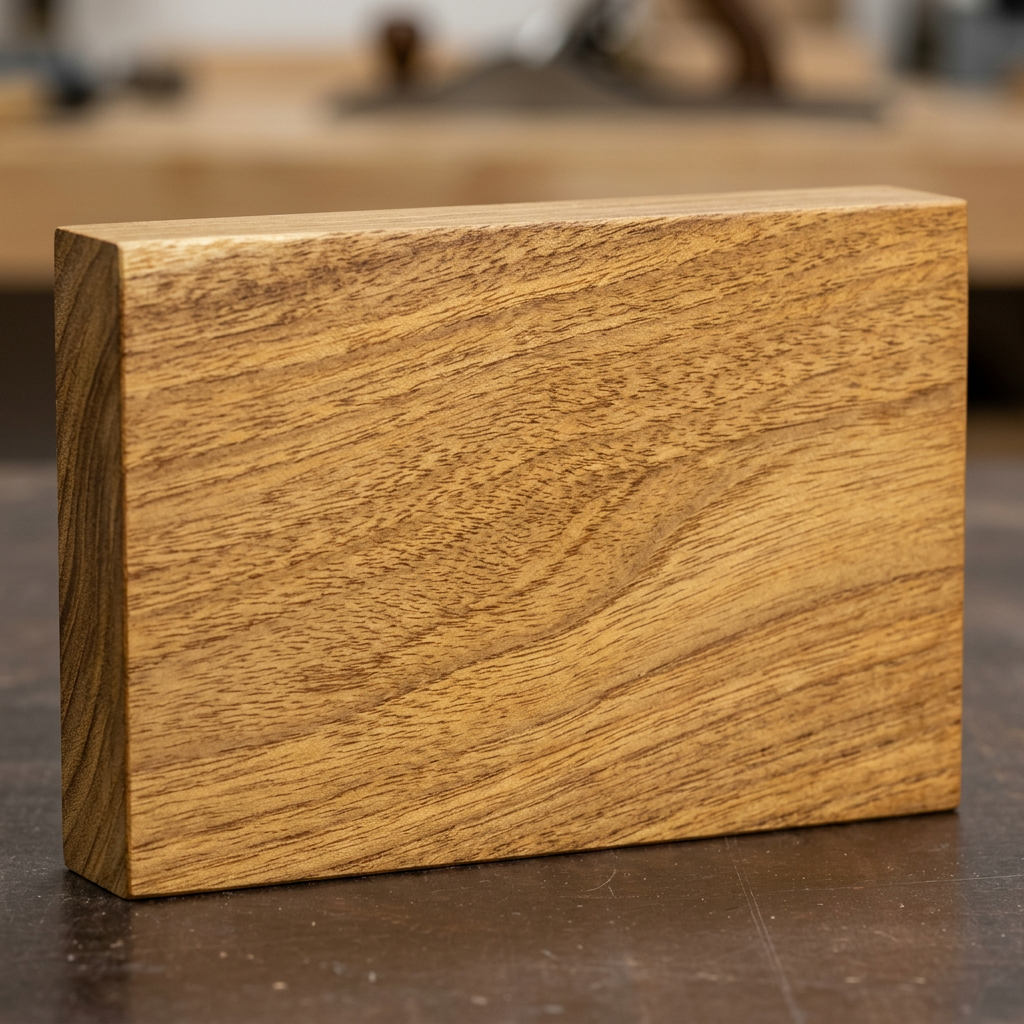 5
5Iroko
Milicia excelsa
Often called African teak — durable, stable, and less expensive than true teak.
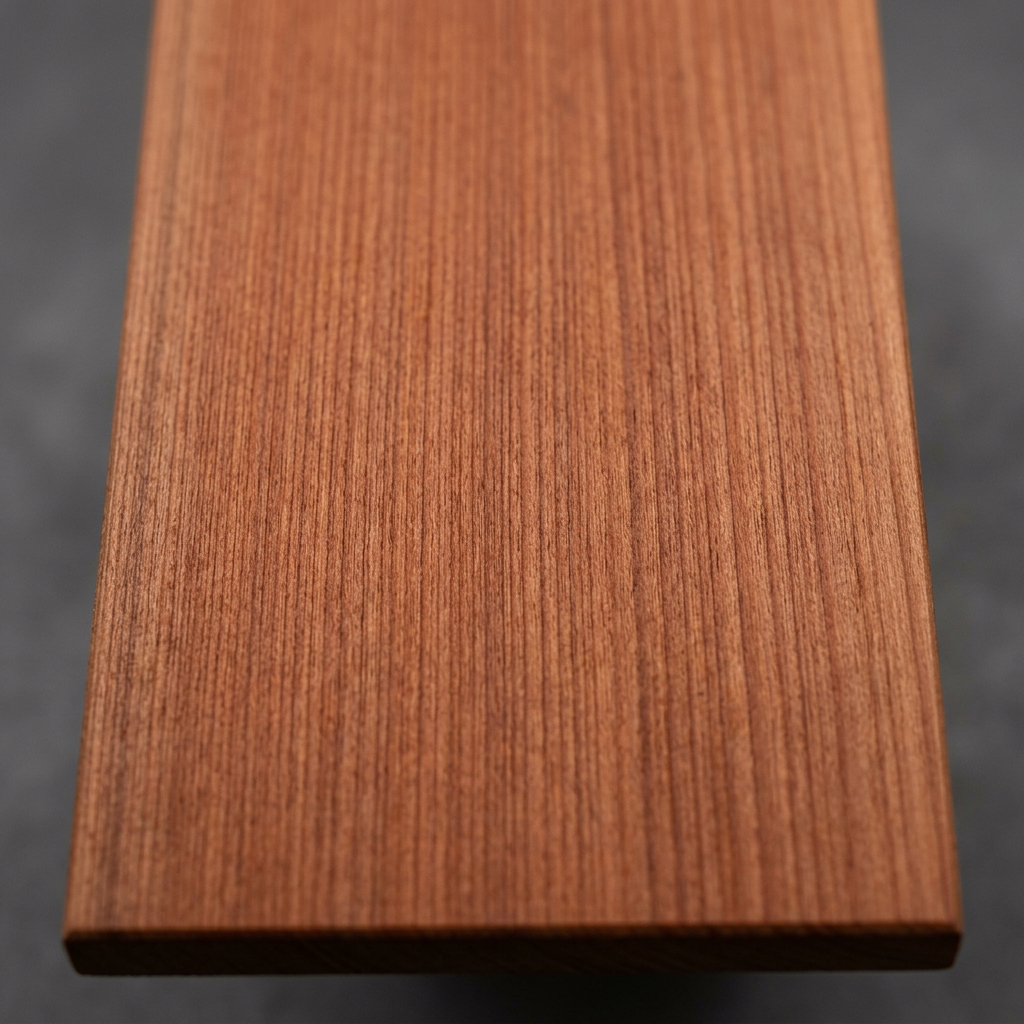 6
6Redwood
Sequoia sempervirens
Lightweight and naturally rot resistant, with a warm color that weathers to silver.
What to Look For
- Use decay-resistant heartwood only; sapwood in any species rots quickly.
- Design joints and slats to shed water rather than trap it.
- Stainless steel fasteners prevent the black staining that tannin-rich woods cause.
- Left unfinished, every species weathers grey — that's surface only, not decay.
Frequently Asked Questions
What wood lasts longest outdoors untreated?
Teak and ipe last longest untreated, followed by other very durable tropical hardwoods. Among softwoods, western red cedar and redwood heartwood perform best.
Do I need to seal outdoor furniture?
Not for decay resistance if you're using durable heartwood — sealing is about keeping the original color and slowing surface checking.
Is cedar or pine better for outdoor furniture?
Cedar, clearly. Untreated pine has no meaningful decay resistance and will fail within a few seasons outdoors.
Need a more specific recommendation?
Describe your project and our AI Wood Finder will search all 137 species.