Best Wood for Cutting Boards
A good cutting board wood is closed-grained enough to resist absorbing juices and bacteria, hard enough to resist scarring, but not so hard it dulls your knives. The sweet spot is roughly 900–1,500 lbf on the Janka scale, with no strong natural toxins or oils.
Our Top 6 Picks
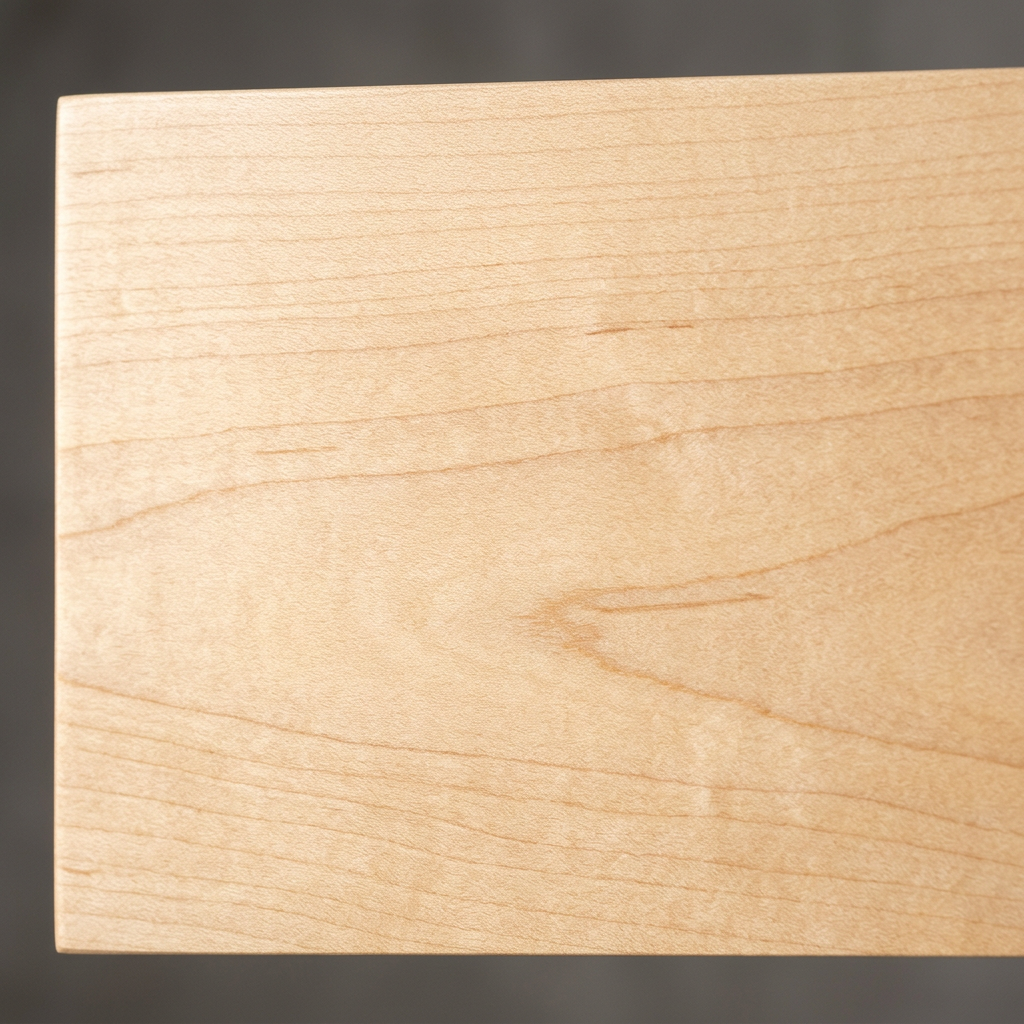 1
1Hard Maple
Acer saccharum
The industry standard. Tight closed grain, ideal hardness, neutral color, and completely food safe.
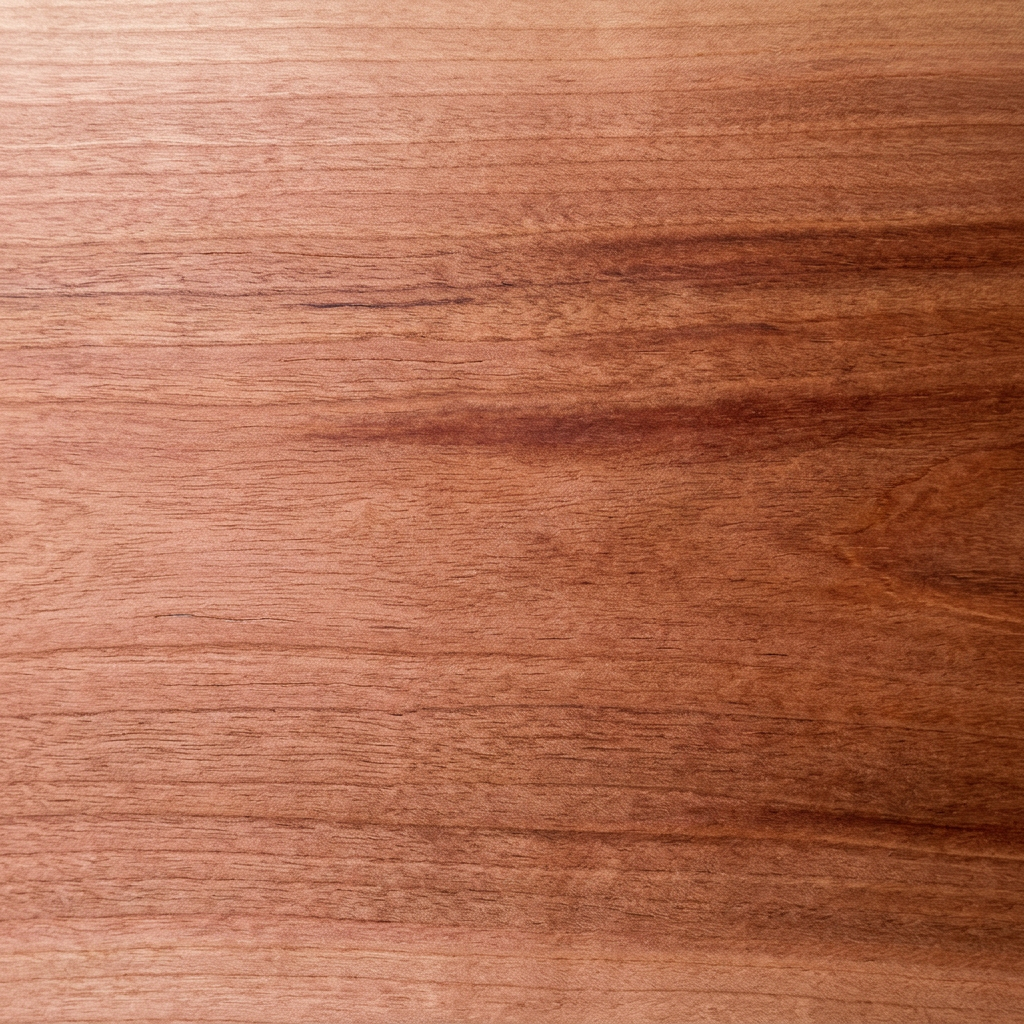 2
2Cherry
Prunus serotina
Softer and kinder to knife edges, with a color that deepens beautifully over time.
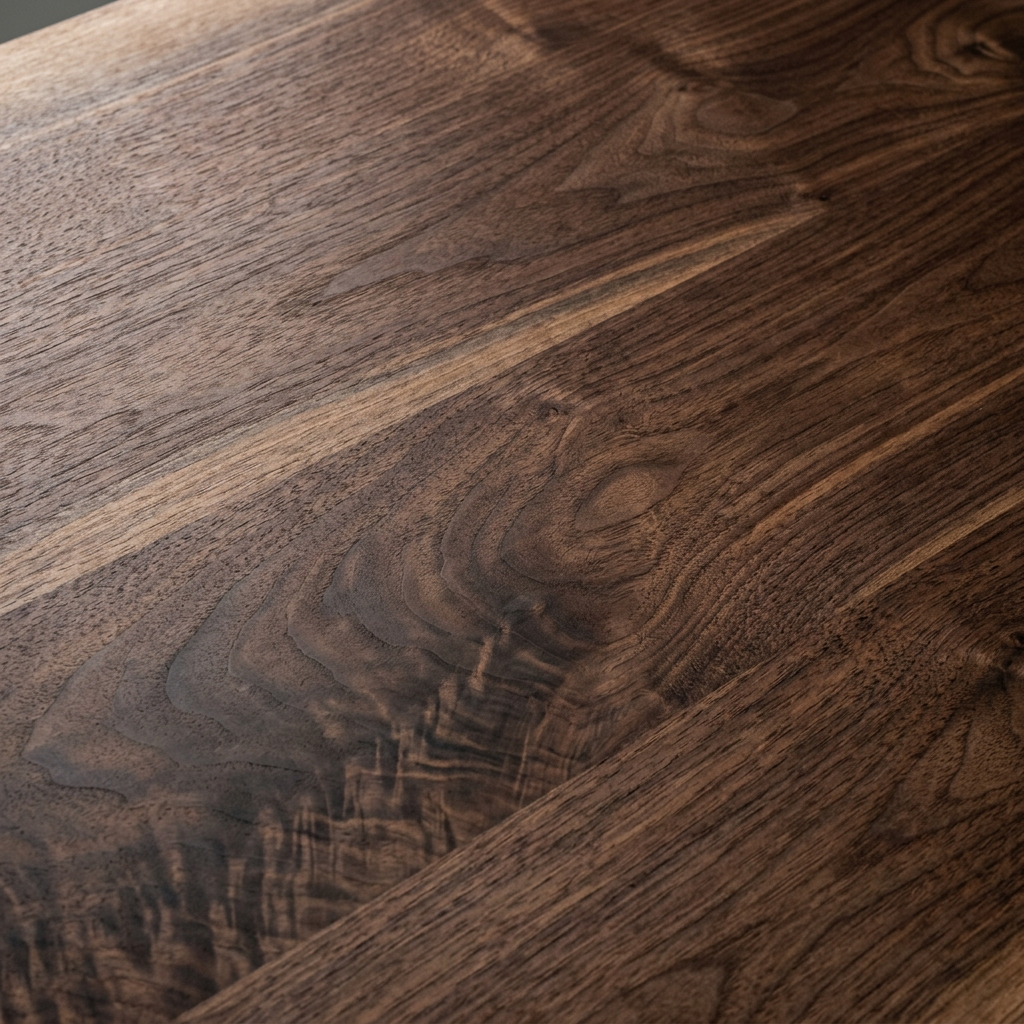 3
3Black Walnut
Juglans nigra
Dark, handsome, and slightly softer than maple — a favorite for premium boards.
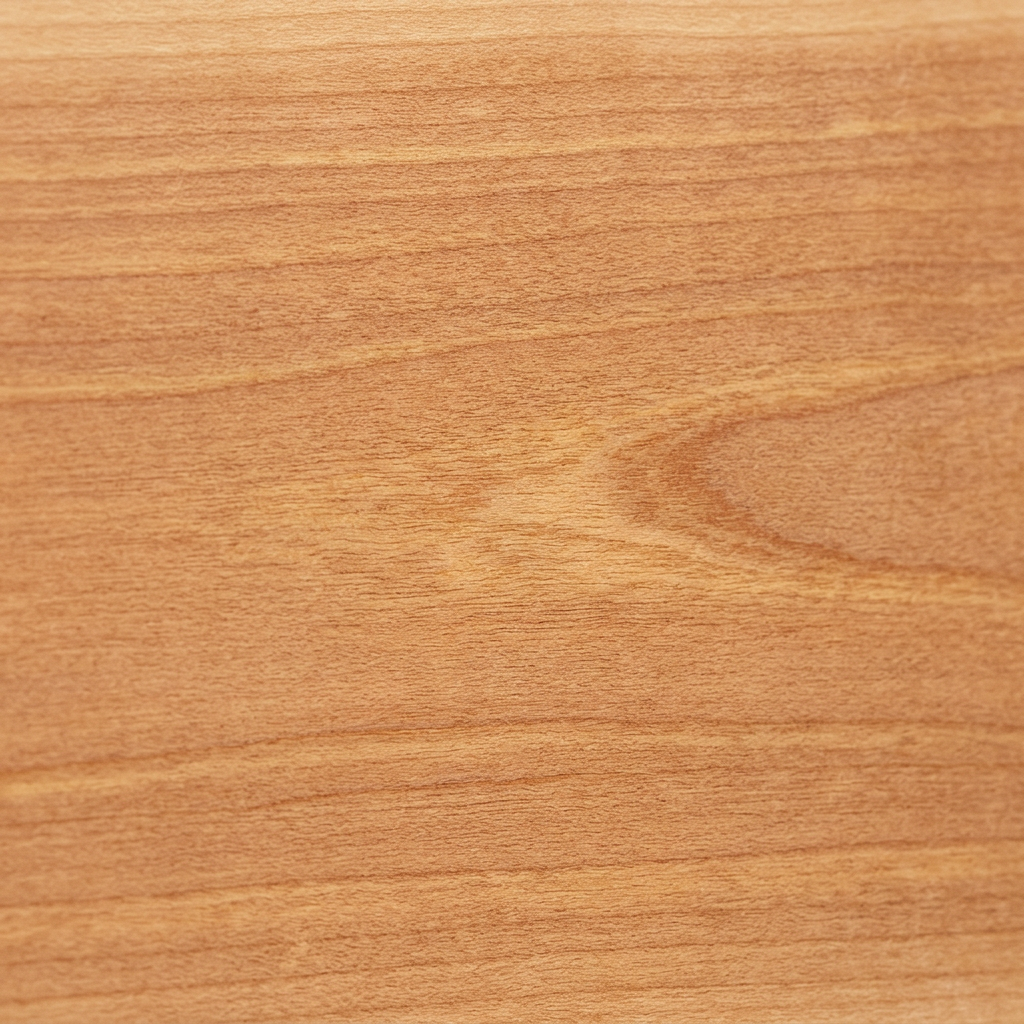 4
4Yellow Birch
Betula alleghaniensis
A cost-effective maple alternative with similar tight grain and hardness.
 5
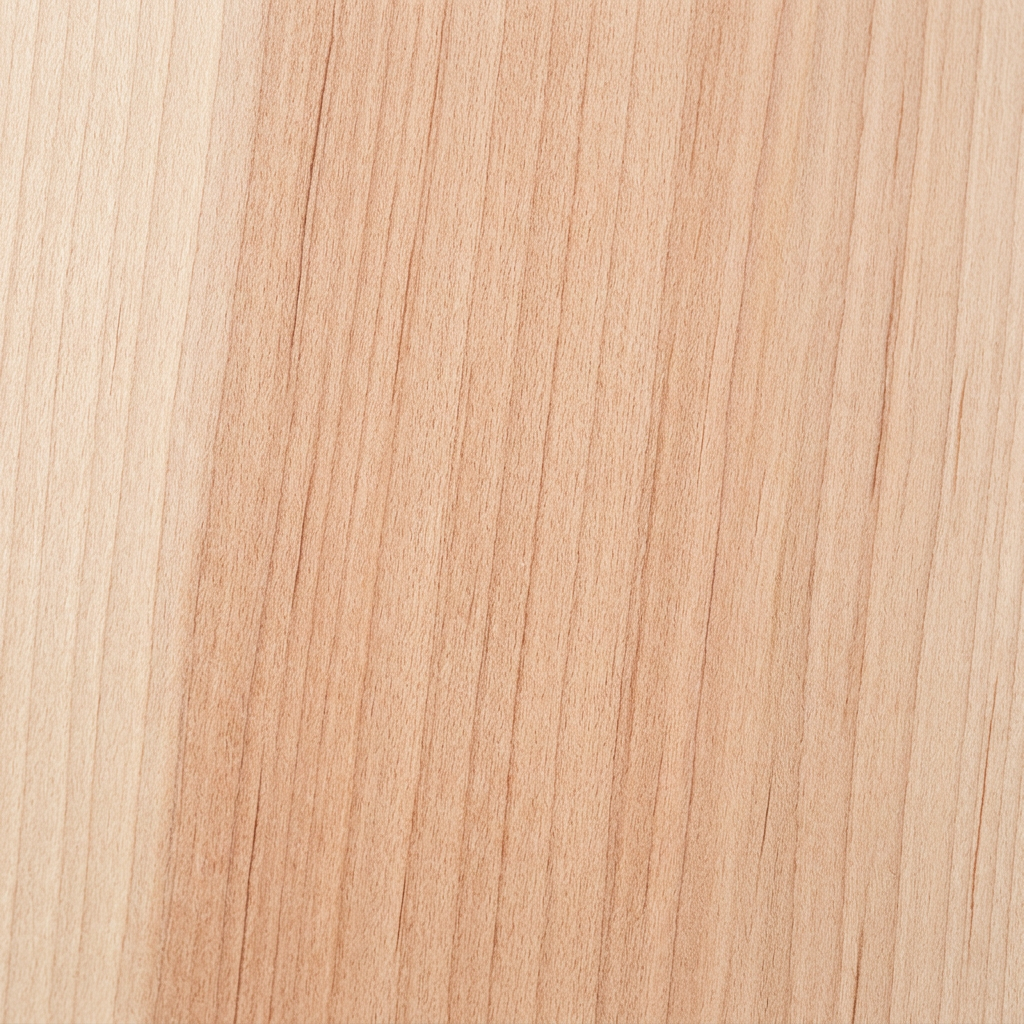
5American Beech
Fagus grandifolia
Very uniform, closed grain and traditionally used for butcher blocks in Europe.
 6
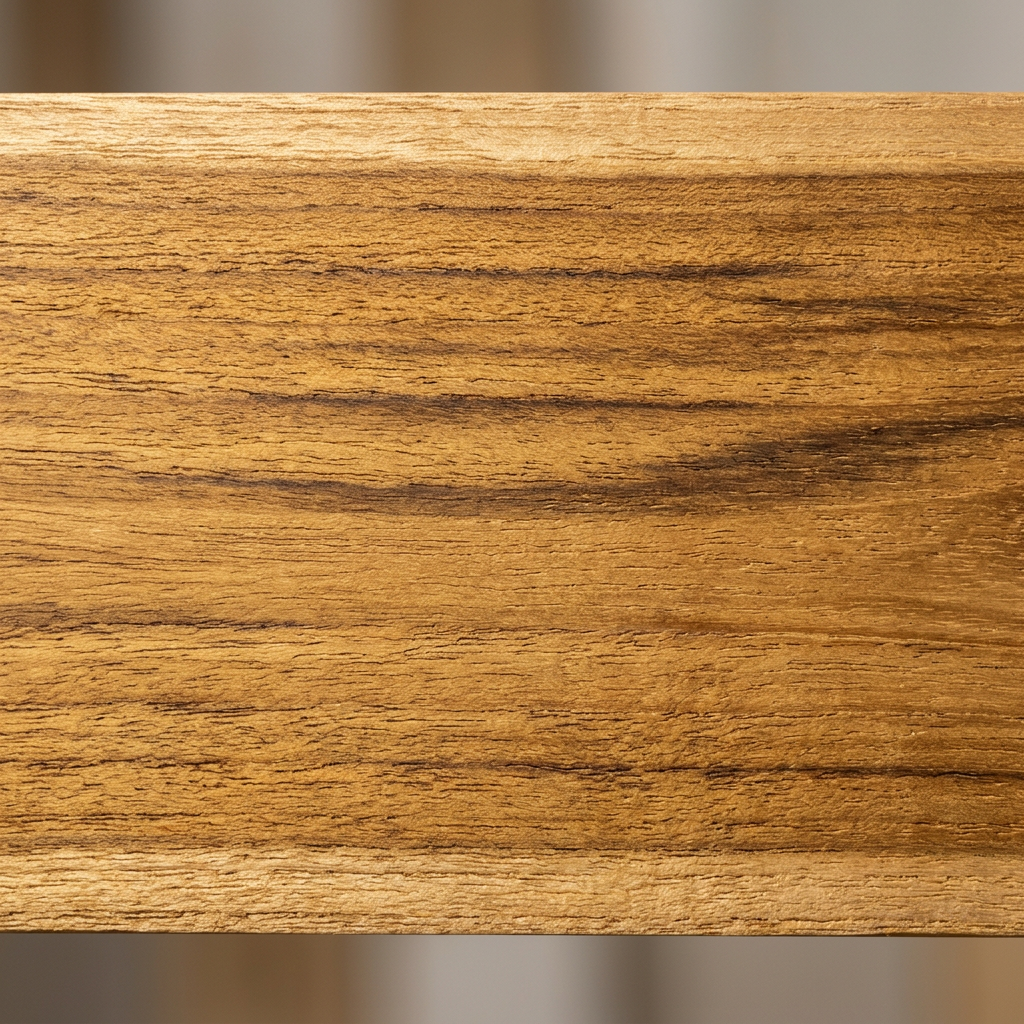
6Teak
Tectona grandis
Naturally oily and water resistant, so it handles wet kitchen use very well.
What to Look For
- Avoid open-grained species like red oak — the pores trap moisture and food residue.
- Skip species with irritant dust or strong natural toxins for anything touching food.
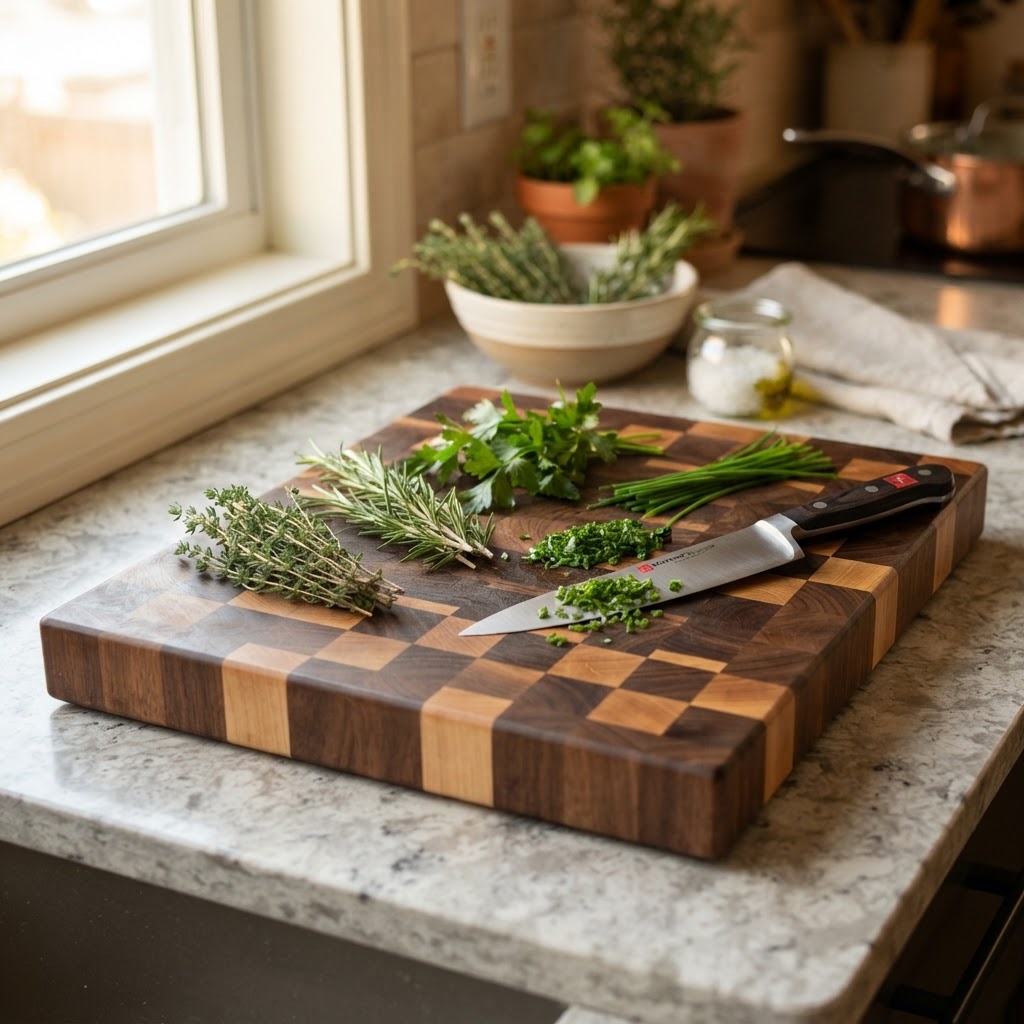
- End-grain construction self-heals knife cuts, but needs more oiling than edge grain.
- Very hard tropical species over ~2,000 lbf will dull knives faster than they protect your board.
Frequently Asked Questions
Is walnut or maple better for a cutting board?
Maple is harder and more scar-resistant; walnut is softer and gentler on knife edges while hiding cut marks better. Both are food safe and excellent choices.
Can you use red oak for a cutting board?
It's not recommended. Red oak has large open pores that absorb liquid and are difficult to sanitize fully.
What wood is toxic for cutting boards?
Avoid species known for irritant or sensitizing dust and heavy natural extractives — check each species page's safety and workability notes before using it for food contact.
Need a more specific recommendation?
Describe your project and our AI Wood Finder will search all 137 species.