Azobe
Lophira alata
Genus: Lophira · Family: Ochnaceae
Quick Facts
Wood Type
Hardwood
Native Range
Africa
Avg. Dried Weight
68 lb/ft³
Janka Hardness
3,360 lbf
Decay Resistance
Very Durable
Typical Color
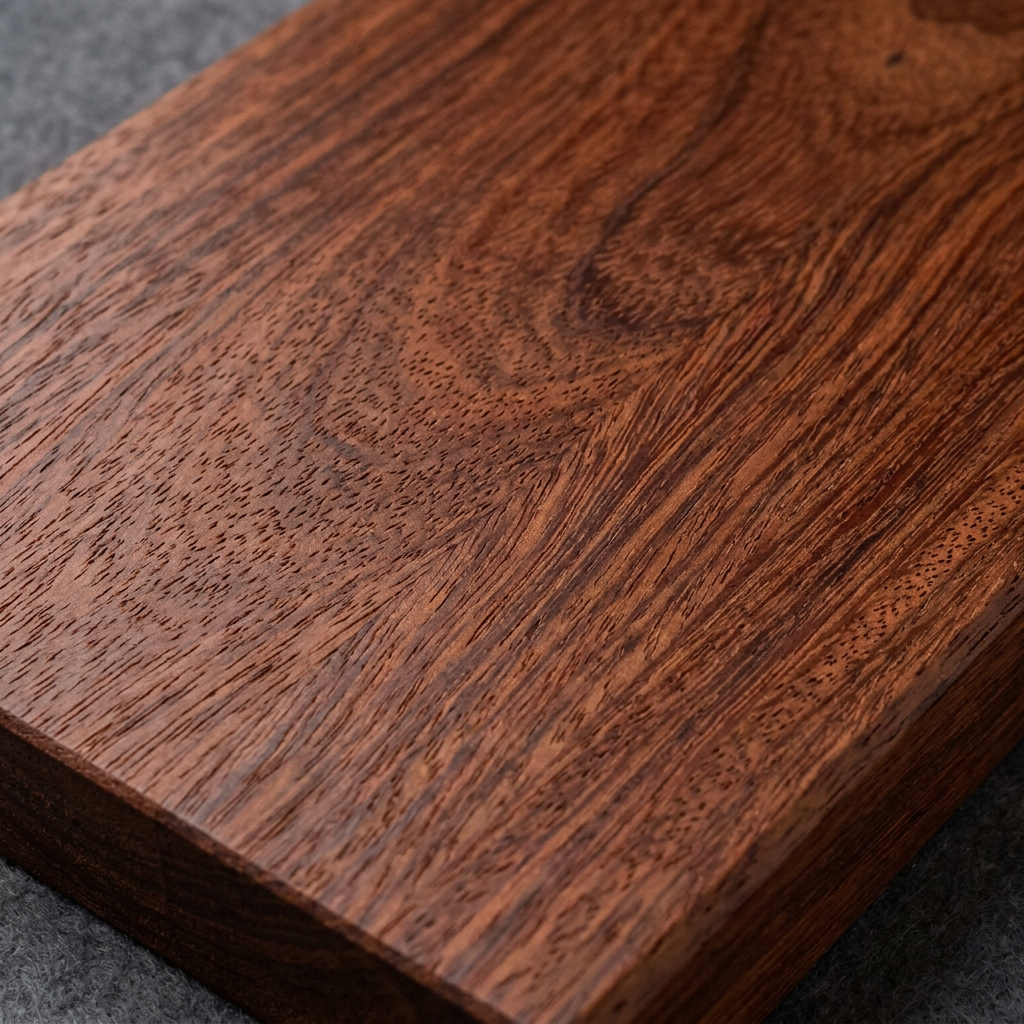
Dark Brown
Stability
High
Outdoor Suitability
Excellent
Workability
Very Difficult
Availability
Commercially Available
CITES
Unlisted
IUCN
Vulnerable
Did You Know?
- •Azobe is harder than 96% of all species in our database — one of the hardest woods commercially available.
- •At 68 lb/ft³, Azobe is denser than water and will sink when submerged.
- •Azobe is one of the few species rated both "Very Durable" for decay resistance and "Excellent" for outdoor use — ideal for ground-contact and marine applications.
Janka Hardness Scale
Extremely Hard
Overview
Professional Summary
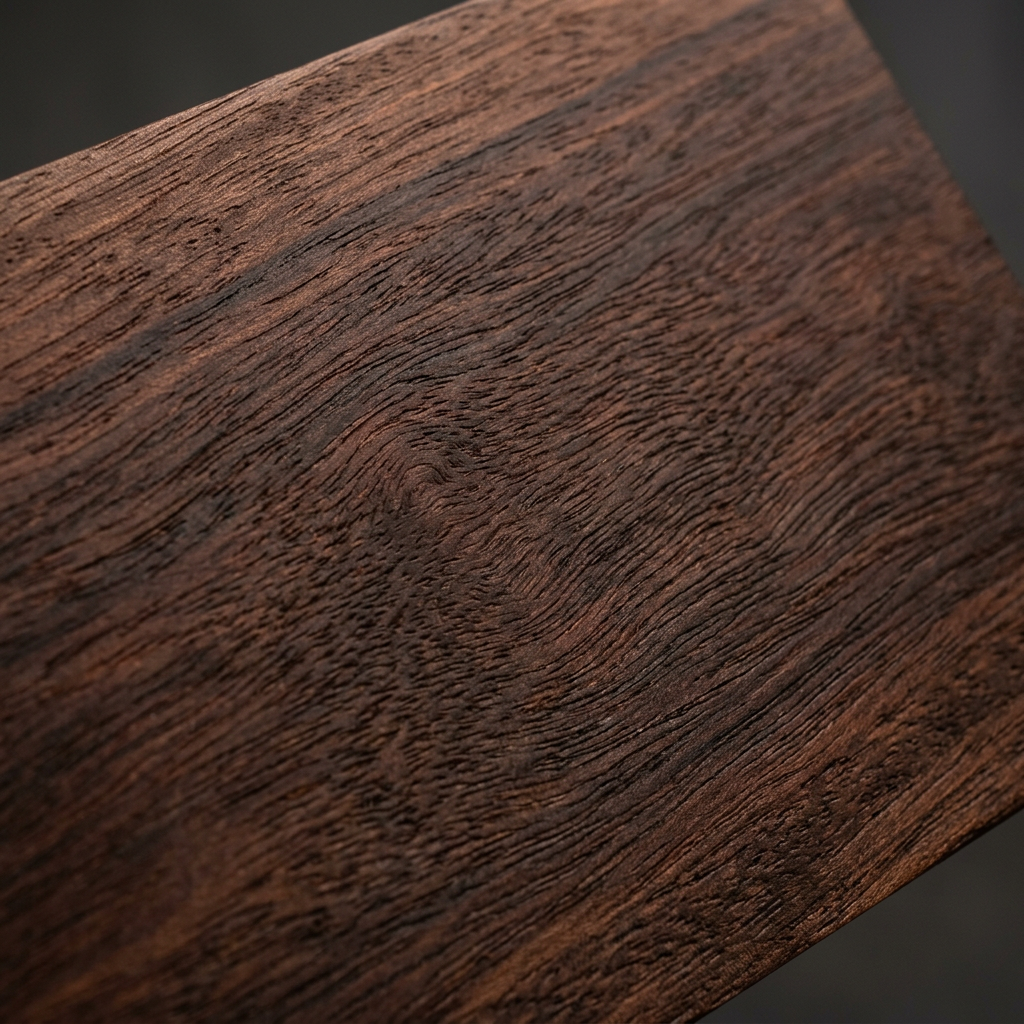
Azobe (Lophira alata), also known as Ekki, is an extraordinarily dense African hardwood with a Janka hardness of 3,360 lbf. Virtually impervious to rot, insects, and marine borers, it's the go-to species for harbor pilings, lock gates, and the most demanding structural applications in Europe.
In Plain English
Azobe (also called Ekki) is one of the toughest woods on the planet — used for harbor pilings, canal lock gates, and heavy-duty construction across Europe. It's so hard and dense that it's practically indestructible, but working it is a serious challenge.
Appearance
Technical Properties
Sources, Conditions & Safety
No documented references are attached to this profile yet. Its recorded values should not be treated as source-verified.
Wood dust & sensitivity
Species-specific safety information has not been documented here. Absence of a warning does not mean the wood is safe or non-allergenic.
Use dust extraction and appropriate protective equipment; consult occupational-safety guidance. This is not medical advice or food-contact approval.
Durability & Performance
Workability
Common Uses
Harbor pilings, canal lock gates, marine construction, heavy-duty commercial decking, railway sleepers, and bridge components.
Sustainability & Trade
Listings are reference information, not proof of legal sourcing or certification. Verify current trade rules and supplier documentation before buying; absence of a note does not mean unrestricted trade.
68 lb/ft³ — one of the heaviest commercial timbers. Destroys conventional tooling. Virtually impossible to nail without pre-drilling.
Native Distribution
Find Substitutes
AI-powered alternative species matching
You Might Also Consider
Species with similar characteristics and uses
Look-Alike Species
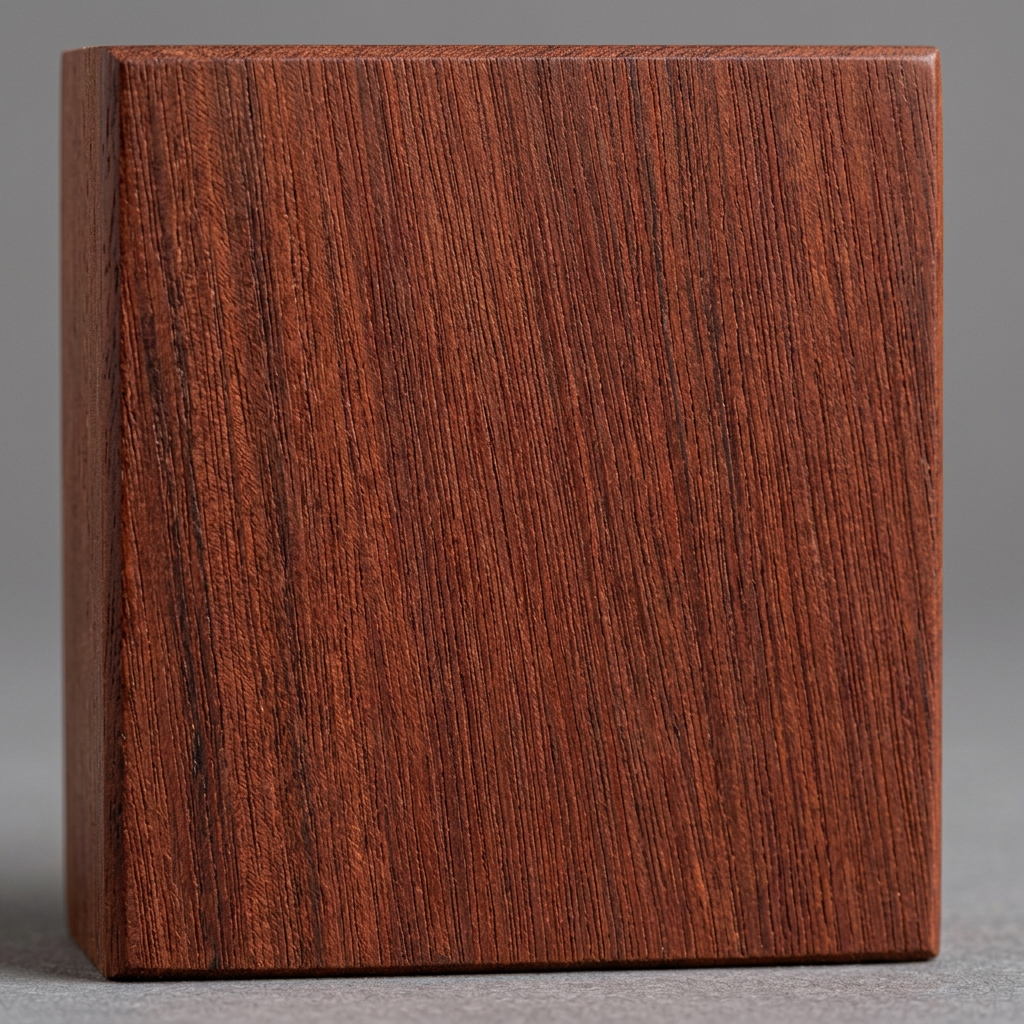
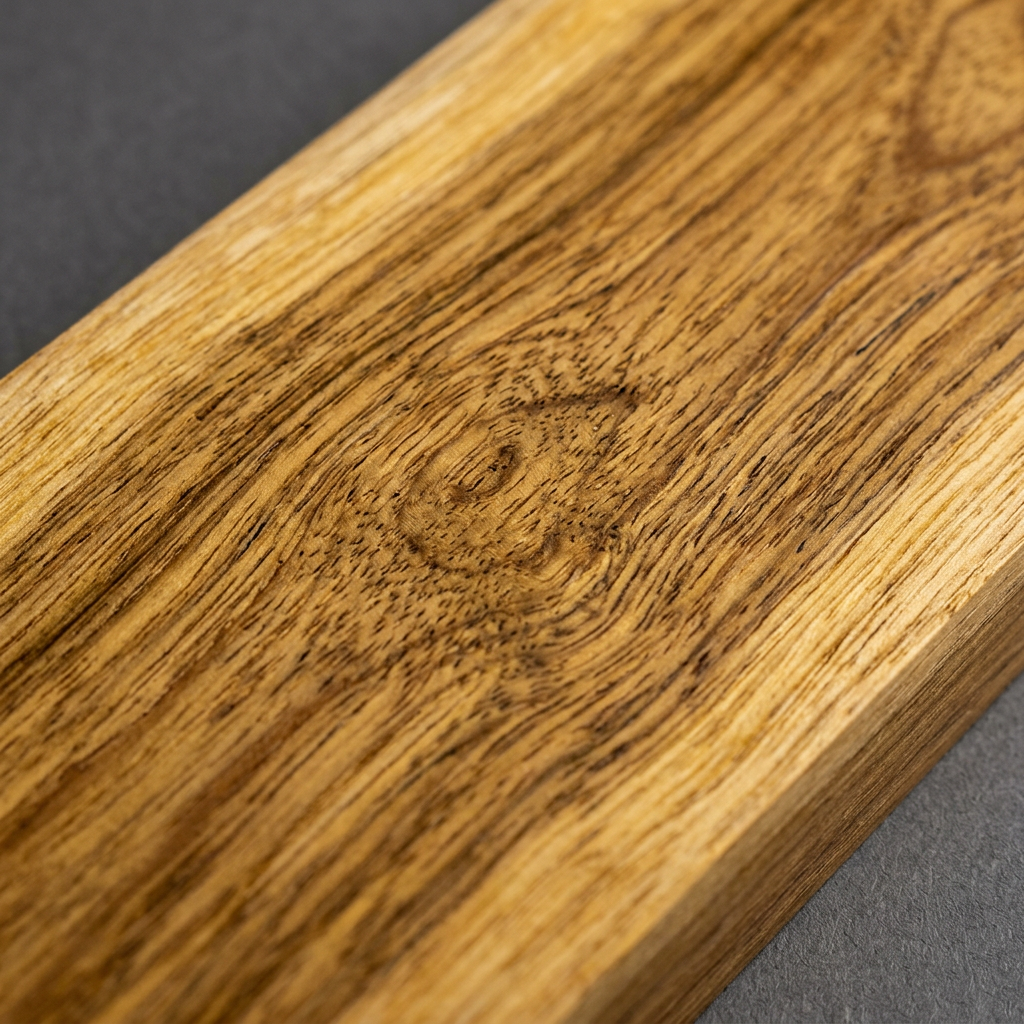
Woods with a similar dark brown color that are easily confused with Azobe. Recorded differences are shown where data exists; confirm identification with end-grain examination.
- • Softer (Janka 1,010 lbf)
- • Lighter (38 lb/ft³)
- • Decay: Durable
- • Texture: Medium
- • Softer (Janka 2,250 lbf)
- • Lighter (61 lb/ft³)
- • Texture: Medium
- • Softer (Janka 2,440 lbf)
- • Lighter (52 lb/ft³)
- • Harder (Janka 3,510 lbf)
- • Texture: Fine to medium