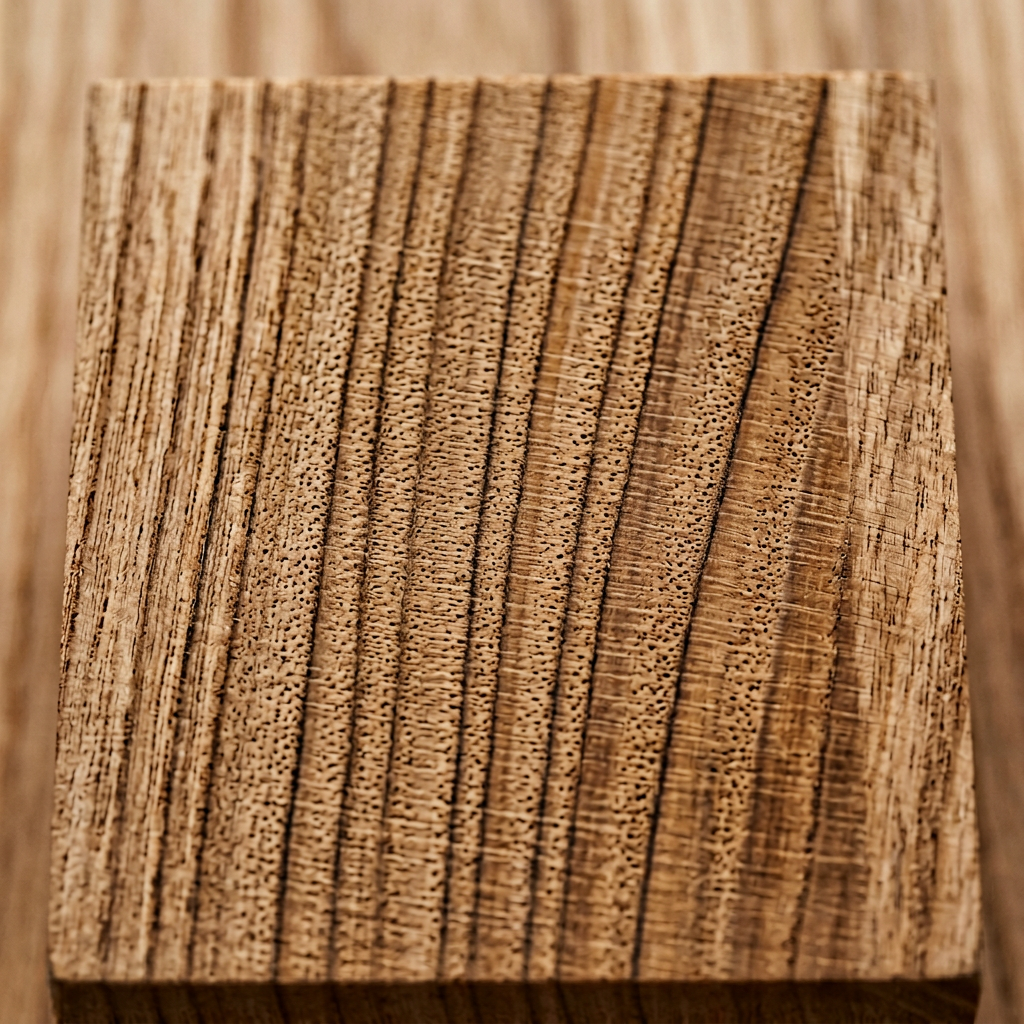
Black Ash
Fraxinus nigra
Genus: Fraxinus · Family: Oleaceae
Quick Facts
Wood Type
Hardwood
Native Range
North America
Avg. Dried Weight
34 lb/ft³
Janka Hardness
850 lbf
Decay Resistance
Non-Durable
Typical Color
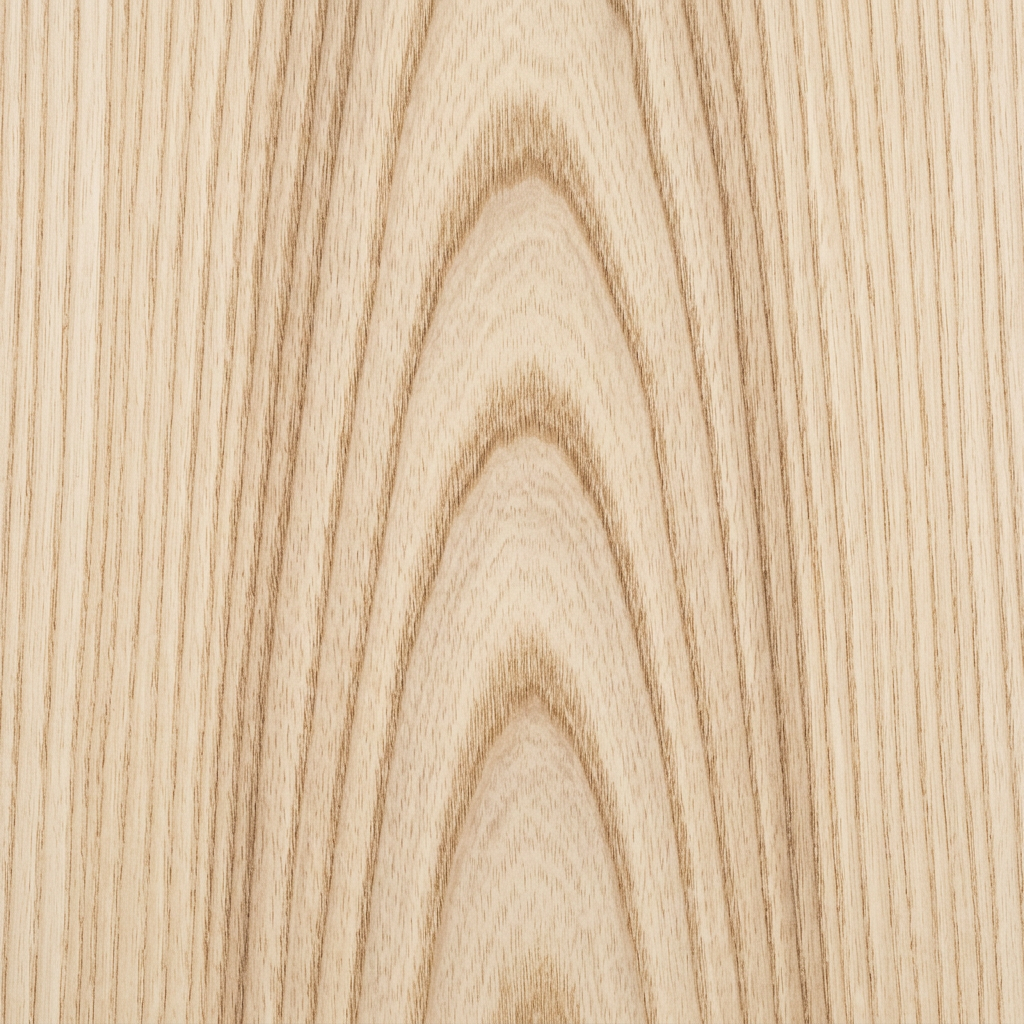
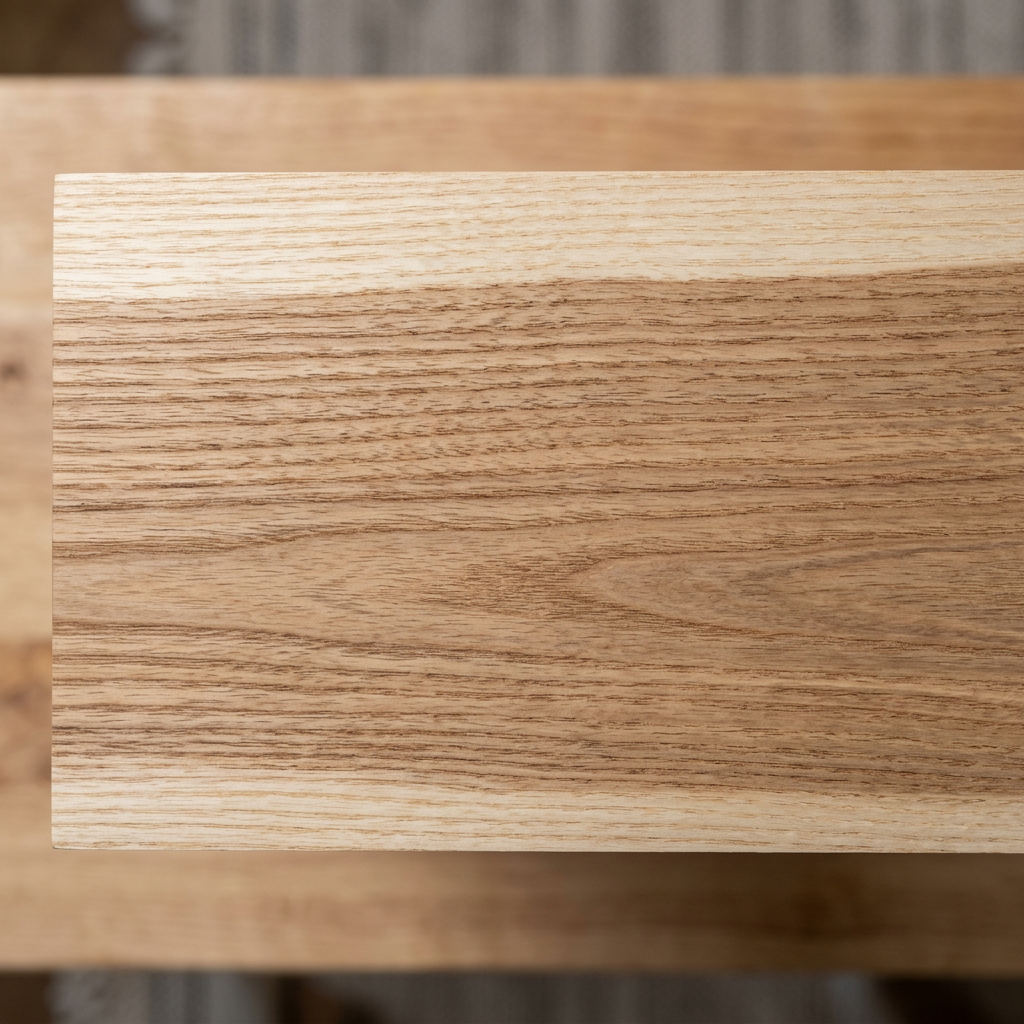
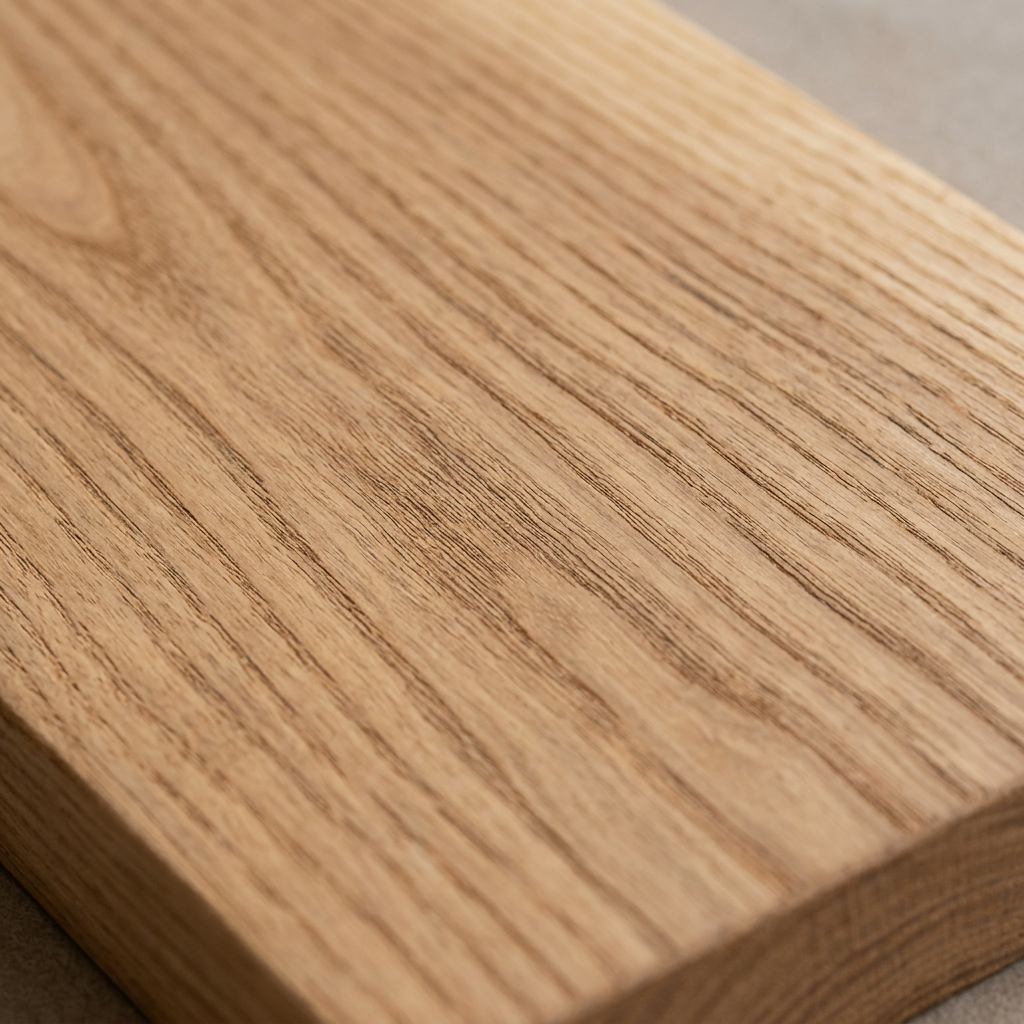
Light Brown
Stability
Medium
Outdoor Suitability
Poor
Workability
Easy
Availability
Common in U.S.
CITES
Unlisted
IUCN
Not Evaluated
Did You Know?
- •Black Ash is harder than 28% of the 137 species in our database.
Janka Hardness Scale
Soft
Overview
Professional Summary
Black Ash (Fraxinus nigra) is a swamp-dwelling North American hardwood with deep cultural significance to Indigenous peoples, who have used it for centuries to create splint baskets by pounding logs to separate growth rings. Softer than White Ash at 850 lbf Janka, it's the traditional basket-making wood of the Northeast.
In Plain English
Black Ash is the traditional basket-weaving wood of Native American cultures — when you pound a log, the growth rings separate into thin strips perfect for weaving. It grows in swamps and wetlands and is now threatened by the emerald ash borer beetle.
Appearance
Technical Properties
Sources, Conditions & Safety
No documented references are attached to this profile yet. Its recorded values should not be treated as source-verified.
Wood dust & sensitivity
Species-specific safety information has not been documented here. Absence of a warning does not mean the wood is safe or non-allergenic.
Use dust extraction and appropriate protective equipment; consult occupational-safety guidance. This is not medical advice or food-contact approval.
Durability & Performance
Workability
Common Uses
Traditional splint basket weaving (culturally significant), furniture, veneer, and interior millwork.
Sustainability & Trade
Listings are reference information, not proof of legal sourcing or certification. Verify current trade rules and supplier documentation before buying; absence of a note does not mean unrestricted trade.
Not durable outdoors. Severely threatened by emerald ash borer. Weaker and softer than White Ash.
Native Distribution
Find Substitutes
AI-powered alternative species matching
You Might Also Consider
Species with similar characteristics and uses
Look-Alike Species
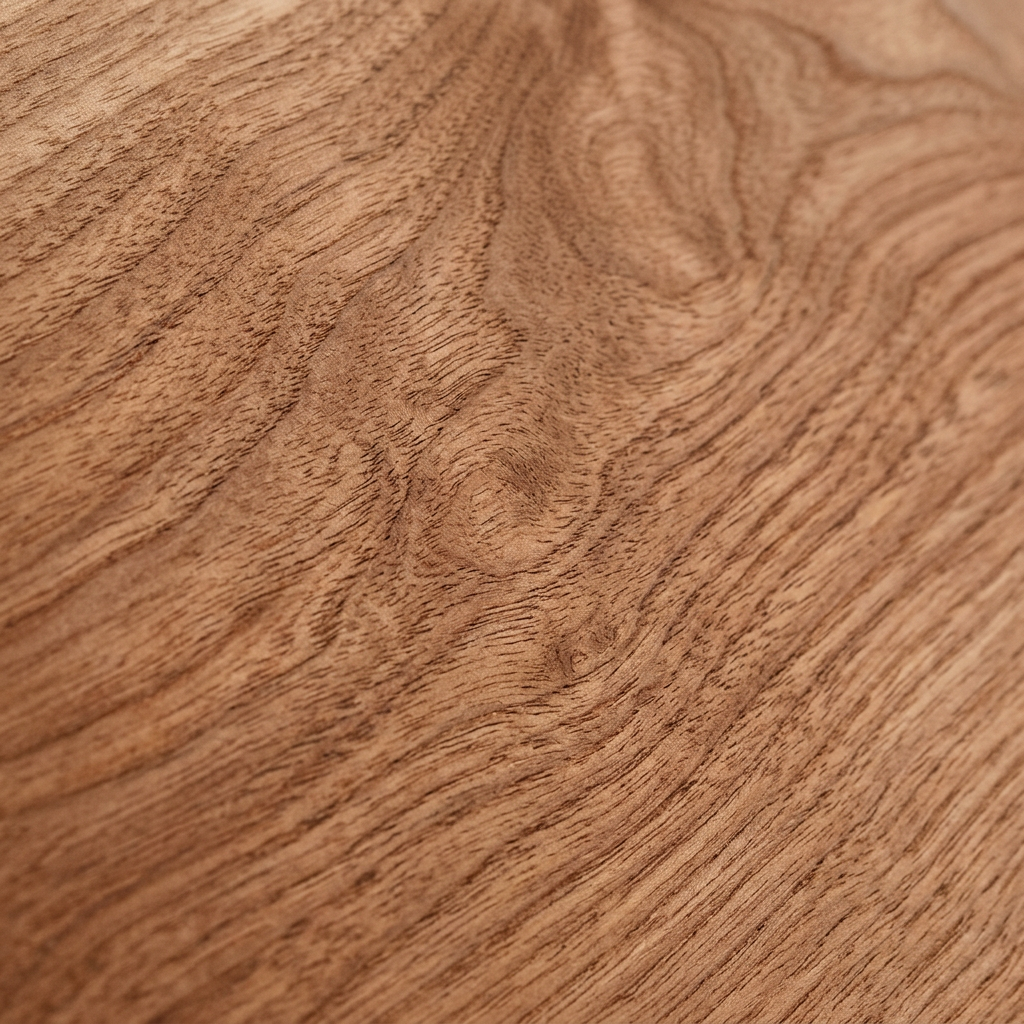
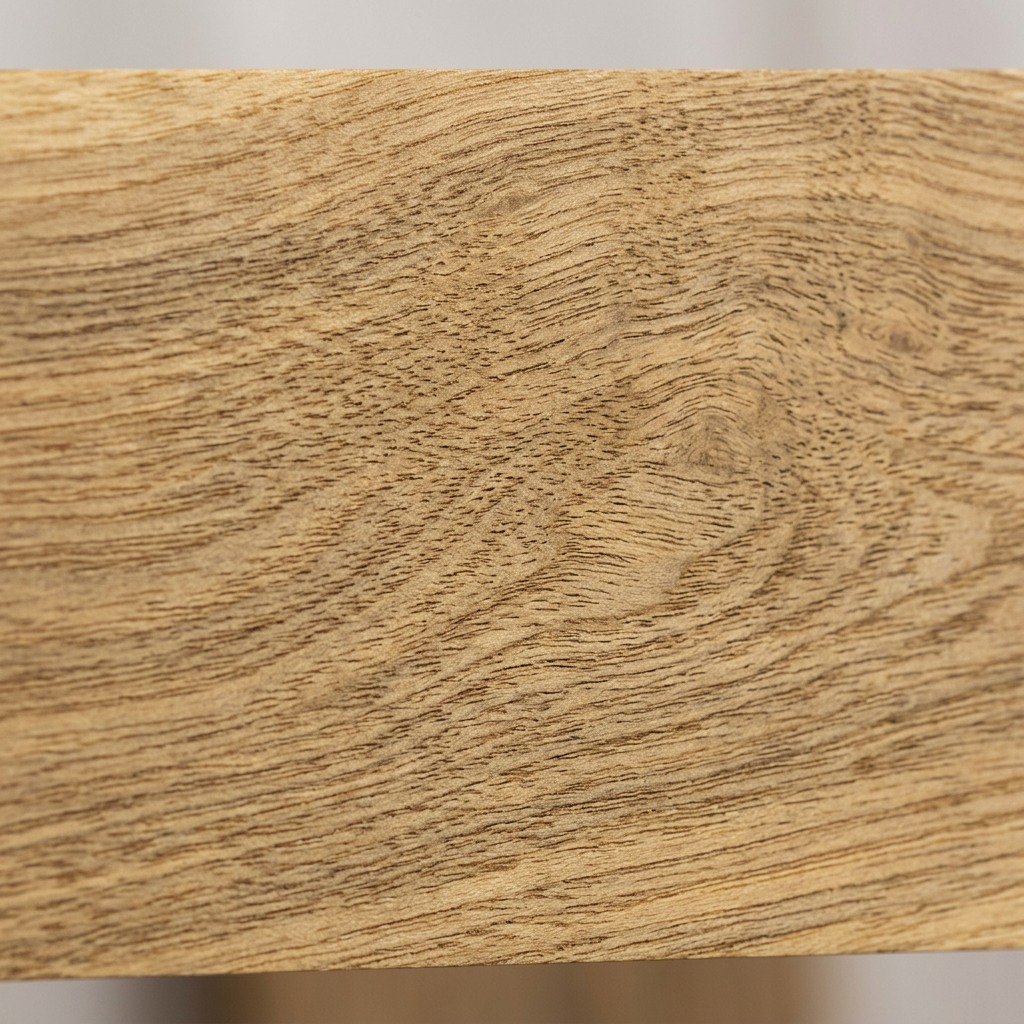
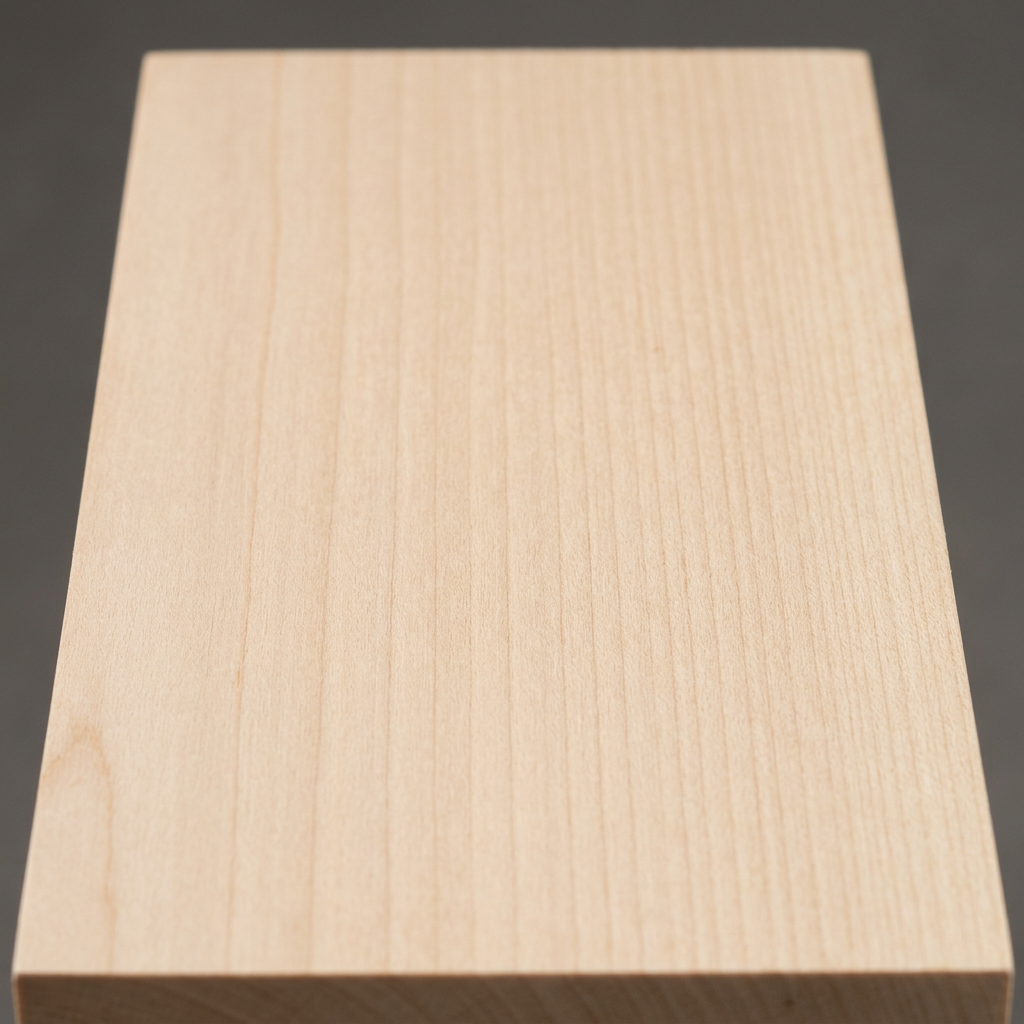
Woods with a similar light brown color that are easily confused with Black Ash. Recorded differences are shown where data exists; confirm identification with end-grain examination.
- • Harder (Janka 1,300 lbf)
- • Heavier (45 lb/ft³)
- • Texture: Fine to medium
- No recorded property differences yet
- • Harder (Janka 2,335 lbf)
- • Heavier (55 lb/ft³)
- • Decay: Durable
- • Texture: Medium
- • Softer (Janka 490 lbf)
- • Lighter (27 lb/ft³)