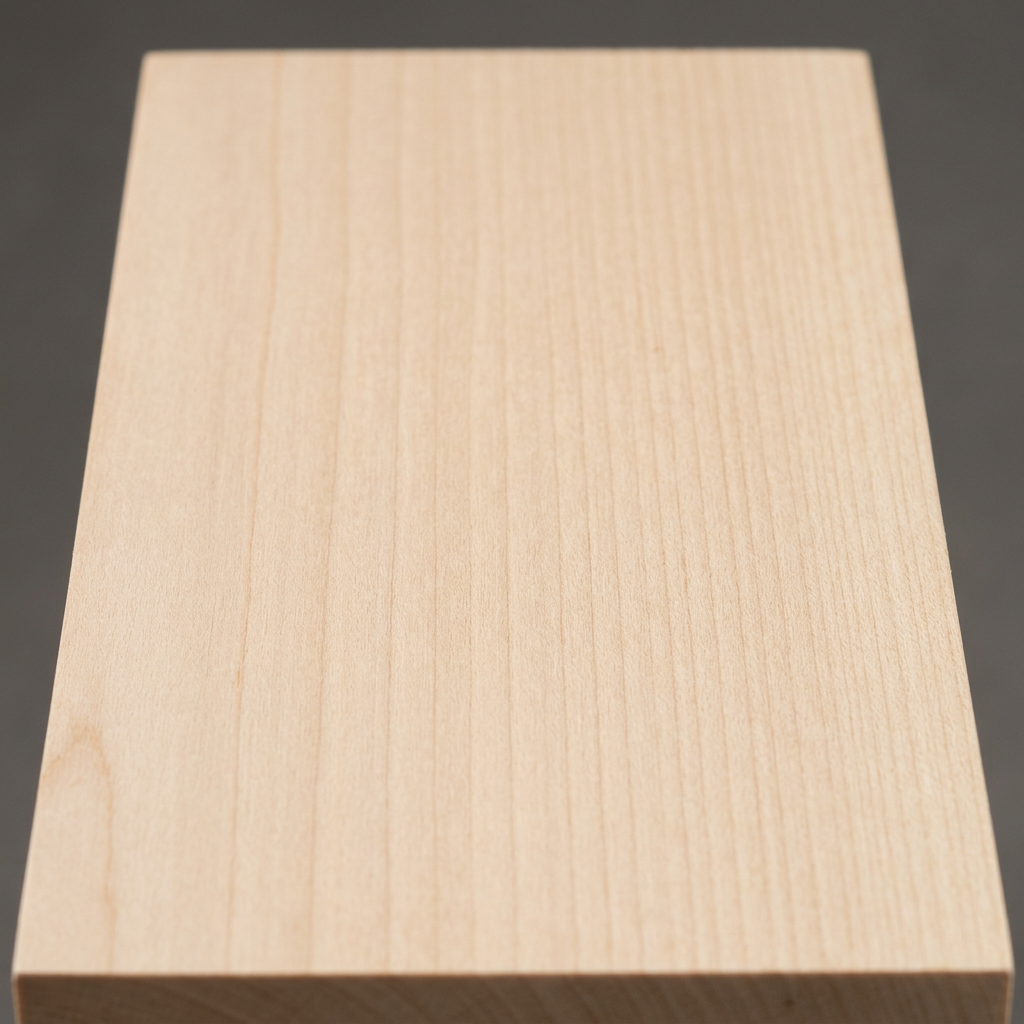
Silver Maple
Acer saccharinum
Genus: Acer · Family: Sapindaceae
Quick Facts
Wood Type
Hardwood
Native Range
North America
Avg. Dried Weight
33 lb/ft³
Janka Hardness
700 lbf
Decay Resistance
Non-Durable
Typical Color
Light Brown
Stability
Medium
Outdoor Suitability
Poor
Workability
Easy
Availability
Common in U.S.
CITES
Unlisted
IUCN
Not Evaluated
Did You Know?
- •Silver Maple is harder than 24% of the 137 species in our database.
Janka Hardness Scale
Soft
Overview
Professional Summary
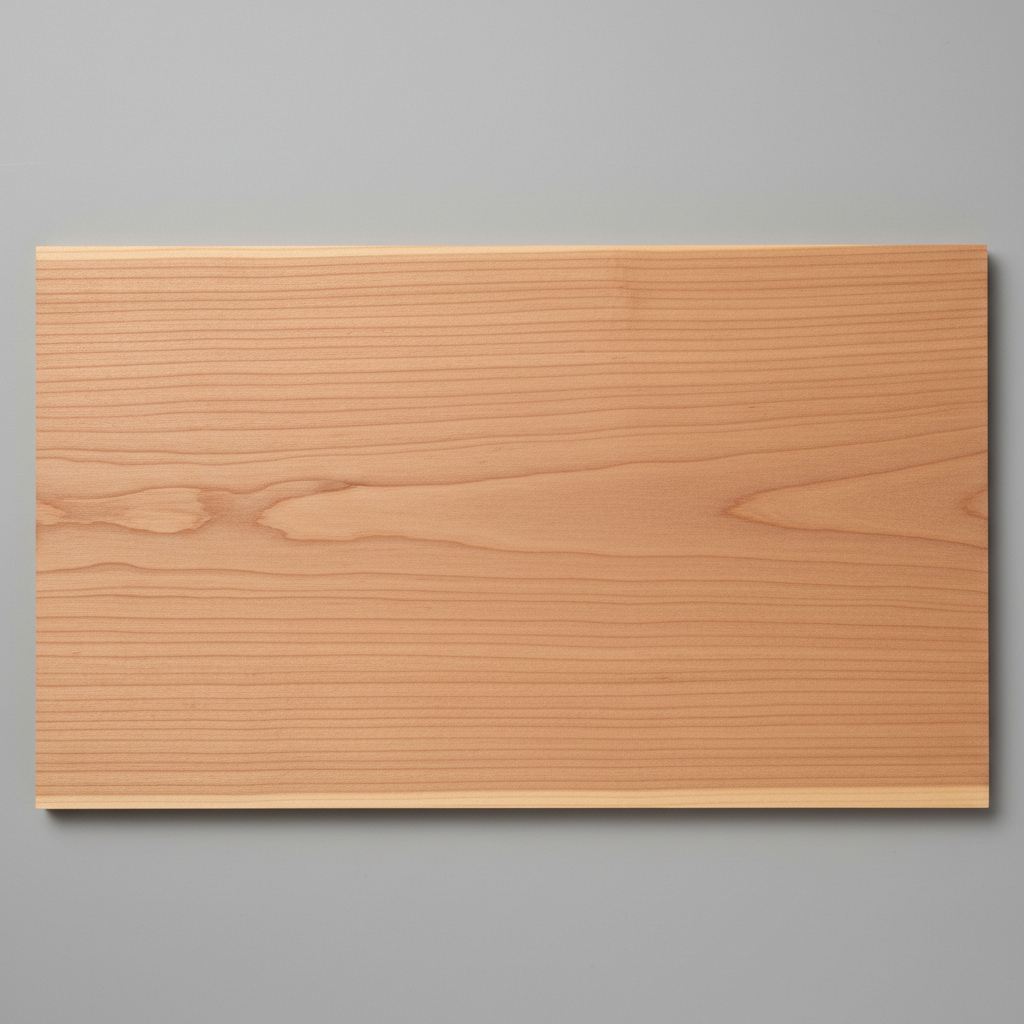
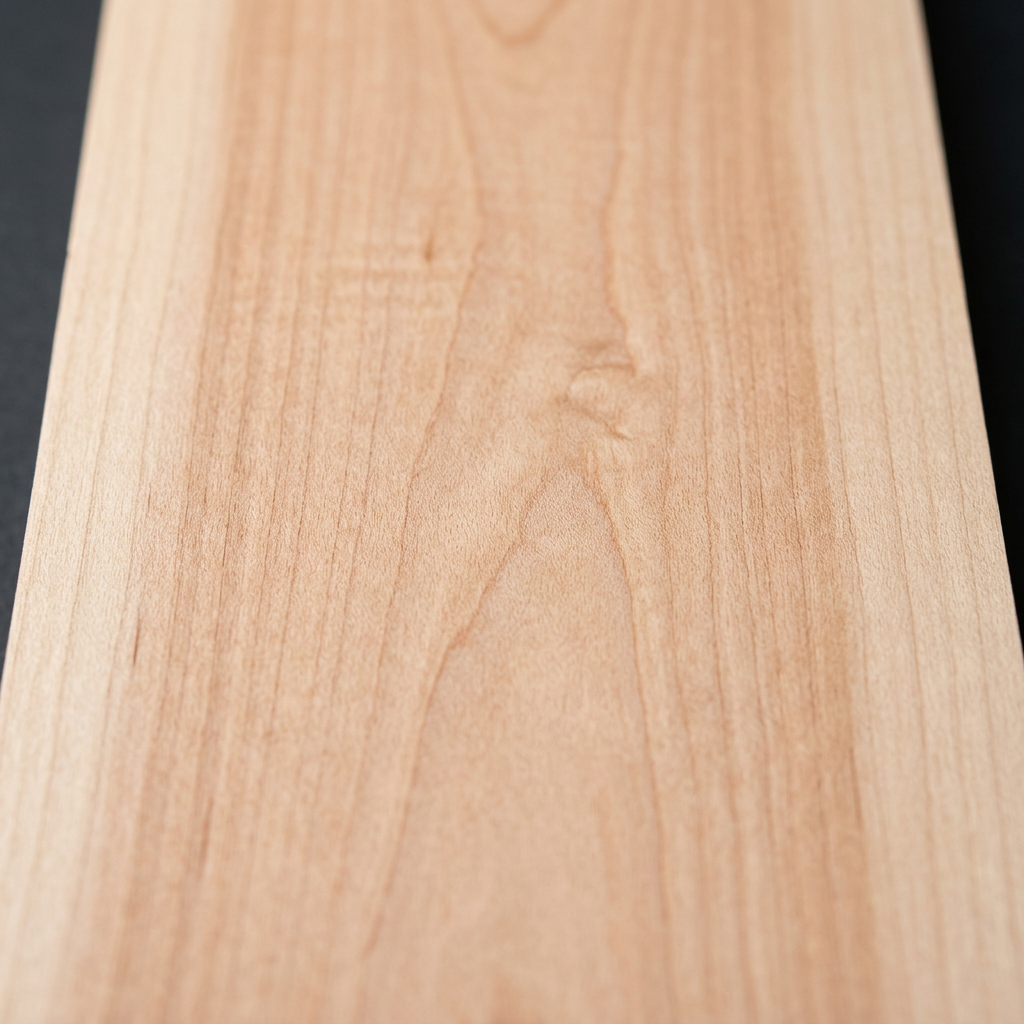
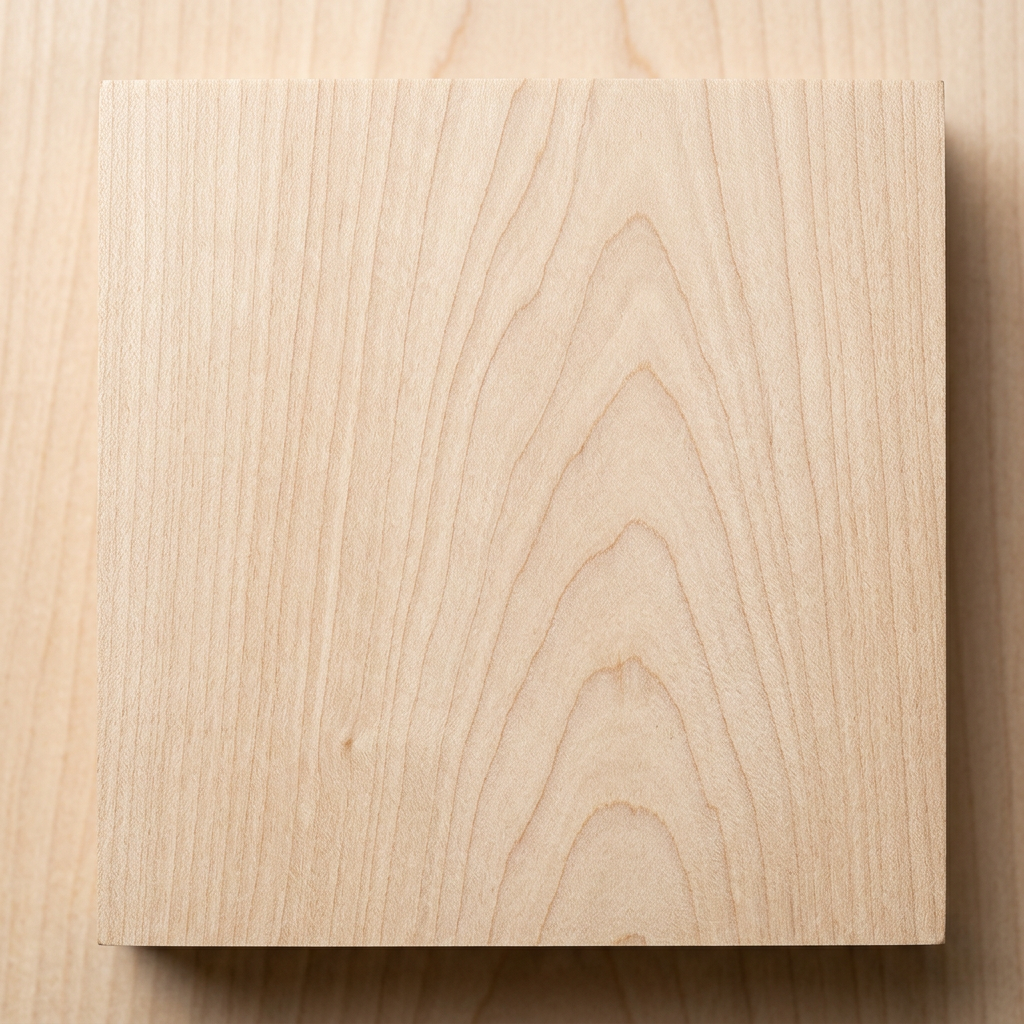
Silver Maple (Acer saccharinum) is a North American soft maple widely available as an affordable, easy-to-work utility hardwood. With a Janka hardness of just 700 lbf and an average dried weight of 33 lb/ft³, it is significantly softer and lighter than its hard maple relatives. The heartwood ranges from light tan to pale reddish-brown, with a wide, nearly white sapwood that dominates most boards. The straight grain and fine, even texture machine cleanly with minimal blunting, and the wood glues, stains, and finishes without difficulty. Silver Maple is rated non-durable against decay and is unsuitable for exterior use. It is commonly marketed alongside Red Maple as "soft maple" in the lumber trade and serves as an economical alternative to Hard Maple for interior applications including furniture, cabinetry, veneer, crates, pallets, and general millwork where extreme hardness is not required.
In Plain English
Silver Maple is the softer, more affordable cousin of Hard Maple. It's a light-colored, easy-to-work wood that's great for indoor projects where you don't need the extreme hardness of Sugar Maple. It stains well, machines cleanly, and is widely available at reasonable prices. You'll often see it sold simply as 'soft maple' at lumber yards. It's a solid choice for furniture, cabinets, and general woodworking, though it won't hold up outdoors.
Appearance
Technical Properties
Sources, Conditions & Safety
No documented references are attached to this profile yet. Its recorded values should not be treated as source-verified.
Wood dust & sensitivity
Species-specific safety information has not been documented here. Absence of a warning does not mean the wood is safe or non-allergenic.
Use dust extraction and appropriate protective equipment; consult occupational-safety guidance. This is not medical advice or food-contact approval.
Durability & Performance
Workability
Common Uses
Interior furniture, cabinetry, veneer, millwork, crates, turned objects, and general-purpose woodworking where an affordable, easy-to-work hardwood is needed.
Sustainability & Trade
Listings are reference information, not proof of legal sourcing or certification. Verify current trade rules and supplier documentation before buying; absence of a note does not mean unrestricted trade.
Non-durable — not suitable for any exterior or ground-contact applications. Softer and weaker than Hard Maple, so not ideal for high-wear surfaces like flooring. Can have fuzzy grain when sanding if tools aren't sharp. Stain absorption can be blotchy without pre-treatment.
Native Distribution
Find Substitutes
AI-powered alternative species matching
You Might Also Consider
Species with similar characteristics and uses
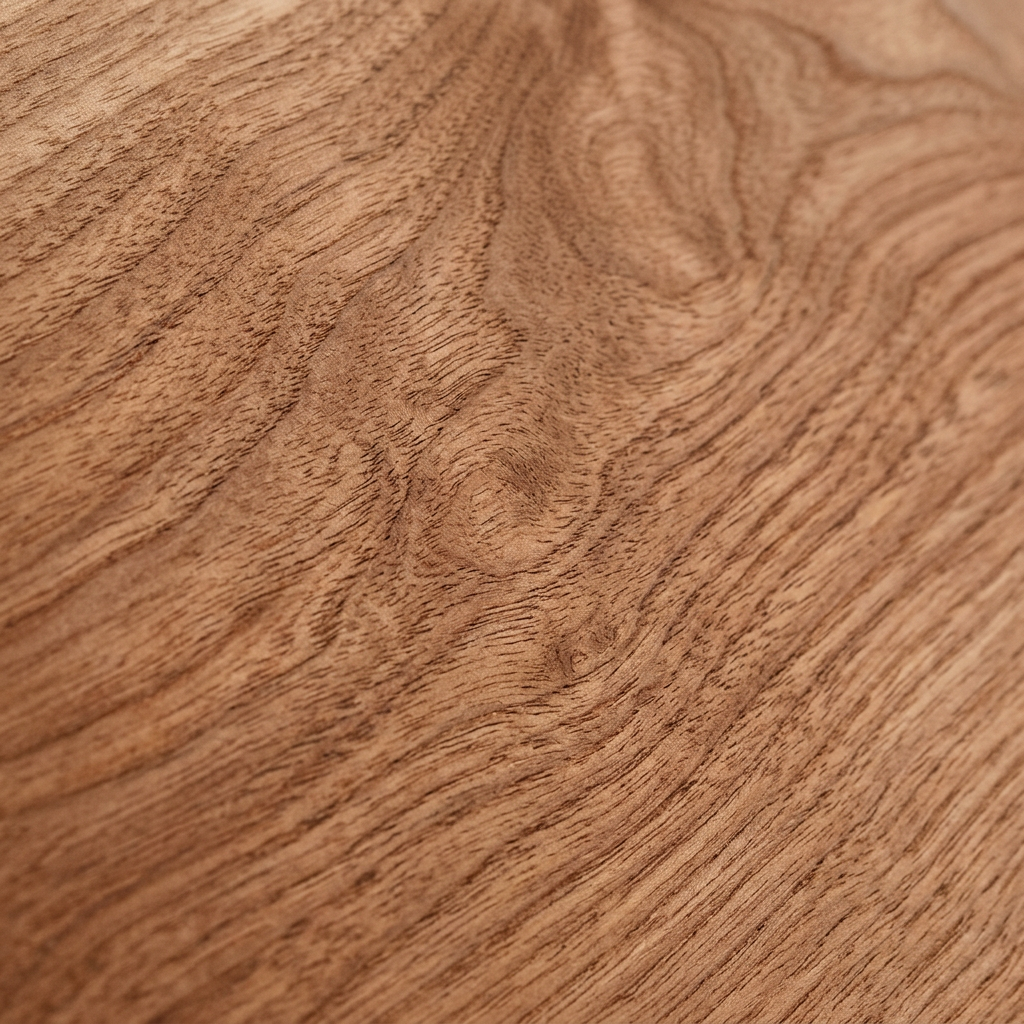
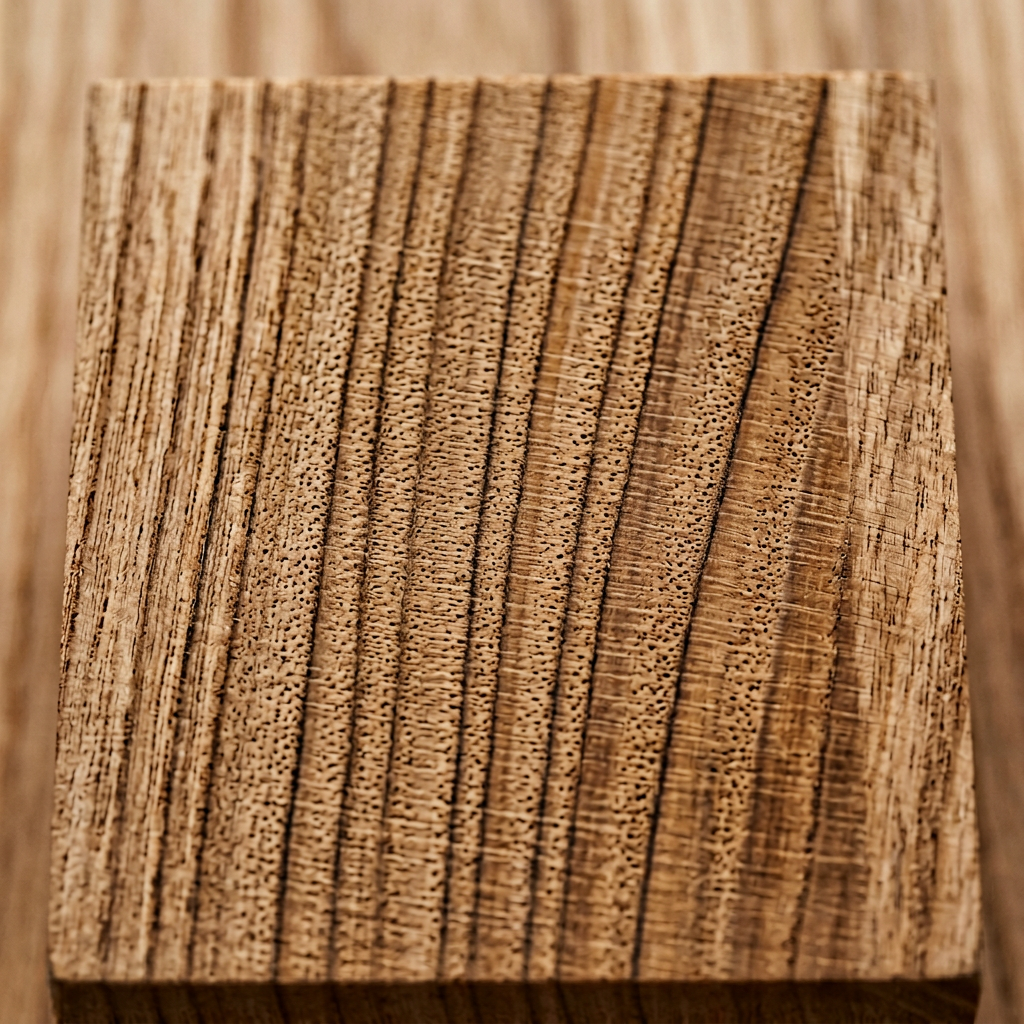
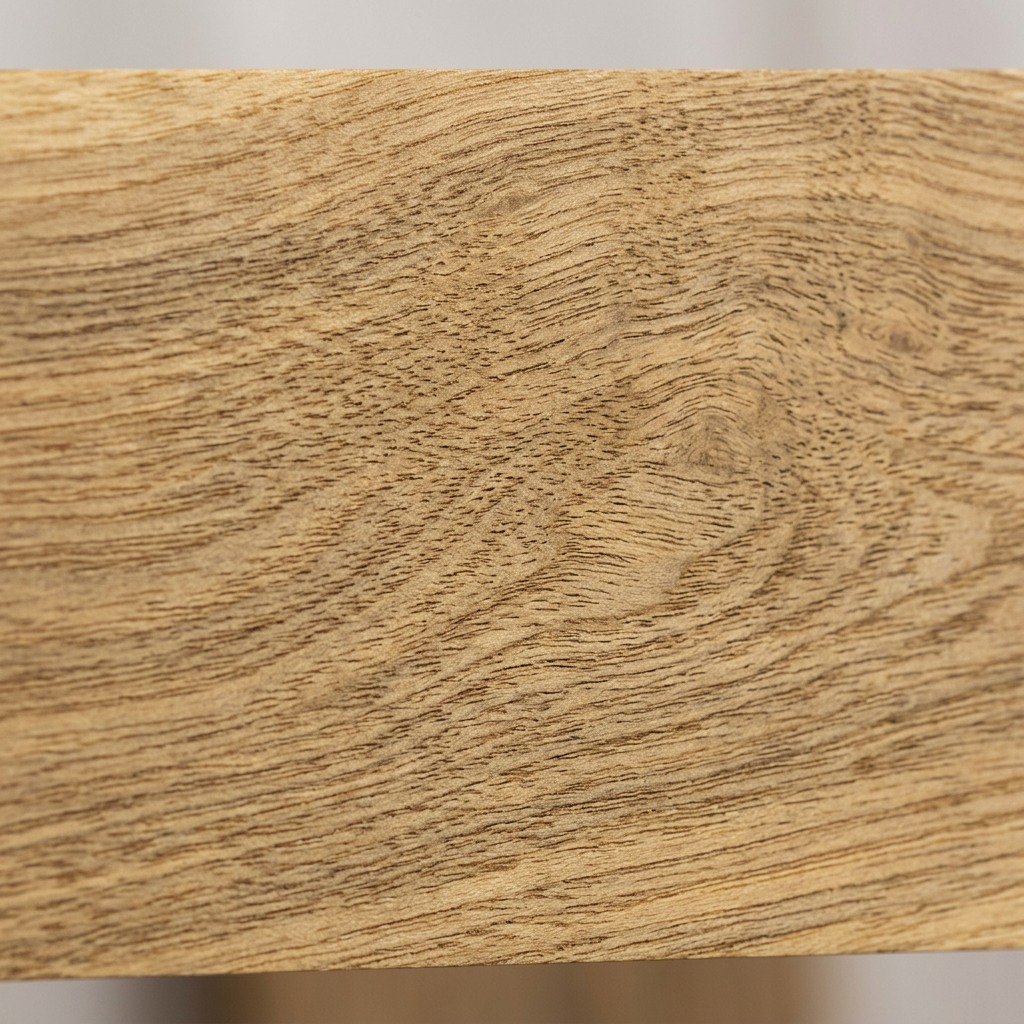
Look-Alike Species
Woods with a similar light brown color that are easily confused with Silver Maple. Recorded differences are shown where data exists; confirm identification with end-grain examination.
- • Harder (Janka 1,300 lbf)
- • Heavier (45 lb/ft³)
- • Texture: Fine to medium
- • Texture: Medium to coarse
- • Harder (Janka 850 lbf)
- • Texture: Medium to coarse
- • Harder (Janka 2,335 lbf)
- • Heavier (55 lb/ft³)
- • Decay: Durable
- • Texture: Medium