Lodgepole Pine
Pinus contorta
Genus: Pinus · Family: Pinaceae
Quick Facts
Wood Type
Softwood
Native Range
North America
Avg. Dried Weight
29 lb/ft³
Janka Hardness
480 lbf
Decay Resistance
Non-Durable
Typical Color
Yellow / Gold
Stability
Medium
Outdoor Suitability
Poor
Workability
Easy
Availability
Common in U.S.
CITES
Unlisted
IUCN
Not Evaluated
Did You Know?
- •Lodgepole Pine is softer than 91% of species in our database, making it one of the lightest and easiest to work by hand.
Janka Hardness Scale
Very Soft
Overview
Professional Summary
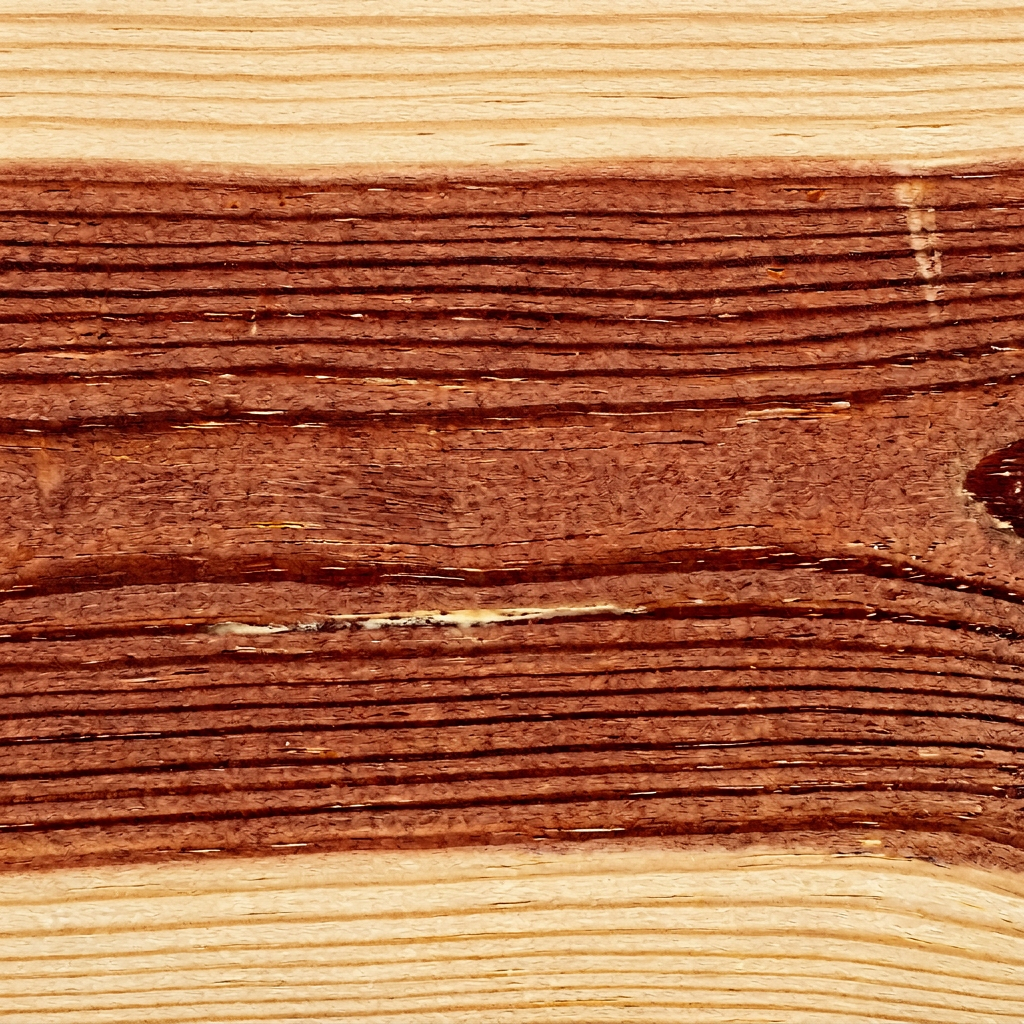
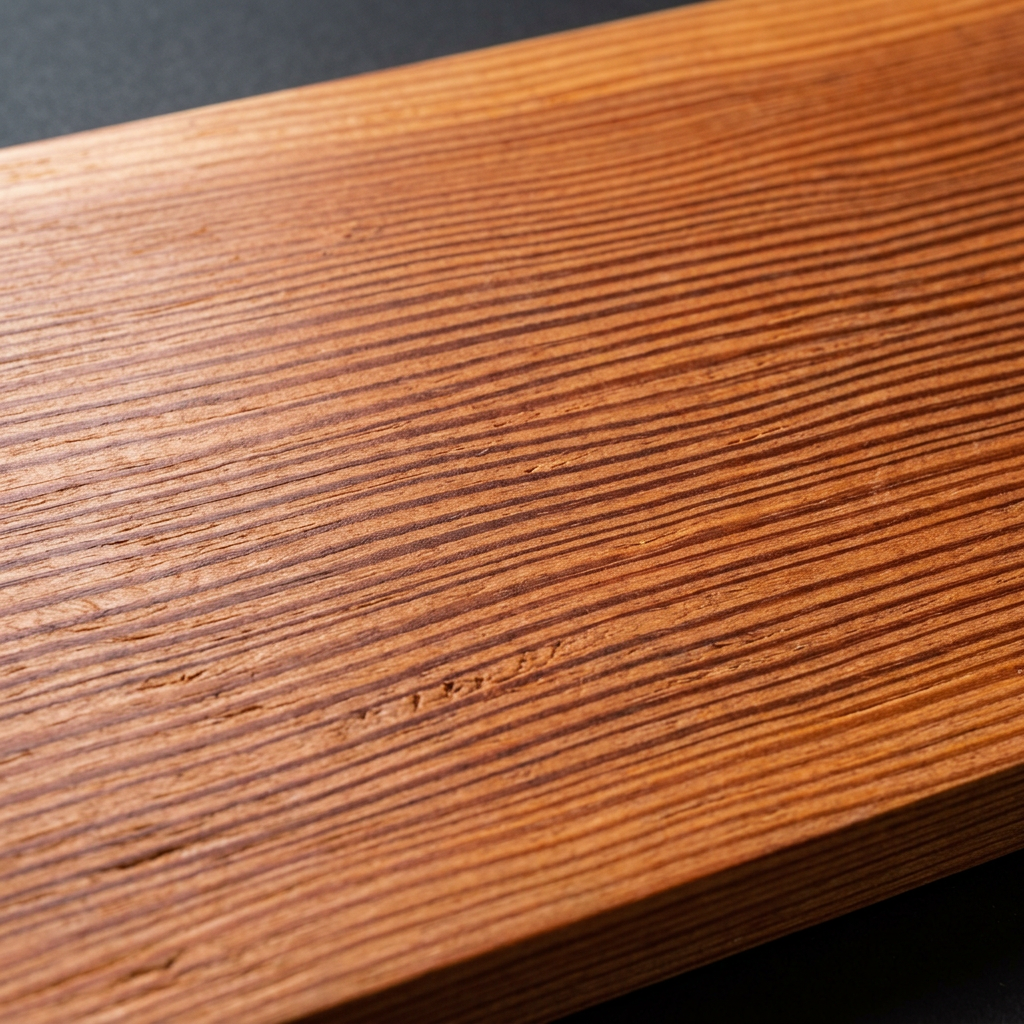
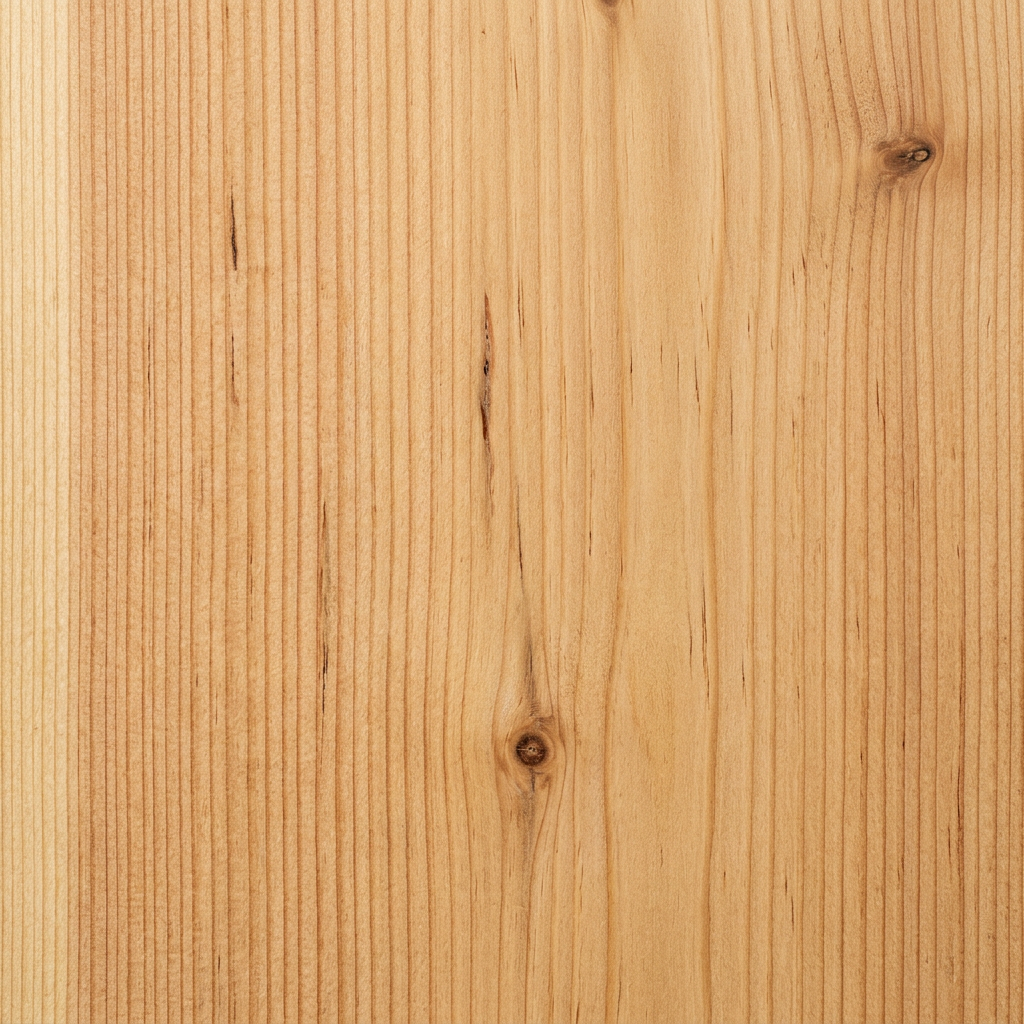
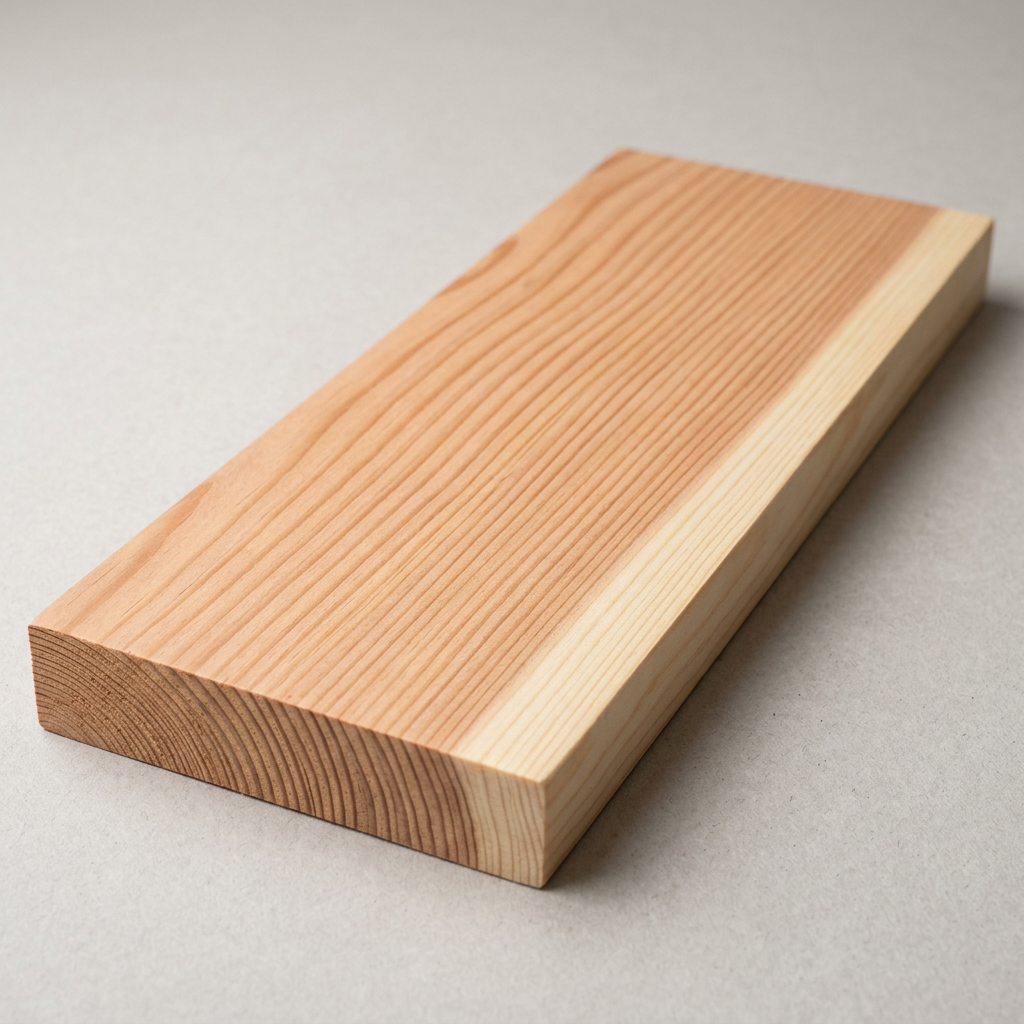
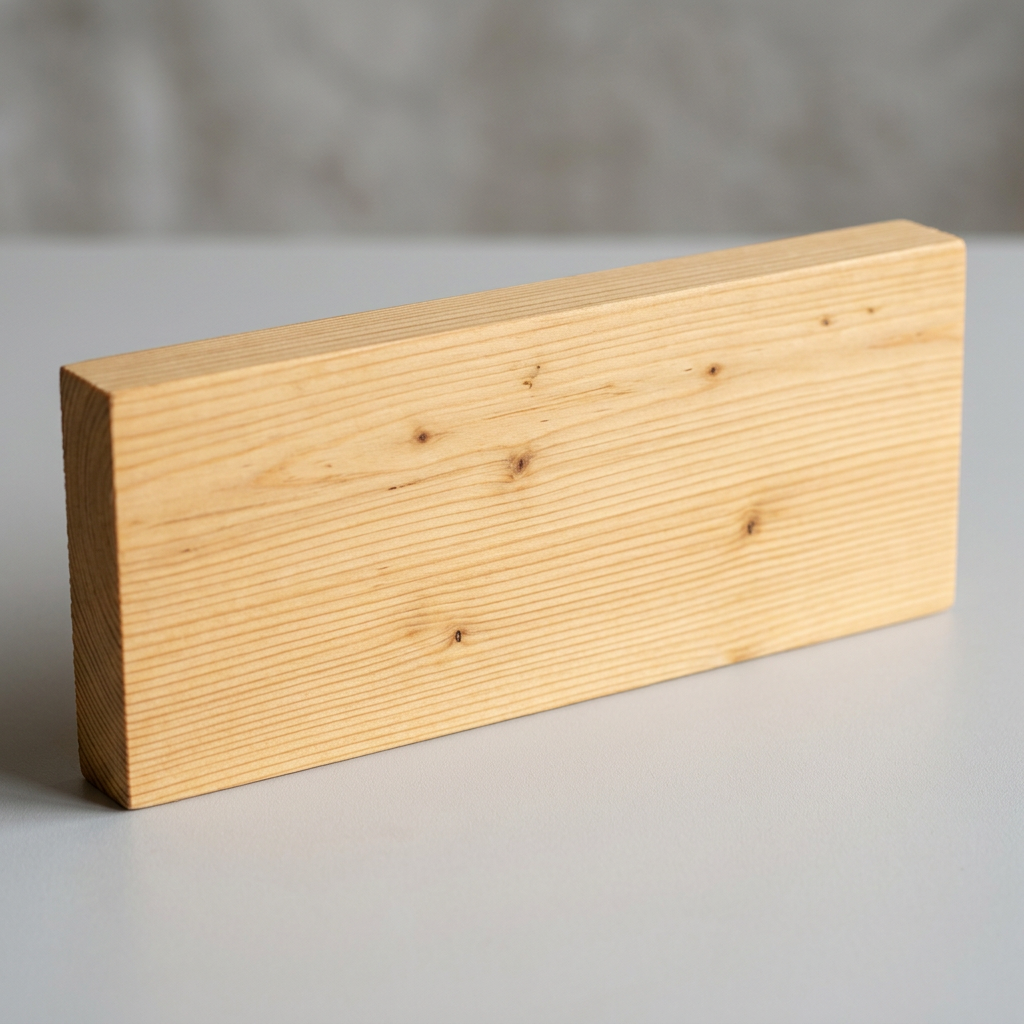
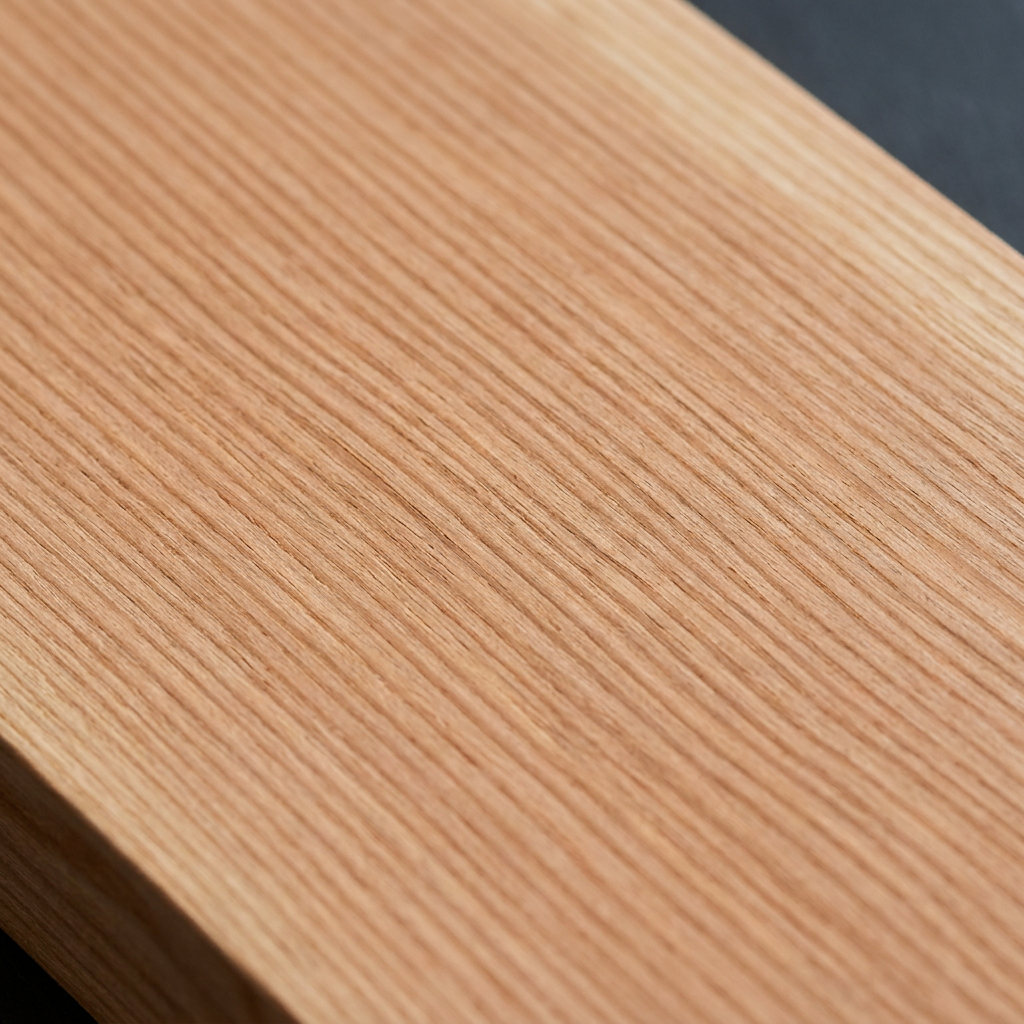
Lodgepole Pine (Pinus contorta) is a slender, straight-growing softwood native to western North America, from Alaska through the Rocky Mountains to Baja California. At 480 lbf Janka and just 29 lb/ft³ average dried weight, it is a lightweight, relatively soft pine that is easy to work and widely used for utilitarian purposes. The heartwood is yellowish to light brown, often with little contrast from the pale sapwood. The straight grain and medium texture machine cleanly with minimal blunting. Lodgepole Pine is rated non-durable against decay and requires preservative treatment for any exterior application. Historically important as lodge and teepee poles for Indigenous peoples (hence the name), it is now commercially harvested for framing lumber, studs, mine timbers, railroad ties (treated), fence posts, log cabins, and pulpwood. The species is extremely abundant — vast stands across the western mountains ensure reliable, affordable supply.
In Plain English
Lodgepole Pine is a lightweight, easy-to-work western pine that gets its name from Native Americans using the tall, straight trunks as poles for lodges and teepees. It's one of the most abundant trees in the Rocky Mountain region. The wood is pale yellowish-brown, soft, and straightforward to cut and nail. It's widely used for basic construction, framing, and log cabins. It won't resist rot, so it needs treatment if used outdoors, but for interior framing and general utility work, it's a solid and affordable choice.
Appearance
Technical Properties
Sources, Conditions & Safety
No documented references are attached to this profile yet. Its recorded values should not be treated as source-verified.
Wood dust & sensitivity
Species-specific safety information has not been documented here. Absence of a warning does not mean the wood is safe or non-allergenic.
Use dust extraction and appropriate protective equipment; consult occupational-safety guidance. This is not medical advice or food-contact approval.
Durability & Performance
Workability
Common Uses
Construction framing and studs, log cabin construction, fence posts (treated), mine timbers, railroad ties (treated), paneling, and pulpwood.
Sustainability & Trade
Listings are reference information, not proof of legal sourcing or certification. Verify current trade rules and supplier documentation before buying; absence of a note does not mean unrestricted trade.
Non-durable — will rot quickly without preservative treatment in exterior or ground-contact situations. Relatively weak compared to Southern Yellow Pine and Douglas Fir. Prevalent blue-stain fungus from mountain pine beetle kills can discolor the wood (though structurally it remains sound).
Native Distribution
Find Substitutes
AI-powered alternative species matching
You Might Also Consider
Species with similar characteristics and uses
Look-Alike Species
Woods with a similar yellow / gold color that are easily confused with Lodgepole Pine. Recorded differences are shown where data exists; confirm identification with end-grain examination.