Red Pine
Pinus resinosa
Genus: Pinus · Family: Pinaceae
Quick Facts
Wood Type
Softwood
Native Range
North America
Avg. Dried Weight
34 lb/ft³
Janka Hardness
560 lbf
Decay Resistance
Non-Durable
Typical Color
Reddish Brown
Stability
Medium
Outdoor Suitability
Poor
Workability
Easy
Availability
Common in U.S.
CITES
Unlisted
IUCN
Not Evaluated
Did You Know?
- •Red Pine is harder than 18% of the 137 species in our database.
Janka Hardness Scale
Soft
Overview
Professional Summary
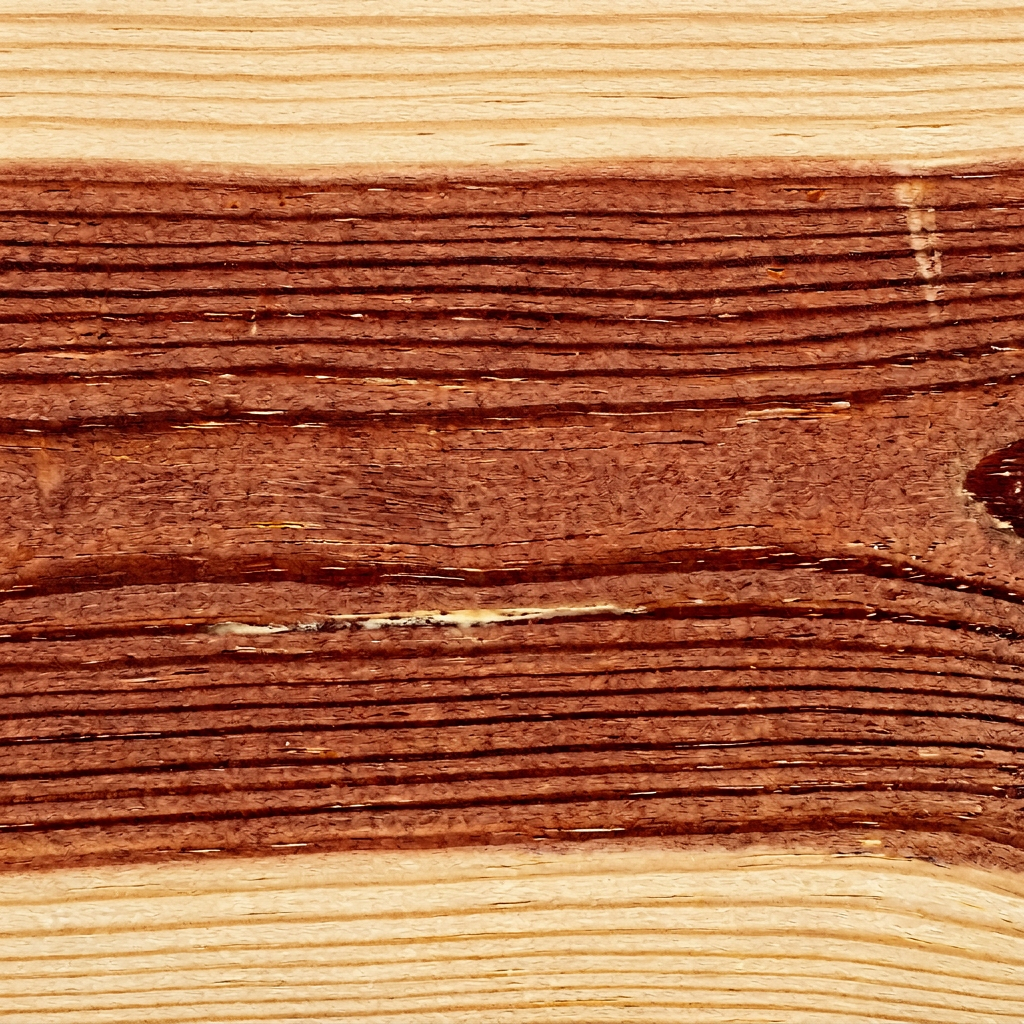
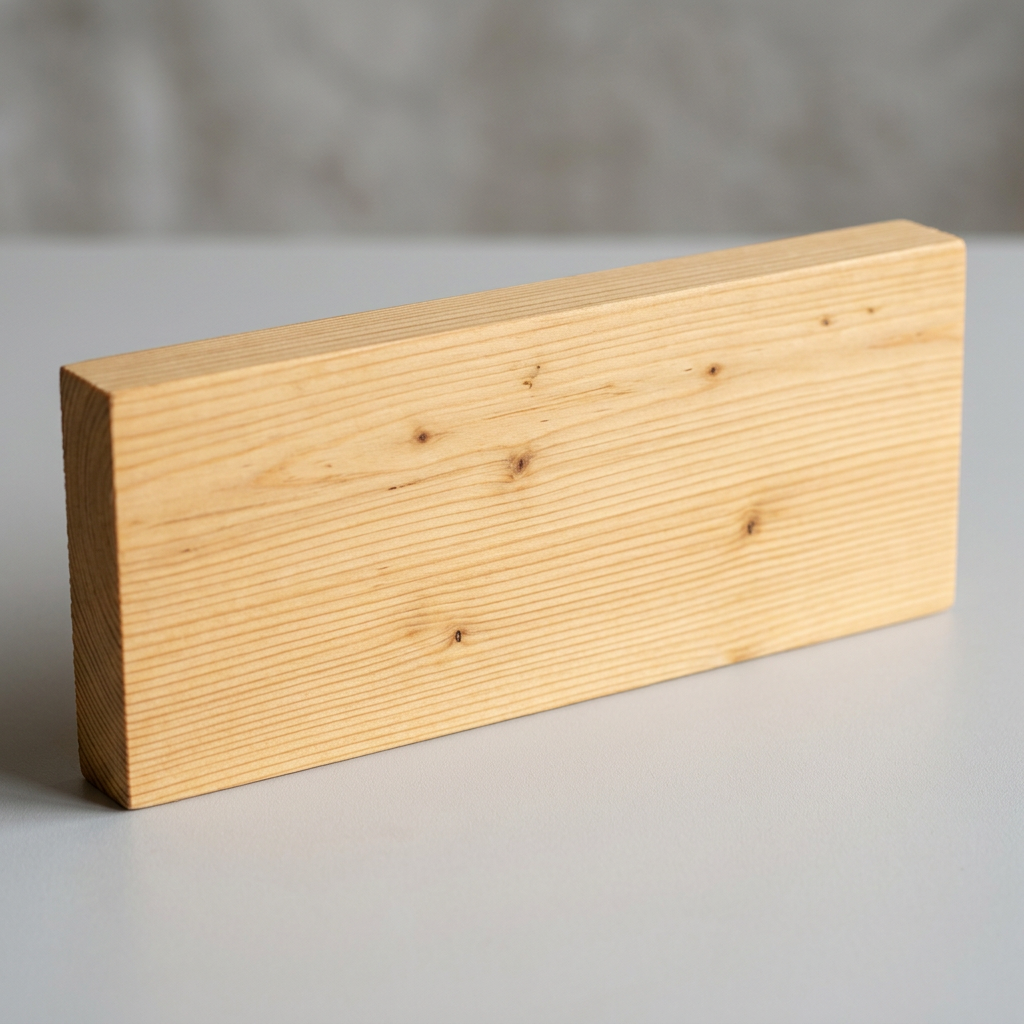
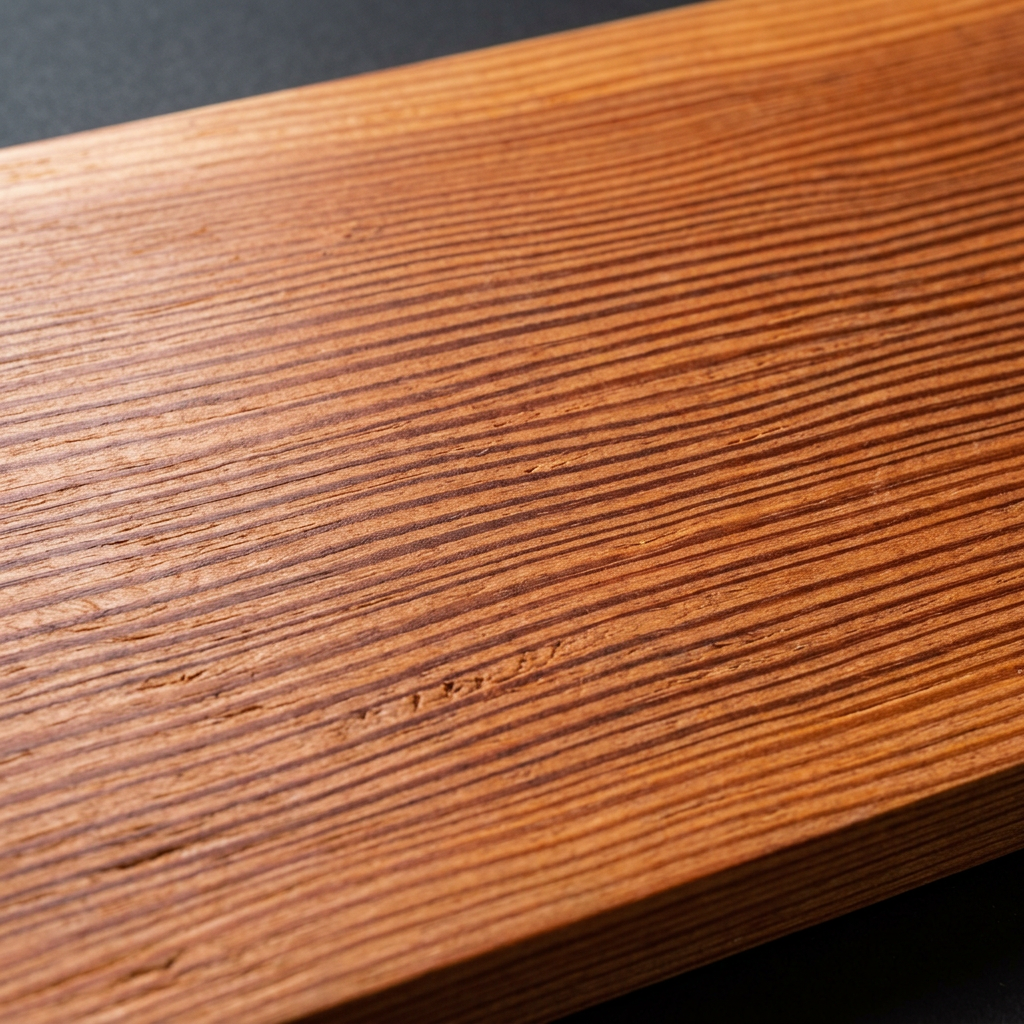
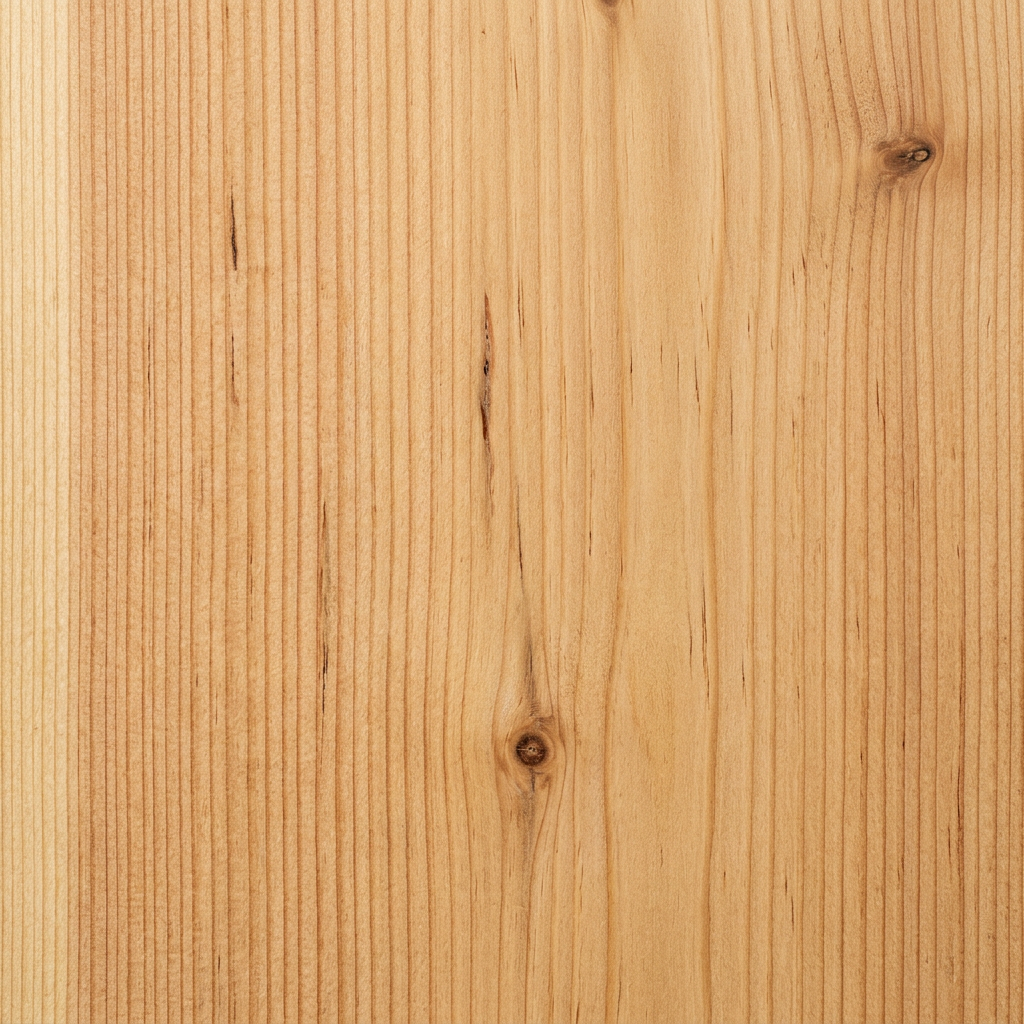
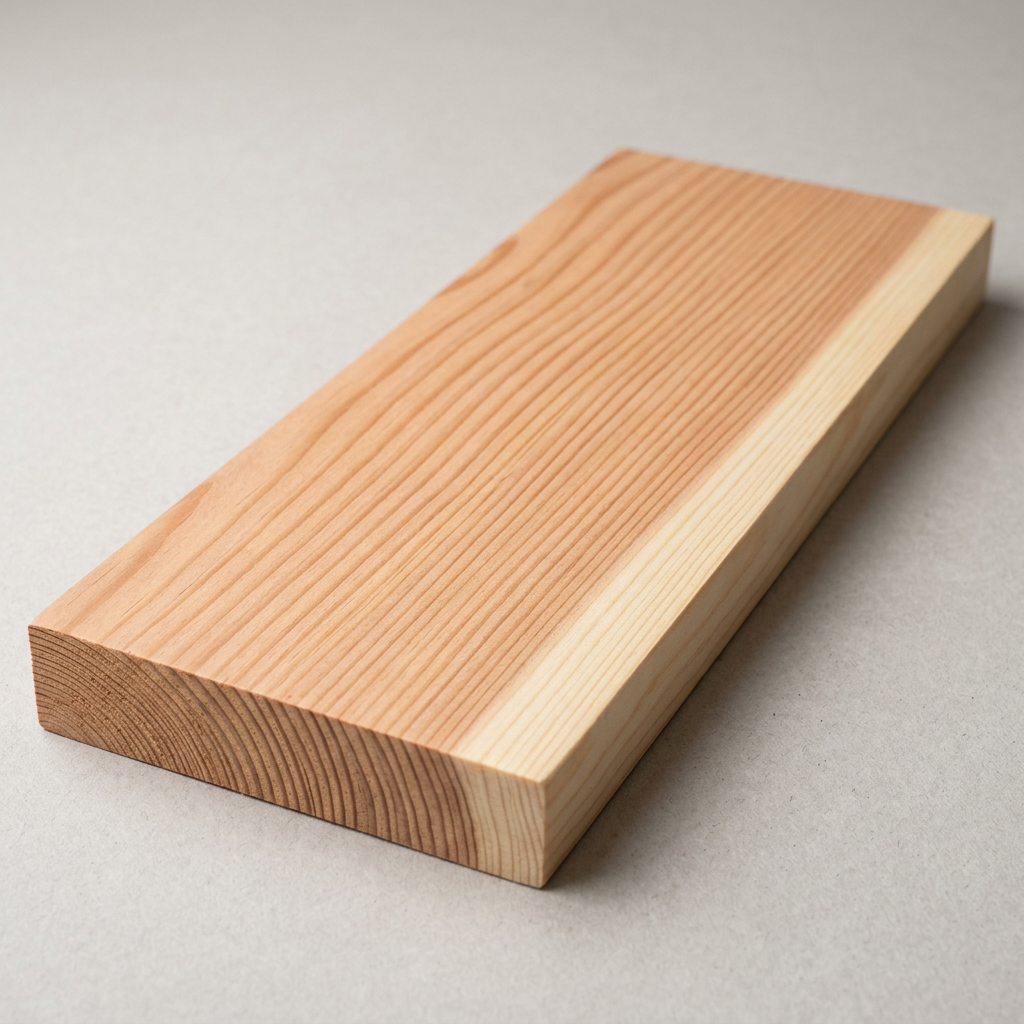
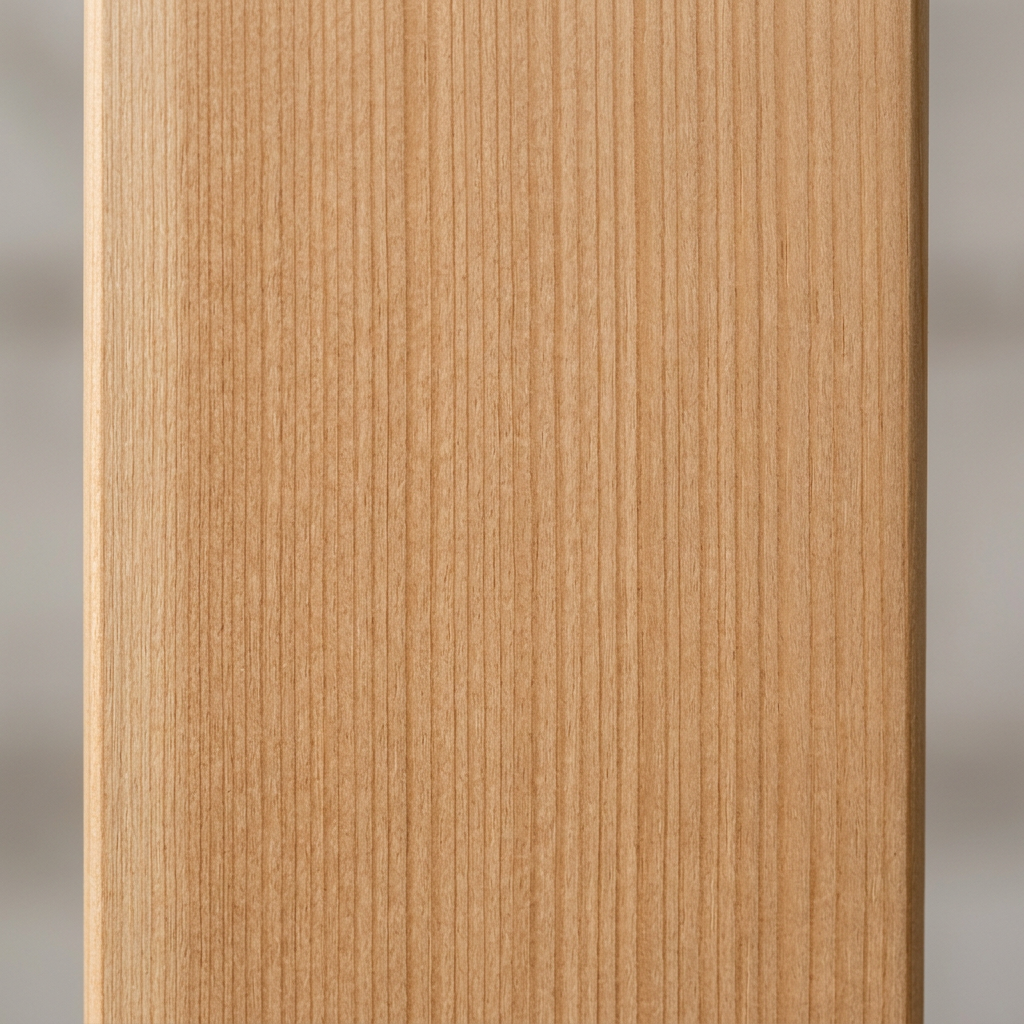
Red Pine (Pinus resinosa), also known as Norway Pine, is a moderately sized North American softwood native to the northeastern United States and southeastern Canada. With a Janka hardness of 560 lbf and an average dried weight of 34 lb/ft³, it falls in the middle range of commercial pines — lighter than Southern Yellow Pine but denser than Eastern White Pine. The heartwood is a light reddish-brown, while the wide sapwood is pale yellowish-white. The straight grain and medium texture make it easy to work with both hand and power tools, and it machines, nails, and finishes without difficulty. Red Pine is rated non-durable against decay and is not suited for ground contact or exposed exterior applications without preservative treatment. It is widely used for structural lumber, utility poles (when treated), general construction, millwork, cabin logs, and pulpwood. Abundant and sustainably managed across its native range, Red Pine is a reliable, economical construction softwood.
In Plain English
Red Pine (often called Norway Pine despite being native to North America) is a reliable, middle-of-the-road construction pine. It's stronger than White Pine but not as tough as Southern Yellow Pine, making it a good everyday building wood. The light reddish-brown heartwood with pale sapwood has a clean, straightforward look. It's easy to work and widely available at reasonable prices throughout the northern states. Just keep it indoors or treat it if using outside — it won't resist rot on its own.
Appearance
Technical Properties
Sources, Conditions & Safety
No documented references are attached to this profile yet. Its recorded values should not be treated as source-verified.
Wood dust & sensitivity
Species-specific safety information has not been documented here. Absence of a warning does not mean the wood is safe or non-allergenic.
Use dust extraction and appropriate protective equipment; consult occupational-safety guidance. This is not medical advice or food-contact approval.
Durability & Performance
Workability
Common Uses
General construction framing, utility poles (treated), cabin logs, millwork, paneling, crates, and pulpwood.
Sustainability & Trade
Listings are reference information, not proof of legal sourcing or certification. Verify current trade rules and supplier documentation before buying; absence of a note does not mean unrestricted trade.
Non-durable against decay — must be preservative-treated for any exterior or ground-contact use. Not as strong as Southern Yellow Pine for structural applications requiring high load capacity. Resin pockets can occasionally bleed through finishes.
Native Distribution
Find Substitutes
AI-powered alternative species matching
You Might Also Consider
Species with similar characteristics and uses
Look-Alike Species
Woods with a similar reddish brown color that are easily confused with Red Pine. Recorded differences are shown where data exists; confirm identification with end-grain examination.
- • Decay: Moderately Durable
- • Harder (Janka 900 lbf)
- • Decay: Very Durable
- • Texture: Fine, even
- • Decay: Moderately Durable
- • Texture: Medium to coarse
- • Same genus — check end grain to separate