Best Wood for Fences
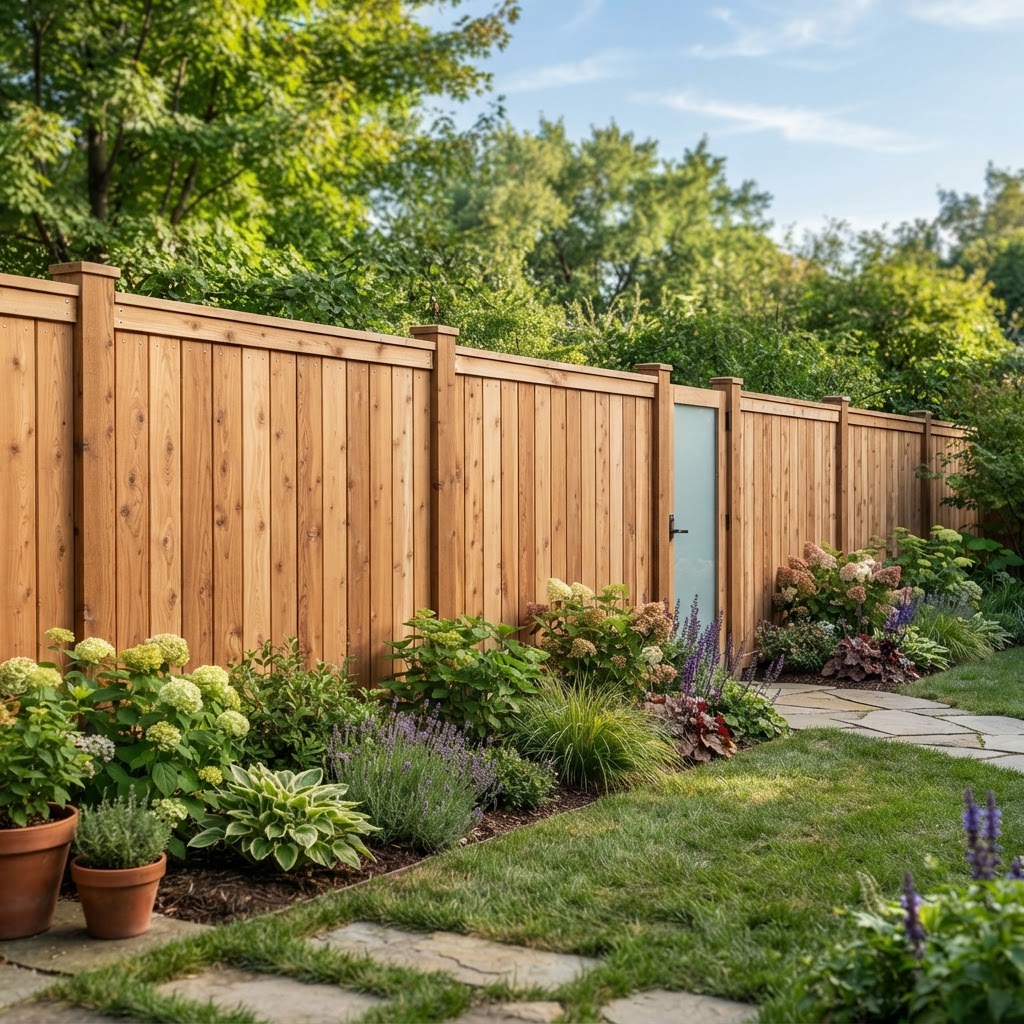
Fences fail at the ground line, where moisture, soil, and insects meet. Pickets and rails just need decent weather resistance, but posts need genuinely durable heartwood — or pressure treatment — to survive decades of buried service.
Our Top 6 Picks
 1
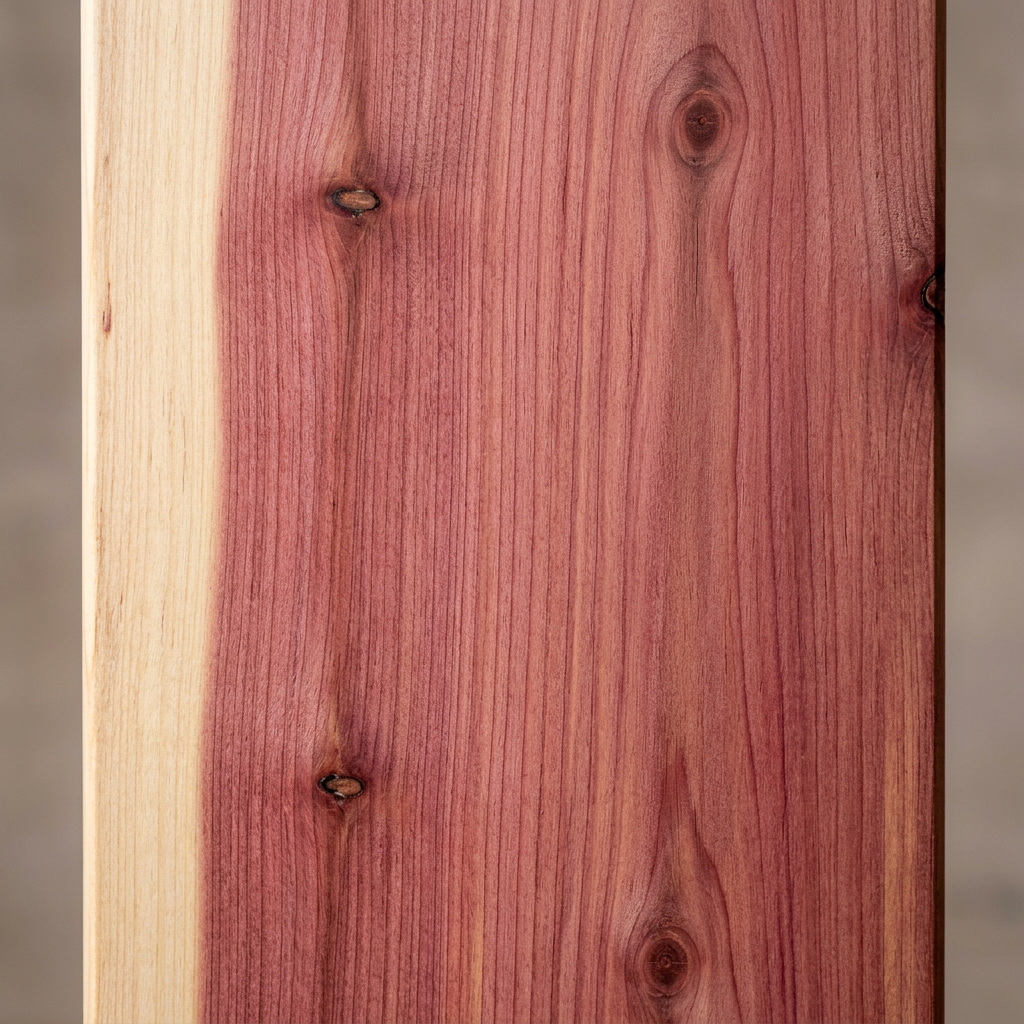
1Eastern Red Cedar
Juniperus virginiana
Legendary ground-contact durability; the traditional American fence post wood.
 2
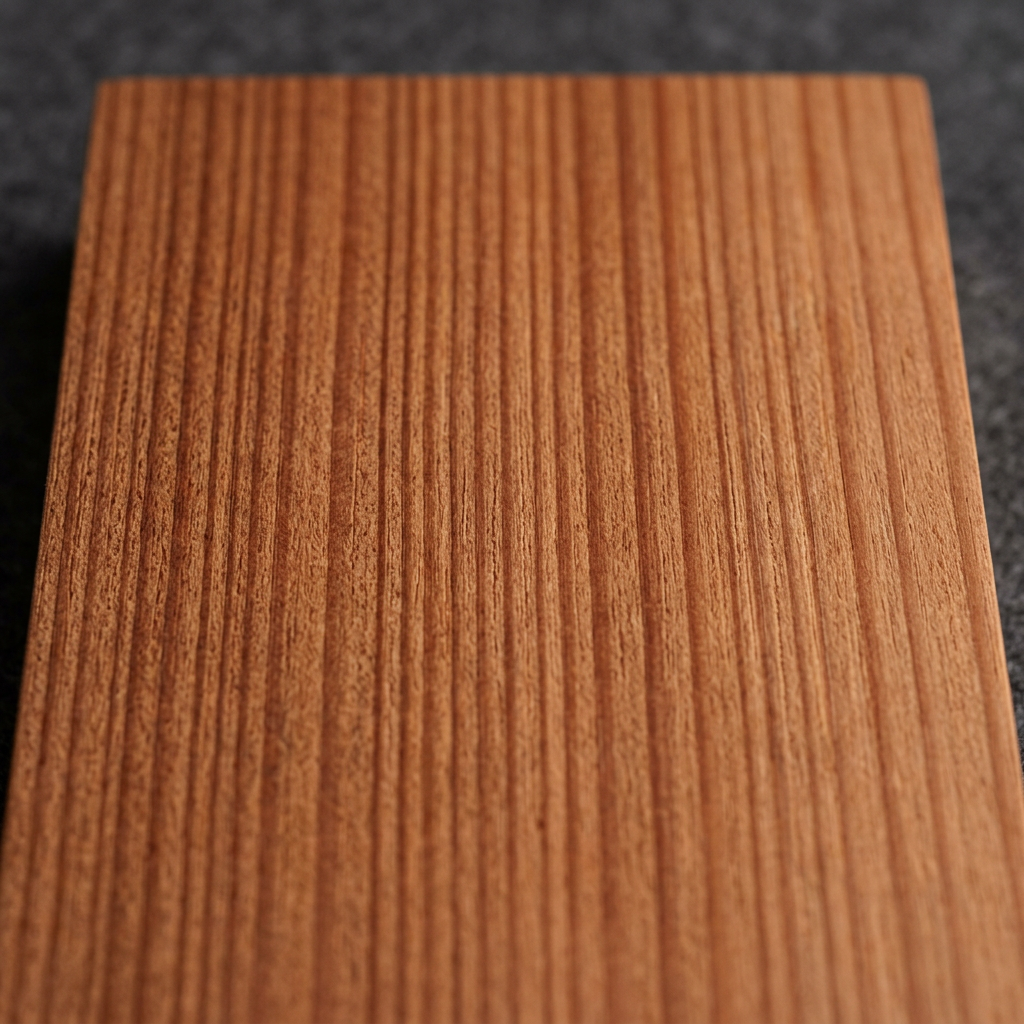
2Western Red Cedar
Thuja plicata
The best choice for pickets and rails — stable, light, and decay resistant.
 3
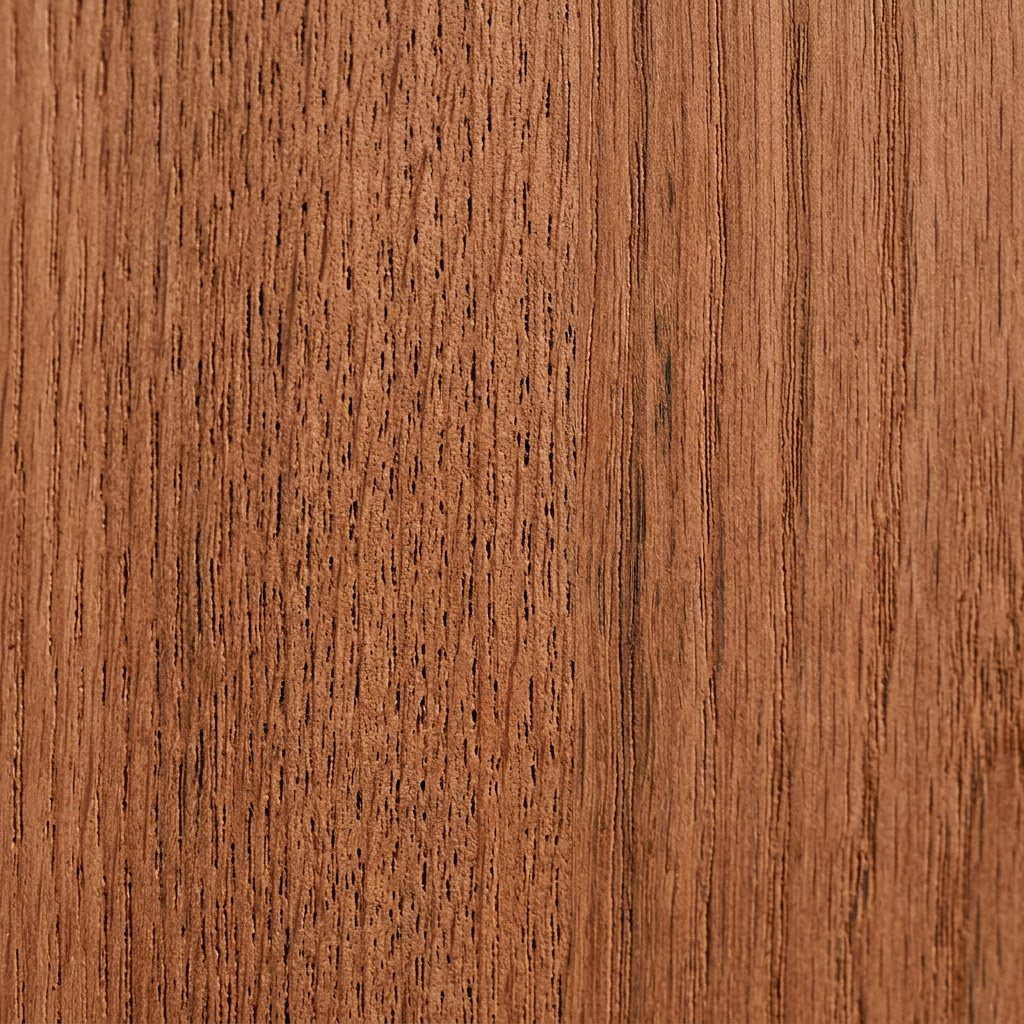
3Black Oak
Quercus velutina
Strong and inexpensive for rails where posts are treated or set in concrete.
 4
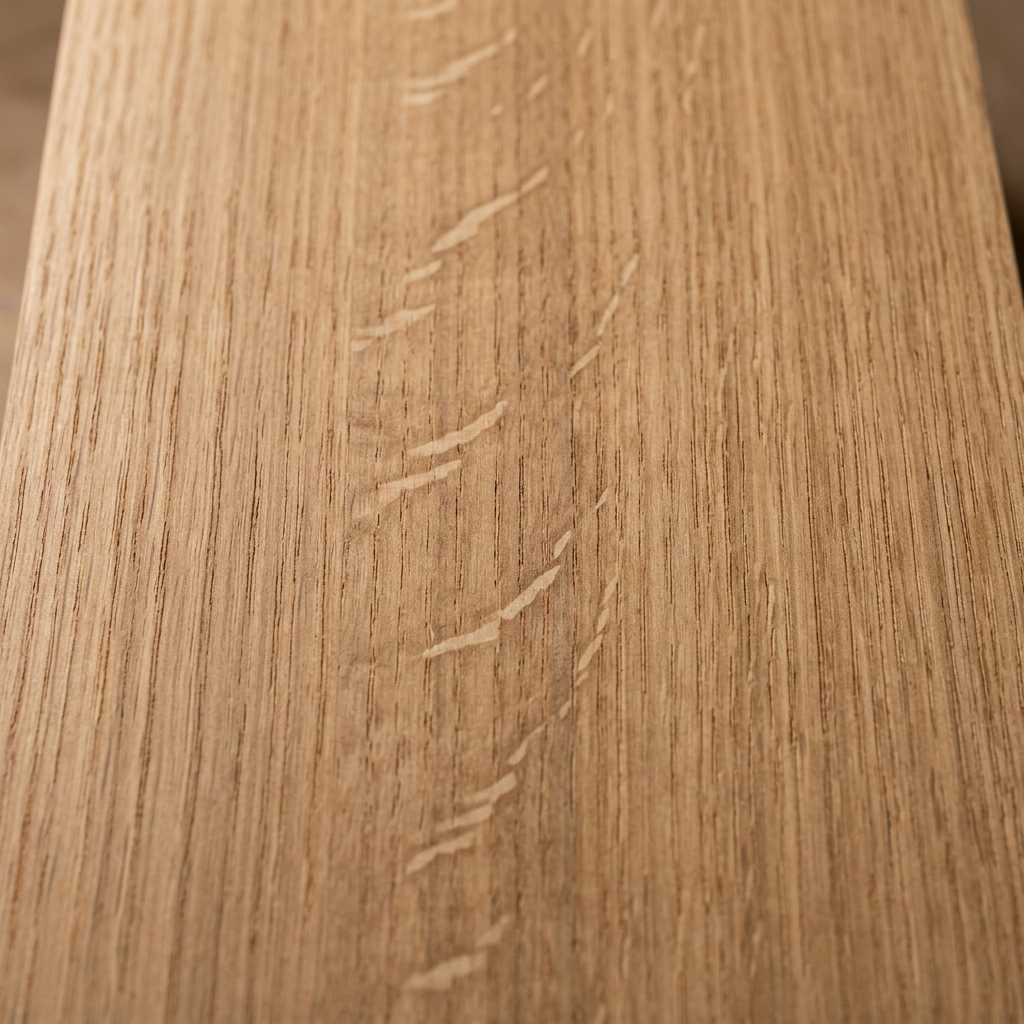
4White Oak
Quercus alba
Durable closed-grain heartwood traditionally used for split-rail fencing.
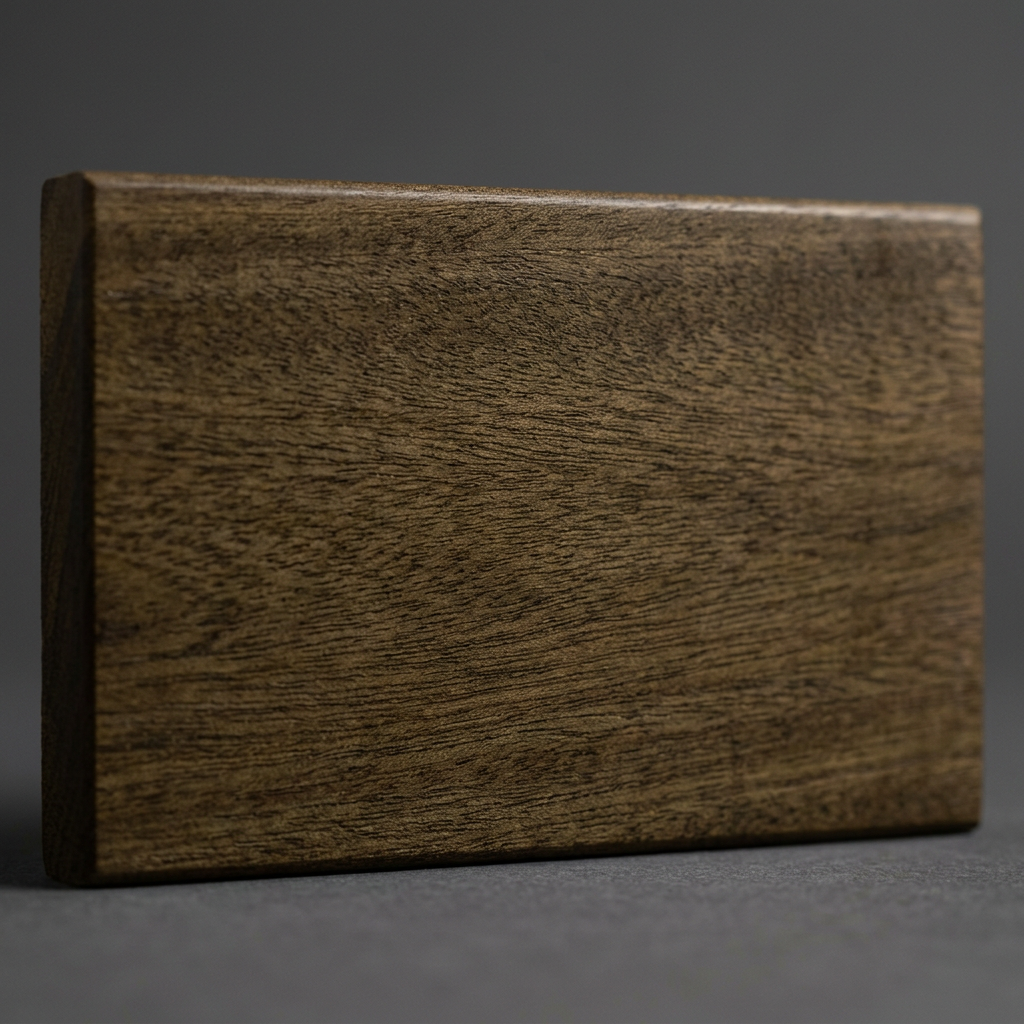 5
5Ipê
Handroanthus spp.
For premium privacy fences and gates that must stay flat and last indefinitely.
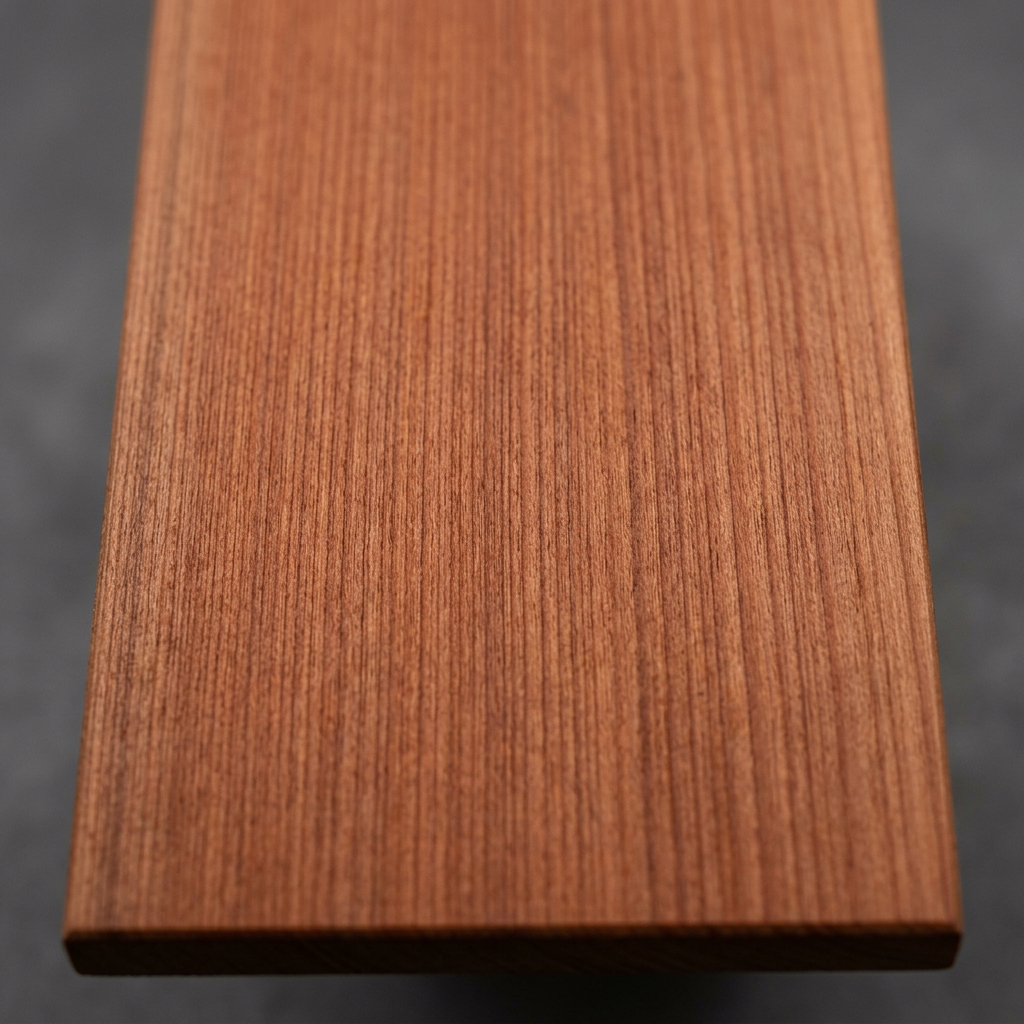 6
6Redwood
Sequoia sempervirens
Naturally rot resistant and stable, popular for fencing on the West Coast.
What to Look For
- For buried posts, insist on decay resistance rated durable or very durable — or use treated lumber.
- Gravel-backfilled posts drain and last longer than posts fully encased in concrete.
- Use hot-dip galvanized or stainless fasteners; cedar and oak tannins corrode plain steel.
- Sapwood offers no decay resistance in any species, even naturally durable ones.
Frequently Asked Questions
What is the best wood for fence posts in the ground?
Eastern red cedar heartwood, or pressure-treated pine rated for ground contact. Both routinely last 20+ years buried.
How long does a cedar fence last?
A western red cedar fence on durable or treated posts typically lasts 15–25 years, longer with periodic staining.
Should fence posts be set in concrete?
Concrete adds rigidity but can trap water against the post. Many builders prefer compacted gravel, or concrete with a crowned top that sheds water.
Need a more specific recommendation?
Describe your project and our AI Wood Finder will search all 137 species.