Best Wood for Raised Garden Beds
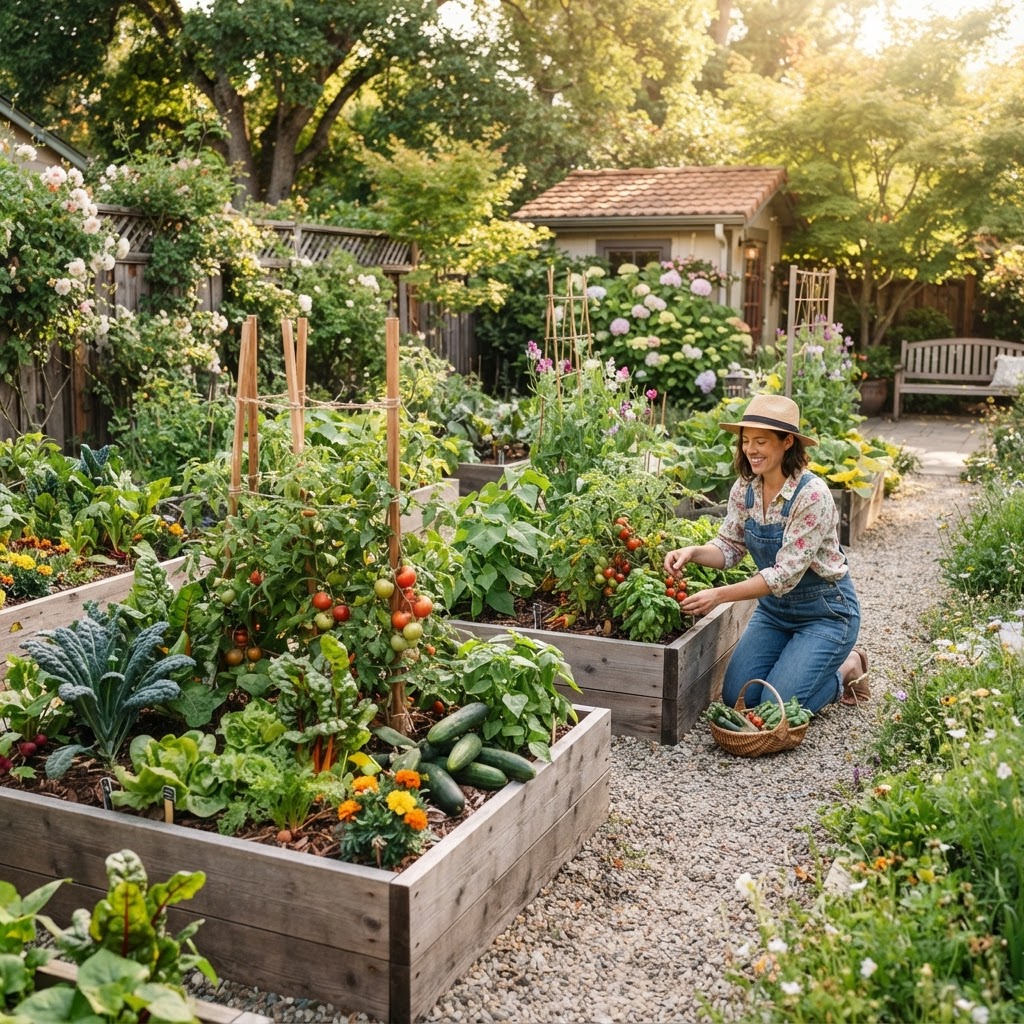
A raised bed is permanently wet soil pressed against wood on one side and air on the other — the harshest decay environment short of burial. You want naturally durable heartwood with no chemical treatment, since roots will grow right up against it.
Our Top 6 Picks
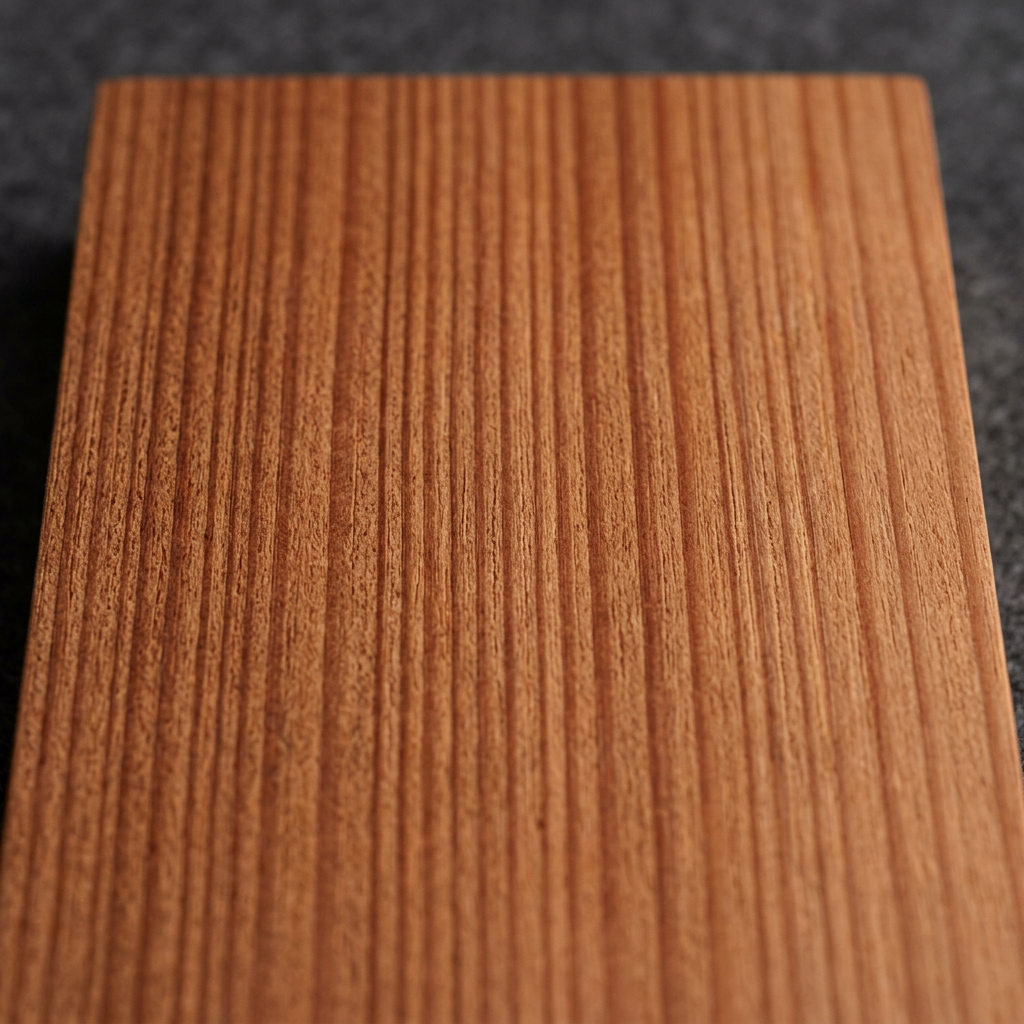 1
Western Red Cedar
Thuja plicata
The best all-around choice: naturally rot resistant, untreated, lightweight, and widely available.
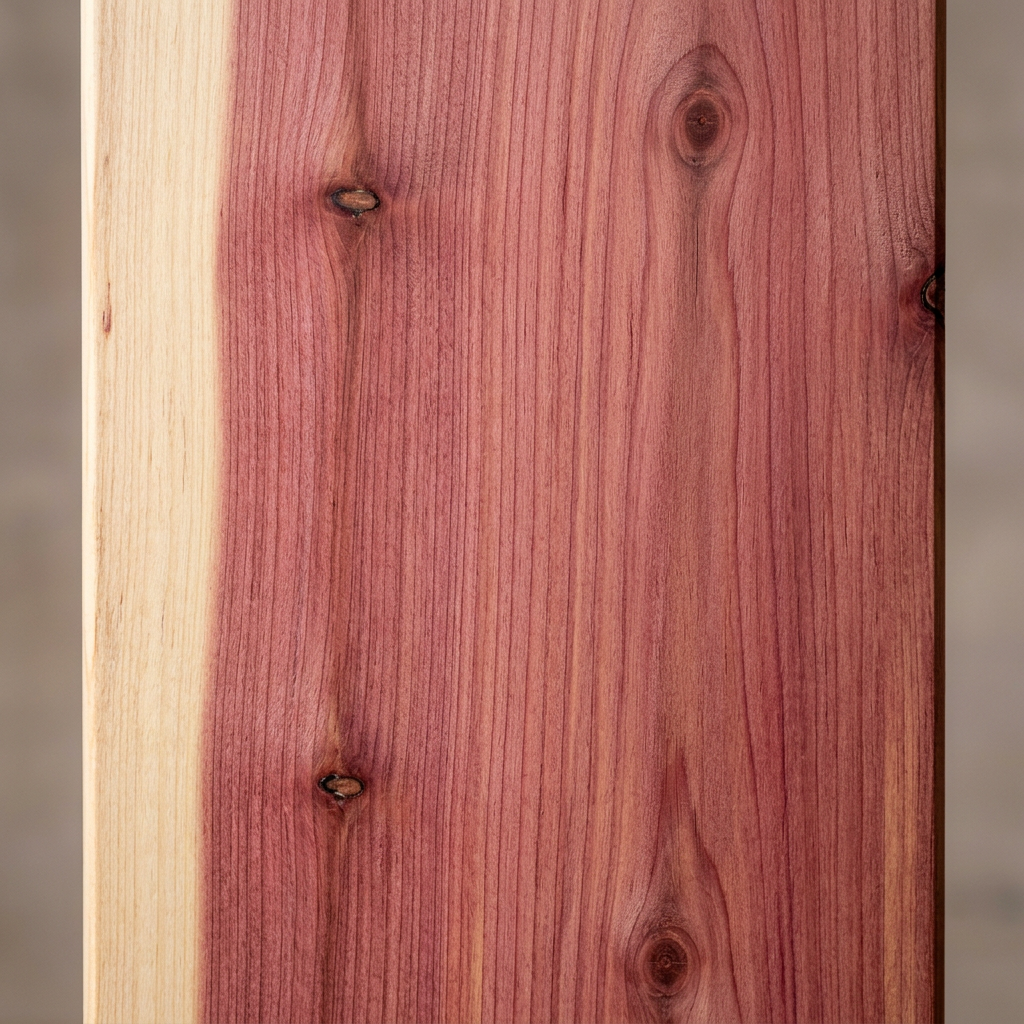 2
Eastern Red Cedar
Juniperus virginiana
Even more decay resistant than western red cedar where you can find wide boards.
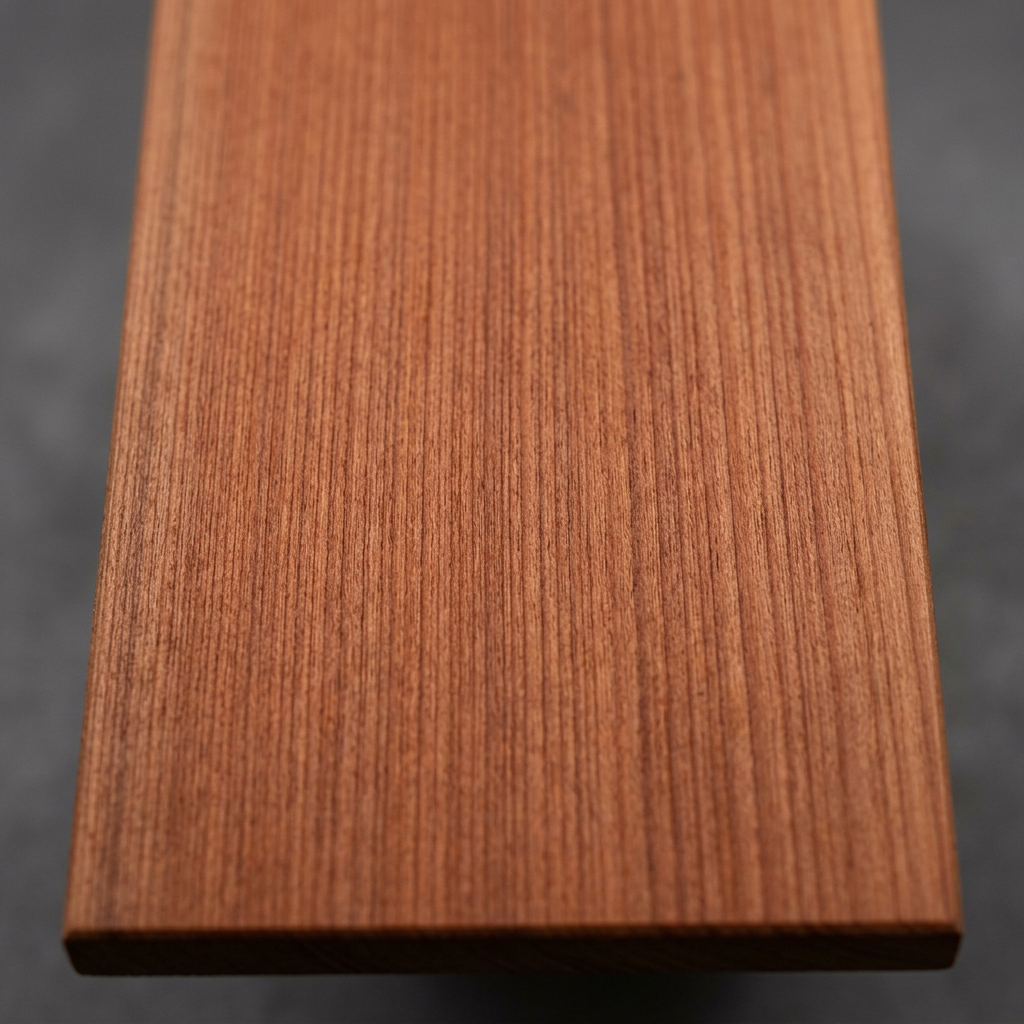 3
Redwood
Sequoia sempervirens
Naturally durable heartwood, stable, and easy to work — excellent where locally available.
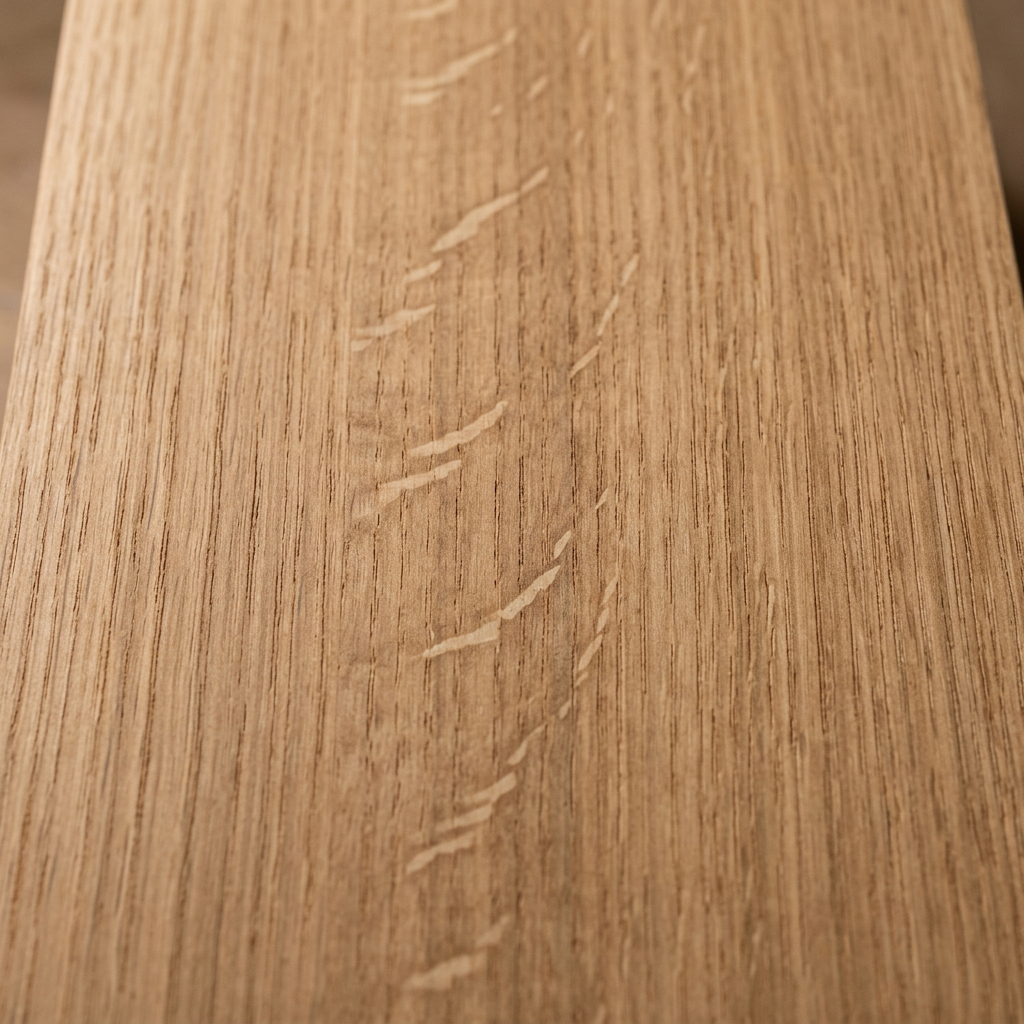 4
White Oak
Quercus alba
Very durable closed-grain heartwood; heavy, but a bed that lasts decades.
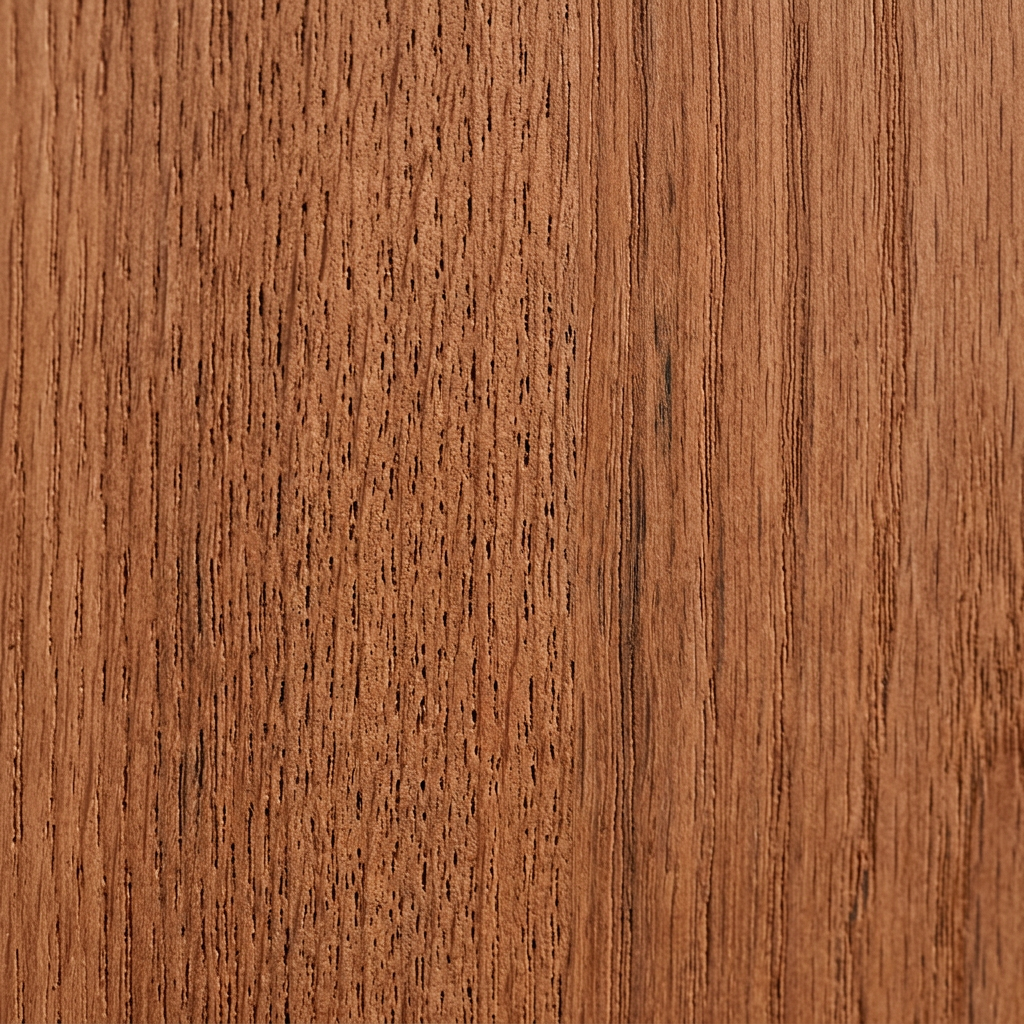 5
Black Oak
Quercus velutina
Inexpensive and reasonably durable for beds you don't mind replacing eventually.
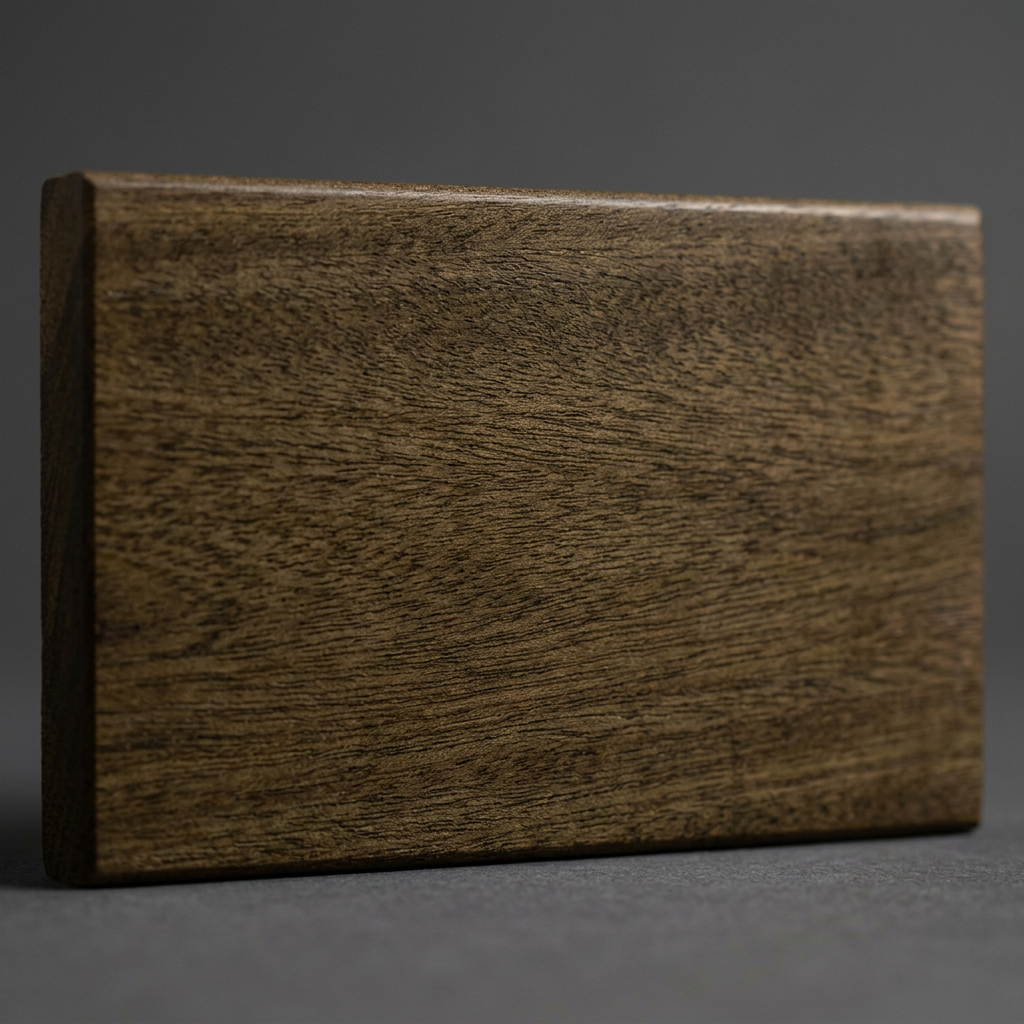 6
Ipê
Handroanthus spp.
Essentially permanent — overkill for most gardens, but unbeatable for a built-in bed.
What to Look For
- Use heartwood only — sapwood in cedar or redwood rots as fast as pine.
- Skip old treated lumber near edibles; modern ACQ is considered safe but many gardeners still avoid it.
- Thicker stock (1.5"+) lasts substantially longer than 3/4" boards against wet soil.
- A landscape-fabric liner slows soil contact without blocking drainage.
Frequently Asked Questions
Is cedar or pine better for raised beds?
Cedar, by a wide margin. Untreated pine typically lasts 3–5 years against wet soil, while cedar lasts 10–15 or more.
Is pressure-treated wood safe for vegetable gardens?
Modern copper-based treatments are generally considered safe, but if you'd rather avoid it entirely, naturally durable cedar or redwood is the straightforward alternative.
How long do cedar raised beds last?
Typically 10–15 years with 1" boards, and 20+ with thicker heartwood stock.
Need a more specific recommendation?
Describe your project and our AI Wood Finder will search all 137 species.