Olivewood
Olea europaea
Genus: Olea · Family: Oleaceae
Quick Facts
Wood Type
Hardwood
Native Range
Europe, Africa
Avg. Dried Weight
62 lb/ft³
Janka Hardness
2,700 lbf
Decay Resistance
Moderately Durable
Typical Color
Yellow / Gold
Stability
Low
Outdoor Suitability
Fair
Workability
Difficult
Availability
Limited
CITES
Unlisted
IUCN
Not Evaluated
Did You Know?
- •Olivewood is harder than 88% of the 137 species in our database.
Janka Hardness Scale
Very Hard
Overview
Professional Summary
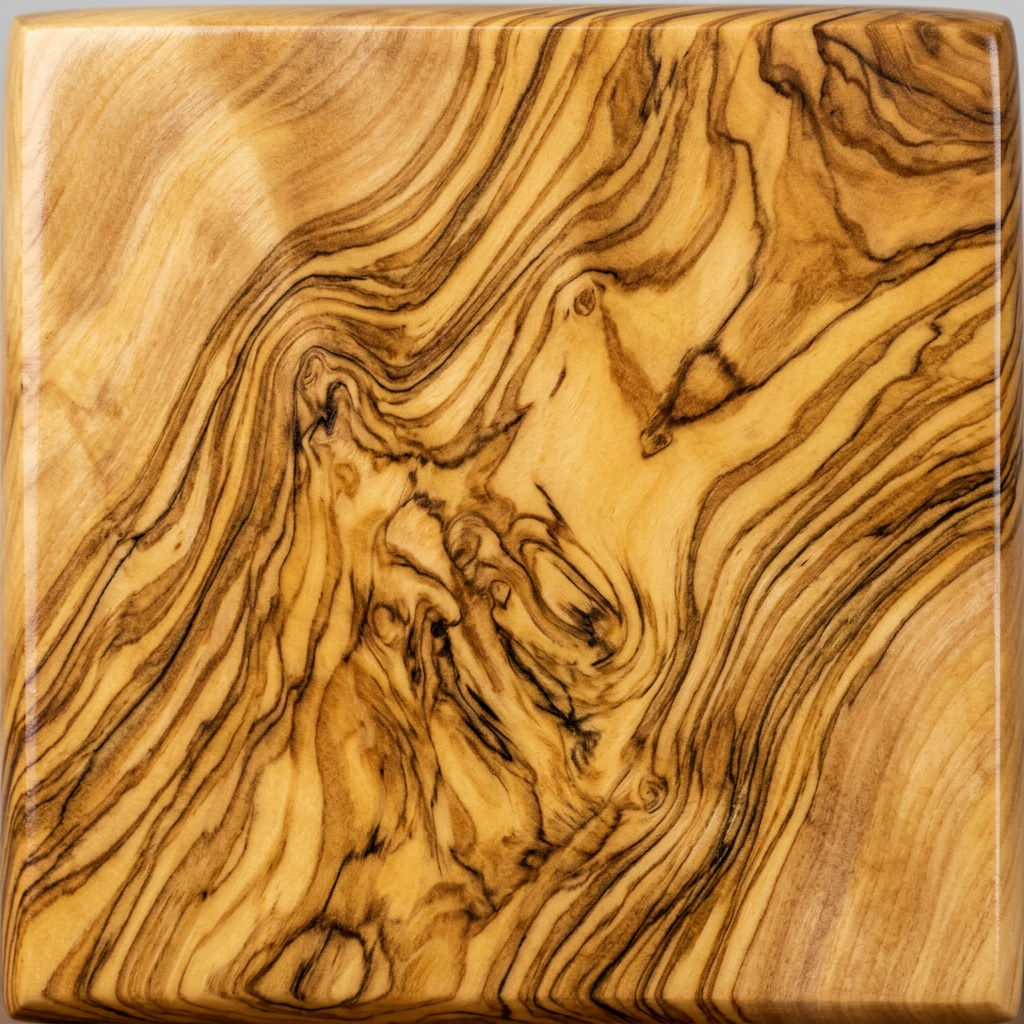
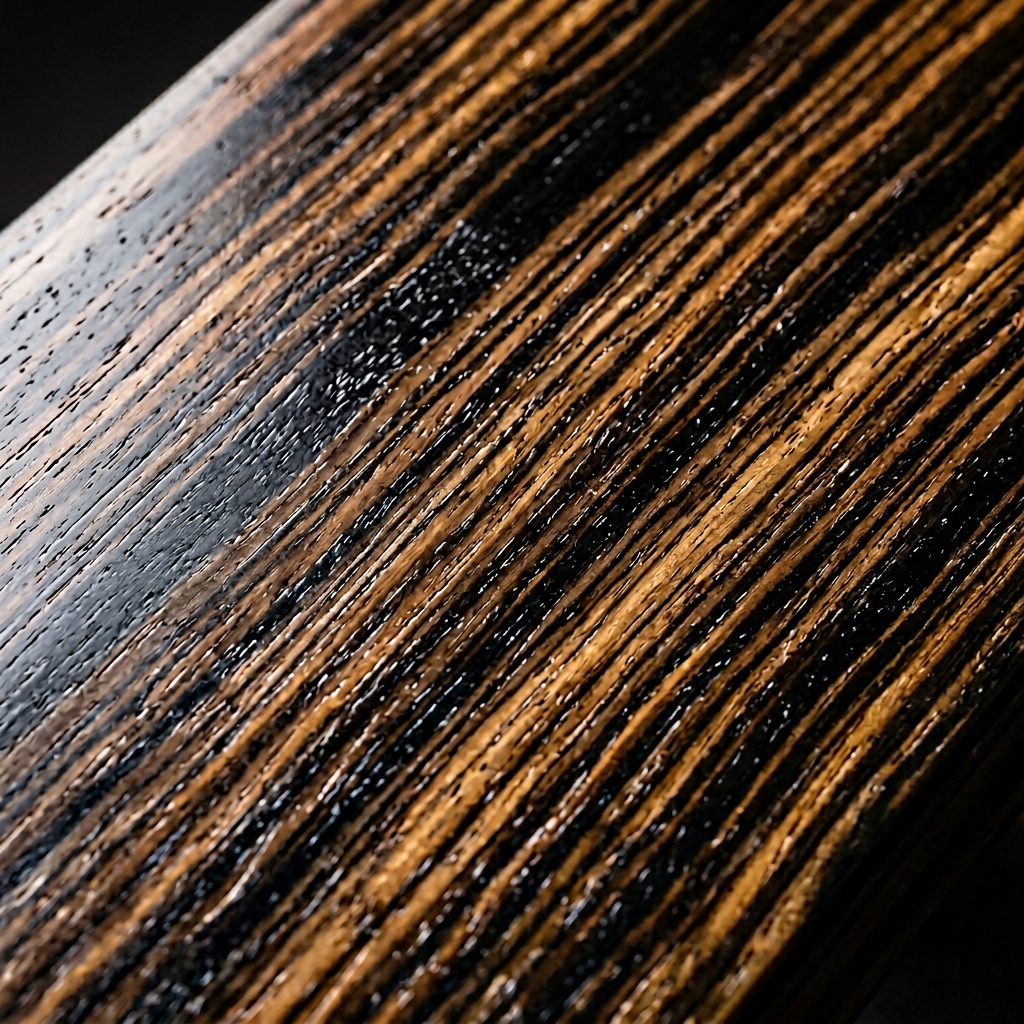
Olivewood (Olea europaea) is a Mediterranean hardwood renowned for its exceptional beauty — creamy yellow to golden-brown heartwood streaked with darker brown and black veining in wild, flowing patterns. Extremely dense at 62 lb/ft³ with a Janka hardness of 2,700 lbf, it is one of the hardest woods commonly available. The fine, even texture and interlocked, often wild grain produce a naturally high luster when polished, but also make machining challenging; tearout is common and the wood has a pronounced blunting effect on cutting edges. Olivewood is primarily sourced from pruned or storm-felled orchard trees, which means boards tend to be short, narrow, and irregularly shaped — large dimensional lumber is essentially unavailable. This makes it ideal for turned objects, small decorative items, kitchenware, and fine woodcraft rather than large-scale joinery. It is moderately durable against decay and has low dimensional stability, so proper drying is critical to prevent cracking.
In Plain English
Olivewood is stunningly beautiful — warm golden tones streaked with darker lines in swirling, organic patterns that feel as old as the Mediterranean itself. It's incredibly hard and dense, and every piece has unique character since it comes from gnarled olive trees. The catch is that pieces are always small and irregularly shaped, so it's best suited for bowls, cutting boards, utensils, and decorative objects rather than big furniture projects. It polishes to a gorgeous, almost glass-like shine.
Appearance
Technical Properties
Sources, Conditions & Safety
No documented references are attached to this profile yet. Its recorded values should not be treated as source-verified.
Wood dust & sensitivity
Species-specific safety information has not been documented here. Absence of a warning does not mean the wood is safe or non-allergenic.
Use dust extraction and appropriate protective equipment; consult occupational-safety guidance. This is not medical advice or food-contact approval.
Durability & Performance
Workability
Common Uses
Turned bowls and vessels, kitchen utensils, cutting boards, decorative boxes, small furniture accents, inlays, and fine woodcraft.
Sustainability & Trade
Listings are reference information, not proof of legal sourcing or certification. Verify current trade rules and supplier documentation before buying; absence of a note does not mean unrestricted trade.
Only available in small, irregular pieces from orchard trees. Prone to cracking and checking during drying due to low stability. Extremely hard on cutting tools. Wild grain makes machining difficult — hand tools and turning are preferred approaches.
Native Distribution
Find Substitutes
AI-powered alternative species matching
You Might Also Consider
Species with similar characteristics and uses
Look-Alike Species
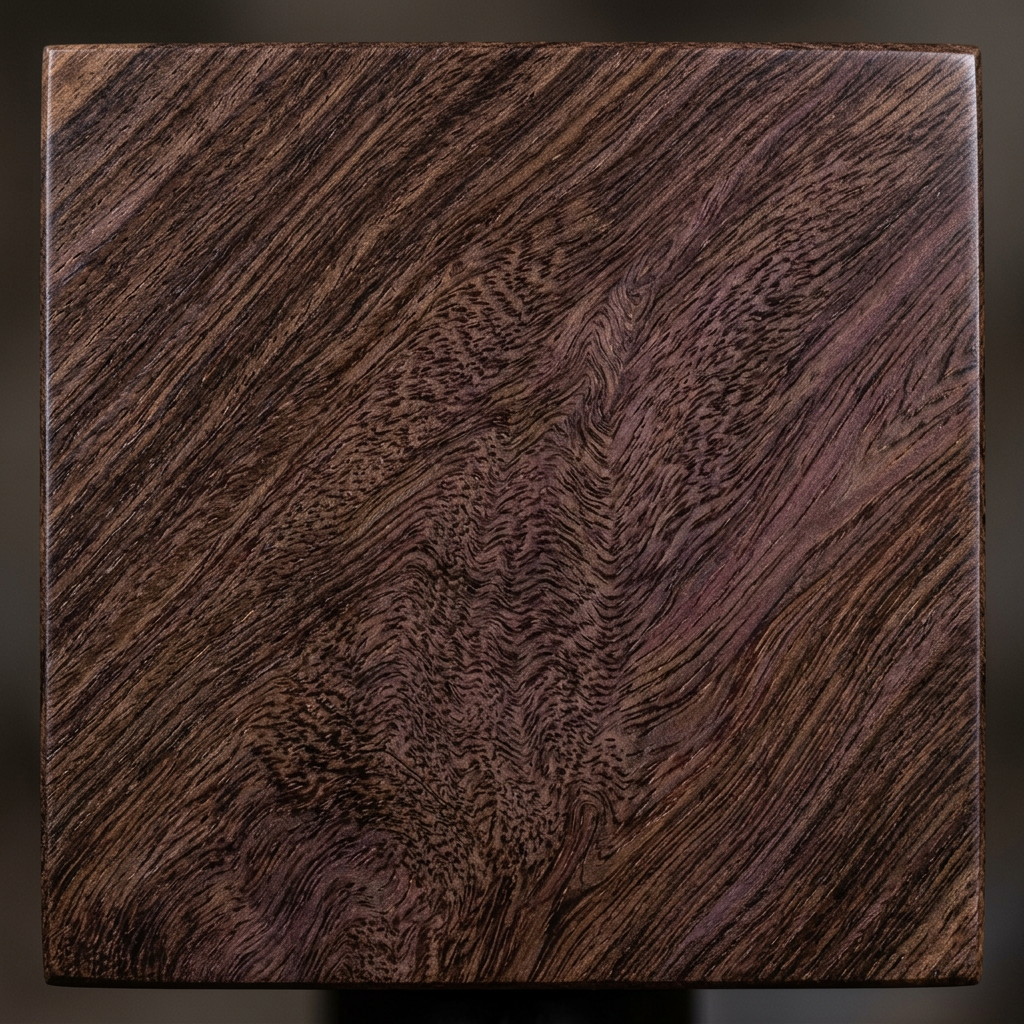
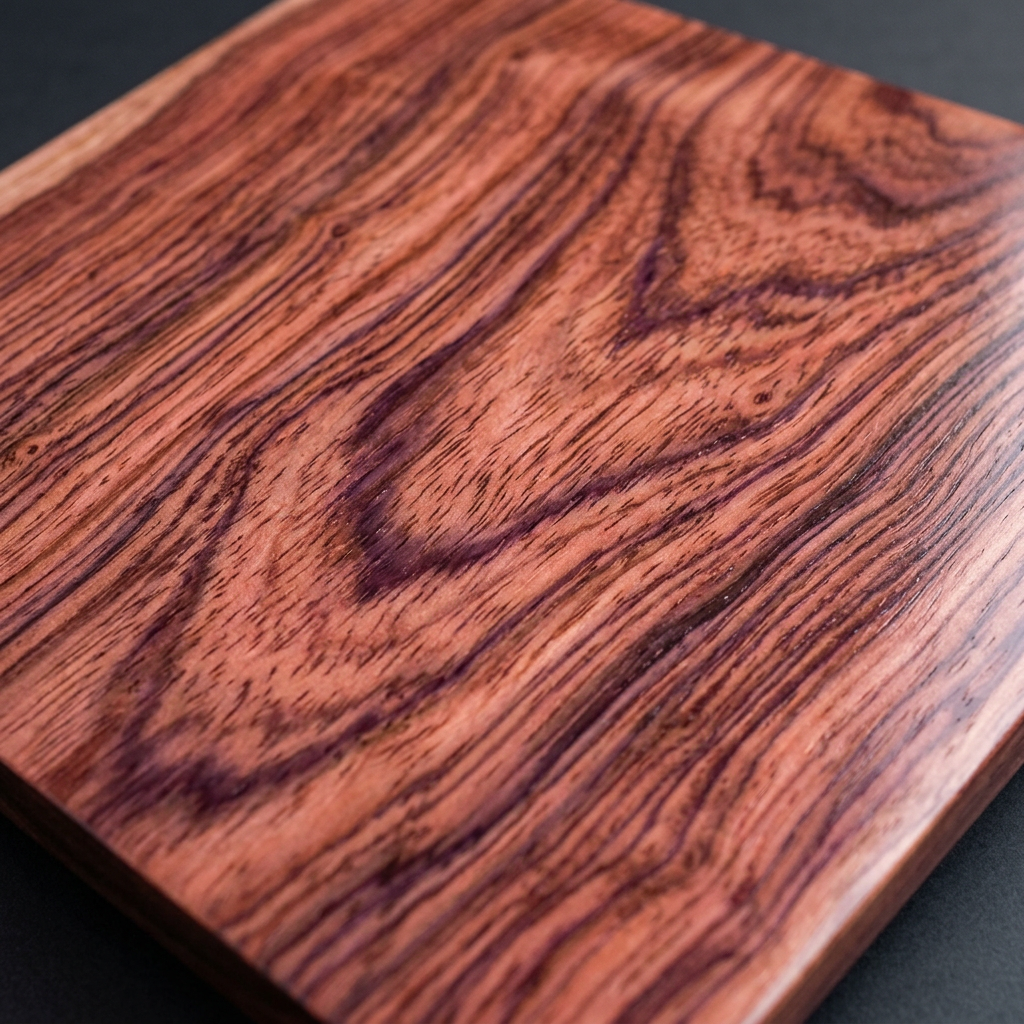
Woods with a similar yellow / gold color that are easily confused with Olivewood. Recorded differences are shown where data exists; confirm identification with end-grain examination.
- • Softer (Janka 1,560 lbf)
- • Lighter (43 lb/ft³)
- • Decay: Very Durable
- • Texture: Fine to medium
- • Softer (Janka 990 lbf)
- • Lighter (34 lb/ft³)
- • Decay: Non-Durable
- • Texture: Fine to medium
- • Softer (Janka 2,010 lbf)
- • Lighter (55 lb/ft³)
- • Decay: Durable
- • Texture: Medium
- • Softer (Janka 2,030 lbf)
- • Lighter (56 lb/ft³)
- • Decay: Durable
- • Texture: Fine to medium