Ziricote
Cordia dodecandra
Genus: Cordia · Family: Boraginaceae
Quick Facts
Wood Type
Hardwood
Native Range
Central America
Avg. Dried Weight
52 lb/ft³
Janka Hardness
1,630 lbf
Decay Resistance
Durable
Typical Color
Dark Brown
Stability
Medium
Outdoor Suitability
Fair
Workability
Moderate
Availability
Commercially Available
CITES
Unlisted
IUCN
Not Evaluated
Did You Know?
- •Ziricote is harder than 63% of the 137 species in our database.
Janka Hardness Scale
Hard
Overview
Professional Summary
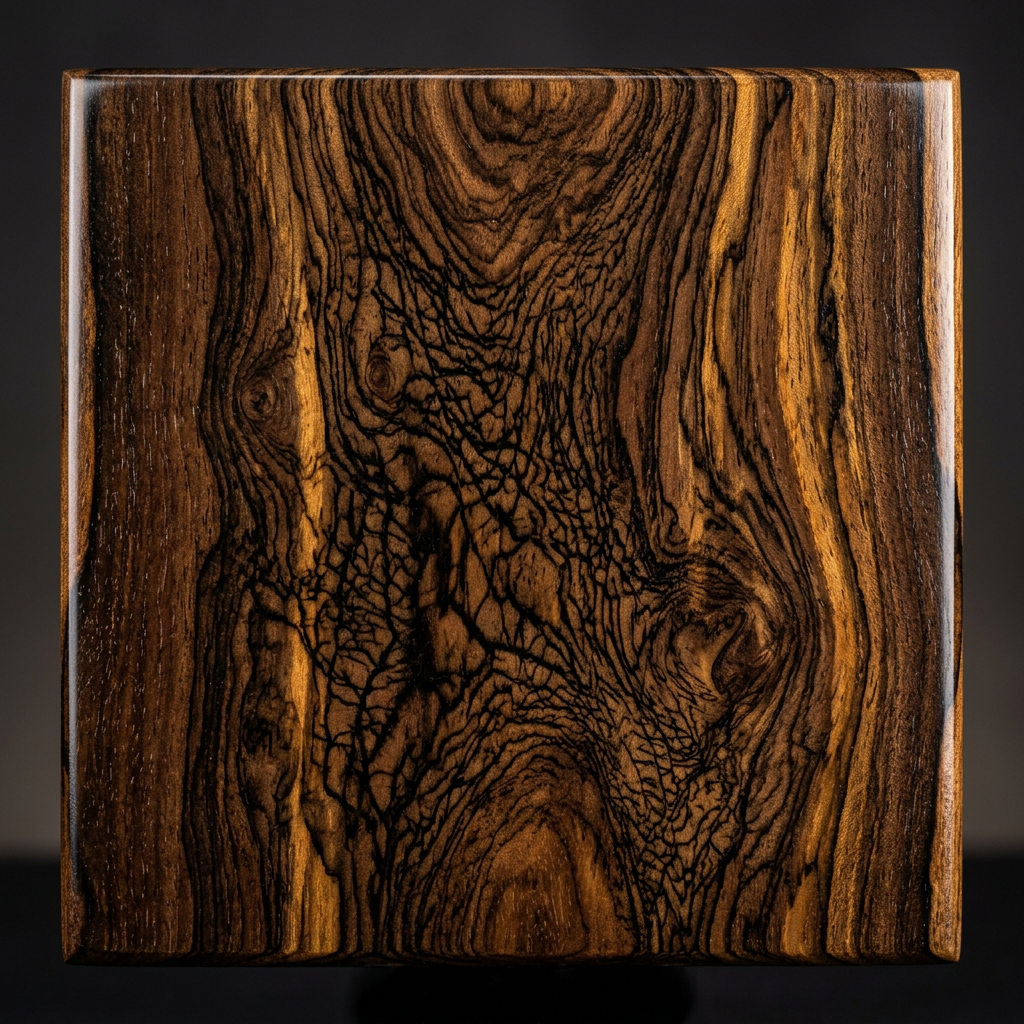
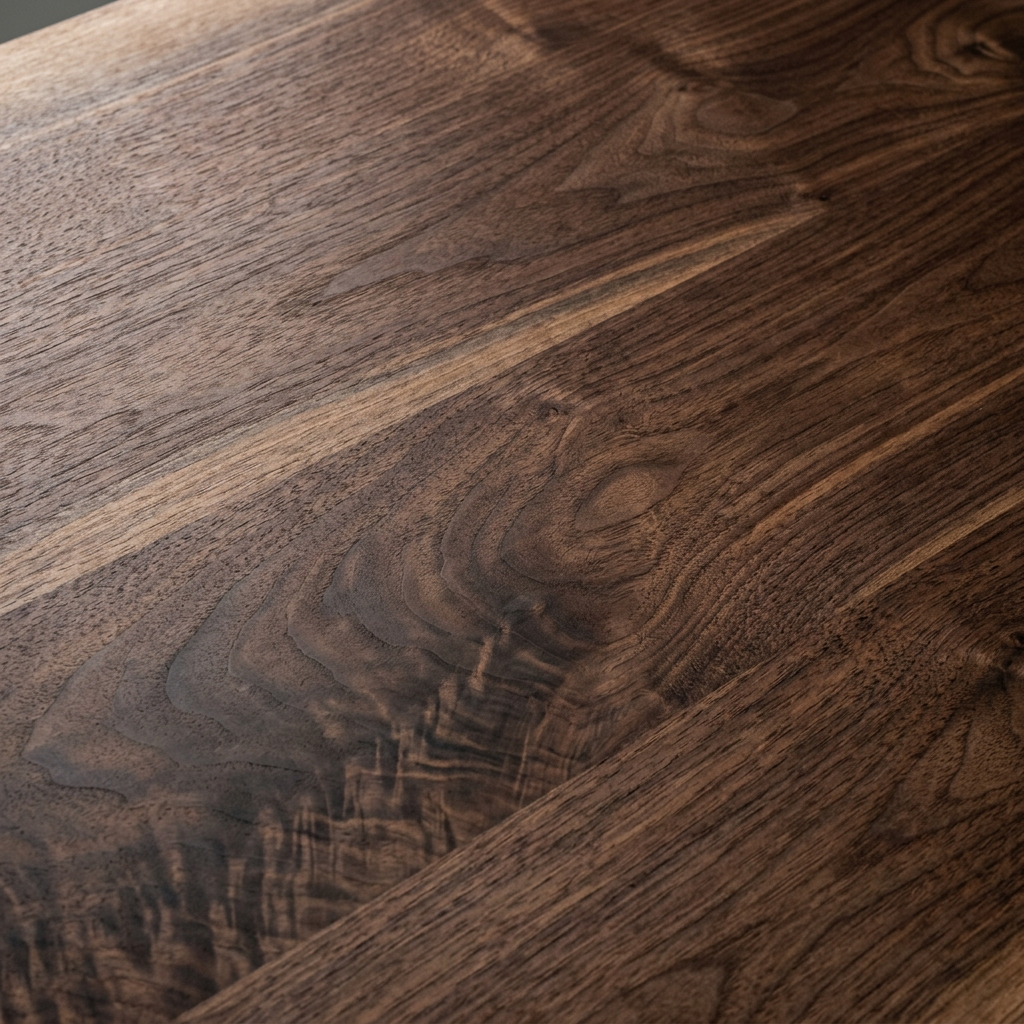
Ziricote (Cordia dodecandra) is a Central American hardwood prized for its extraordinary figure — dramatic dark brown to near-black heartwood laced with lighter golden-brown streaks, spider-webbing, and landscape-like patterns that are unique to each board. With a Janka hardness of 1,630 lbf and an average dried weight of 52 lb/ft³, it is a dense, substantial timber that machines well despite its interlocked grain, though some tearout is possible on quartersawn faces. The fine-to-medium texture polishes to a superb natural luster, making it a favorite for high-end guitar backs and sides, fine furniture, turned objects, and decorative veneer. Ziricote is rated durable against decay, though its primary appeal is aesthetic rather than structural. Supply is limited and prices are premium, as the trees are relatively small and slow-growing. The species is not CITES-listed, but responsible sourcing is encouraged given its restricted natural range across southern Mexico, Belize, and Guatemala.
In Plain English
Ziricote is one of the most visually dramatic woods in the world — imagine dark, almost black swirls and spiderweb-like patterns dancing across a golden-brown background. Every board looks like a piece of abstract art. It's heavy and hard, polishes up beautifully, and is a top choice for guitar builders, furniture makers, and woodturners who want a real showpiece. It's not cheap or easy to find, but there's really nothing else that looks quite like it.
Appearance
Technical Properties
Sources, Conditions & Safety
No documented references are attached to this profile yet. Its recorded values should not be treated as source-verified.
Wood dust & sensitivity
Species-specific safety information has not been documented here. Absence of a warning does not mean the wood is safe or non-allergenic.
Use dust extraction and appropriate protective equipment; consult occupational-safety guidance. This is not medical advice or food-contact approval.
Durability & Performance
Workability
Common Uses
Guitar backs and sides, fine furniture, turned objects, decorative veneer, jewelry boxes, knife handles, and any project where dramatic visual impact is the priority.
Sustainability & Trade
Listings are reference information, not proof of legal sourcing or certification. Verify current trade rules and supplier documentation before buying; absence of a note does not mean unrestricted trade.
Limited availability and high cost. Interlocked grain can cause tearout if planing isn't done carefully. Can cause skin irritation in some workers. Boards are often narrow due to small tree size.
Native Distribution
Find Substitutes
AI-powered alternative species matching
You Might Also Consider
Species with similar characteristics and uses
Look-Alike Species
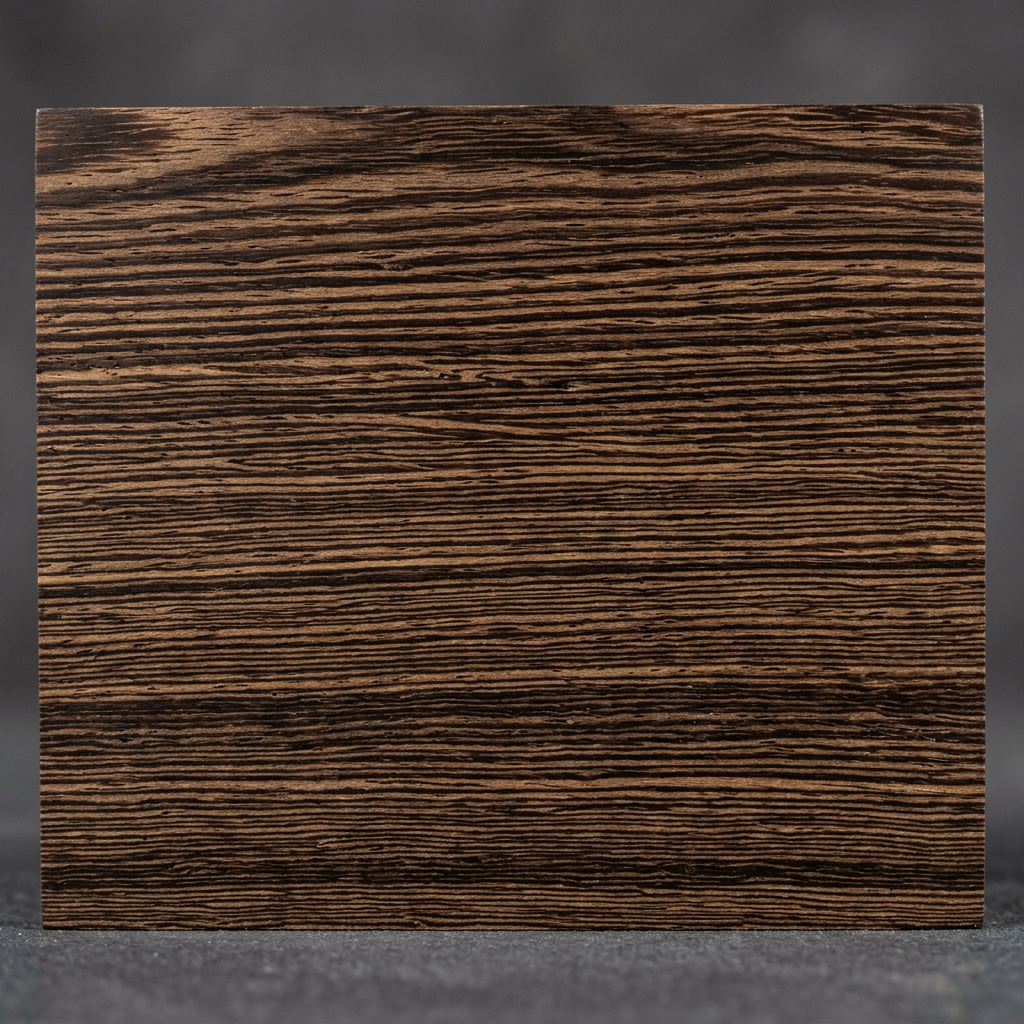
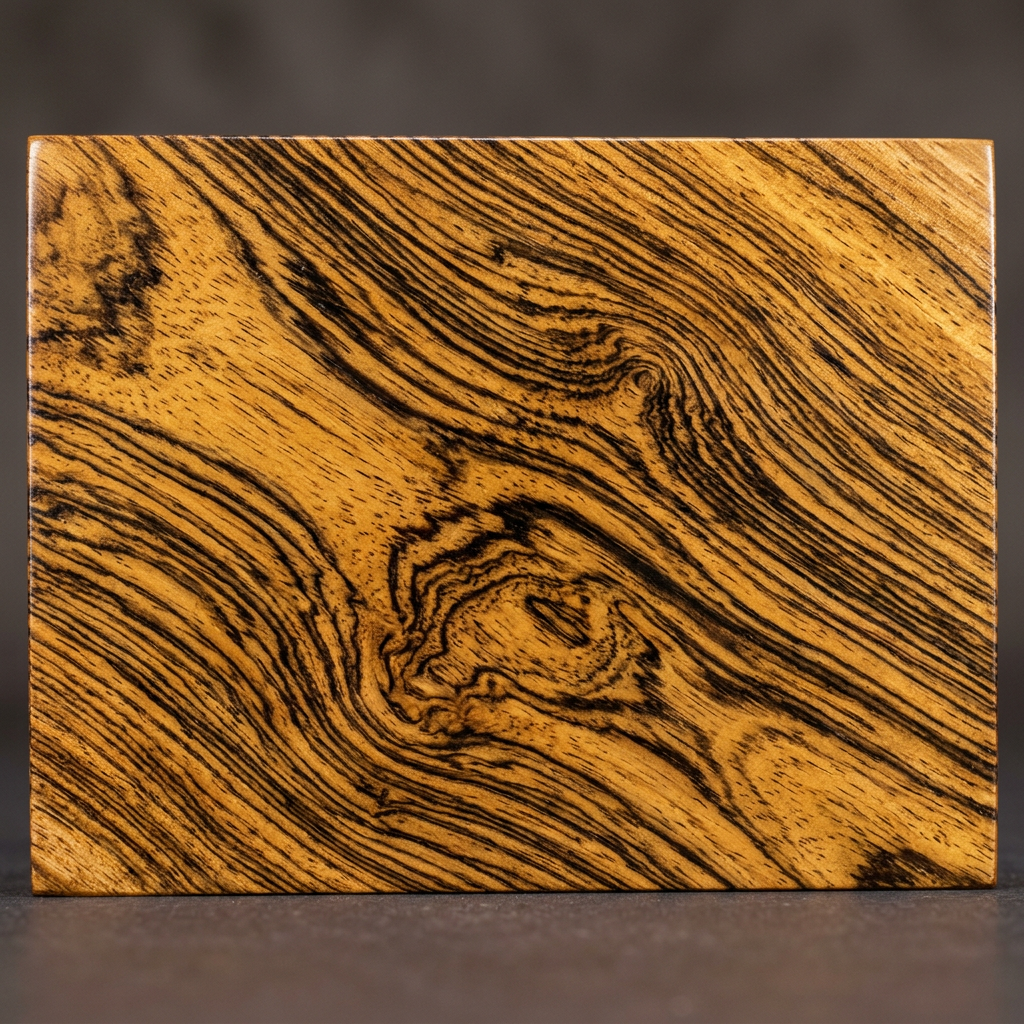
Woods with a similar dark brown color that are easily confused with Ziricote. Recorded differences are shown where data exists; confirm identification with end-grain examination.
- • Harder (Janka 3,360 lbf)
- • Heavier (68 lb/ft³)
- • Decay: Very Durable
- • Texture: Medium to coarse
- • Softer (Janka 1,010 lbf)
- • Lighter (38 lb/ft³)
- • Harder (Janka 2,250 lbf)
- • Heavier (61 lb/ft³)
- • Decay: Very Durable
- • Harder (Janka 2,440 lbf)
- • Decay: Very Durable
- • Texture: Medium to coarse