Best Wood for Boat Building
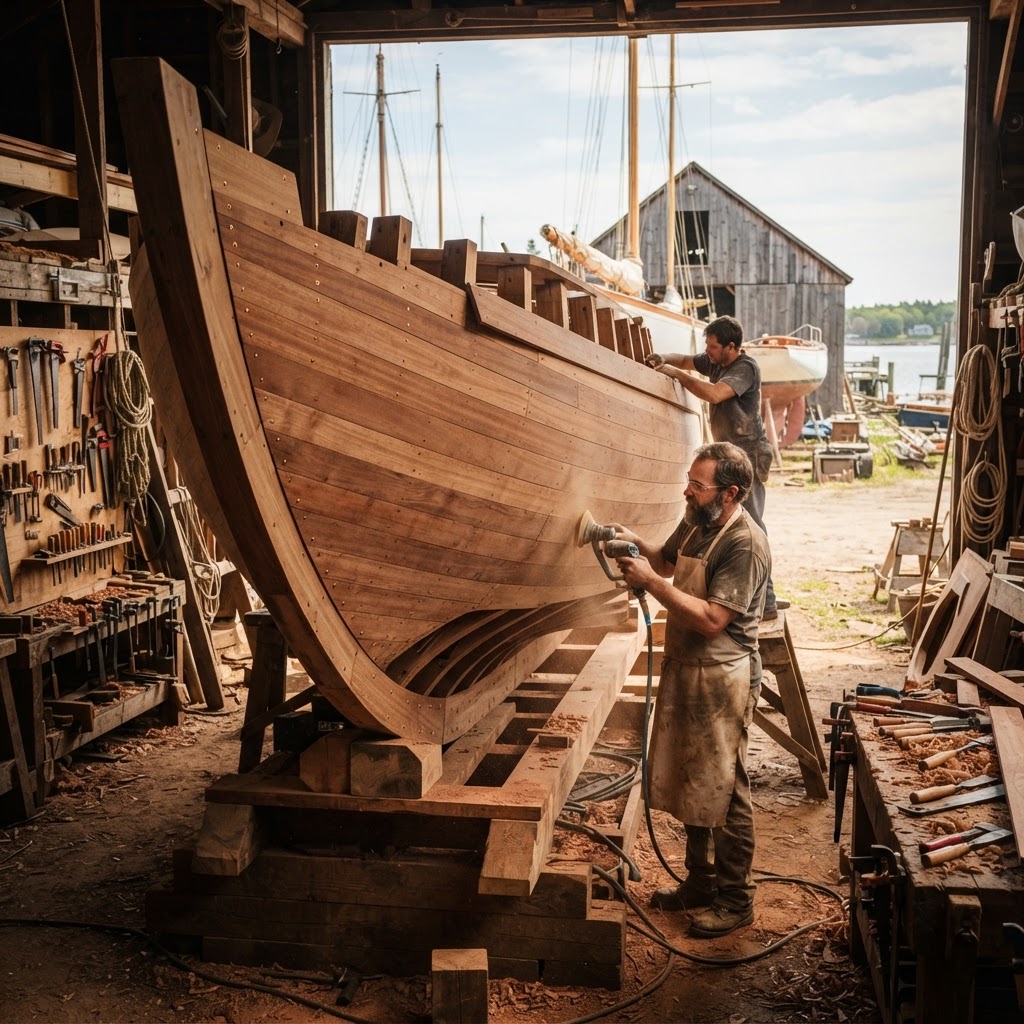
Marine wood has to resist rot in permanently damp conditions, stay stable through wet-dry cycles, and — for frames and spars — bend without breaking. Different parts of a boat call for different species, which is why traditional builders use several in one hull.
Our Top 6 Picks
 1
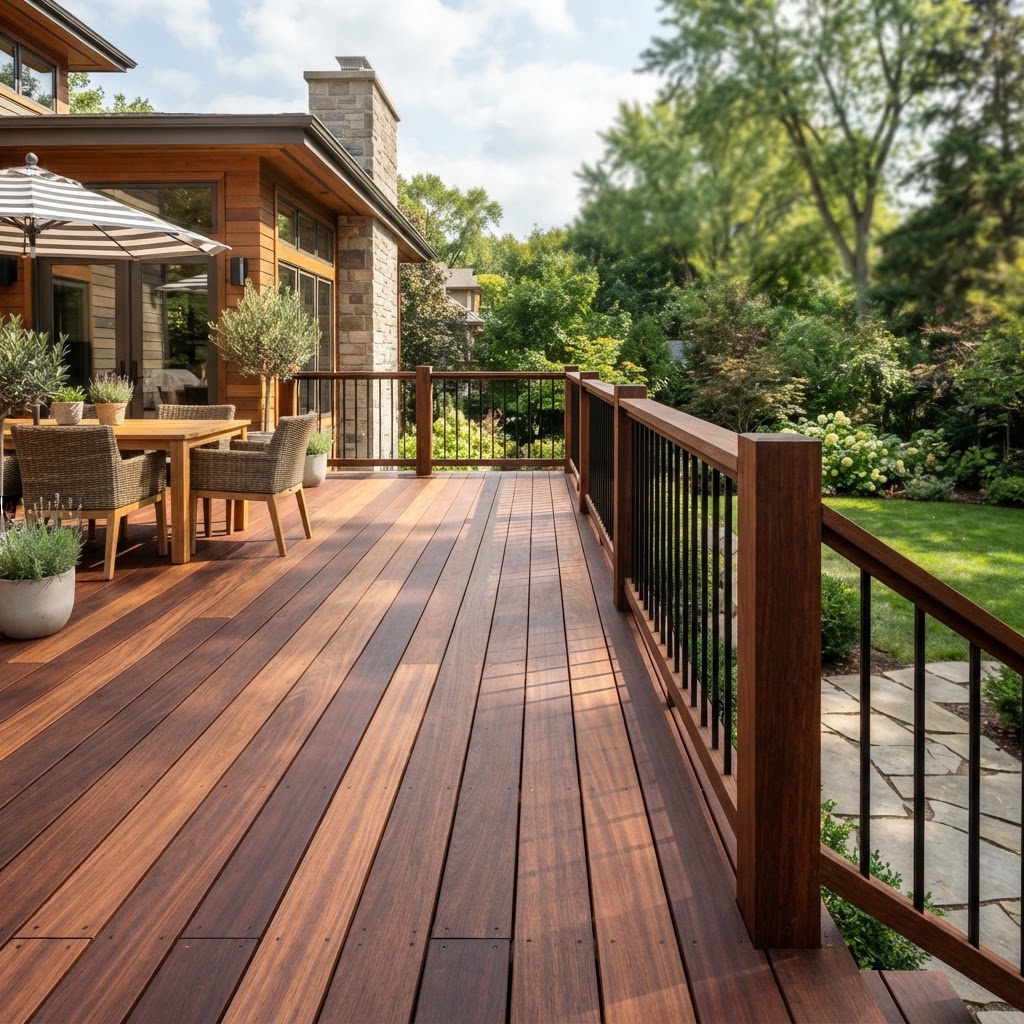
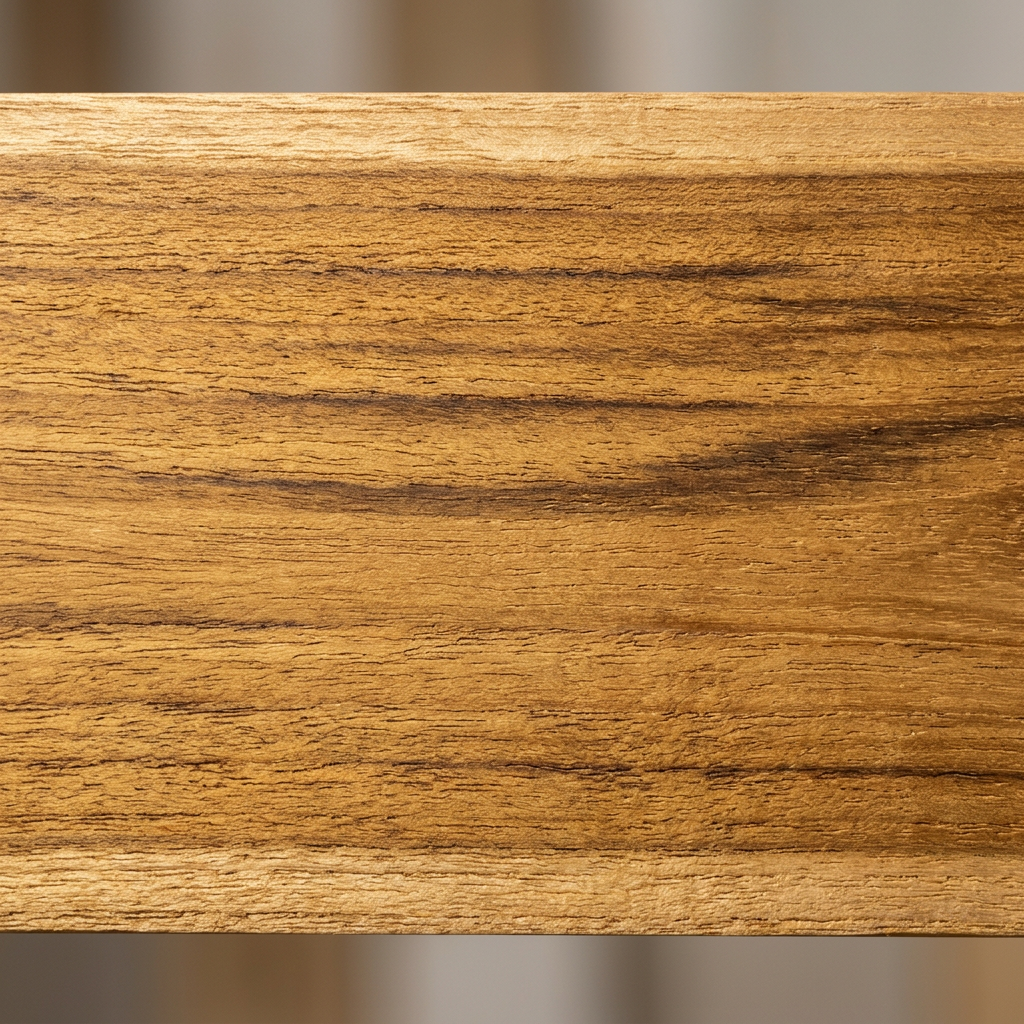
1Teak
Tectona grandis
The definitive marine wood: dimensionally stable, naturally oily, and rot resistant. Ideal for decks and trim.
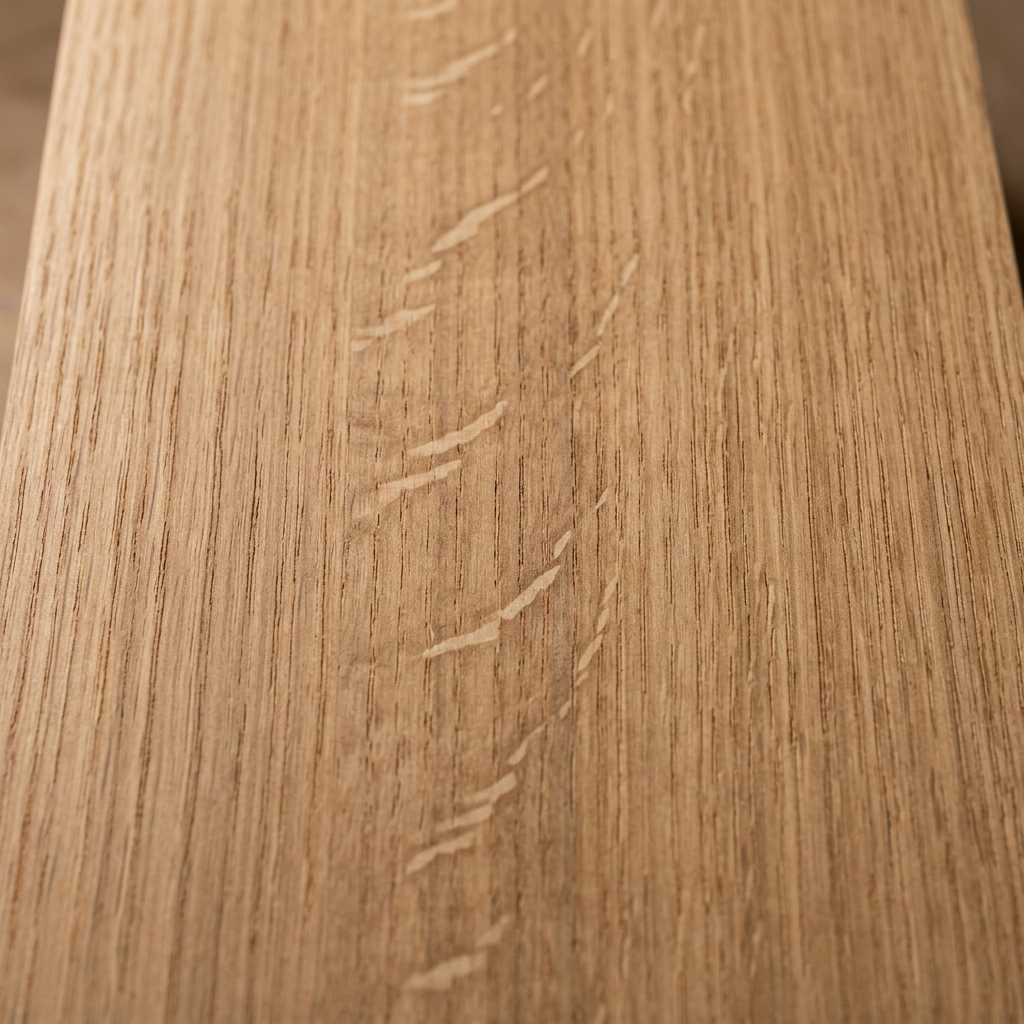 2
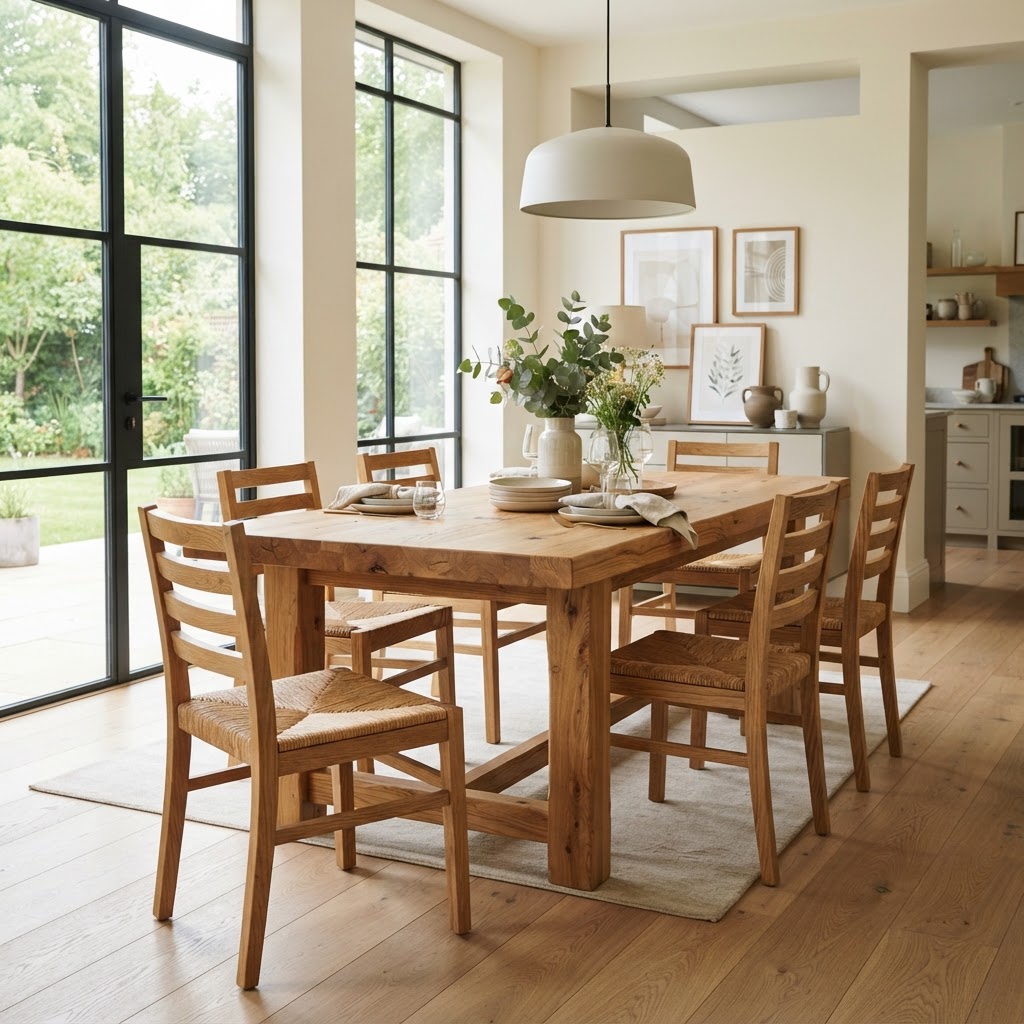
2White Oak
Quercus alba
The traditional framing wood — strong, steam-bends superbly, and its closed grain resists water.
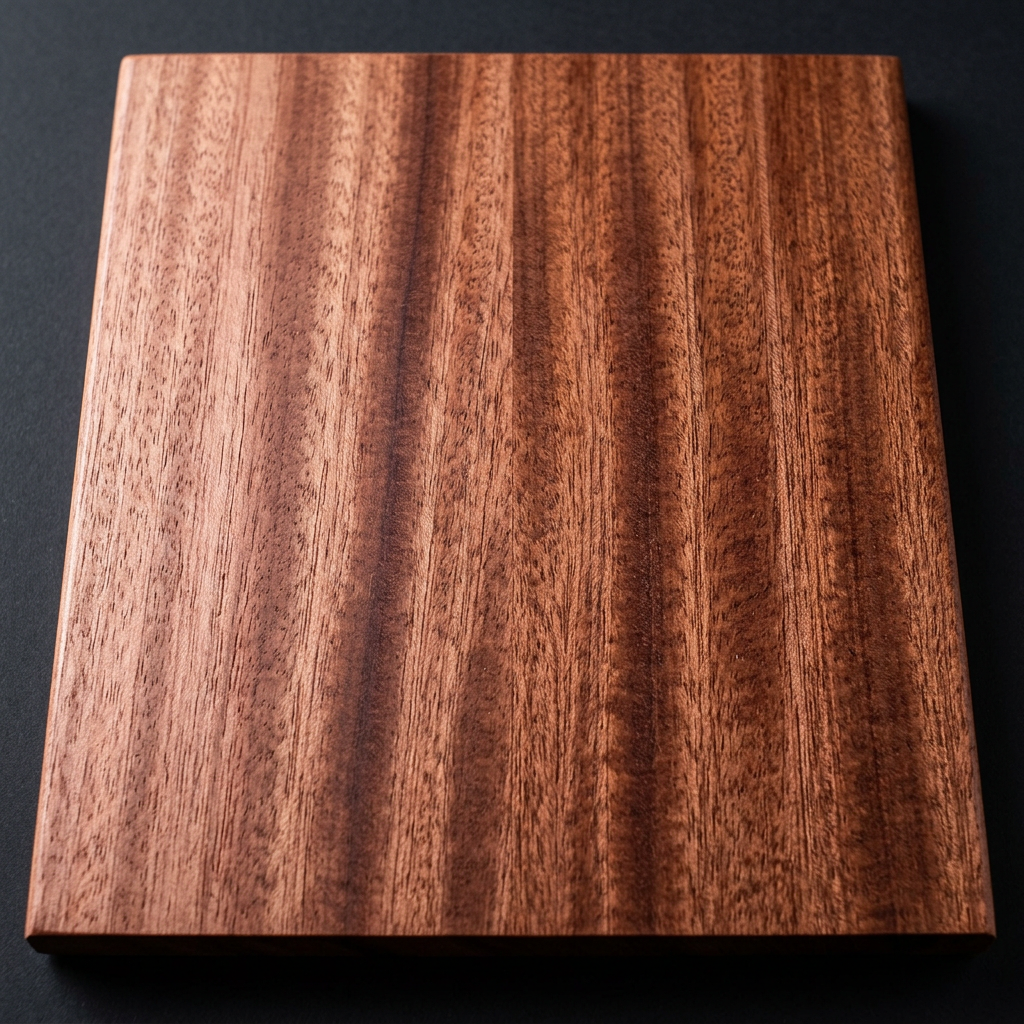 3
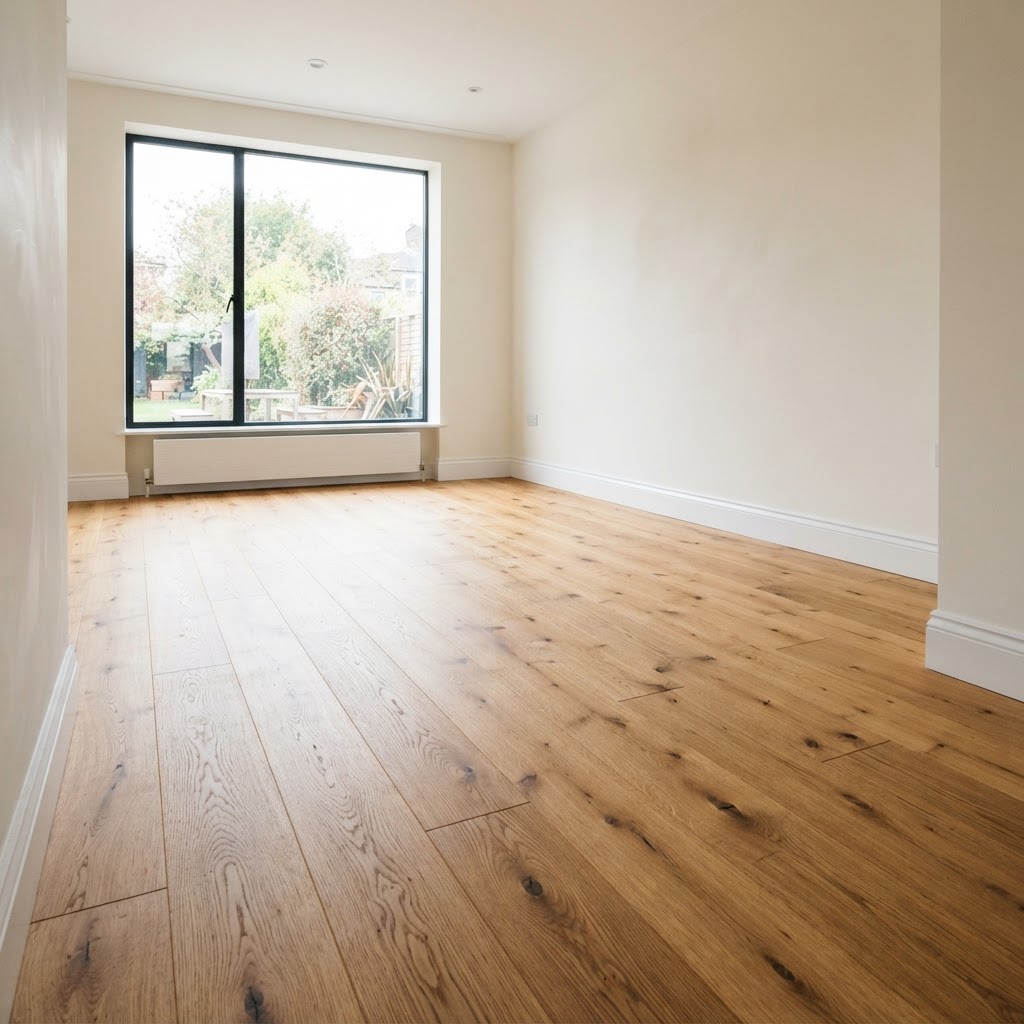
3African Mahogany
Khaya spp.
Stable, rot resistant, and light enough for planking and bright-finished topsides.
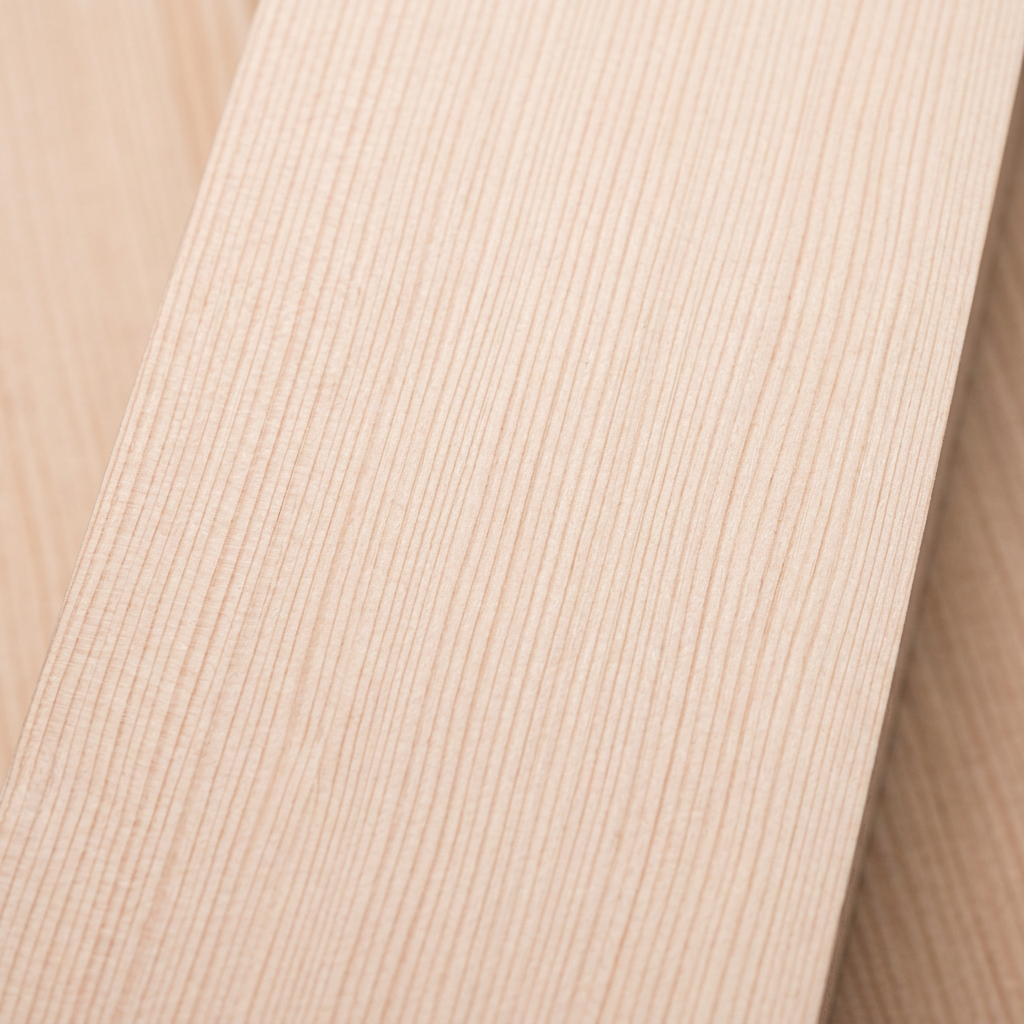 4
4Sitka Spruce
Picea sitchensis
The classic spar wood: exceptional strength-to-weight for masts and booms.
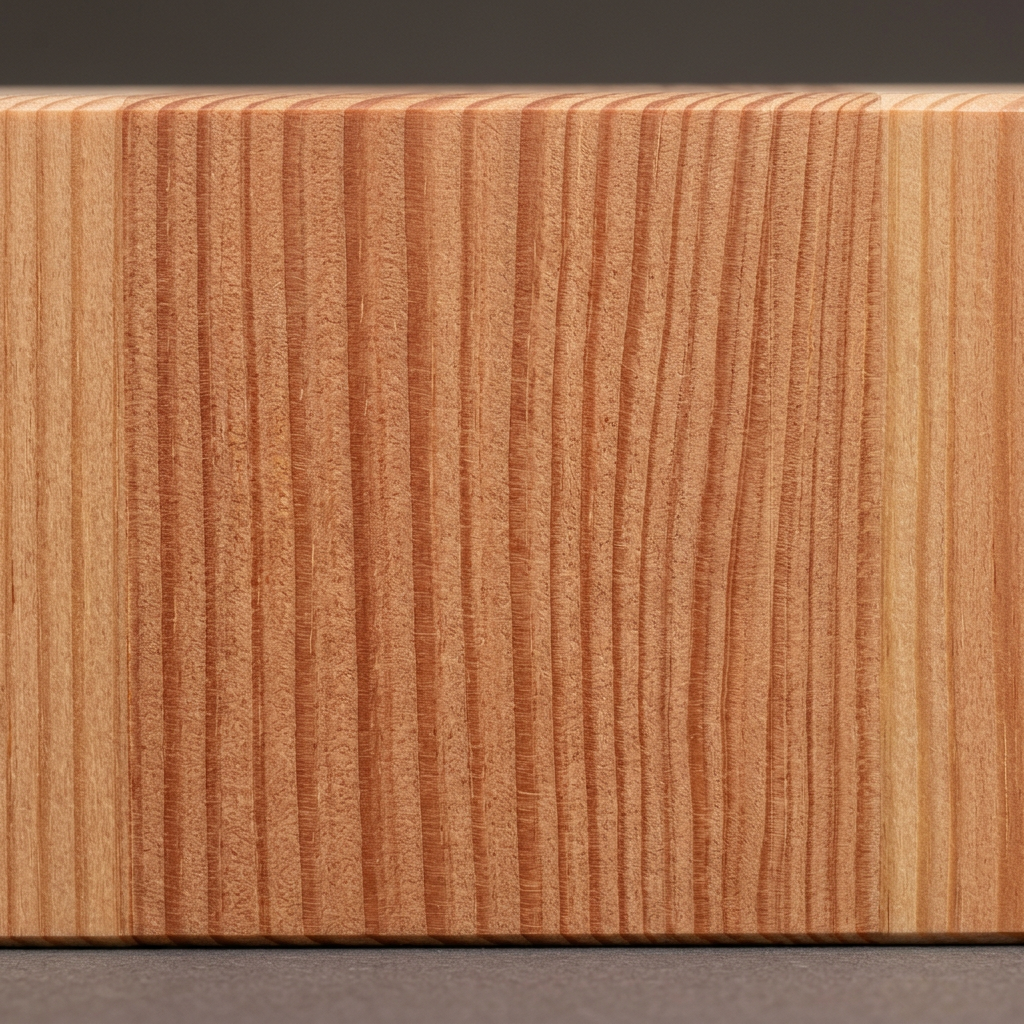 5
5Douglas Fir
Pseudotsuga menziesii
Strong, stiff, and inexpensive for stringers, spars, and plywood hulls.
 6
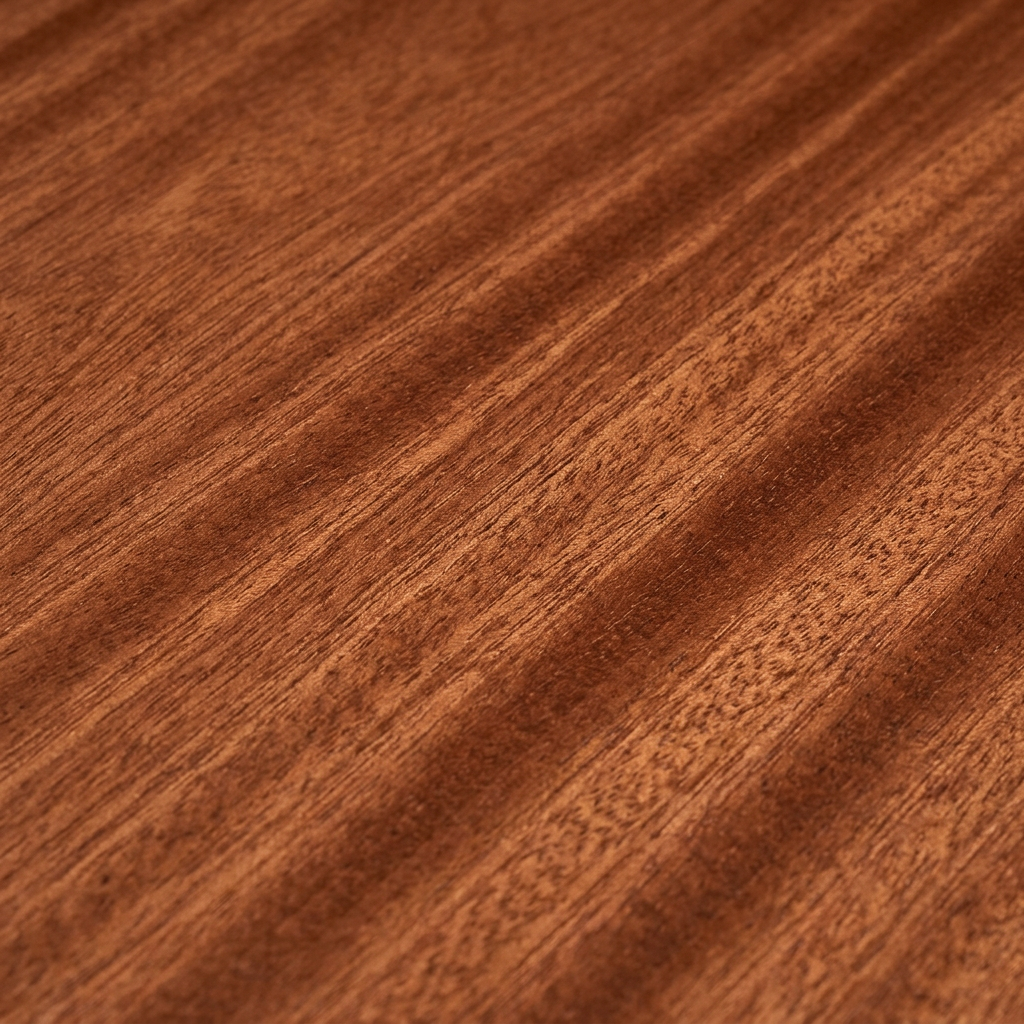
6Sapele
Entandrophragma cylindricum
A durable mahogany-family wood widely used for modern planking and joinery.
What to Look For
- Decay resistance is the first filter — non-durable species need full epoxy encapsulation.
- Steam-bending ability determines what you can use for frames and ribs.
- Strength-to-weight ratio is what makes spruce and fir spar woods.
- Bronze or stainless fasteners only; oak tannins destroy plain steel fast.
Frequently Asked Questions
What wood is best for a boat hull?
Traditional carvel and lapstrake hulls use mahogany, cedar, or cypress planking on white oak frames. Modern epoxy builds commonly use marine plywood over Douglas fir stringers.
Why is teak used on boat decks?
Teak is dimensionally stable when wet, naturally rot resistant, and its silica content gives good non-slip grip even unfinished.
Can you use pine for boat building?
Only encapsulated in epoxy or in fully protected interior parts — untreated pine has no meaningful decay resistance.
Need a more specific recommendation?
Describe your project and our AI Wood Finder will search all 137 species.