Best Wood for Clocks
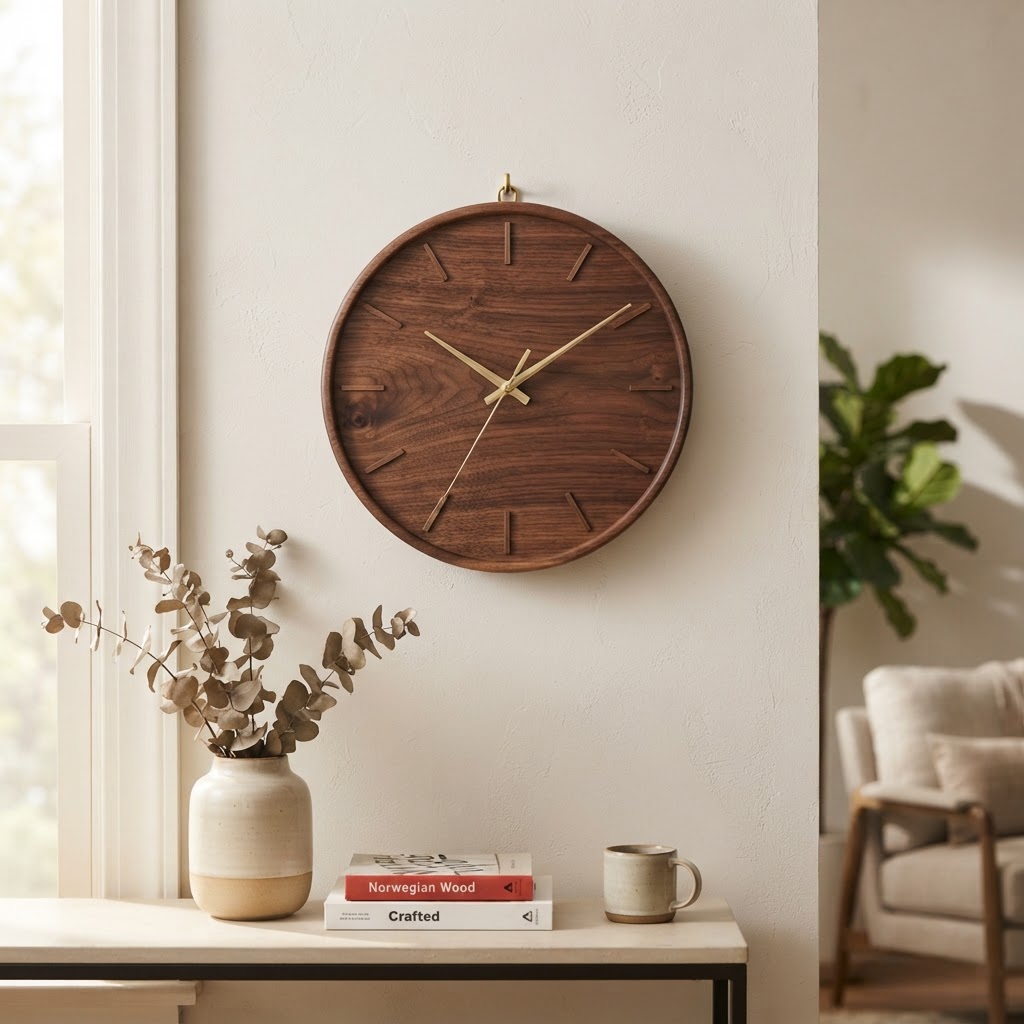
Clocks ask two very different things of wood. Cases want beauty and stability so mitered joints stay closed. Wooden gear movements want extreme dimensional stability and fine, hard texture so teeth hold their profile and don't move with humidity.
Our Top 6 Picks
 1
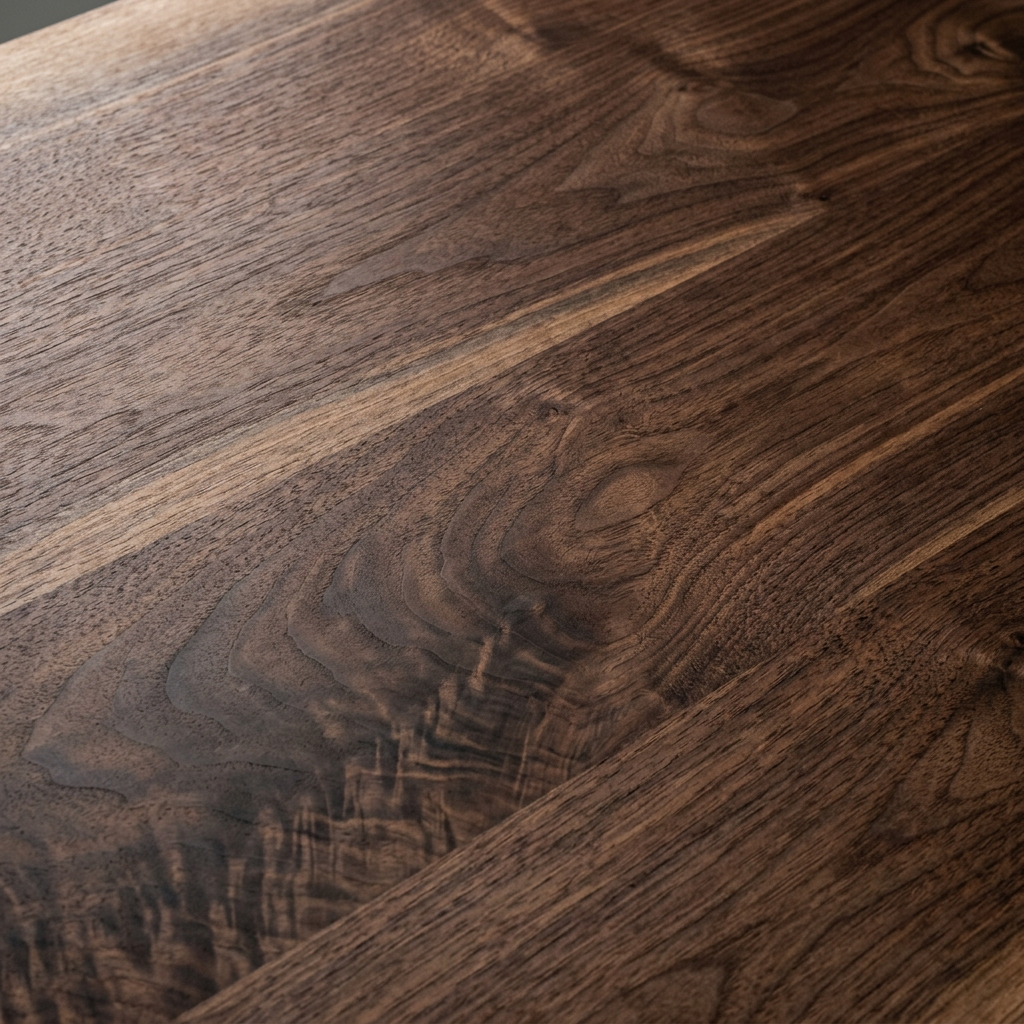
1Black Walnut
Juglans nigra
The traditional American clock case wood — stable, dark, and it machines crisply.
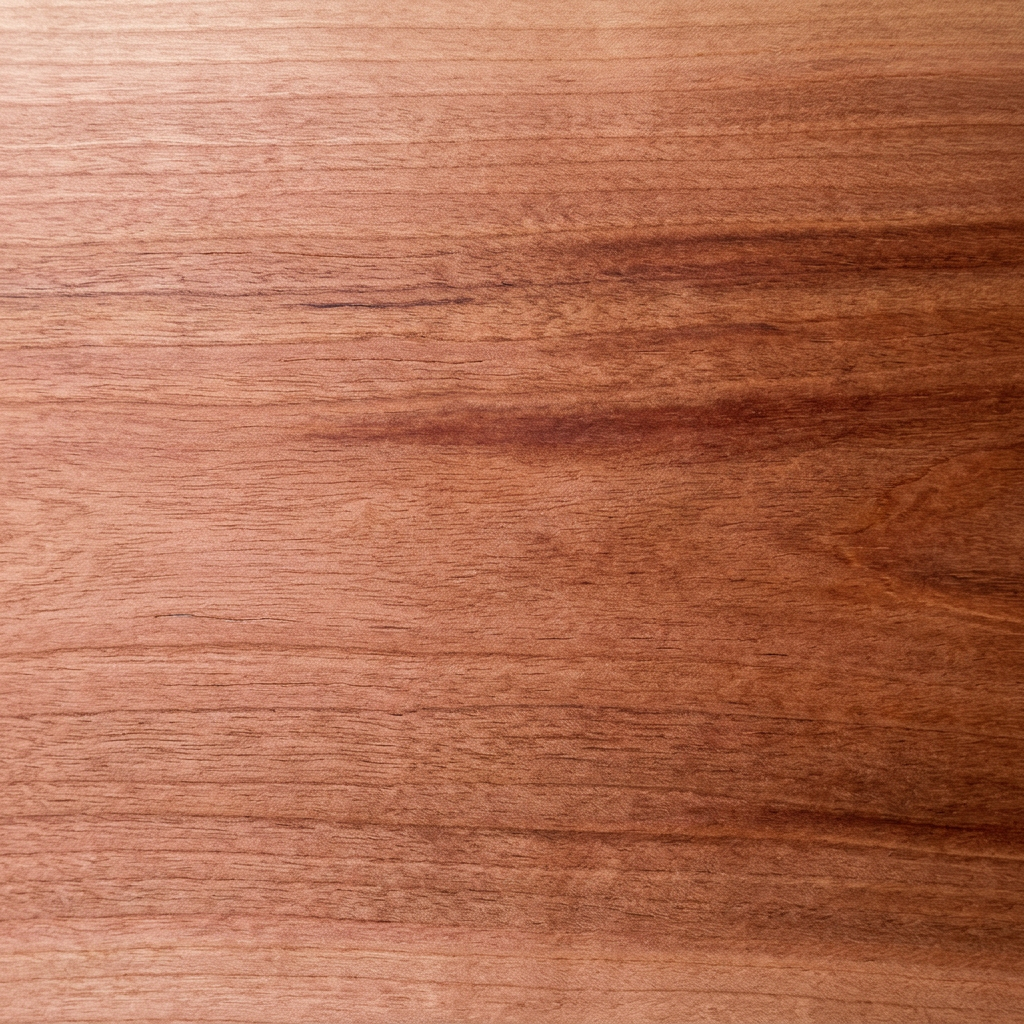 2
2Cherry
Prunus serotina
Fine, even texture that carves and moulds beautifully, and ages to a warm patina.
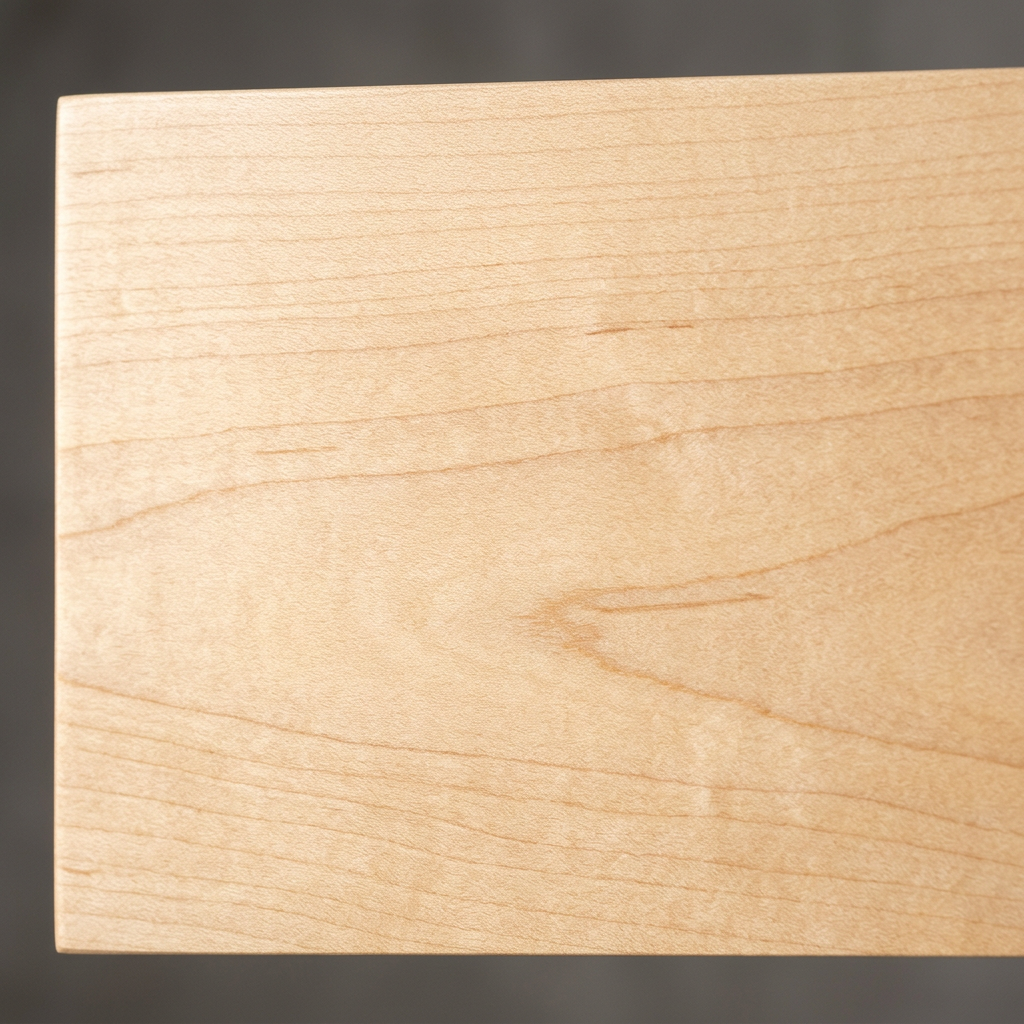 3
3Hard Maple
Acer saccharum
Dense and very stable with fine texture — the standard for cut wooden gear teeth.
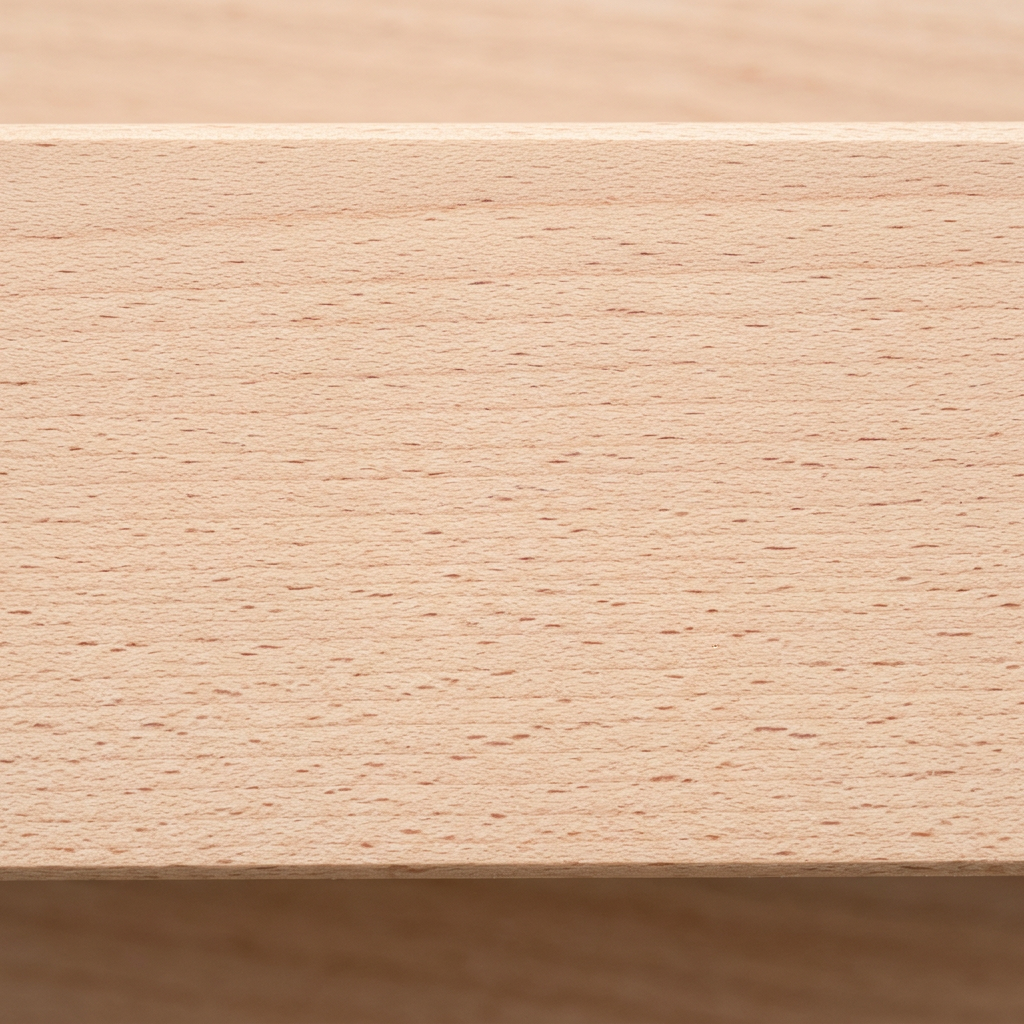 4
4European Beech
Fagus sylvatica
Extremely uniform grain, ideal for movement plates and precise mechanical parts.
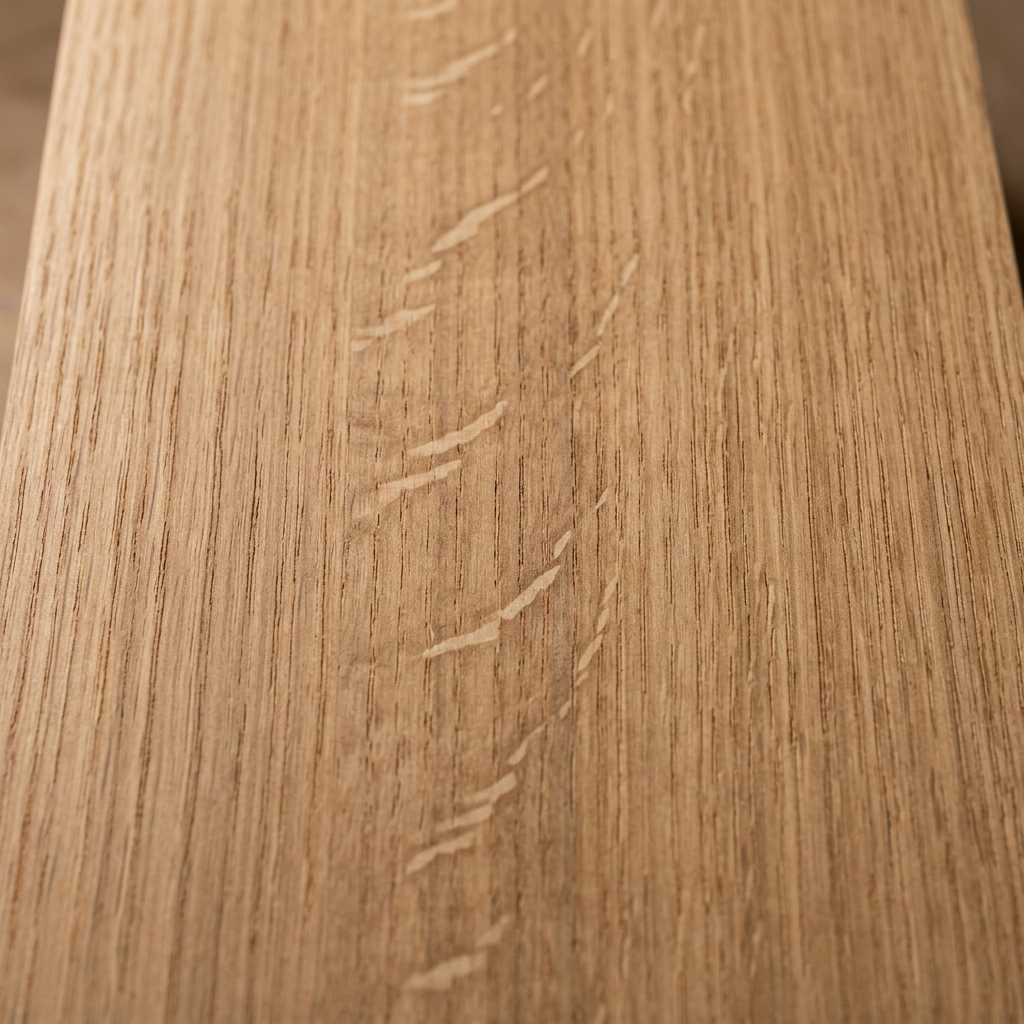 5
5White Oak
Quercus alba
Classic for Mission and grandfather clock cases, with excellent long-term stability.
 6
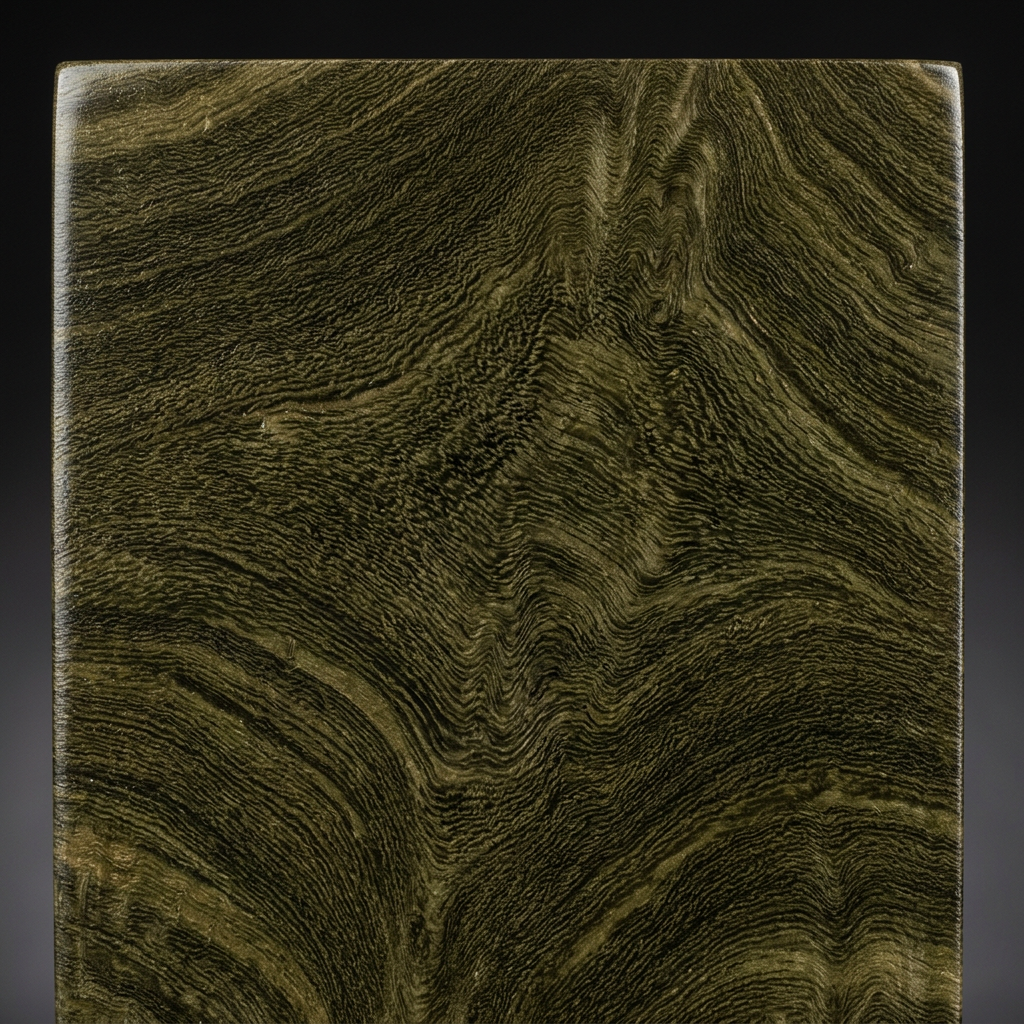
6Lignum Vitae
Guaiacum officinale
Self-lubricating and dimensionally rock-solid — historically used for clock and machine bearings.
What to Look For
- For wooden movements, a very high stability rating is non-negotiable — humidity changes bind the gear train.
- Fine, even texture holds crisp gear teeth and clean moulding profiles.
- Quartersawn stock for movement plates minimizes width change.
- Seal all surfaces of a case equally so the panels move uniformly.
Frequently Asked Questions
What wood is used for wooden clock gears?
Hard maple and beech are most common — both are dense, stable, and fine-textured enough to hold accurate tooth profiles. Baltic birch plywood is also widely used for its stability.
What is the best wood for a clock case?
Walnut, cherry, and white oak are the traditional choices — stable enough for tight mitered joinery and beautiful under a clear finish.
Do wooden clock movements keep good time?
They can, but only if the wood is stable and the shop humidity is reasonably controlled — wood movement is the main enemy of accuracy.
Need a more specific recommendation?
Describe your project and our AI Wood Finder will search all 137 species.