Best Wood for Guitars
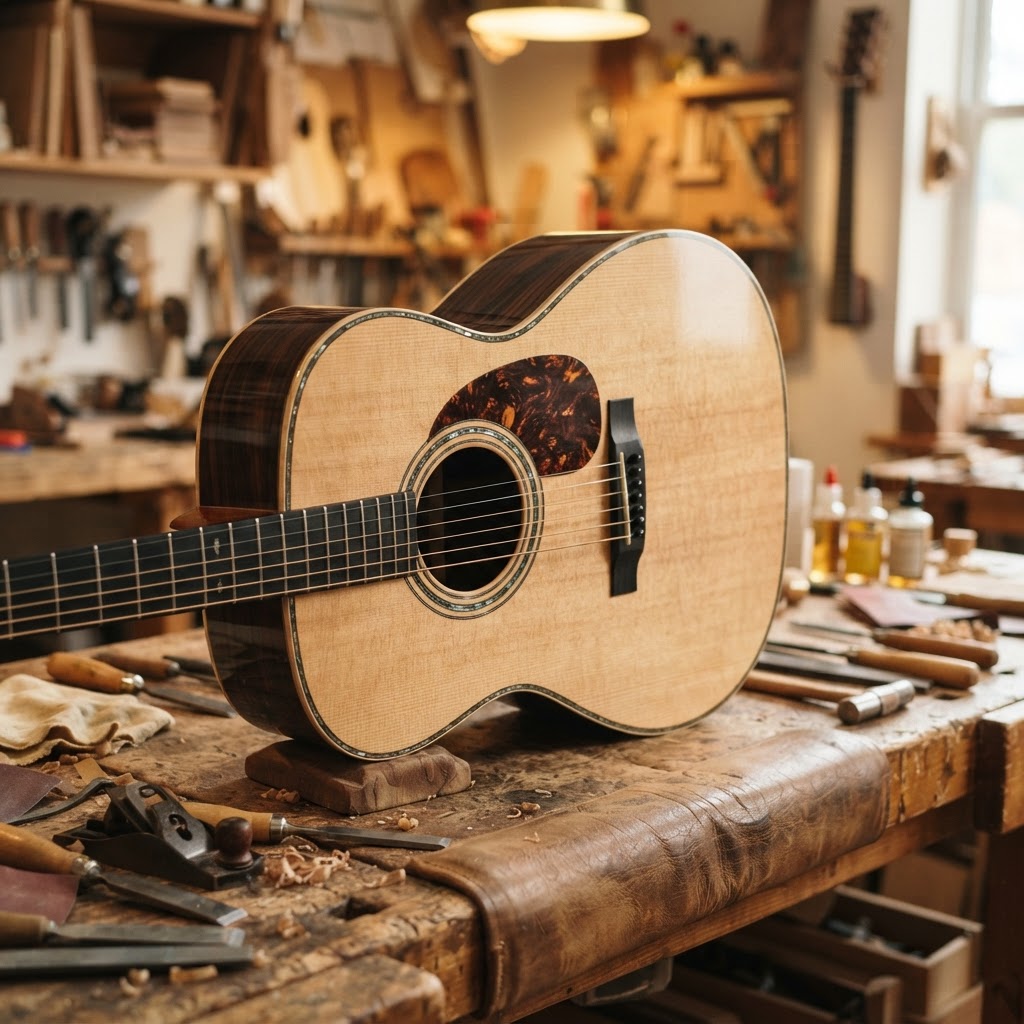
Guitar building splits into distinct jobs. Tops need high stiffness-to-weight for responsiveness, backs and sides need density and reflectivity, and necks need stability above everything else. Several traditional tonewoods are now CITES-listed, so sourcing legality matters as much as tone.
Our Top 6 Picks
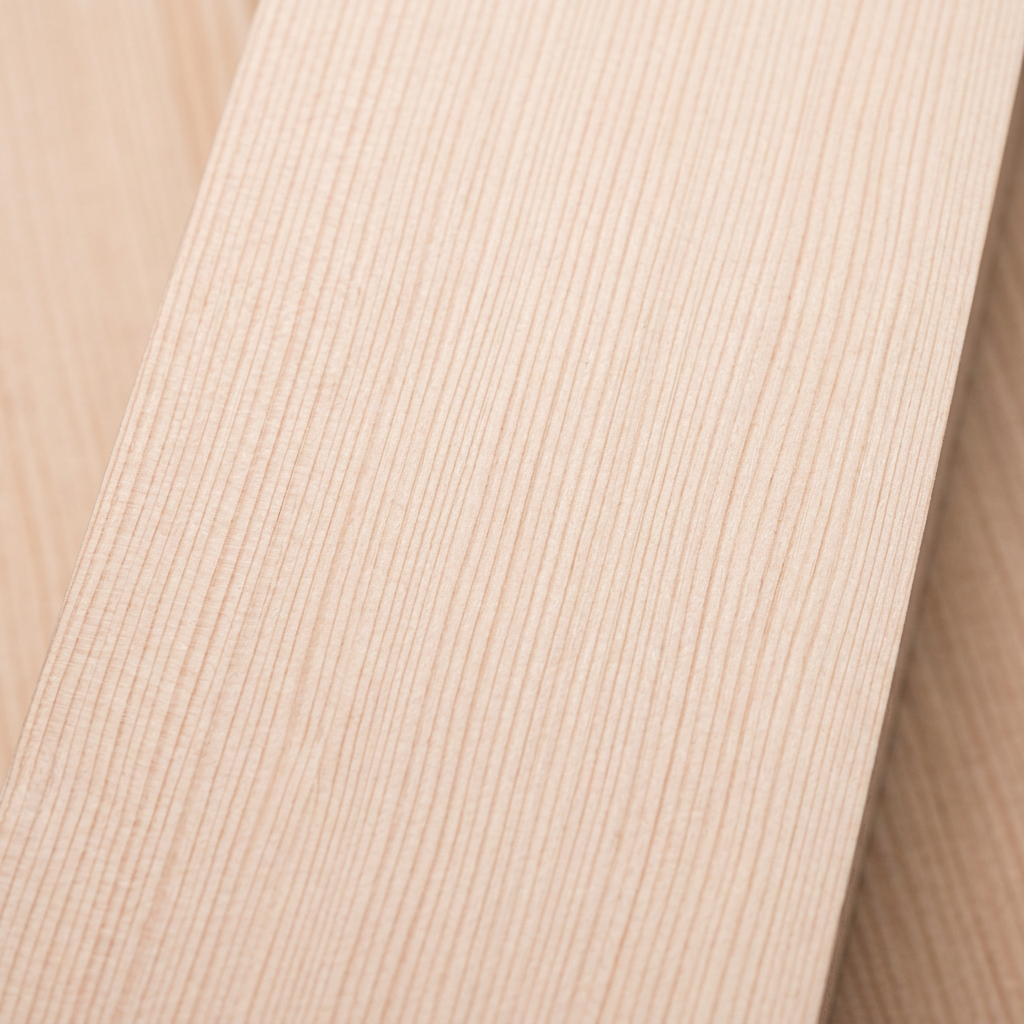 1
1Sitka Spruce
Picea sitchensis
The dominant acoustic top wood — the best stiffness-to-weight ratio available.
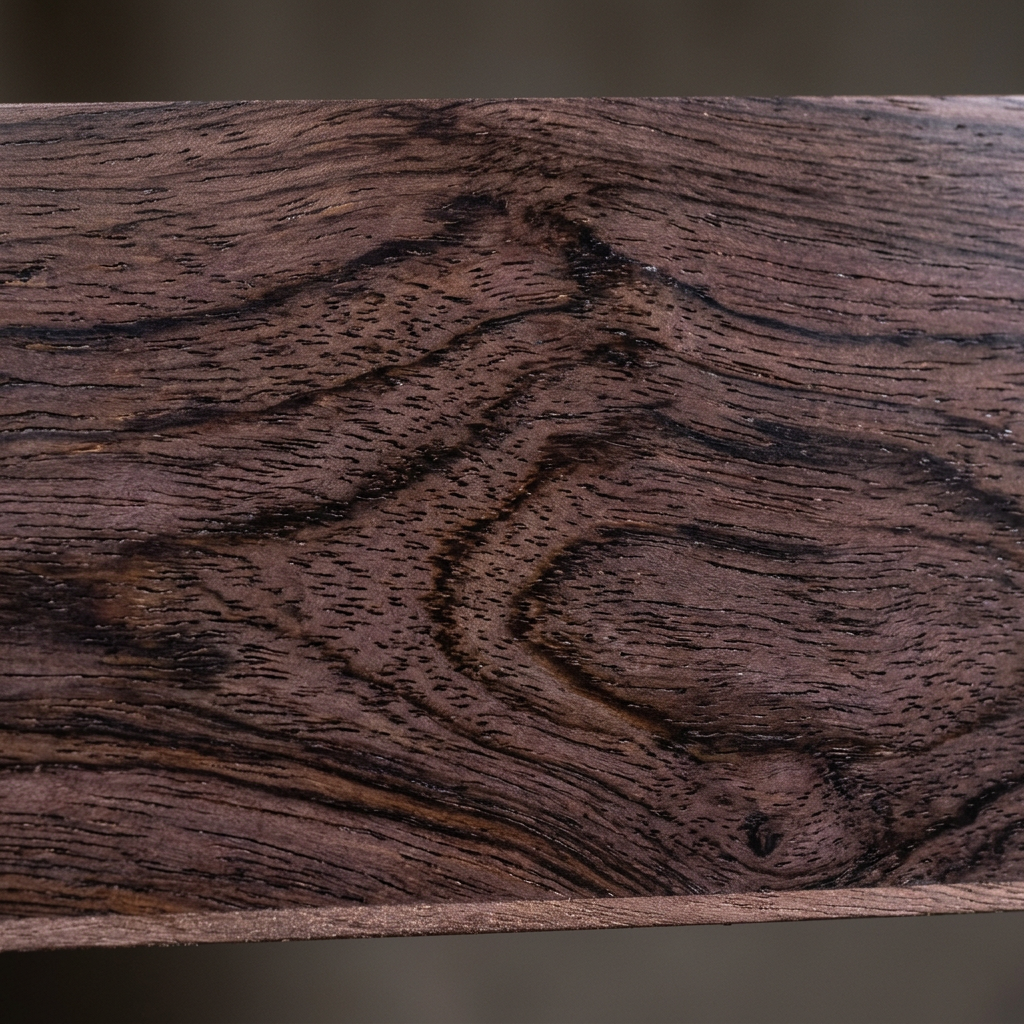 2
2Indian Rosewood
Dalbergia latifolia
The standard back and side wood for warm, complex tone. CITES-listed — check documentation.
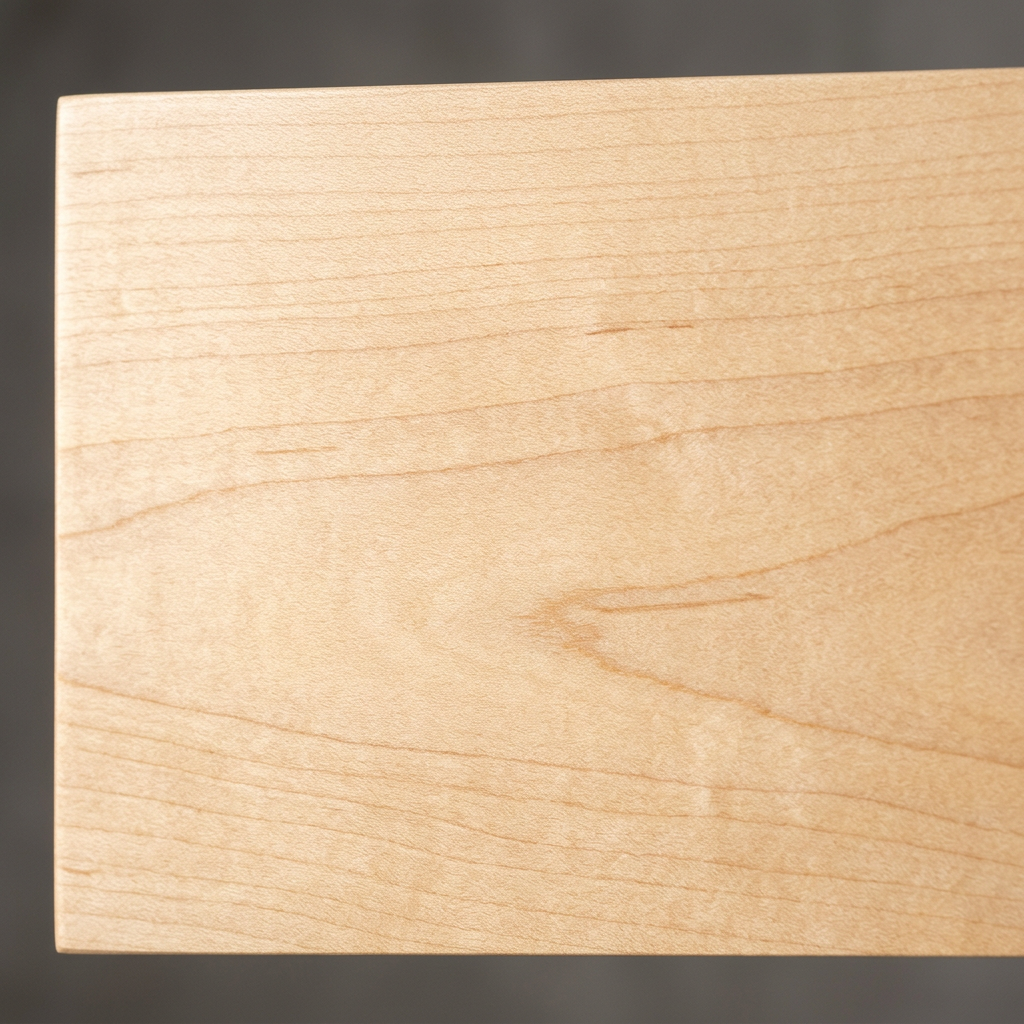 3
3Hard Maple
Acer saccharum
Bright and stable — the classic neck and archtop wood, and the home of flame figure.
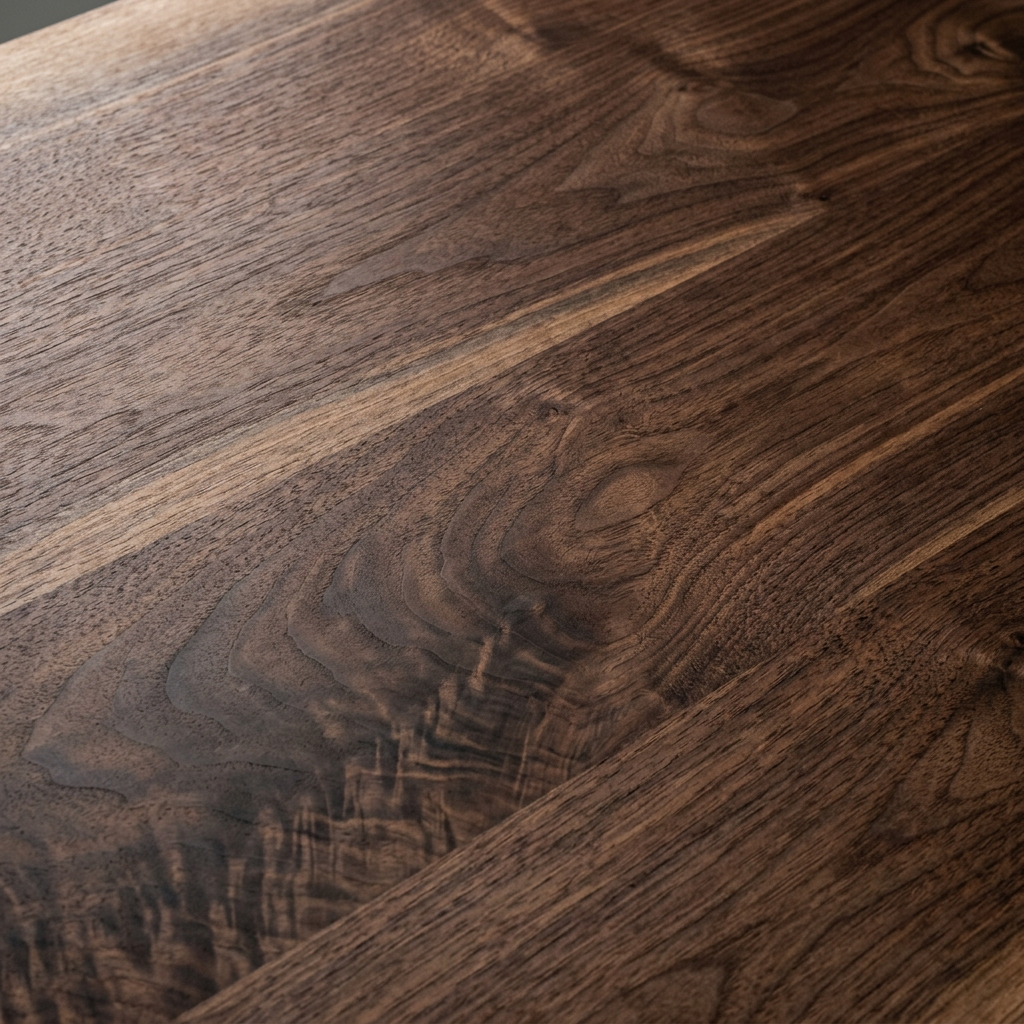 4
4Black Walnut
Juglans nigra
A sustainable rosewood alternative for backs and sides, warm and balanced.
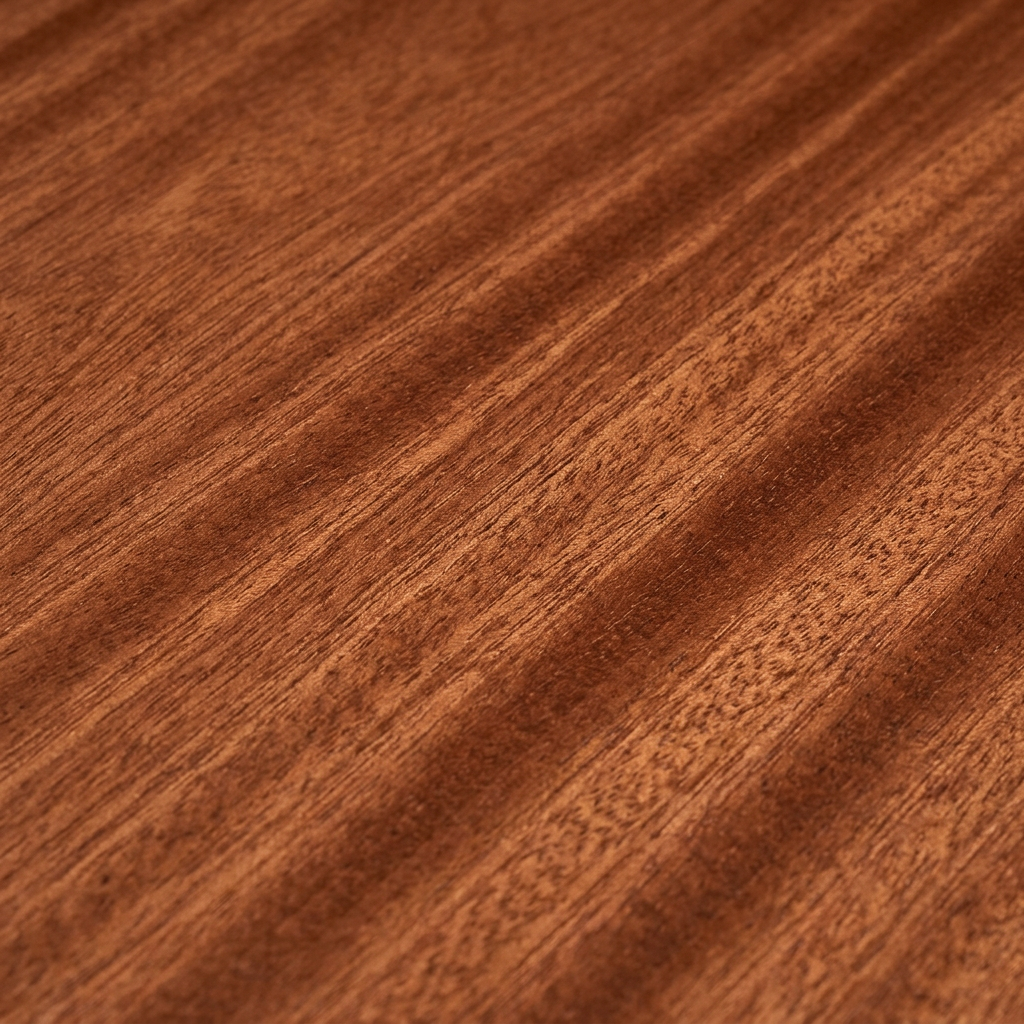 5
5Sapele
Entandrophragma cylindricum
A widely available mahogany substitute for necks and bodies with good stability.
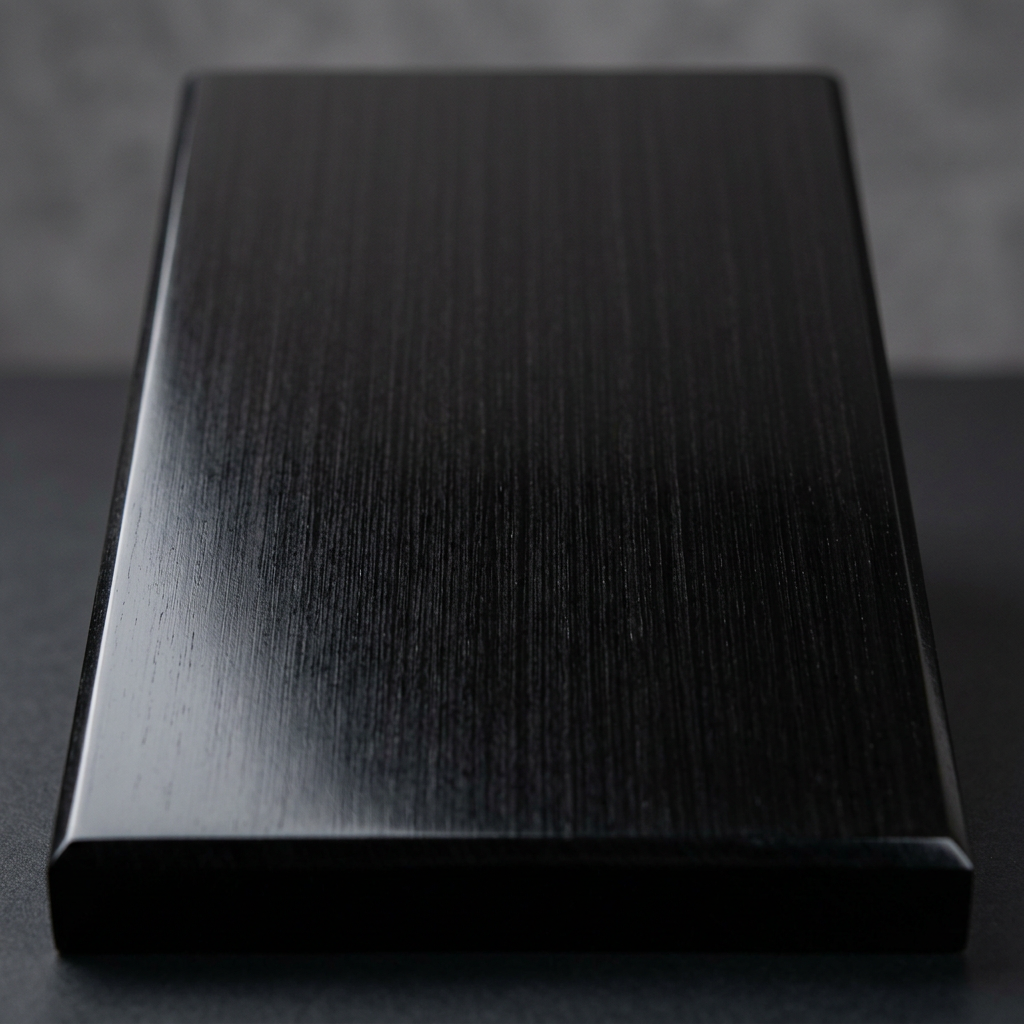 6
6Ebony
Diospyros ebenum
The premium fingerboard wood — extremely hard, smooth, and wear resistant. Check CITES status.
What to Look For
- Check CITES and IUCN status before buying any tropical tonewood, especially rosewoods and ebonies.
- Necks demand a high stability rating far more than any tonal quality.
- Elastic modulus relative to weight is what makes a great soundboard.
- Quartersawn stock is standard for tops and necks; figure is fine on backs and sides.
Frequently Asked Questions
What is the best tonewood for an acoustic guitar top?
Sitka spruce, for its unmatched stiffness-to-weight ratio. Other spruces and cedars offer different responses but similar mechanics.
Is rosewood legal to buy for guitars?
Many rosewoods are CITES-listed with restrictions that vary by species and by country. Buy only from suppliers who provide documentation.
What wood is best for a guitar neck?
Hard maple and mahogany-family woods like sapele — both are stable enough to hold a straight neck under string tension.
Need a more specific recommendation?
Describe your project and our AI Wood Finder will search all 137 species.