Best Wood for Knife Handles
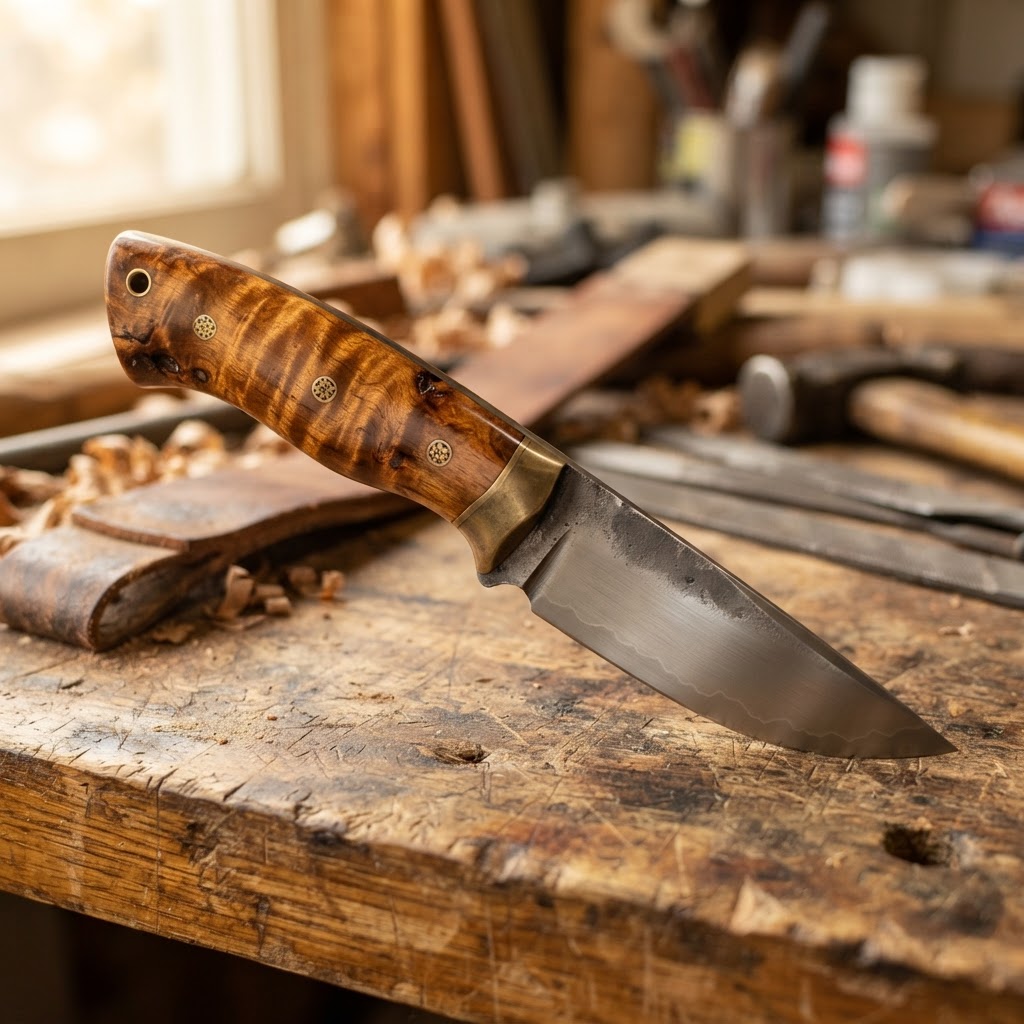
A knife handle is a small piece of wood asked to survive constant handling, moisture, and oils without swelling or loosening around the pins. Density and stability matter most; figure and color are what sell the knife.
Our Top 6 Picks
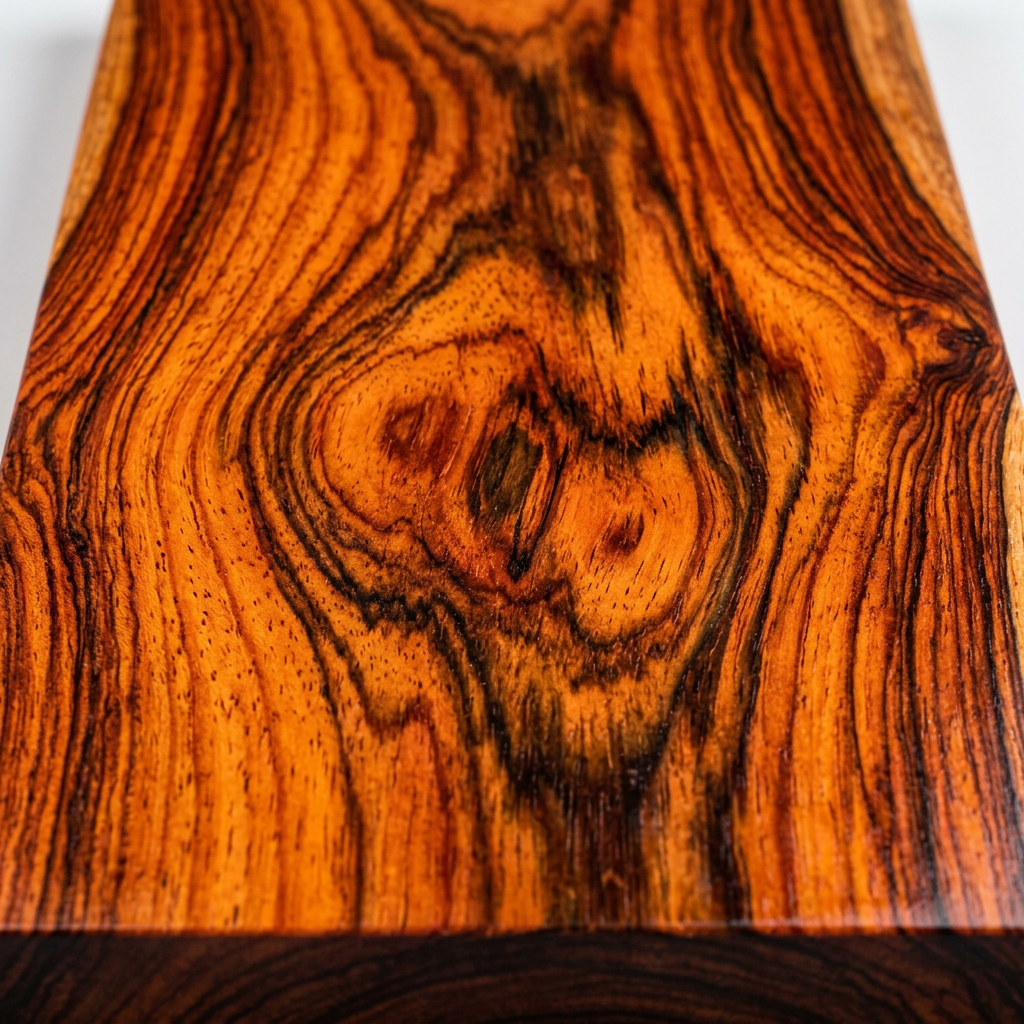 1
1Cocobolo
Dalbergia retusa
Dense, oily, and highly water resistant, with dramatic color. Sensitizing dust — wear protection.
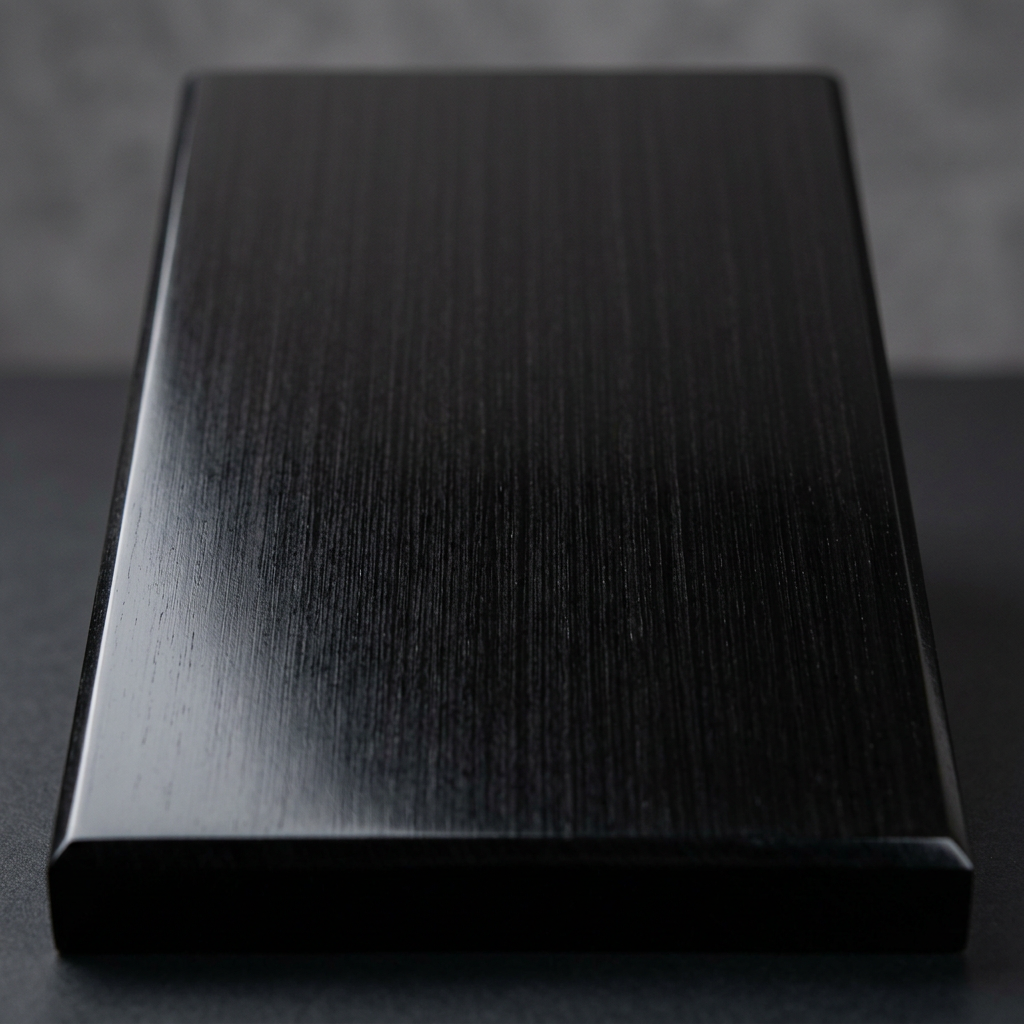 2
2Ebony
Diospyros ebenum
Extremely hard and stable, polishing to a glassy black surface with no finish needed.
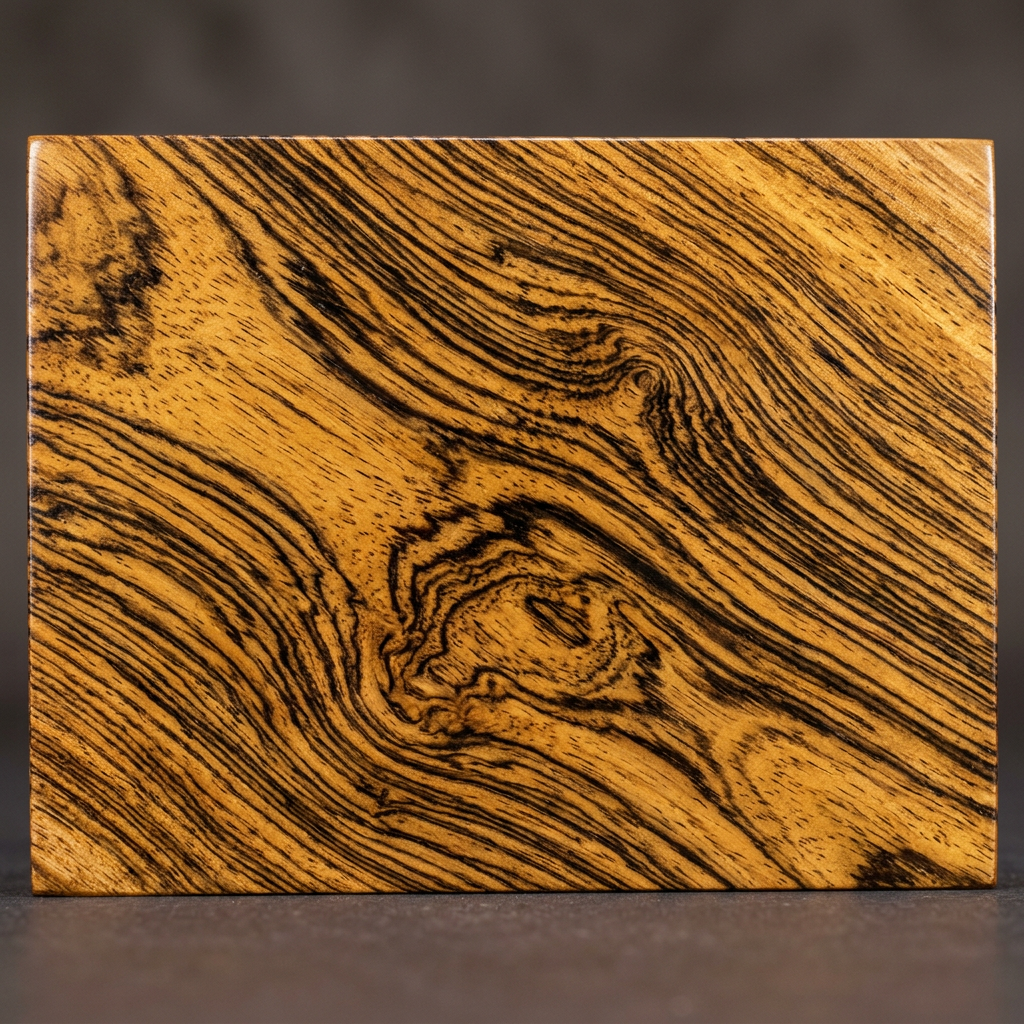 3
3Bocote
Cordia elaeagnoides
Bold striped figure with natural oils that resist moisture well.
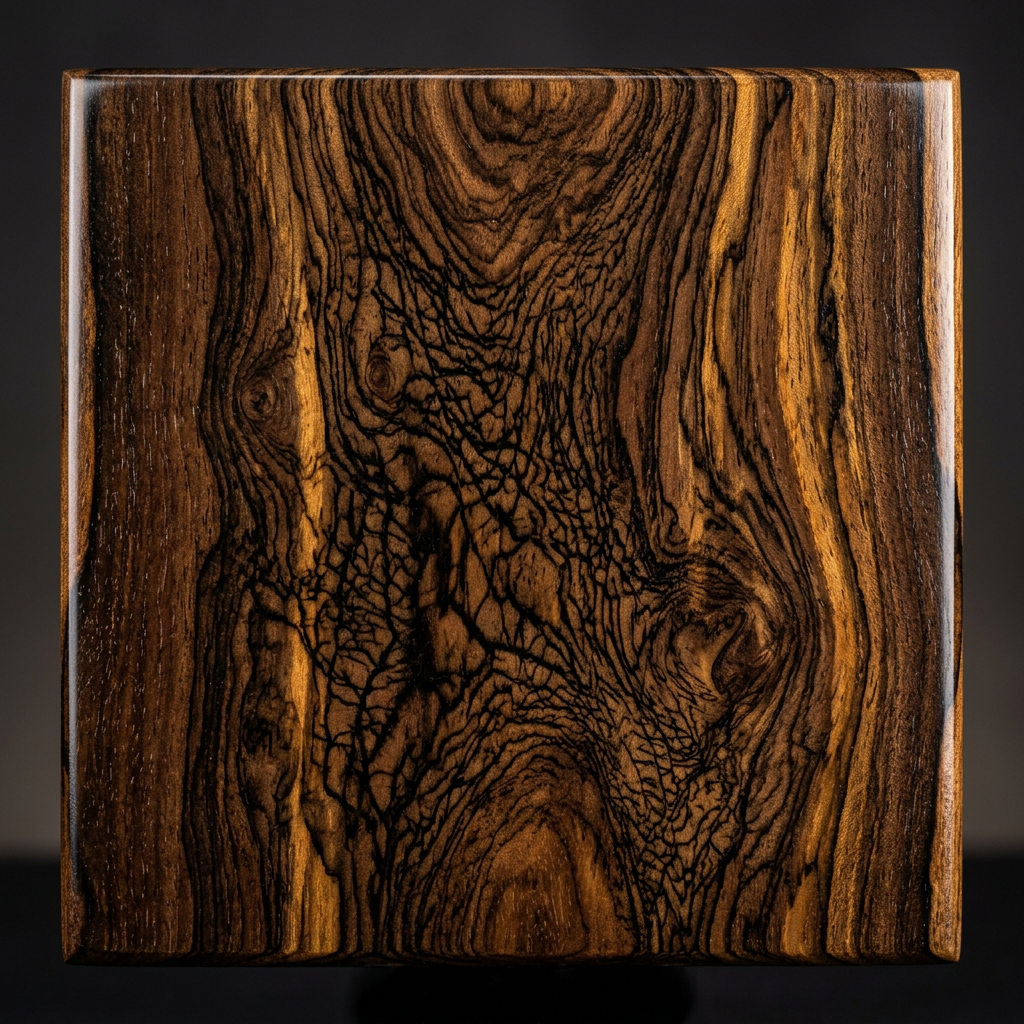 4
4Ziricote
Cordia dodecandra
Striking spiderweb grain and excellent density for premium scales.
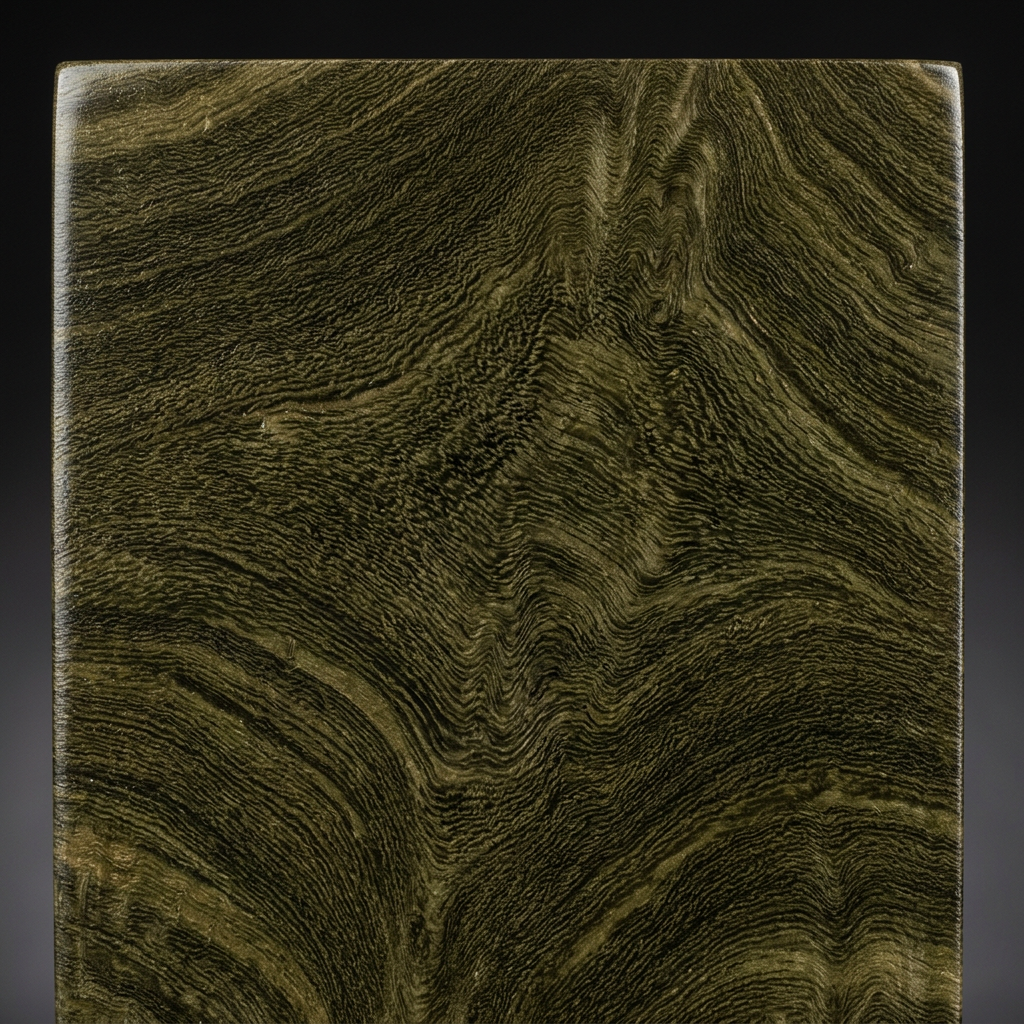 5
5Lignum Vitae
Guaiacum officinale
The densest and oiliest wood available — practically waterproof in service.
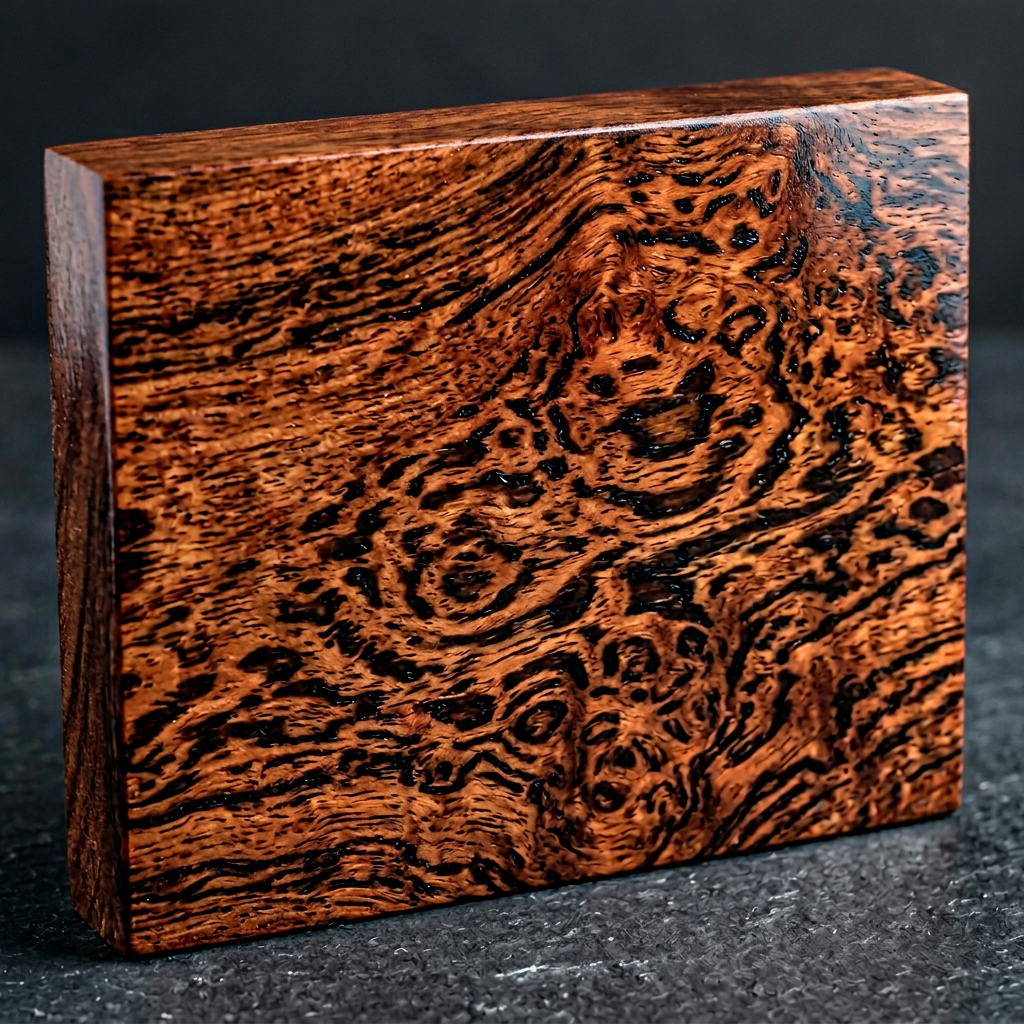 6
6Snakewood
Brosimum guianense
The most figured handle wood there is, though brittle and demanding to work.
What to Look For
- Very high density and natural oils give the best moisture resistance for kitchen knives.
- Many of these species have irritant or sensitizing dust — always use respiratory protection.
- Stabilized (resin-impregnated) blanks eliminate movement in any species.
- Check CITES status on the exotics; several are restricted.
Frequently Asked Questions
What is the most durable wood for a knife handle?
Lignum vitae and ebony are the most durable in service — extremely dense, hard, and naturally resistant to moisture.
Does a wooden knife handle need to be stabilized?
Naturally oily tropical species don't require it. Open-grained or lighter woods benefit substantially from resin stabilization.
Is walnut good for knife handles?
Yes for general-purpose and hunting knives — it's stable and comfortable, though softer and less moisture resistant than the tropicals.
Need a more specific recommendation?
Describe your project and our AI Wood Finder will search all 137 species.