Best Wood for Smoking Meat
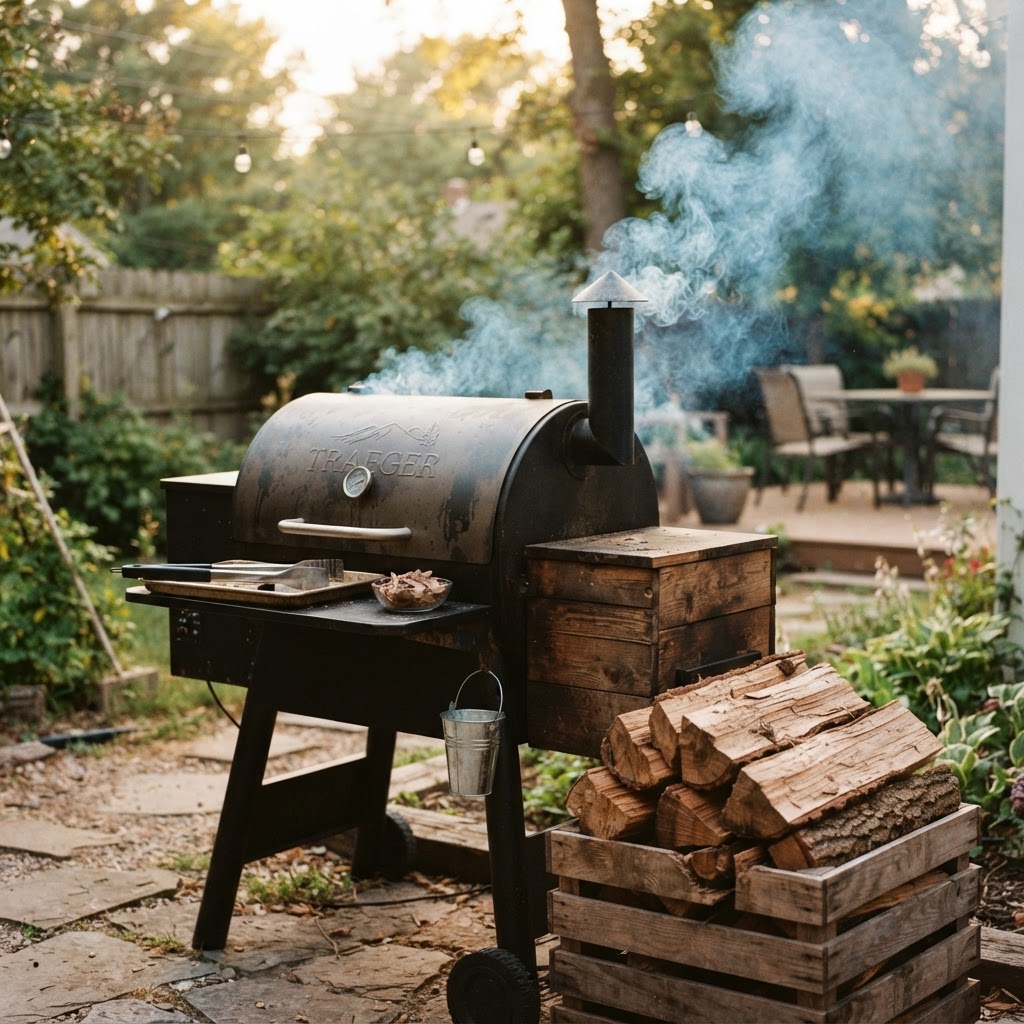
Smoking wood should be a dense, non-resinous hardwood, seasoned dry, and free of bark rot or mold. Softwoods and any species with heavy resins or natural toxins are unsafe or unpleasant to burn around food.
Our Top 6 Picks
 1
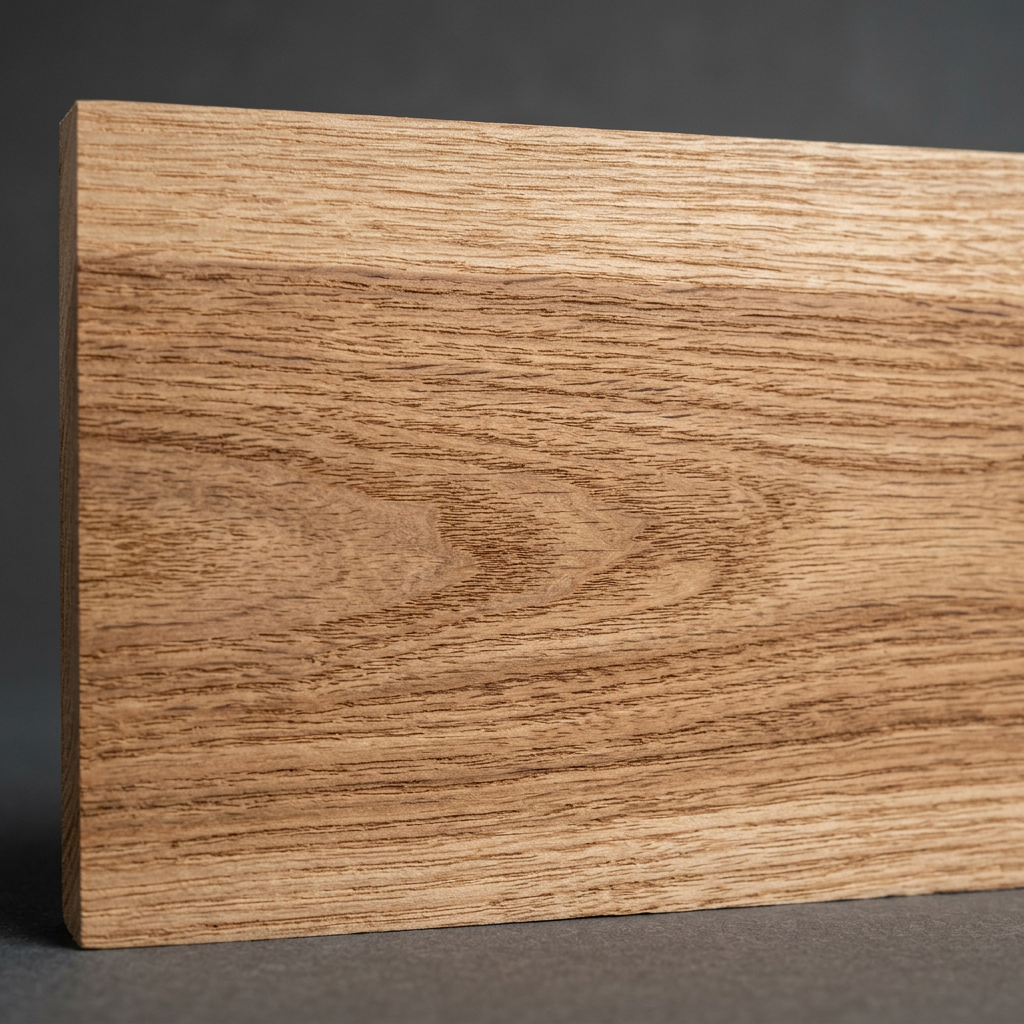
1Shagbark Hickory
Carya ovata
The classic American barbecue wood — strong, bacon-like smoke that suits pork and beef.
 2
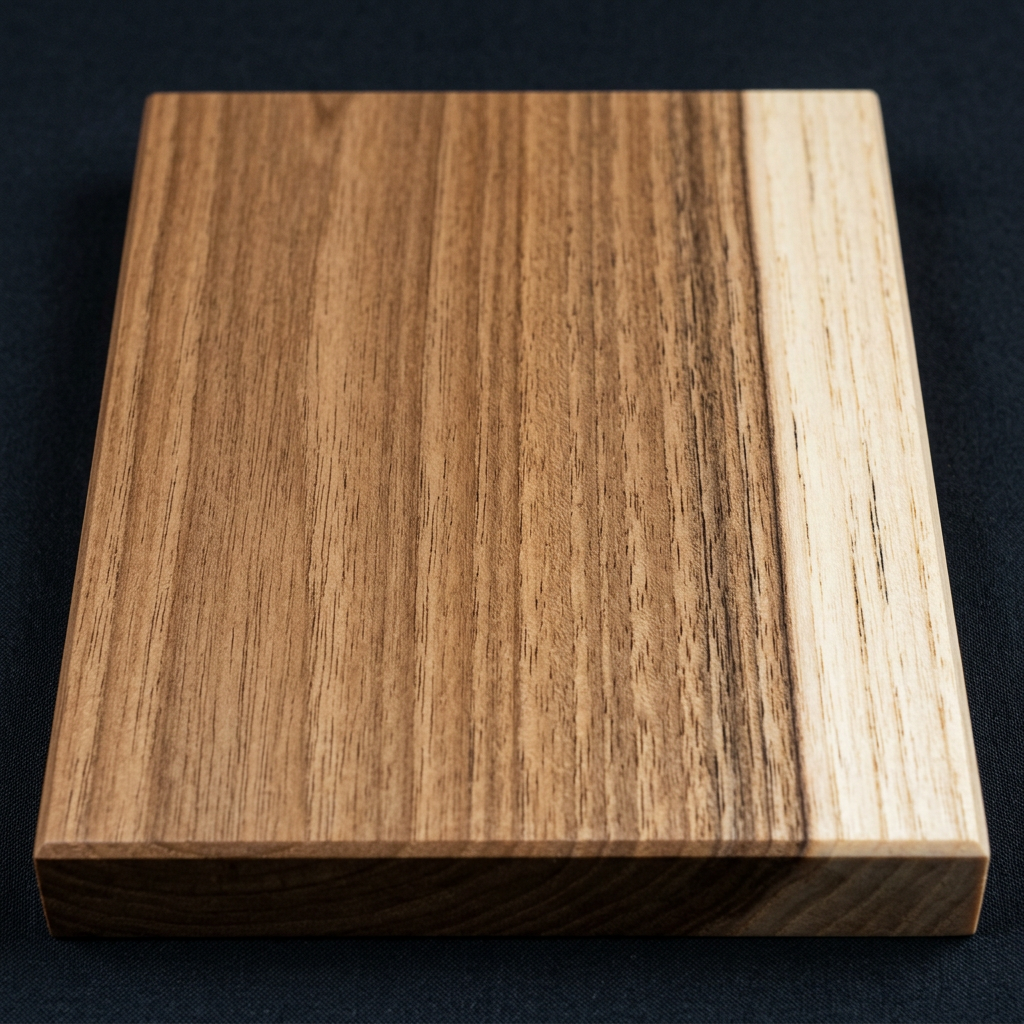
2Mockernut Hickory
Carya tomentosa
Very high heat output with the same bold hickory flavor profile.
 3
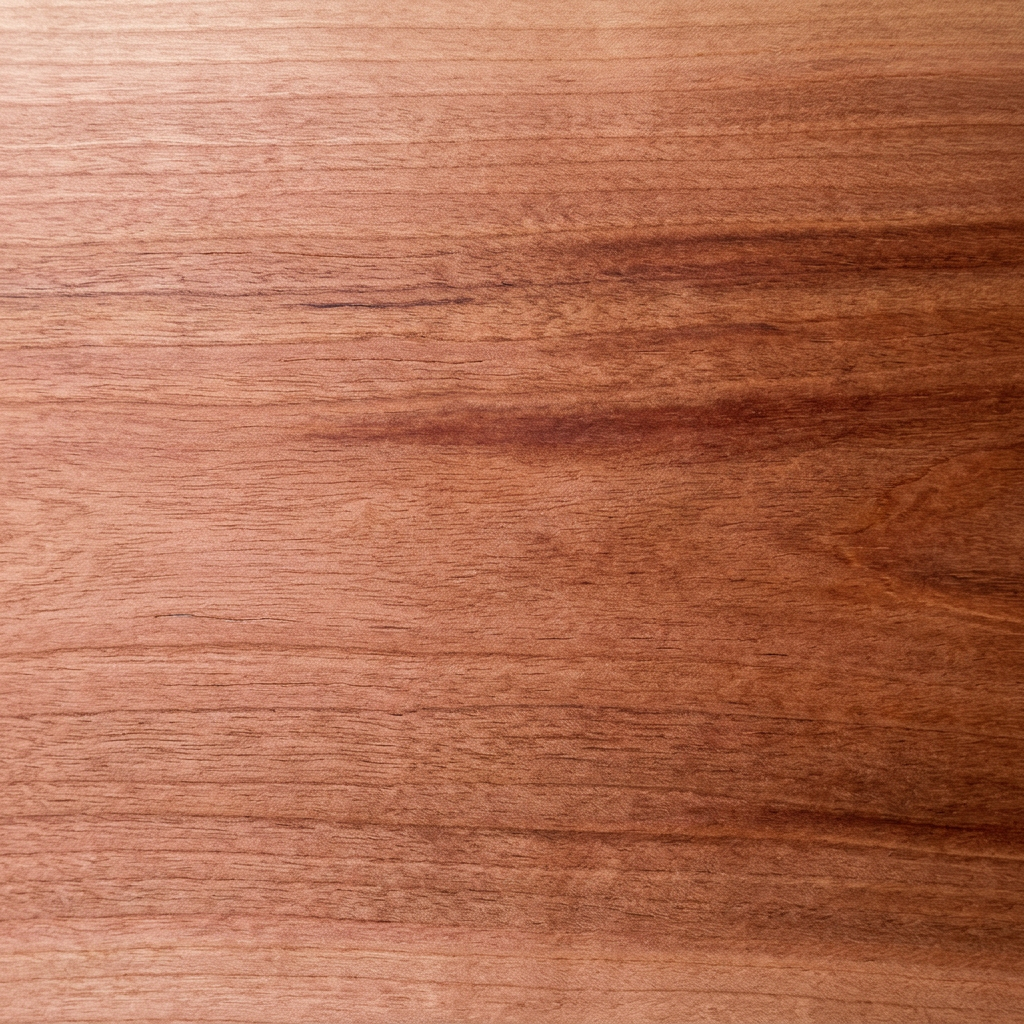
3Cherry
Prunus serotina
Mild, slightly sweet smoke that gives poultry and pork a beautiful mahogany color.
 4
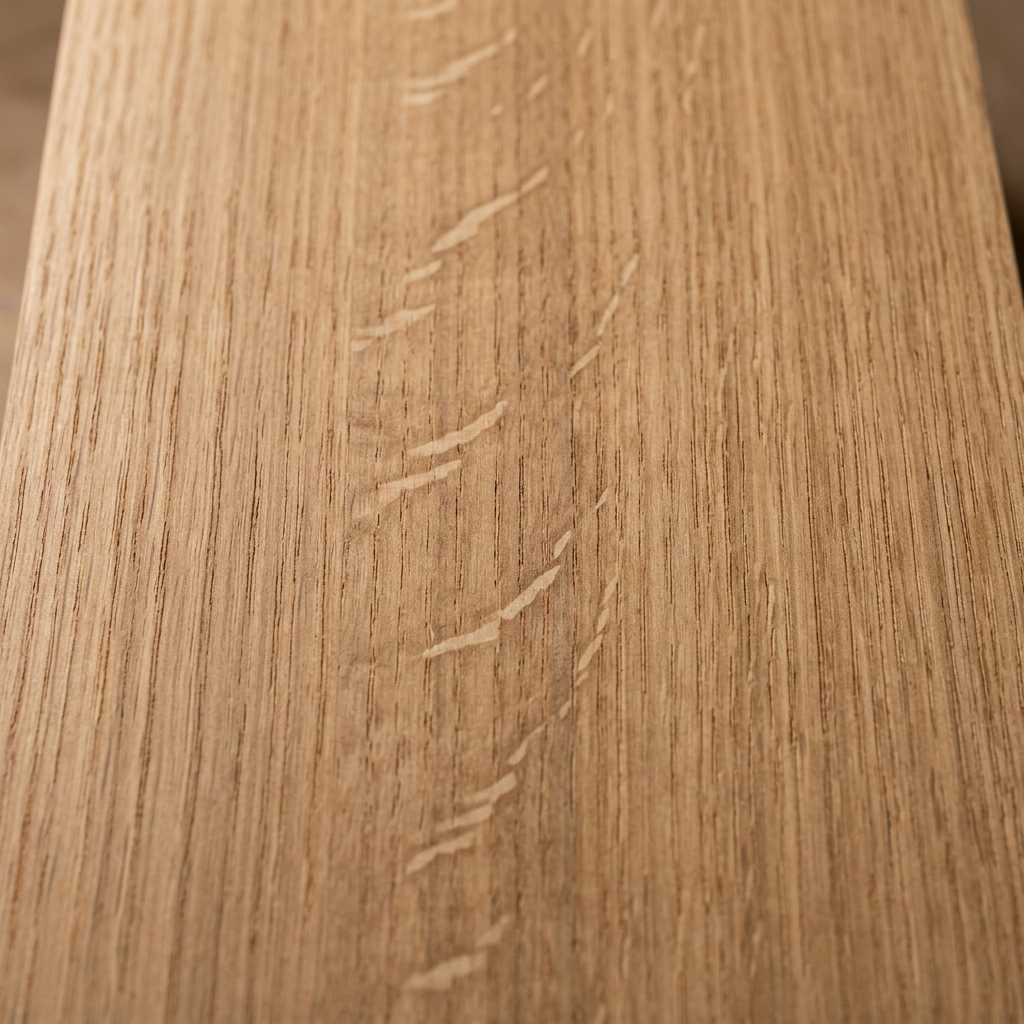
4White Oak
Quercus alba
The Texas standard for brisket — clean medium smoke that burns long and steady.
 5
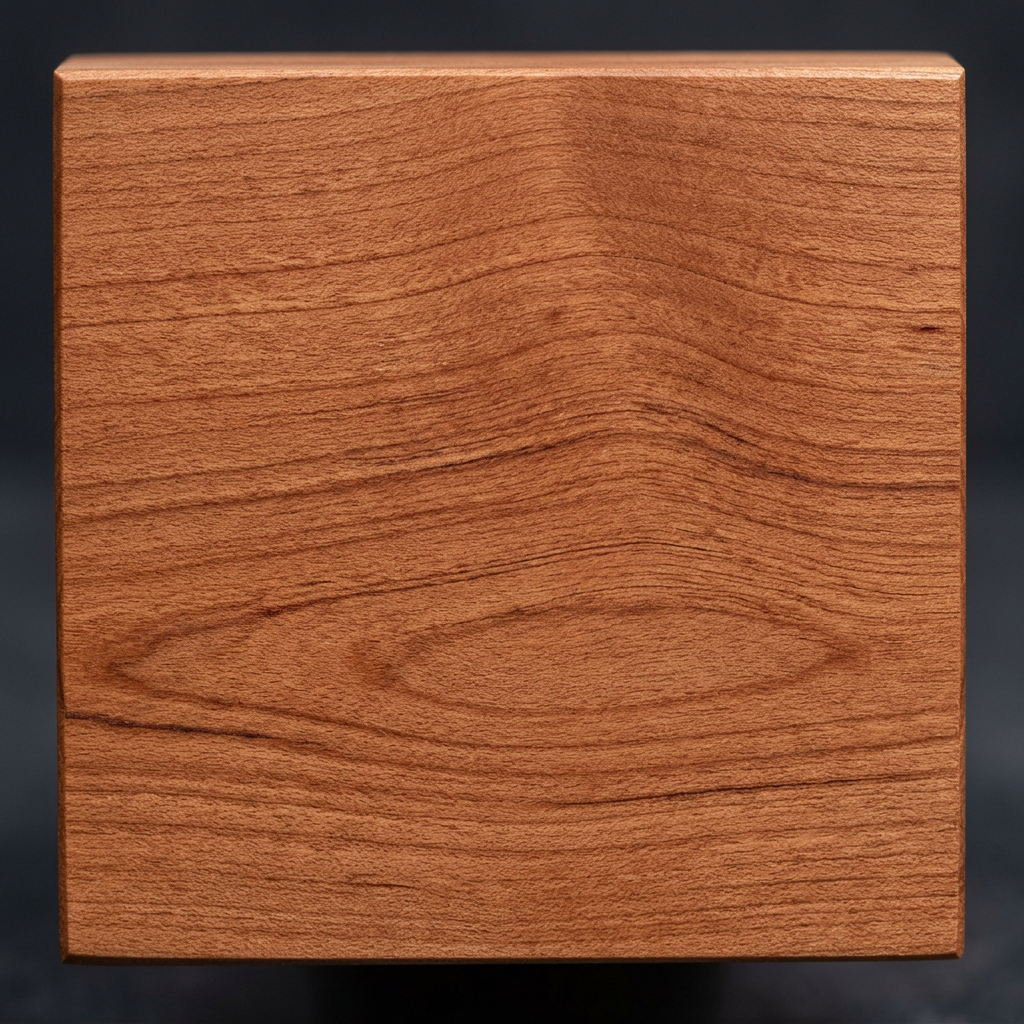
5Sweet Birch
Betula lenta
Mild and maple-like, good for lighter meats and fish.
 6
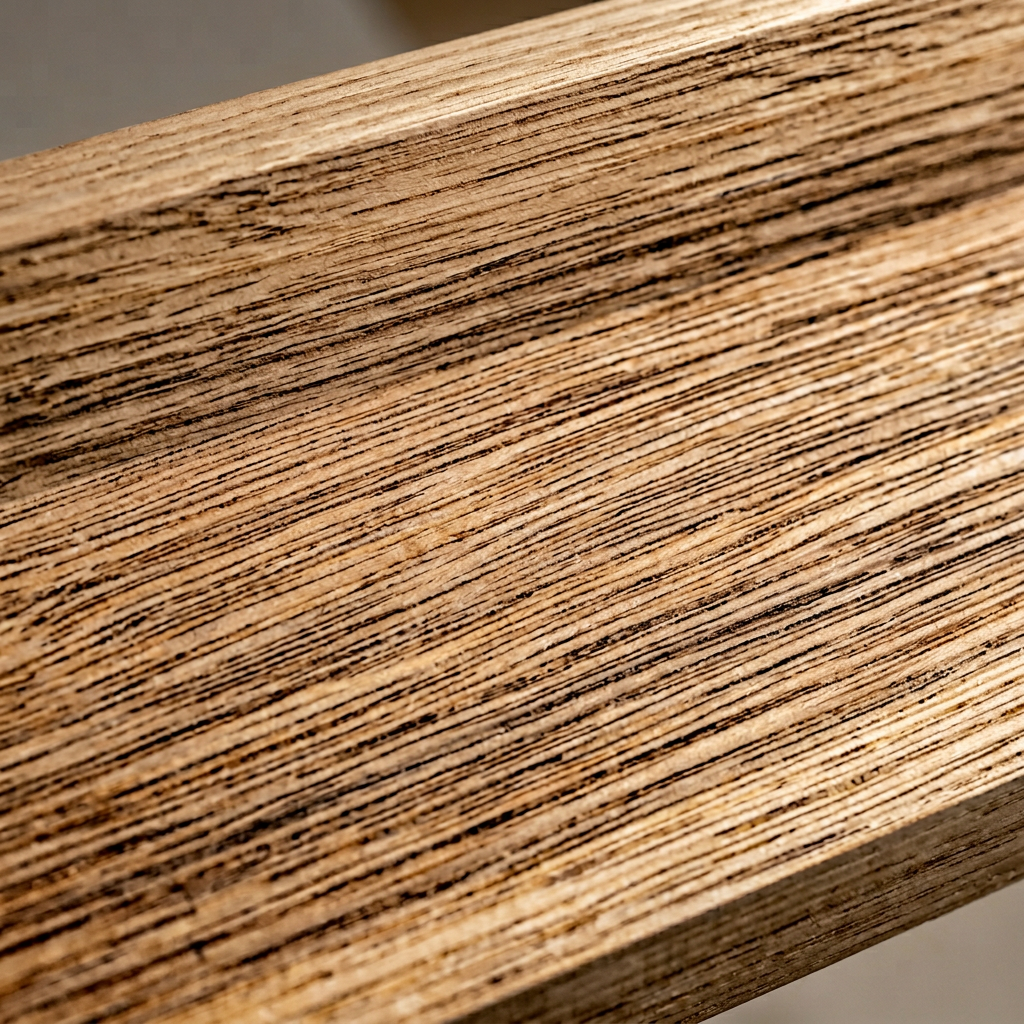
6Pignut Hickory
Carya glabra
A dense hickory that produces long-burning coals for extended cooks.
What to Look For
- Never smoke with softwoods — pine, fir, spruce, and cedar all carry resins that taint food and coat the smoker.
- Season wood 6–12 months; green wood produces acrid, dirty smoke.
- Avoid any species with known toxic extractives, and never burn treated or painted lumber.
- Match intensity to the meat: hickory and oak for beef and pork, fruit and birch for poultry and fish.
Frequently Asked Questions
What is the best all-around wood for smoking?
Oak. It burns clean and long with a medium smoke flavor that works with nearly every meat.
Can you smoke with pine or cedar?
No. Softwood resins produce sooty smoke and off flavors, and cedar planks used for grilling are a different technique from burning cedar as fuel.
Should smoking wood be soaked first?
Soaking mostly just delays ignition and produces steam. Dry, well-seasoned wood gives cleaner smoke.
Need a more specific recommendation?
Describe your project and our AI Wood Finder will search all 137 species.