Best Wood for Cabinets
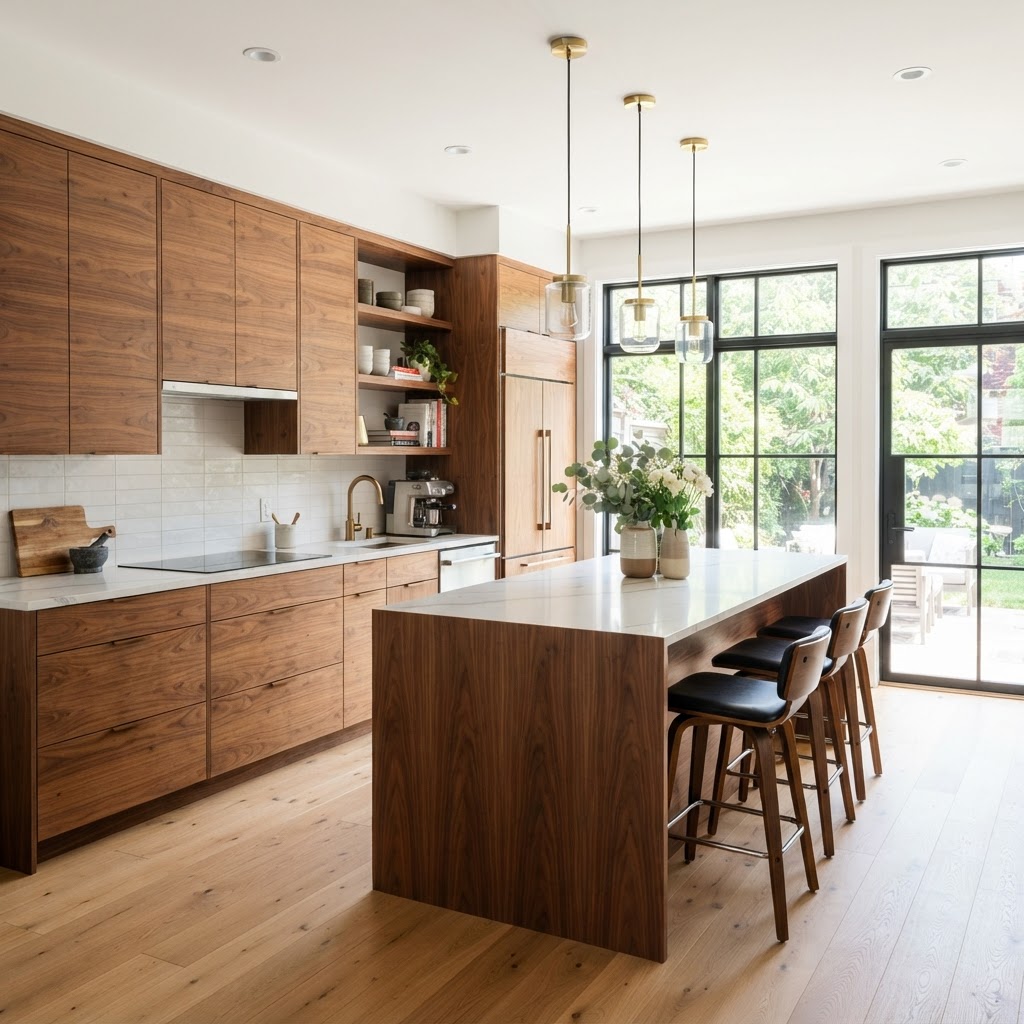
Cabinet wood shows up in two roles: visible doors and face frames, and painted or hidden structure. Doors need stability so panels and rails stay flat and joints stay tight; painted work just needs to be stable, cheap, and free of grain that telegraphs through paint.
Our Top 6 Picks
 1
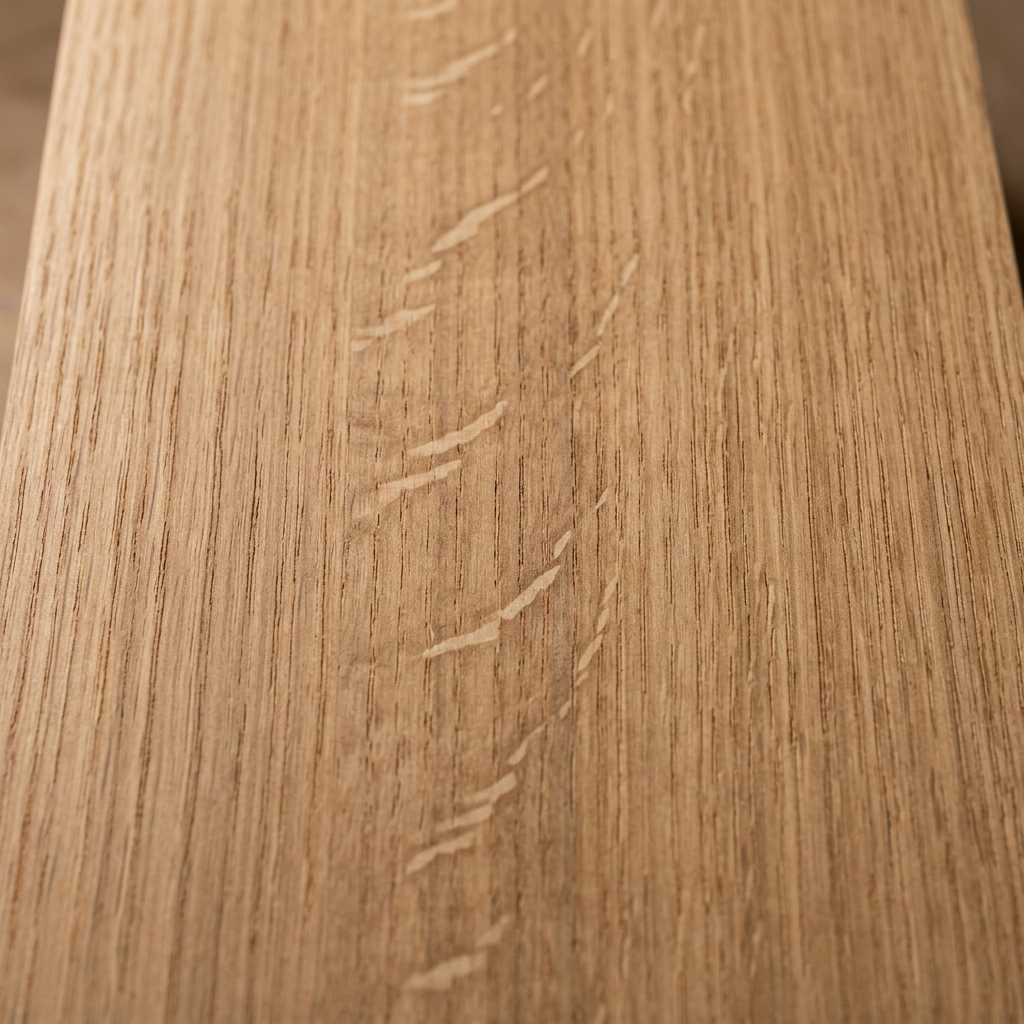
1White Oak
Quercus alba
The current favorite for stained cabinetry — very stable, hard, and its rift-sawn grain is right on trend.
 2
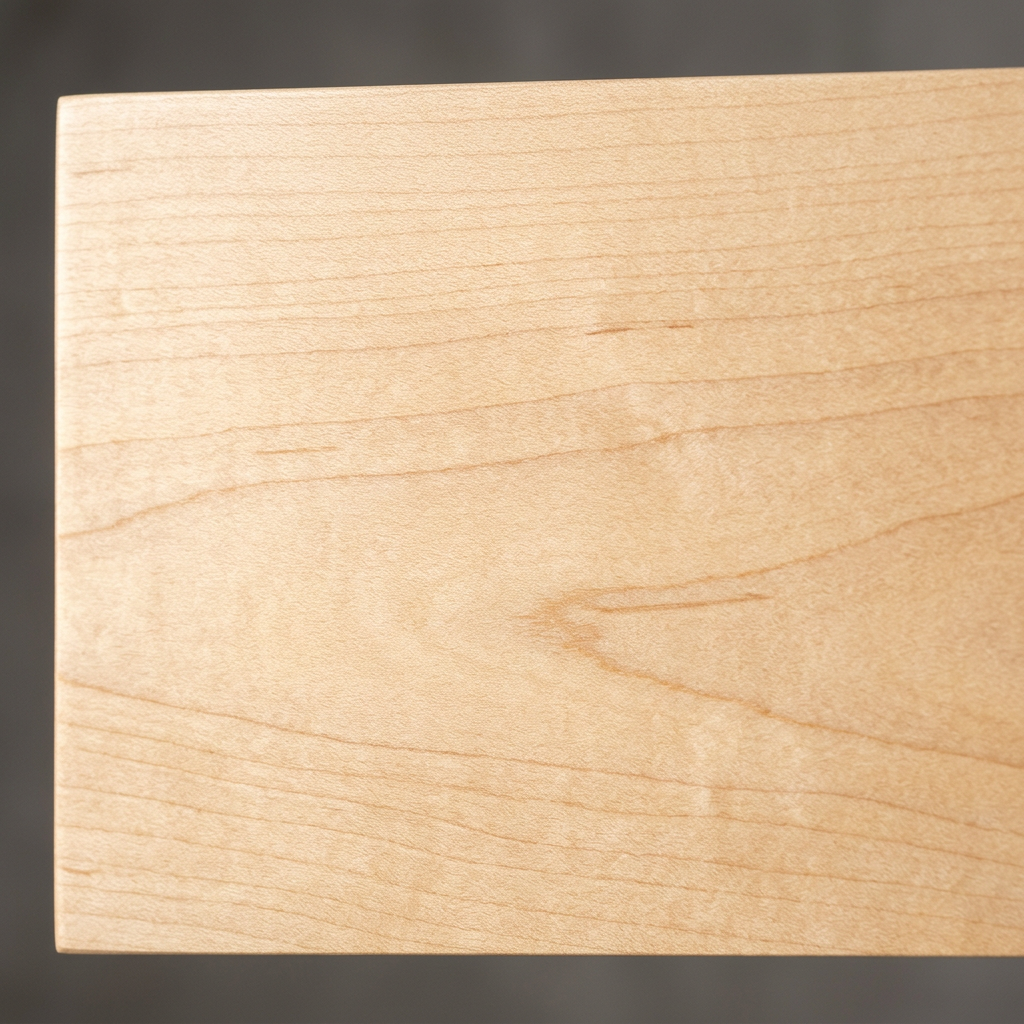
2Hard Maple
Acer saccharum
Dense, smooth, and nearly grainless once finished — the standard for both clear and painted cabinets.
 3
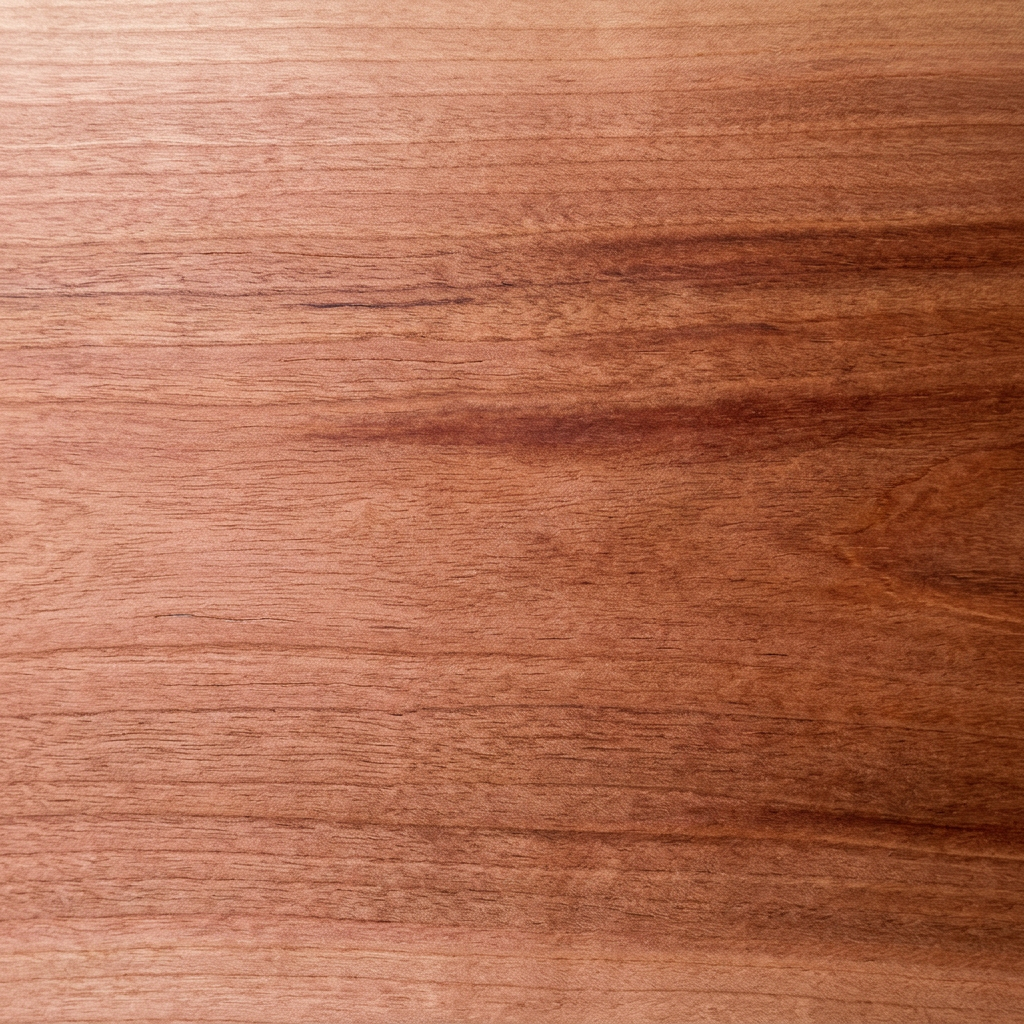
3Cherry
Prunus serotina
Premium warm cabinetry that machines beautifully; darkens noticeably with age and light.
 4
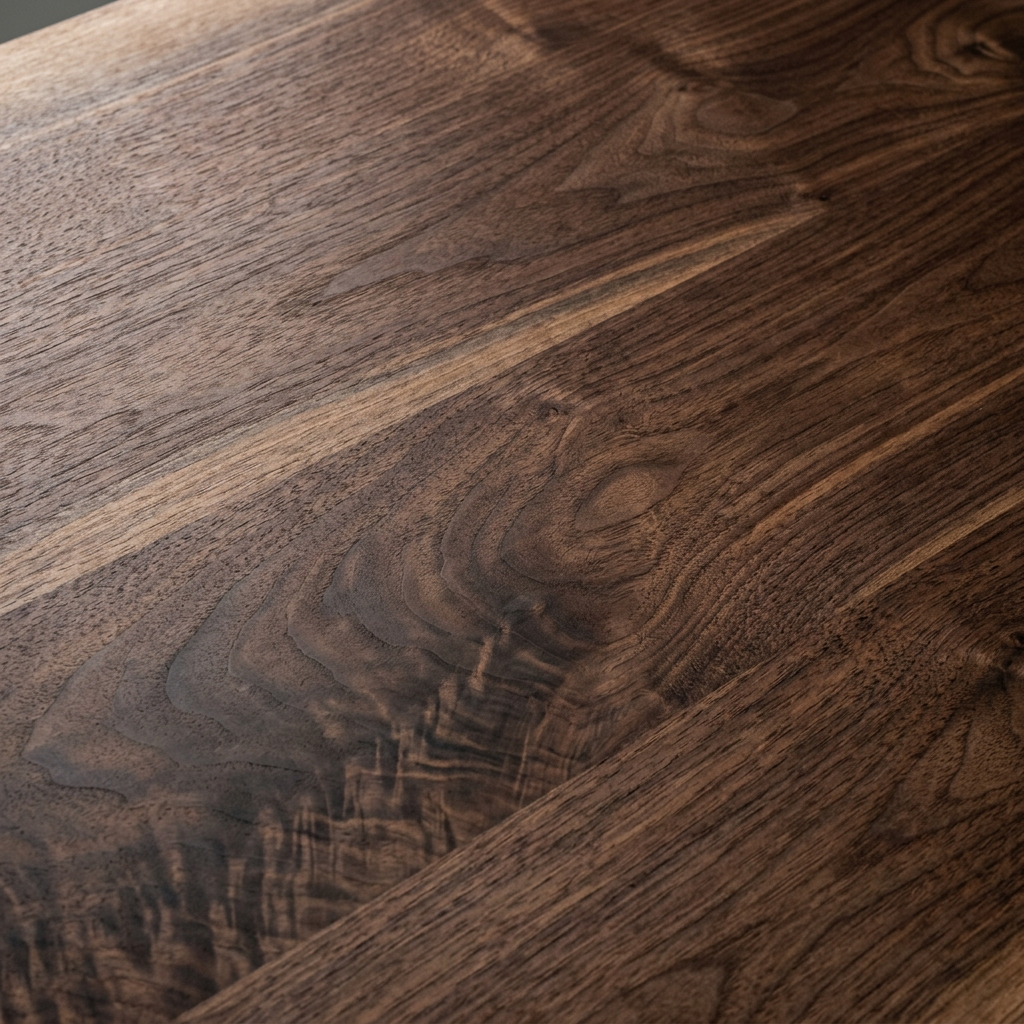
4Black Walnut
Juglans nigra
High-end dark cabinetry with no stain needed and excellent stability.
 5
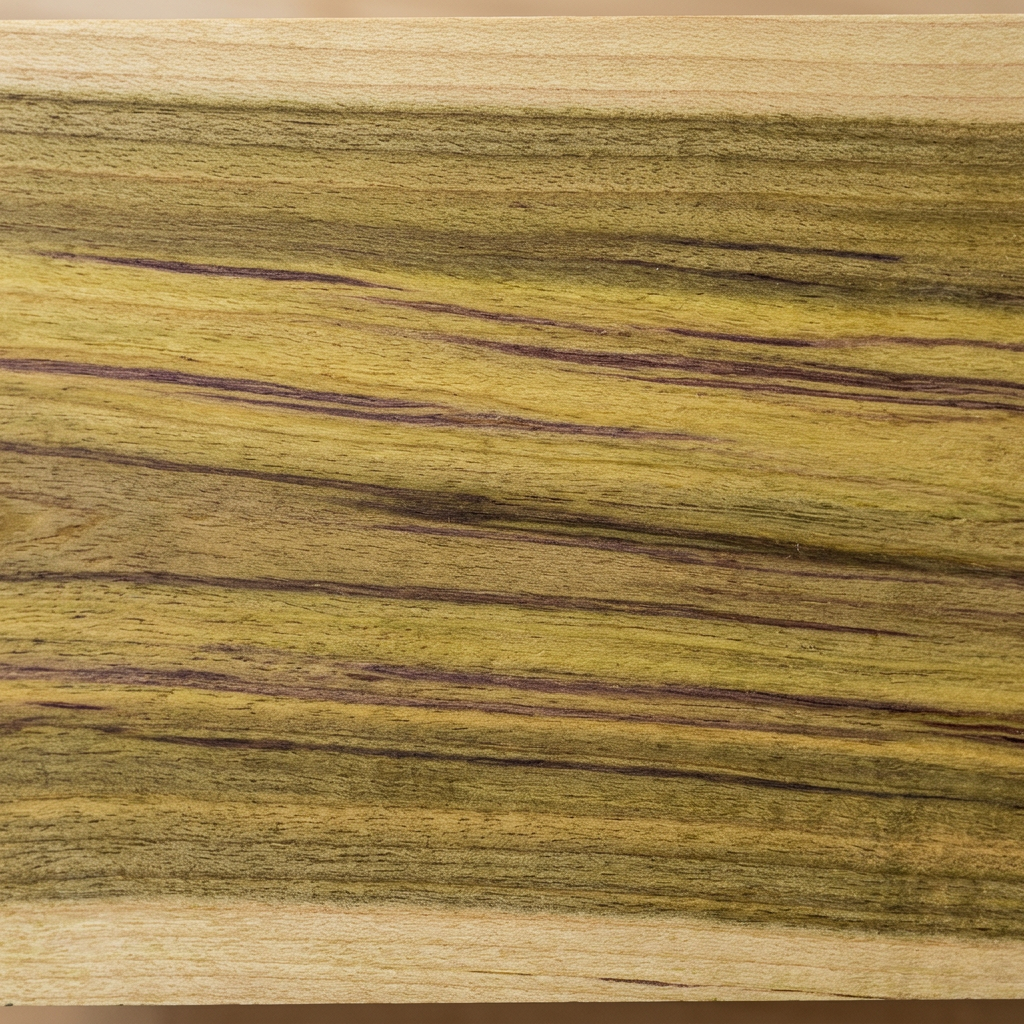
5Yellow Poplar
Liriodendron tulipifera
The best painted-cabinet wood: cheap, stable, and its mild grain doesn't telegraph.
 6
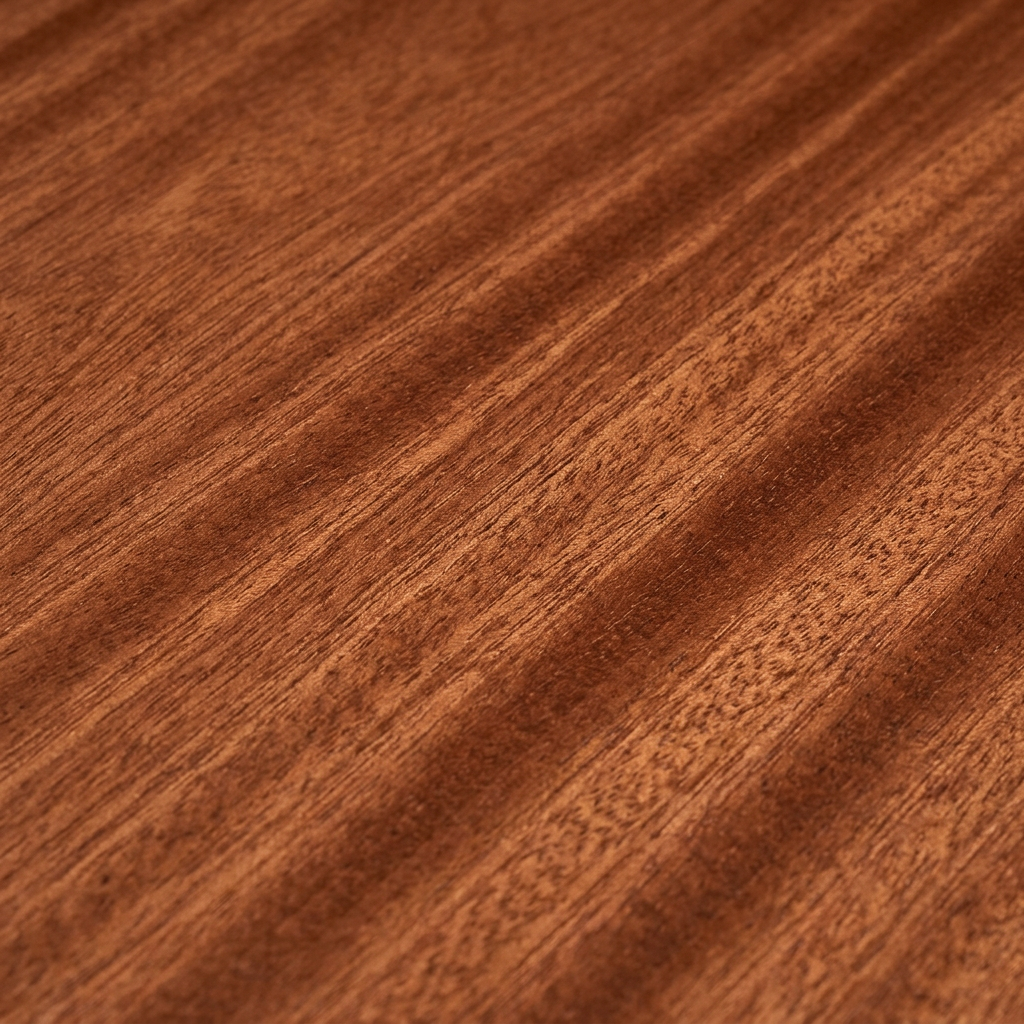
6Sapele
Entandrophragma cylindricum
A stable mahogany-style option with a fine ribbon figure for bathroom and library casework.
What to Look For
- High stability keeps door panels from shrinking out of their grooves in winter.
- For paint, choose fine-textured species — oak's open pores show through every coat.
- Species with blotchy figure (maple, cherry) need a conditioner or dye rather than pigment stain.
- Match interior plywood species to the face wood if the cabinet interiors will be visible.
Frequently Asked Questions
What is the best wood for painted cabinets?
Yellow poplar and maple. Both are fine-textured and stable, so the paint film stays smooth and no grain shows through.
Is oak good for kitchen cabinets?
Yes — white oak especially. It's hard, very stable, and rift-sawn white oak is one of the most popular looks in current kitchen design.
What wood is best for bathroom vanities?
Choose stable, moisture-tolerant species like white oak, sapele, or teak, and finish all surfaces including the undersides.
Need a more specific recommendation?
Describe your project and our AI Wood Finder will search all 137 species.