Best Wood for Woodturning
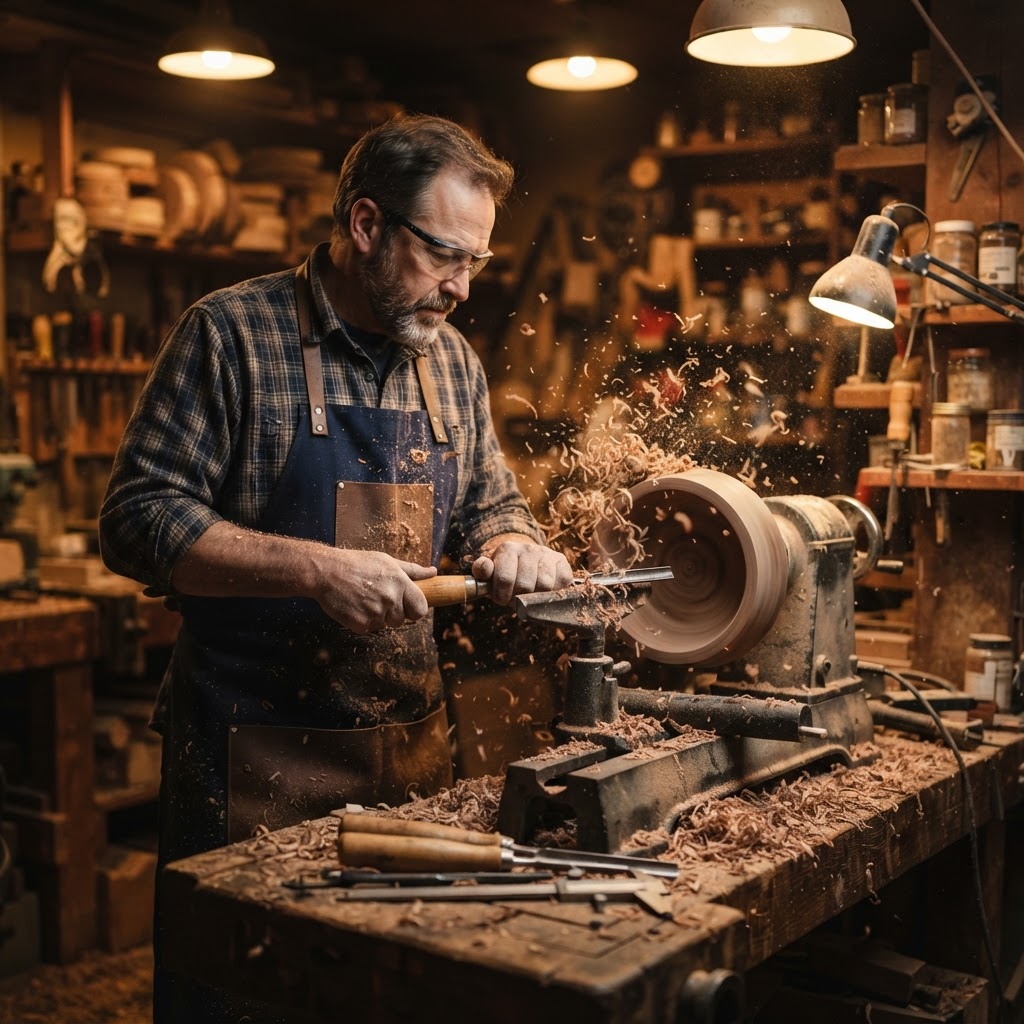
Turning is the one discipline where wild figure is an asset rather than a problem — you're cutting end grain and side grain in the same pass anyway. What you want is a species that shears cleanly off the tool, sands without fuzzing, and doesn't crack itself apart as it dries.
Our Top 6 Picks
 1
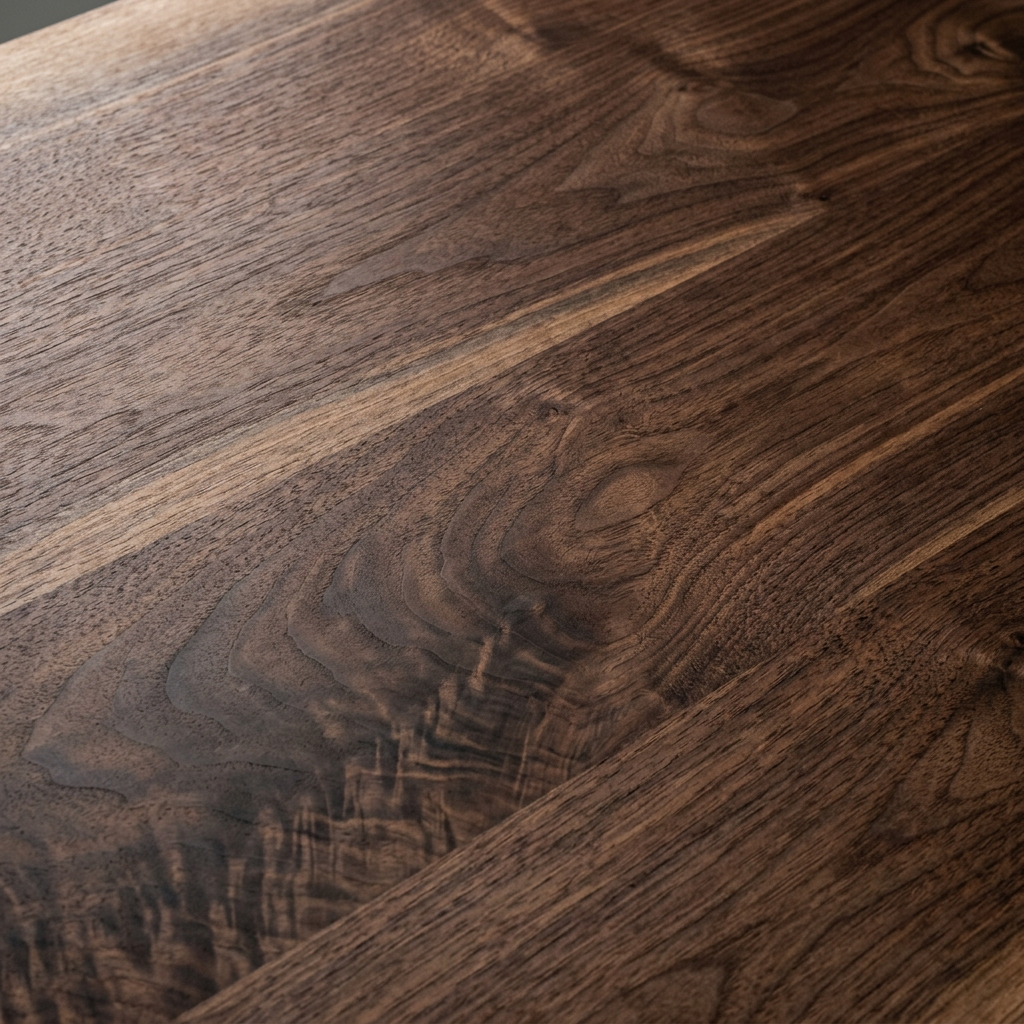
1Black Walnut
Juglans nigra
The ideal all-purpose turning wood — cuts cleanly, sands easily, and looks superb with just oil.
 2
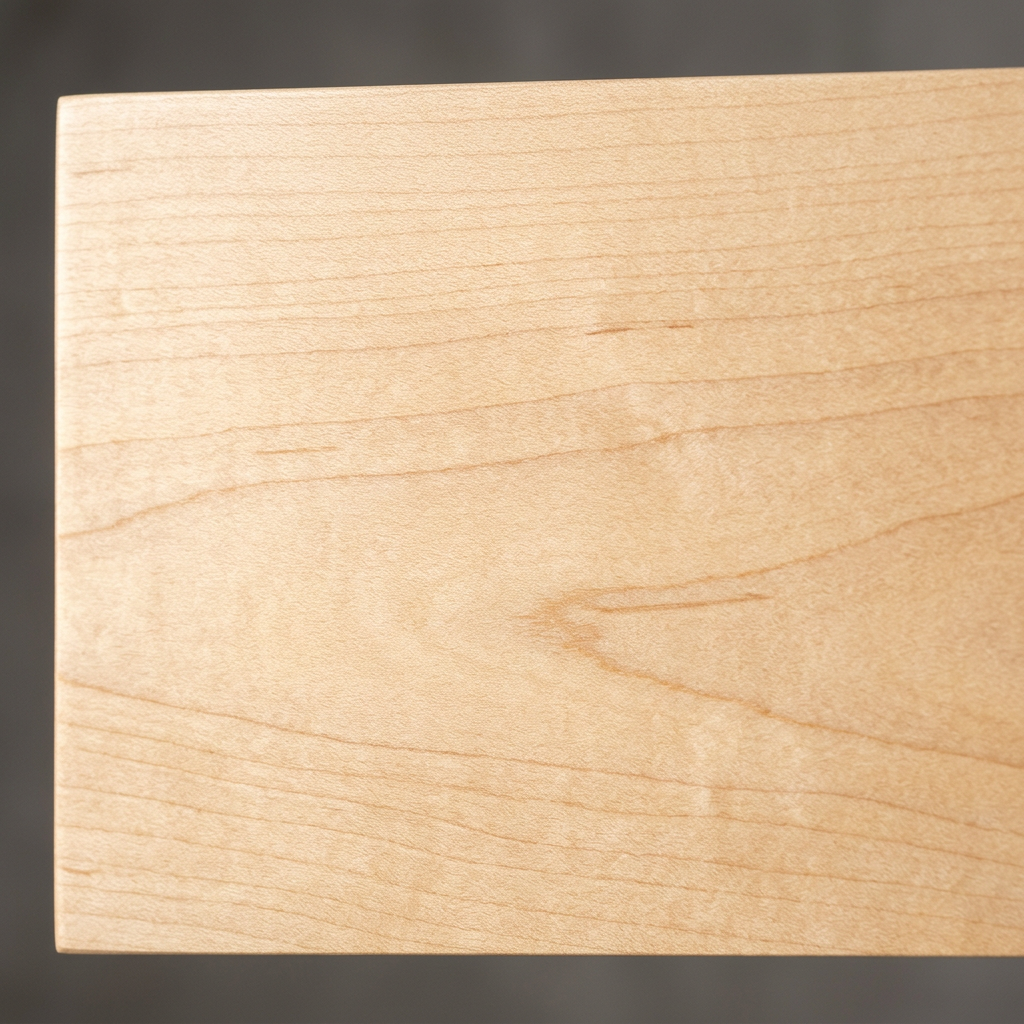
2Hard Maple
Acer saccharum
Dense and fine-textured for crisp detail, and the source of most spectacular figure.
 3
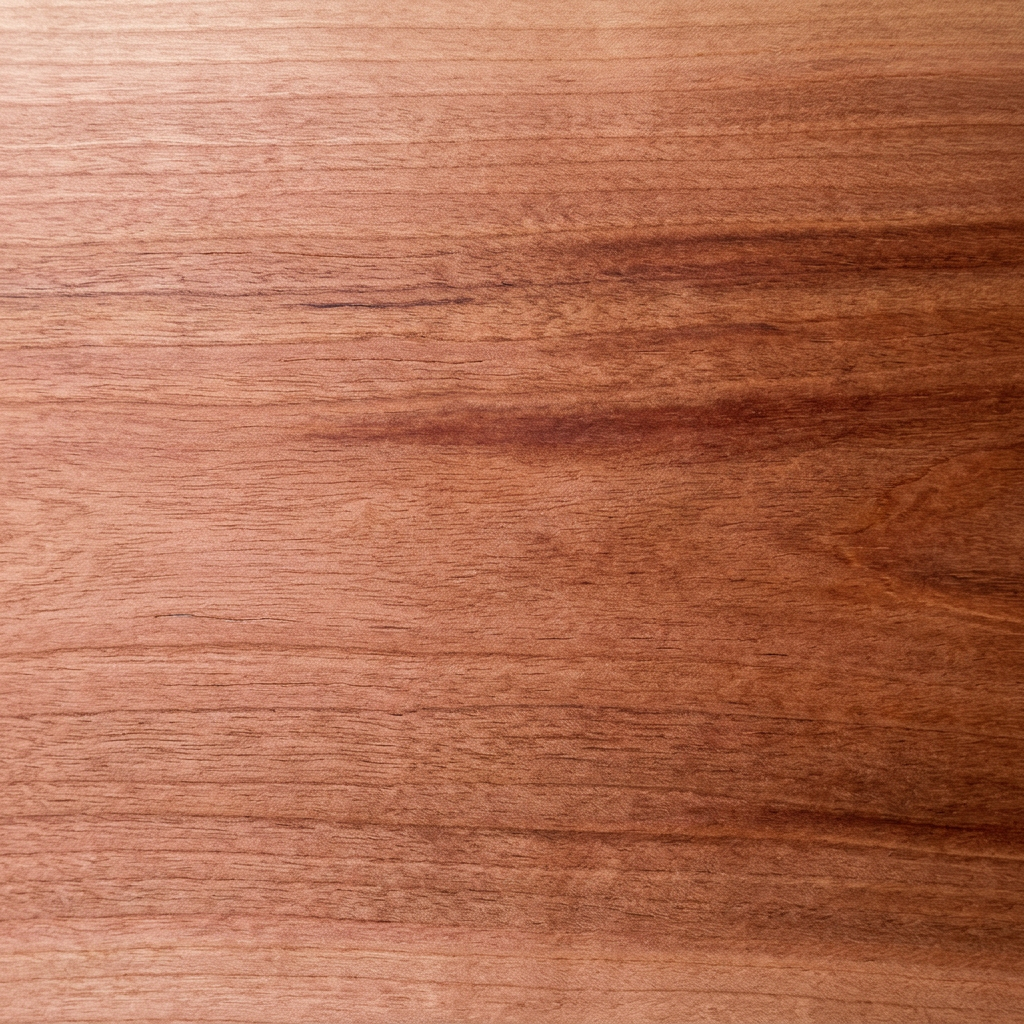
3Cherry
Prunus serotina
Turns and finishes beautifully with very predictable behavior on the tool.
 4
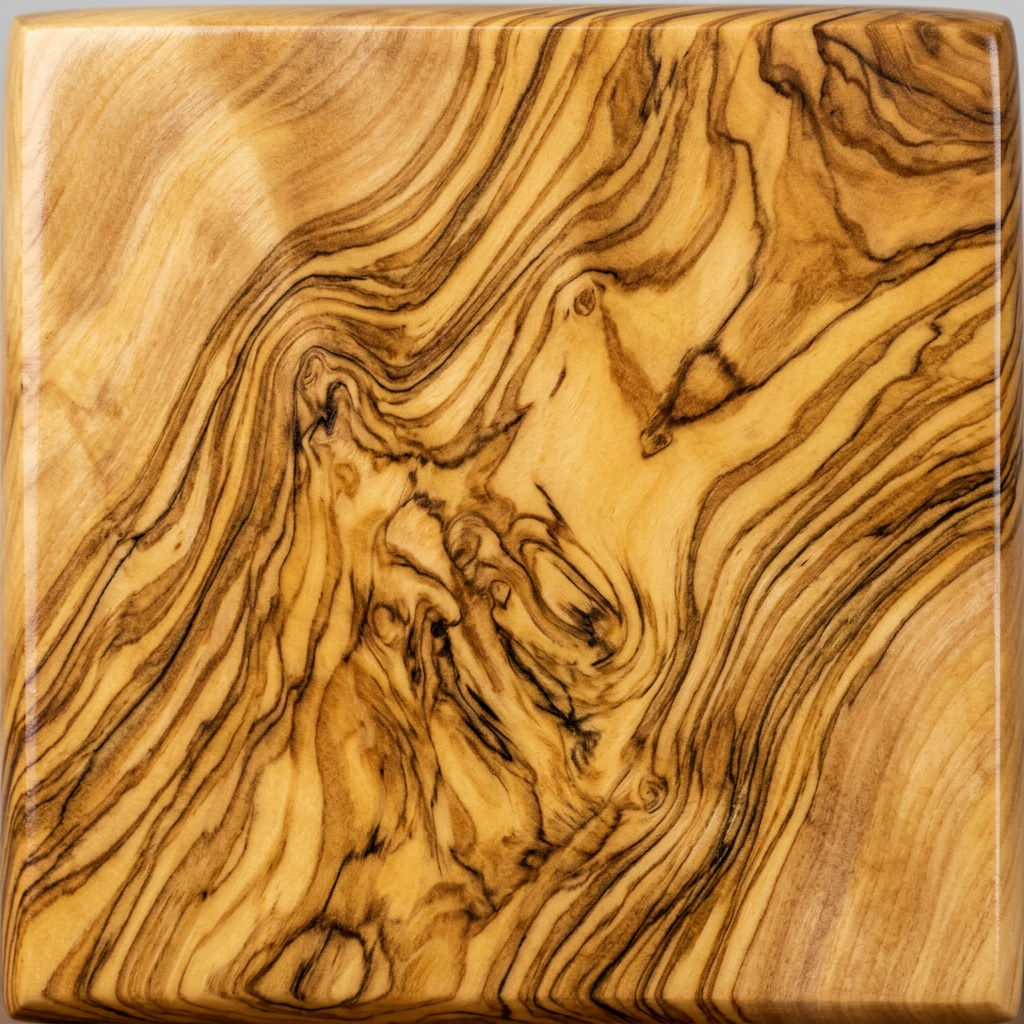
4Olivewood
Olea europaea
Wild grain and fine texture that burnishes to a glassy surface right on the lathe.
 5
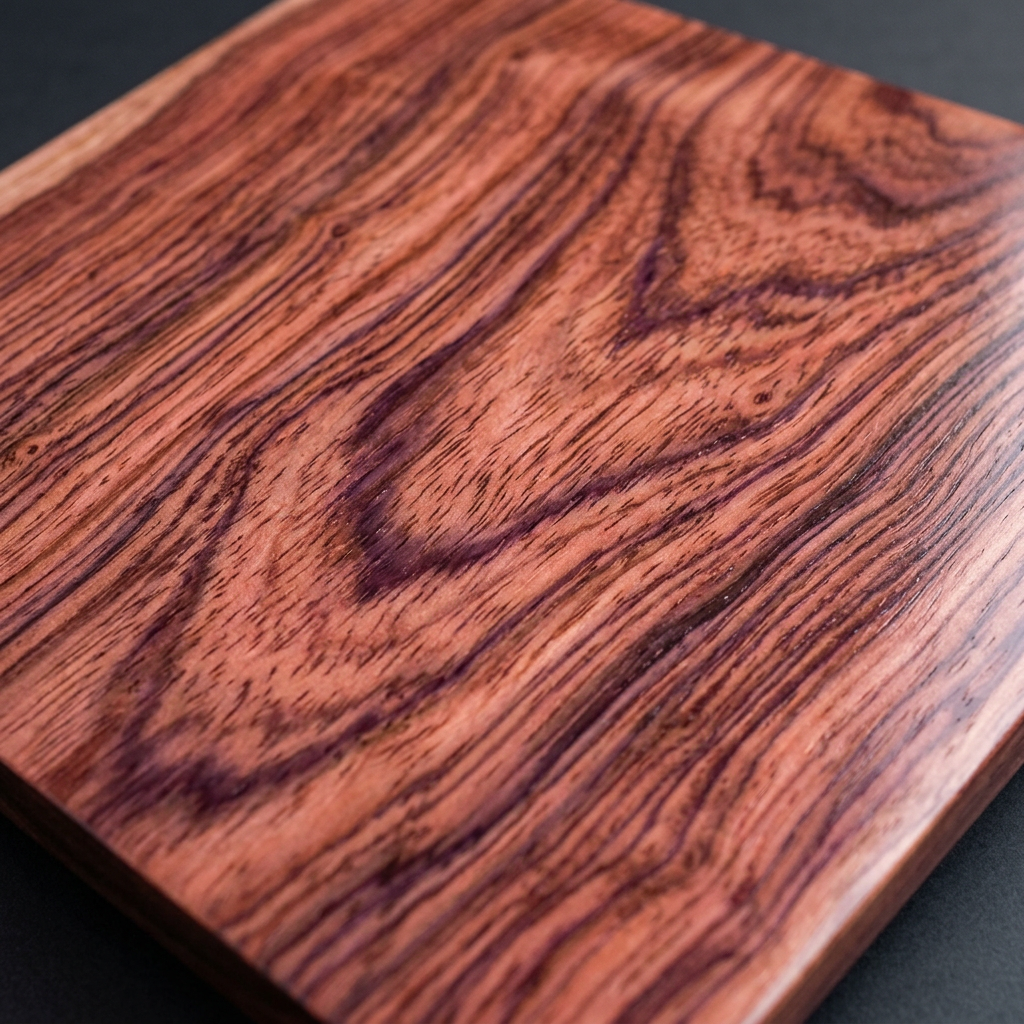
5Bubinga
Guibourtia demeusei
Dense with dramatic figure — excellent for large bowls and hollow forms.
 6
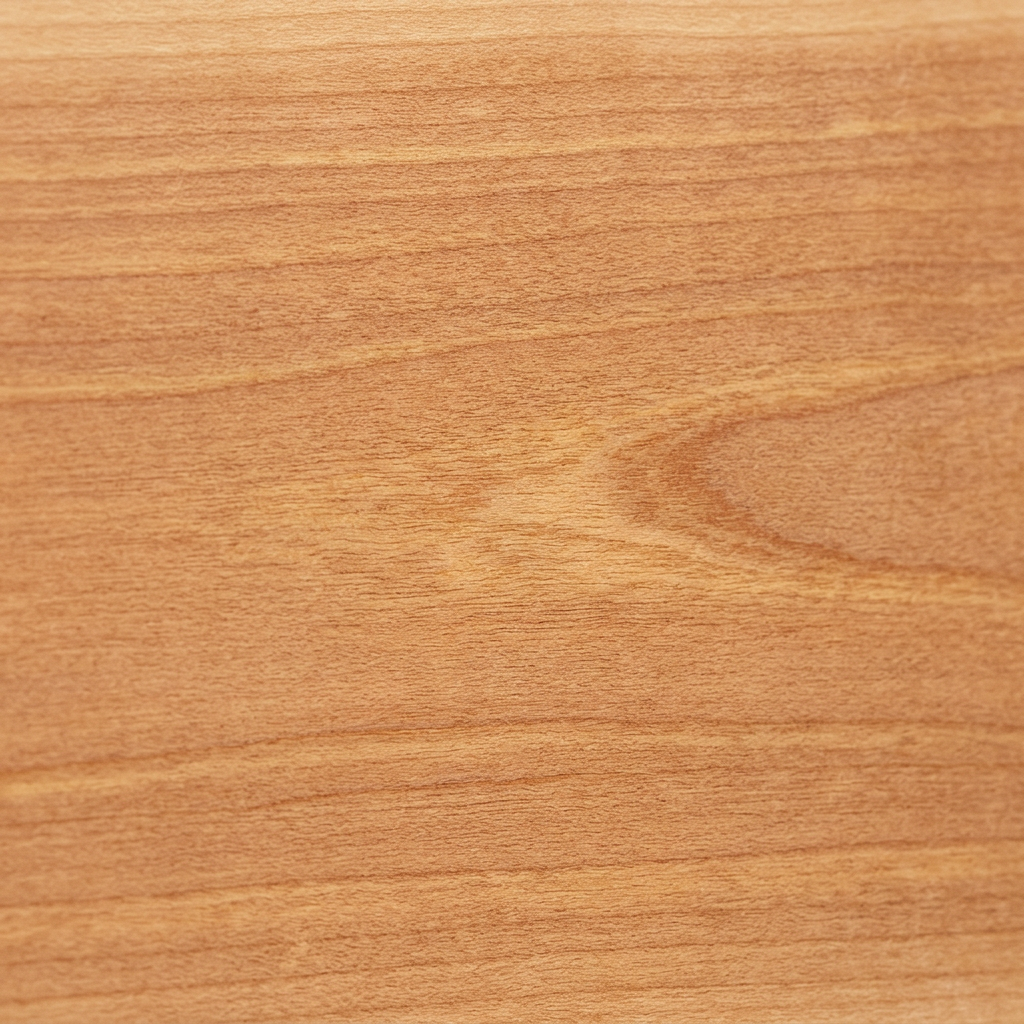
6Yellow Birch
Betula alleghaniensis
Affordable, fine-textured, and readily available for practice and production work.
What to Look For
- Fine texture predicts how well a piece sands without fuzzing.
- Rough-turn green bowls thick, then let them dry and finish-turn to final shape.
- High volumetric shrinkage means more warp and cracking risk as a bowl dries.
- Check dust hazards on exotics — lathe work generates a lot of fine dust.
Frequently Asked Questions
What is the best wood for turning bowls?
Walnut, maple, and cherry are the best all-around bowl woods. Any dense, fine-textured hardwood with interesting figure works well.
Should I turn green or dry wood?
Green wood cuts easily and is the standard for rough-turning bowls. Spindle work and finish turning are usually done dry.
What wood should beginners turn?
Start with poplar, birch, or maple — inexpensive, forgiving on the tool, and predictable.
Need a more specific recommendation?
Describe your project and our AI Wood Finder will search all 137 species.